

At a Glance
- Riboflavin (vitamin B2) is a water-soluble B vitamin that the body cannot store, so you need it consistently from food or supplements
- It’s a core component of two major coenzymes, FMN and FAD, that power energy production in almost every cell
- EFSA has established cause-and-effect evidence for riboflavin’s role in normal energy metabolism, skin and mucous membrane health, and maintenance of normal vision
- 400mg daily is the clinical dose used for migraine prevention, significantly higher than the standard dietary RDA of 1.1 to 1.3mg
- A 2024 Scientific Reports study using NHANES data linked higher vitamin B2 intake with better cognitive performance in older adults
- A 2025 study in Nutrition Journal found higher riboflavin intake was associated with lower risk of osteoporosis in US women
- Deficiency causes angular stomatitis, cheilosis, skin disorders, and in severe cases anemia and cataracts
- Excess riboflavin is excreted in urine, turning it bright yellow; no upper tolerable limit has been set because toxicity hasn’t been observed
Riboflavin doesn’t get talked about as much as vitamin D or B12, but it’s doing some of the most fundamental work in your body. It’s involved in energy production at the cellular level, the metabolism of three major macronutrients, the functioning of your nervous system, and the health of your skin and eyes. And unlike some vitamins where the research is still catching up to the marketing, the core roles of riboflavin are extremely well established.
Here’s what the riboflavin vitamin B2 benefits actually are, how they work, and why they matter.
What Riboflavin Is and How It Works
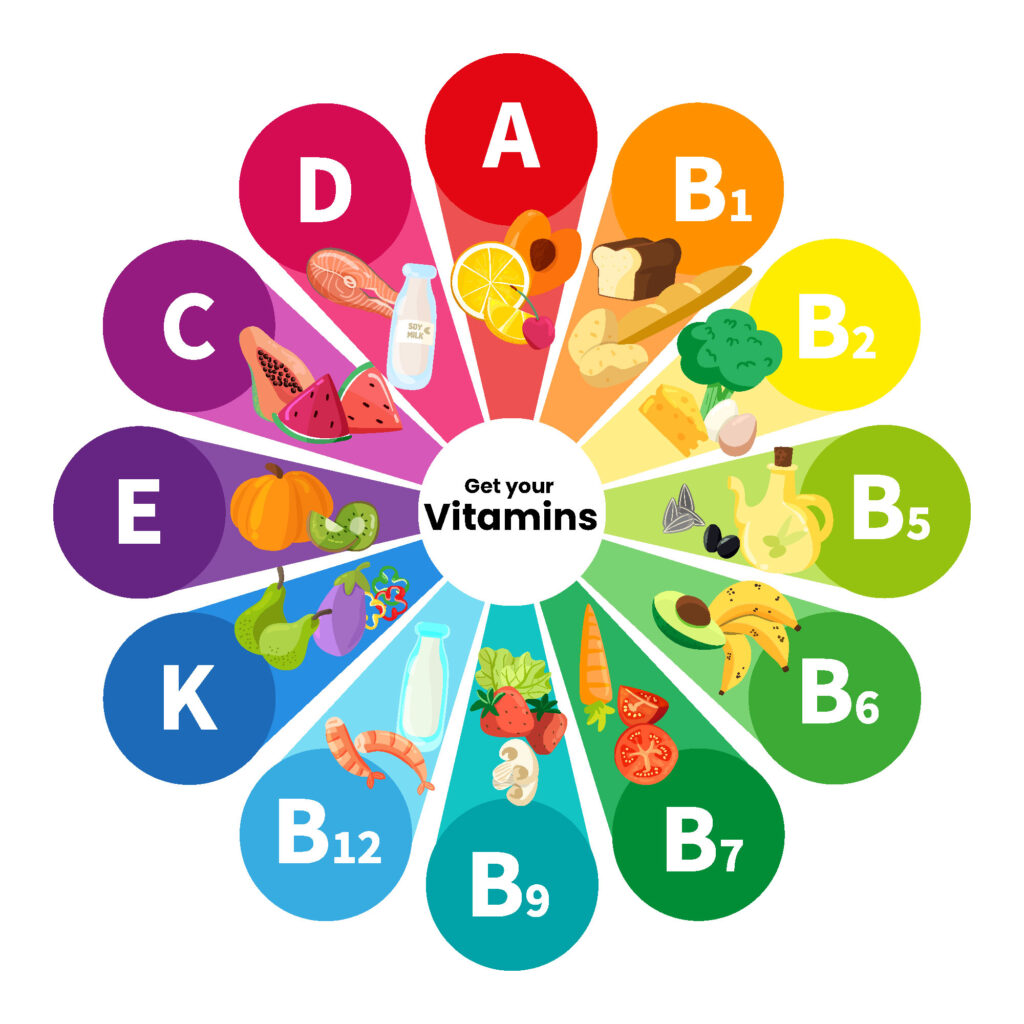
Riboflavin is one of the eight B vitamins and like the others it’s water-soluble, which means your body doesn’t hold onto it in fat tissue. Whatever doesn’t get used gets flushed out in urine, which is also why urine turns noticeably bright yellow when you take B vitamins at higher doses. The name riboflavin comes from the Latin “flavus” meaning yellow, the compound’s natural color.
The main thing riboflavin does is convert into two coenzymes: flavin mononucleotide (FMN) and flavin adenine dinucleotide (FAD). These two molecules are critical partners for dozens of enzymes across the body, particularly those involved in the electron transport chain inside mitochondria, the process that generates most of the body’s ATP (cellular energy). Without adequate riboflavin, energy production at the cellular level is compromised. Understanding this mechanism is key to understanding riboflavin vitamin B2 benefits across every system in the body.
Beyond energy, FAD and FMN are involved in:
- Converting tryptophan into niacin (vitamin B3)
- Converting vitamin B6 into its active coenzyme form
- Regulating homocysteine levels in the blood, relevant to cardiovascular risk
- Supporting antioxidant enzyme function, specifically glutathione reductase
- Maintaining normal cell growth and development
Riboflavin Vitamin B2 Benefits: What the Evidence Shows
Energy Metabolism
This is the foundational function and the one with the strongest, most unambiguous evidence. The FAD and FMN coenzymes produced from riboflavin are essential to the process of extracting energy from carbohydrates, fats, and proteins. Without them, ATP production in mitochondria is directly impaired.
EFSA has formally concluded that a cause-and-effect relationship exists between dietary riboflavin intake and contribution to normal energy-yielding metabolism. This isn’t speculative, it’s mechanistically established at the biochemical level and confirmed by clinical observation.
Migraine Prevention
Among the more targeted vitamin riboflavin benefits, migraine prevention is the most clinically specific high-dose application. The theory is that migraines in some people are associated with mitochondrial energy metabolism dysfunction in brain cells, and riboflavin, by supporting mitochondrial function and reducing oxidative stress in neurons, can reduce migraine frequency.
A landmark double-blind placebo-controlled trial of 55 adults with migraines found that 400mg of riboflavin daily for a minimum of two months significantly reduced migraine frequency and duration compared to placebo. This dose is far above the standard dietary RDA, roughly 300 times higher, and is specifically used as a prophylactic rather than an acute treatment.
A 2025 comprehensive review in Frontiers in Neurology covering studies from 2012 to 2025 confirmed riboflavin’s role in neurological disease management, specifically noting its anti-inflammatory and antioxidant mechanisms in nerve tissue and its potential in migraine prophylaxis. The review noted that the riboflavin-responsive conditions in neurology are an active and growing research area.
Cognitive Function in Older Adults
A 2024 cross-sectional study published in Scientific Reports analyzed data from the NHANES (National Health and Nutrition Examination Survey) looking at vitamin B2 intake and cognitive performance in adults over 60. The study used three validated cognitive assessment tools: the Immediate Recall Test, Animal Fluency Test, and Digit Symbol Substitution Test. Higher vitamin B2 intake was significantly associated with better performance across these measures.
This adds to a body of observational data linking B vitamin status to cognitive health in aging populations. The mechanism runs through riboflavin’s role in reducing oxidative stress and supporting healthy mitochondrial function in neurons.
Bone Health
One of the newer riboflavin vitamin B2 benefits to emerge from research involves bone health. A 2025 study published in Nutrition Journal used NHANES data on female adults and found that higher dietary riboflavin intake was associated with significantly lower risk of osteoporosis. The proposed mechanisms include riboflavin’s antioxidant effects on bone tissue, its role in reducing lipid peroxidation, and its regulation of the glutathione redox cycle. Oxidative stress is an established contributor to bone loss.
This is relatively newer research and more studies are needed to confirm the relationship and identify optimal intake levels for bone protection, but it adds another dimension to why adequate riboflavin intake matters.
Skin, Eyes, and Mucous Membranes
EFSA has established cause-and-effect for riboflavin’s contribution to normal skin and mucous membranes and maintenance of normal vision. These are two areas where deficiency symptoms are clinically visible and reverse with supplementation.
The skin manifestations of deficiency are distinctive: angular stomatitis (cracks at the corners of the mouth), cheilosis (swollen cracked lips), seborrheic dermatitis around the nose, and dermatitis more broadly. The eye effects include photophobia, itchy red eyes, and in severe prolonged deficiency, cataracts. All of these are attributable to riboflavin’s role in cellular energy metabolism and its antioxidant functions in these specific tissues.
Some evidence suggests riboflavin may help protect against cataract formation even at normal dietary intake levels, though separating riboflavin’s specific contribution from overall dietary quality in observational studies is methodologically difficult.
Homocysteine and Cardiovascular Health
Elevated blood homocysteine is a well-established cardiovascular risk factor. Riboflavin, working alongside folate, B6, and B12, helps regulate and reduce circulating homocysteine levels. The FAD coenzyme from riboflavin is required by the enzyme MTHFR (methylenetetrahydrofolate reductase), which is central to homocysteine metabolism.
Animal studies show heart abnormalities in riboflavin-deficient rodents and cardioprotective effects through increased antioxidant enzyme production. Human data is more limited on whether riboflavin supplementation specifically reduces cardiovascular outcomes, but its role in homocysteine regulation is mechanistically solid.
Neurological Disease (Emerging Research)
The 2025 Frontiers in Neurology review noted riboflavin’s therapeutic applications across several neurological conditions including multiple sclerosis, Parkinson’s disease, and riboflavin transporter deficiency (a genetic condition). A 2024 open-label study of 68 MS patients found improvement in neurological scores after 12 weeks of a riboflavin-containing formulation. This is still emerging research and no major neurology guidelines currently include riboflavin as a standard treatment, but the mechanistic case (mitochondrial support, antioxidant activity, anti-inflammatory effects in nerve tissue) is solid enough to keep this area actively investigated.
RDA, Food Sources, and Deficiency
Recommended daily amounts:
| Group | RDA |
| Men 19+ | 1.3mg/day |
| Women 19+ | 1.1mg/day |
| Pregnant | 1.4mg/day |
| Breastfeeding | 1.6mg/day |
| Children | 0.3 to 1.3mg depending on age |
Best food sources of riboflavin:
- Beef liver (one of the highest sources, ~2.9mg per 3oz serving)
- Dairy products: milk, yogurt, cheese
- Eggs
- Lean meats: chicken, beef, pork
- Fish: salmon, trout, clams
- Leafy greens: spinach, asparagus, broccoli
- Fortified cereals and breads
- Almonds and other nuts
- Mushrooms (one of the better plant sources)
Riboflavin is sensitive to light, so milk in opaque containers retains more riboflavin than milk in clear glass bottles. It’s less affected by heat than some vitamins, but boiling vegetables in water causes losses since it’s water-soluble and leaches out. Steaming or roasting is better.
Deficiency (ariboflavinosis):
True riboflavin deficiency is uncommon in developed countries where fortified foods are widespread, but it does occur in specific populations:
- People with alcohol use disorder
- Older adults with poor diets
- Vegans and strict vegetarians who don’t eat fortified foods
- Pregnant and breastfeeding women with inadequate intake
- People with malabsorptive conditions
- Those on certain medications including tricyclic antidepressants, some antipsychotics, and methotrexate
The visible signs of deficiency, cracked corners of the mouth, inflamed lips, skin rashes, and eye irritation, typically respond well to supplementation.
Safety and Supplementation
One reason the vitamin riboflavin benefits are practical to act on is safety. Riboflavin has no established upper tolerable intake level because no toxic dose has been identified from either food or supplements. It’s one of the safer vitamins to supplement. The body absorbs up to about 27mg from a single dose and excretes anything beyond what it can use. The bright yellow urine that comes with B-complex supplements or standalone riboflavin is harmless and expected.
At the therapeutic 400mg dose used for migraines, no serious adverse effects have been reported in clinical trials. Some people experience mild digestive discomfort at very high doses.
Drug interactions worth knowing:
- Tricyclic antidepressants, certain antipsychotics, and phenothiazines can reduce riboflavin absorption
- Anticonvulsants may also lower riboflavin levels
- Methotrexate and doxorubicin (used in cancer treatment) interact with riboflavin metabolism
- Checking with a doctor before supplementing if on any of these medications is sensible
For most people, a balanced diet with dairy, meat, eggs, and leafy greens provides adequate riboflavin without supplementation. A B-complex supplement is the more practical choice over standalone riboflavin for general nutritional support, since B vitamins work in concert with each other. Standalone high-dose riboflavin makes most sense specifically for migraine prophylaxis under clinical guidance.
Bottom Line
The vitamin riboflavin benefits aren’t about dramatic single-outcome claims. Riboflavin works at the foundation of cellular function and its effects are broad because it’s involved in the basic machinery of how cells produce energy and manage oxidative stress. The core benefits, energy metabolism, skin and eye health, normal growth, are firmly established. The emerging benefits, migraine prevention at high dose, cognitive support in aging, potential bone protection, are backed by growing evidence.
It’s not a flashy supplement. It doesn’t have the social media attention of vitamin D or the longevity cachet of NAD+ precursors. But the riboflavin vitamin B2 benefits are doing essential work at every level of cellular function, and consistently adequate intake matters more than most people realize.