

Vitamin B2
ELTRESSTM – VIT-B2

Get Pricing for This Product
Need pricing? Request a quote for this product and we'll get back to you shortly.
 Free Samples Available
Speed Up Your Sample Testing Process
We deliver domestic samples within 24 - 48 hours, helping you evaluate product without delays.
Vitamin B2, also known as Riboflavin, is a water-soluble vitamin essential for energy production and cellular function. It plays a crucial role in the metabolism of carbohydrates, fats, and proteins,…
CAS Number
83-88-5
HS Code
29362300
INCI Name
-
Molecular Formula
C17H20N4O6
Vitamin B2
ELTRESSTM – VIT-B2
Vitamin B2, also known as Riboflavin, is a water-soluble vitamin essential for energy production and cellular function. It plays a crucial role in the metabolism of carbohydrates, fats, and proteins, and is vital for maintaining healthy skin, eyes, and nerve functions. Commonly…
CAS Number
83-88-5
INCI Name
-
HS Code
29362300
Molecular Formula
C17H20N4O6
Get Pricing for This Product
Need pricing? Request a quote for this product and we'll get back to you shortly.
Free Samples AvailableSpeed Up Your Sample Testing Process
We deliver domestic samples within 24 - 48 hours, helping you evaluate product without delays.
 By
By
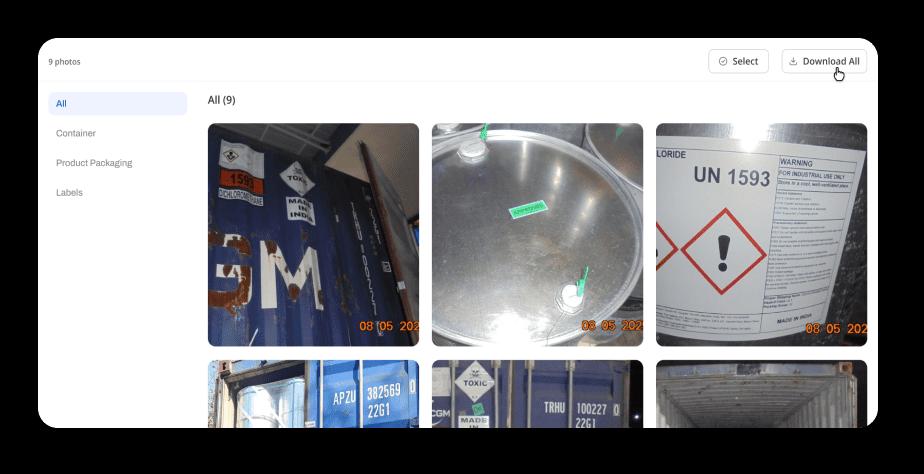
Specialty chemicals, delivered right
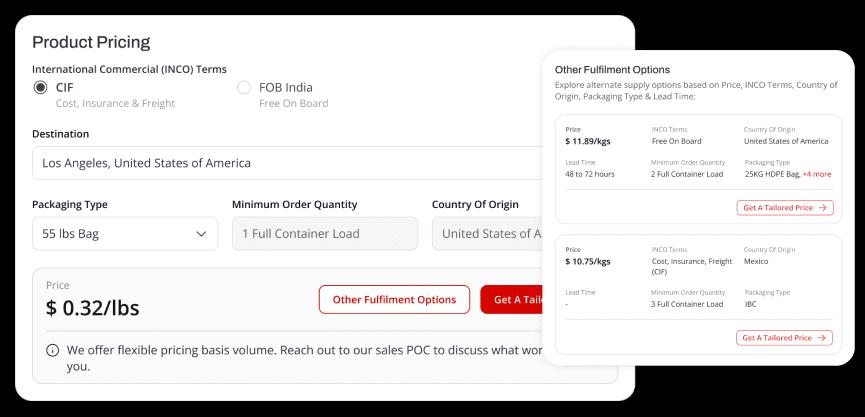
Access live, grade-specific pricing for every chemical, so your teams talks with data, not intuition on Elixir.
Compare fulfilment options across grades, INCO terms, origins, and lead times: all in one platform.

Live, transparent pricing
Real-time quotes across 12,000+ specialty chemicals.


About Vitamin B2
Vitamin B2, also known as Riboflavin, is a vital nutrient that plays a key role in energy production and cellular function. As a water-soluble vitamin, it is essential for the metabolism of carbohydrates, fats, and proteins, contributing to the body's energy supply. Vitamin B2 manufacturers and suppliers focus on producing high-quality, stable forms of this vitamin to meet the demands of the food, pharmaceutical, and cosmetic industries. Its antioxidant properties make it a valuable ingredient in formulations aimed at protecting cells from oxidative stress. In the food industry, Vitamin B2 is commonly used for fortifying cereals, dairy products, and beverages, enhancing their nutritional profile. The pharmaceutical industry utilizes it in dietary supplements and medications, while the cosmetic industry incorporates it into skincare products for its benefits in maintaining healthy skin. As a versatile compound, Vitamin B2 is crucial for various applications, highlighting its importance in modern health and nutrition.
- Essential Nutrient: Vital for energy production and cellular function, supporting overall health.
- Antioxidant Properties: Protects cells from oxidative stress, enhancing immune function.
- Stable and Effective: Ideal for food fortification and dietary supplements, ensuring consistent nutritional benefits.
- Versatile Applications: Used in food, pharmaceuticals, and cosmetics for its health-promoting properties.
- High Purity Standards: Ensures quality and efficacy in various formulations.
About Vitamin B2
Vitamin B2, also known as Riboflavin, is a vital nutrient that plays a key role in energy production and cellular function. As a water-soluble vitamin, it is essential for the metabolism of carbohydrates, fats, and proteins, contributing to the body's energy supply. Vitamin B2 manufacturers and suppliers focus on producing high-quality, stable forms of this vitamin to meet the demands of the food, pharmaceutical, and cosmetic industries. Its antioxidant properties make it a valuable ingredient in formulations aimed at protecting cells from oxidative stress. In the food industry, Vitamin B2 is commonly used for fortifying cereals, dairy products, and beverages, enhancing their nutritional profile. The pharmaceutical industry utilizes it in dietary supplements and medications, while the cosmetic industry incorporates it into skincare products for its benefits in maintaining healthy skin. As a versatile compound, Vitamin B2 is crucial for various applications, highlighting its importance in modern health and nutrition.
- Essential Nutrient: Vital for energy production and cellular function, supporting overall health.
- Antioxidant Properties: Protects cells from oxidative stress, enhancing immune function.
- Stable and Effective: Ideal for food fortification and dietary supplements, ensuring consistent nutritional benefits.
- Versatile Applications: Used in food, pharmaceuticals, and cosmetics for its health-promoting properties.
- High Purity Standards: Ensures quality and efficacy in various formulations.
FAQs - Vitamin B2

Streamline
Your Chemical
Procurement
Get fast responses from real experts