

At a Glance
- The majority of name-brand toothpastes in the US contain approximately 1% titanium dioxide, the maximum amount allowed by the FDA
- Titanium dioxide has no oral health benefit in toothpaste. It serves a purely cosmetic function, giving toothpaste its signature bright white color
- The FDA continues to permit titanium dioxide in food and oral care products but is actively reviewing its safety in response to public and political pressure
- The EU banned titanium dioxide as a food additive in 2022. Its Scientific Committee on Consumer Safety has stated that a mutagenic effect in orally ingested cosmetic products including toothpaste cannot be ruled out
- WHO, Health Canada, Food Standards Australia New Zealand, and the UK Food Standard Agency have all reviewed the evidence and concluded titanium dioxide is safe at current use levels
- Children are considered higher risk because they swallow more toothpaste than adults, which has led some researchers to call for TiO2-free children’s products specifically
- Several major brands including Crest and Tom’s of Maine already offer TiO2-free alternatives
Open any bathroom cabinet in America and there is a good chance the toothpaste inside contains titanium dioxide. It is the reason your toothpaste looks bright white rather than a murky grey-beige. It does nothing for your teeth. It cleans nothing, strengthens nothing, and protects against nothing. It is purely there to make the product look appealing in the tube and on your brush.
The FDA has assessed the safety of titanium dioxide as a color additive and issued regulations approving it for use in food, drug, and cosmetic applications including toothpaste. That approval has been in place for decades and remains current in 2026. But the conversation has changed. The EU banned it from food in 2022. The EU’s Scientific Committee on Consumer Safety has raised specific concerns about its use in oral products. And US consumers who read ingredient labels are asking more pointed questions about an ingredient that serves no actual dental purpose. This guide covers what the science actually shows, where the regulatory lines sit, and what your real options are.
What Titanium Dioxide Is Doing in Your Toothpaste
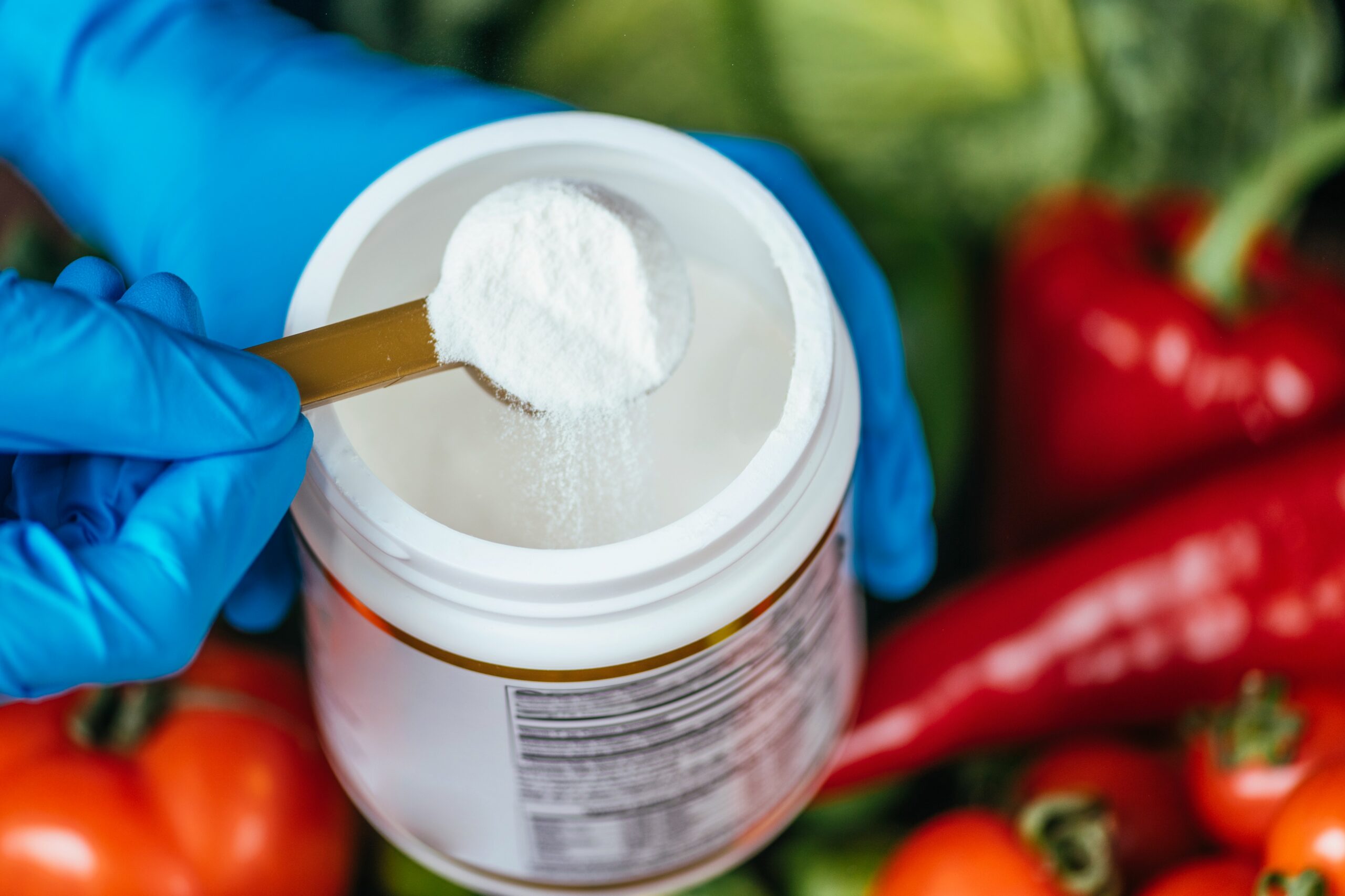
Titanium dioxide is a white mineral pigment that gives toothpaste its characteristic white color. The additive has no health benefits for dental care. It has a purely cosmetic effect.
That is worth sitting with for a moment. Unlike fluoride, which actively prevents cavities. Unlike hydroxyapatite, which remineralizes enamel. Unlike abrasives, which physically remove plaque. Titanium dioxide does none of those things. It is an appearance ingredient, full stop.
The reason it became so embedded in toothpaste formulation is straightforward. Consumers associate white with clean. A grey or yellow-tinted toothpaste would struggle to sell even if it were functionally identical. Toothpaste brands rely on titanium dioxide for its visual impact rather than any direct oral health benefit. That cosmetic rationale is also why the safety discussion has a different texture than, say, the debate around fluoride, where the functional benefits are directly weighed against any risks.
Titanium Dioxide in Toothpaste: What the FDA Currently Allows
In the US, the FDA allows titanium dioxide in toothpaste and in many common food and cosmetic products. Products for consumption or absorption are limited by the FDA to no more than 1% titanium dioxide. Preliminary studies suggest that the risks of exposure to 1% or less of titanium dioxide in toothpaste are low. A major factor in the lower risk is due to the expectoration of toothpaste, which decreases the risk of ingestion
Toothpaste in the US is regulated as a cosmetic or an OTC drug depending on its claims. Toothpaste claiming to prevent cavities (via fluoride) is classified as an OTC drug under FDA oversight. Titanium dioxide is regulated separately as a color additive under 21 CFR 73.575, which covers its use in cosmetics including oral care products.
There are no Acceptable Daily Intake limits for titanium dioxide in the US. At this time, further studies are needed to explore the effects of long-term exposure, but current standards suggest the risks of exposure to 1% or less in toothpaste are low.
The key regulatory assumption baked into that low risk assessment is that most adults spit toothpaste out. The risk from a rinse-off product like toothpaste is treated as meaningfully lower than from an ingested product. That logic holds reasonably well for adults. It holds less well for children.
The EU’s Different Position: Why the Gap Exists
In May 2021, the European Food Safety Authority determined that titanium dioxide was no longer safe for human consumption due to carcinogenic risk factors and it was officially banned after August 7, 2022. The US tends to take a more reactive stance with a federalized approach to food safety, while the EU is far stricter, requiring evidence that proves safety before full approval is granted.
This regulatory philosophy difference is the core reason the same ingredient is banned in European food but allowed in US toothpaste. It is not that the EU has definitive proof of harm. EFSA’s conclusion was that genotoxicity cannot be ruled out, not that genotoxicity has been proven. The EU decided that was enough uncertainty to act on. The FDA decided it was not.
A number of international health experts from the UK, Health Canada, Food Standards Australia New Zealand, and the US FDA have reviewed the EFSA opinion and disagreed with its position on the safety of titanium dioxide particles. This is a genuine scientific disagreement among regulators, not a clear-cut case where one side has the facts and the other is ignoring them.
The EU ban specifically covers food products. Titanium dioxide remains permitted in cosmetics in the EU, including toothpaste, though the EU Scientific Committee on Consumer Safety has stated that a mutagenic effect in orally ingested cosmetic products cannot be ruled out and further evaluation by the European Medicines Agency was planned for 2025.
Titanium Dioxide in Toothpaste Side Effects: What the Research Shows
This is where the honest picture matters most. Here is what is actually known and what is still uncertain.
What is reasonably established:
- Titanium dioxide absorbed orally appears to present little to no adverse reactions, with minimal reactions when in contact with eyes and skin
- The primary concern is not pigment-grade titanium dioxide but nano-sized particles, which can behave differently in biological systems
- The International Agency for Research on Cancer has classified titanium dioxide as possibly carcinogenic to humans based on studies showing increased lung tumors in rats with titanium dioxide inhalation. However, extensive studies on titanium dioxide industry workers do not suggest an association between occupational exposure and increased cancer risk in humans
What is still uncertain:
- Long-term effects of chronic low-dose oral exposure from toothpaste ingestion are not fully characterized
- The nanoparticle fraction of TiO2 in toothpaste, typically a small percentage of total TiO2, may behave differently from pigment-grade particles
- Whether the genotoxicity signals seen in some in-vitro studies translate to real-world oral exposure at toothpaste concentrations has not been conclusively resolved
The children’s concern specifically:
Young children often do not rinse their mouths properly but instead swallow the toothpaste foam with their spit, making them a higher-risk group for actual titanium dioxide ingestion. This has prompted some researchers to estimate daily intake levels in children and assess potential risks specifically from the nanoparticle fraction.
Crest Pro-Health Stages Toothpaste varieties, specifically designed for children, do not use titanium dioxide.Several manufacturers have already made the call that the children’s risk profile warrants a different formulation.
Which Major US Toothpaste Brands Use It and Which Do Not
Crest, Colgate, Sensodyne, Arm and Hammer, Tom’s of Maine, and various store brands continue to use titanium dioxide, particularly in mainstream and whitening varieties. Tom’s of Maine offers both titanium dioxide-containing and titanium dioxide-free options, reflecting consumer demand for alternatives.
| Brand | Contains TiO2 | Notes |
| Crest 3D White | Yes | Standard whitening formula |
| Crest Pro-Health Stages (children’s) | No | Specifically formulated without it |
| Colgate Optic White | Yes | Whitening category |
| Sensodyne | Varies by formula | Check individual product labels |
| Tom’s of Maine | Varies | Both options available in their range |
| Arm and Hammer | Yes in most | Check specific product labels |
| Hello Products | No | Positioned as clean-label oral care |
| Burt’s Bees | No | Natural oral care range |
The clean-label oral care segment is growing in the US and TiO2-free is increasingly a marketing differentiator rather than a niche feature.
How to Read a Toothpaste Label for Titanium Dioxide
Titanium dioxide appears on toothpaste ingredient lists under several names. Knowing what to look for helps you make an informed choice quickly:
- Titanium Dioxide – Listed by full name in most US products
- CI 77891 – The colorant code used in cosmetic labeling
- Titanium White – Less common but used occasionally
You can check to see if your toothpaste contains titanium dioxide by looking at the ingredients list, where it will typically appear toward the end as an inactive ingredient since it is present at low concentrations.
From 2024 onwards, FDA’s updated dental product regulations require complete ingredient disclosure on toothpaste labels, making it easier for US consumers to find this information than it was even two years ago.
Should You Switch to a TiO2-Free Toothpaste
The honest answer depends on your situation.
For most healthy adults who spit toothpaste out: The FDA’s current position and the weight of international regulatory opinion outside the EU support the conclusion that risk from titanium dioxide in toothpaste is low at current use levels. There is no proven harm. The uncertainty is about long-term data and nanoparticle behavior, not demonstrated injury.
For children under six: This is where the precautionary logic is strongest. Children ingest more toothpaste. The risk-benefit calculation shifts when there is no functional benefit from the TiO2 and the exposure is higher. TiO2-free children’s toothpastes are widely available and cost comparable to standard options.
For people who want to reduce uncertain exposures: If you prefer not to use an ingredient whose long-term safety profile has unresolved questions, switching is easy and low cost. TiO2-free toothpastes clean teeth equally well because TiO2 was never doing anything for dental health to begin with.
For brands formulating oral care products: Many manufacturers have already responded to public pressure and are voluntarily removing titanium dioxide from formulations to meet the rising expectations of health-conscious consumers. The trend toward TiO2-free in oral care is clear regardless of where regulations land.
Conclusion
Titanium dioxide in toothpaste is a cosmetic ingredient with no dental health function, a long track record of regulatory approval in the US, and a genuinely unresolved scientific debate about nanoparticle behavior and long-term oral exposure. The FDA says it is safe at current levels. The EU said uncertainty was enough to act on and banned it from food. Multiple other major regulatory bodies globally sit with the FDA on this one.
Titanium dioxide in toothpaste side effects at the concentrations used in standard products remain unproven in adults who use toothpaste normally. The children’s exposure scenario is the one that most warrants caution, and several major brands have already acted on that by offering dedicated TiO2-free children’s formulations.