

At a Glance
- The global titanium dioxide market was valued at USD 22.96 billion in 2025 and is projected to reach USD 38.97 billion by 2033, growing at a CAGR of 6.9%
- The US TiO2 market was valued at USD 2.06 billion in 2024 and is growing steadily, driven by construction, automotive, and cosmetics demand
- Paints and coatings is the dominant application segment, holding 44.6% of global TiO2 market share in 2025
- Two main grades: rutile (superior opacity, outdoor durability) and anatase (brightness, cosmetics, paper)
- Key US industries using TiO2: paints, plastics, paper, cosmetics, sunscreen, food, and photocatalytic applications
- The plastics segment is the fastest-growing application, expected at 7.1% CAGR through the forecast period
- Major US producers: Chemours, Tronox, and Kronos Worldwide
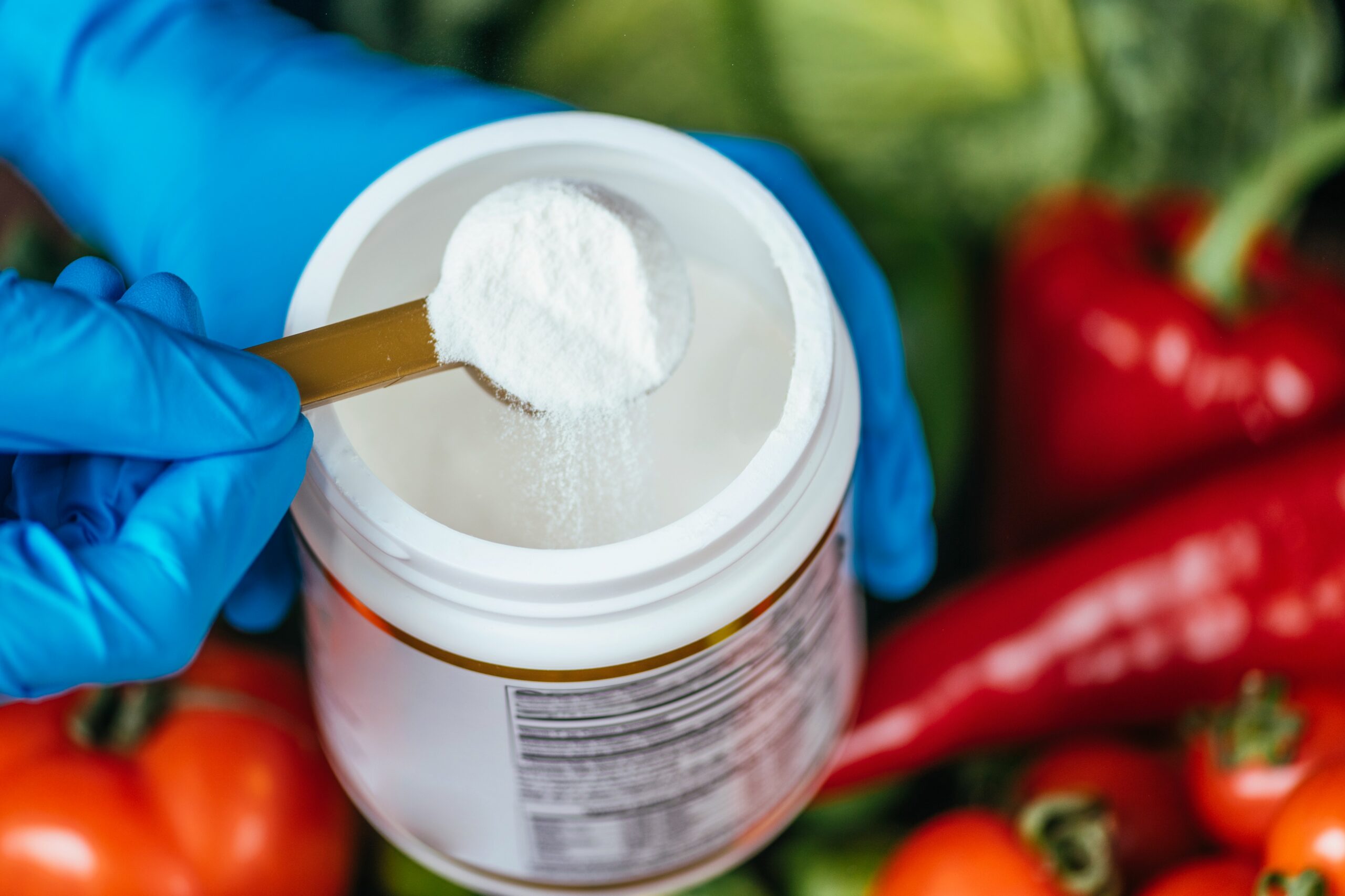
Titanium dioxide is one of those materials that shows up everywhere without most people realizing it. The bright white walls in your home, the plastic lid on your coffee cup, the sunscreen you applied this morning, the toothpaste you used, the paper this article might be printed on, all of them likely contain TiO2 in some form. It is the world’s most widely used white pigment and one of the most versatile industrial minerals on the market.
The global titanium dioxide market has been growing due to increased demand from paints and coatings, plastics, paper, and cosmetics. Widely recognized for its outstanding whitening, brightening, and UV resistance properties, titanium dioxide is becoming imperative across these industries, with expansion of construction and automotive activities majorly attributed to this trend. For US buyers and manufacturers understanding where TiO2 fits, the uses for titanium dioxide span a wider range than most people expect.
Uses for Titanium Dioxide: Starting with the Chemistry
Before jumping into applications, it helps to understand why TiO2 is so useful. The answer comes down to three core properties that no other white pigment matches at the same cost and scale.
- Opacity – TiO2 has the highest refractive index of any white pigment at 2.7 for rutile, meaning it scatters visible light more effectively than anything else. Less pigment needed to hide a surface
- Brightness – Its high reflectance in visible wavelengths produces the whitest whites achievable in commercial formulations
- UV resistance – TiO2 absorbs and scatters UV radiation, which is why it protects coatings, plastics, and skin from UV degradation
Two grades dominate commercial use. Rutile grade led the market with 76.2% revenue share in 2025 due to its superior opacity, durability, and UV resistance, making it the preferred choice for paints, coatings, and outdoor applications. Anatase grade is growing fastest at 7.3% CAGR, driven by rising demand from plastics, paper, and cosmetic applications where high brightness, cost efficiency, and lower abrasiveness are critical.
Paints and Architectural Coatings: The Largest Application
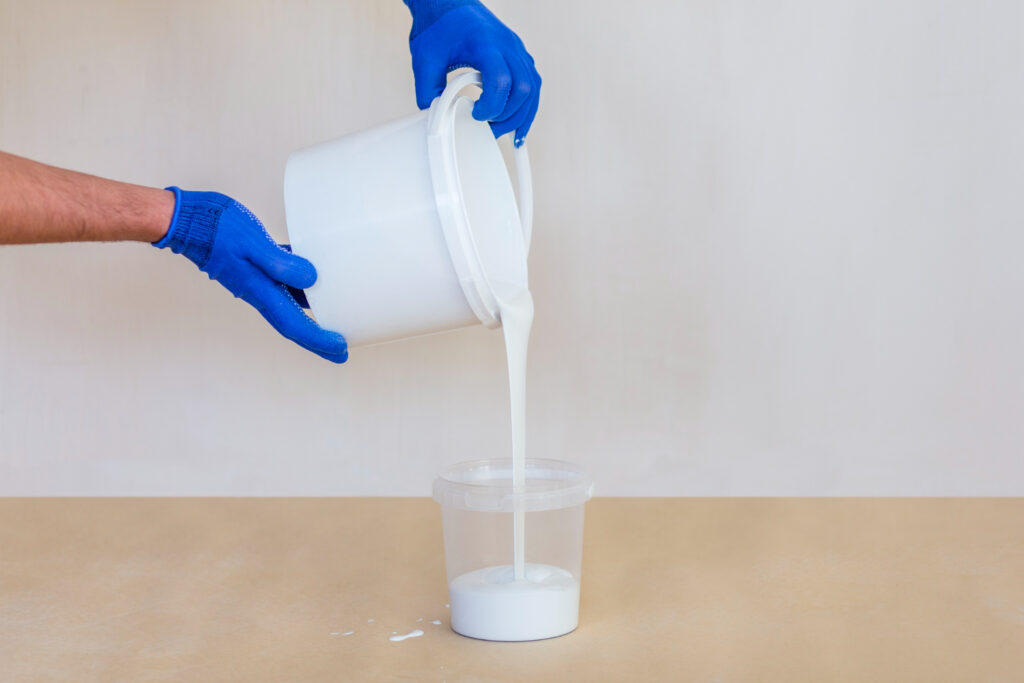
This is where the majority of the world’s TiO2 goes. According to the American Coatings Association, more than half of all coatings manufactured annually in the US are in the architectural coatings sector, which is the largest and most concentrated area of the paint business.
TiO2’s role in paint is fundamental, not optional. It provides:
- Hiding power – A single coat covers the substrate below without bleed-through
- Durability – Rutile TiO2 resists chalking and fading outdoors for years
- Gloss stability – Maintains sheen and color consistency over the product lifecycle
- UV protection for the coating itself – Prevents the binder resin from degrading under sunlight
Without TiO2, you would need significantly more coats to achieve the same coverage, which is why even small fluctuations in TiO2 prices have outsized impacts on paint manufacturers’ margins. The US architectural coatings sector alone consumed hundreds of thousands of tons of TiO2 in 2024. Industrial coatings for bridges, pipelines, marine vessels, and factories add substantially to that.
In February 2025, Chemours introduced Ti-Pure R2706 and Ti-Pure TS26706 specifically for architectural and industrial coating systems, expanding performance options as the market pushes toward higher-durability waterborne formulas.
Plastics and Polymers: The Fastest-Growing Segment
The plastics segment represents the second-largest application category, with a CAGR of 27.5% expected through 2025 to 2035, driven by surging demand from packaging and consumer goods sectors. Coating manufacturers and plastic processors increasingly incorporate titanium dioxide into water-based formulations and masterbatch additives.
TiO2 in plastics serves multiple roles at once:
- Makes white and opaque packaging for food, personal care, and pharmaceutical products
- Protects plastic from UV degradation, extending product life outdoors
- Improves mechanical properties in some formulations
- Provides consistent, repeatable color for consumer goods and appliances
The most visible uses in everyday US consumer products include:
| Product Category | What TiO2 Does |
| Food packaging (bottles, films, trays) | Opacity, UV barrier, whiteness |
| Automotive plastic components | UV stability, color consistency |
| Appliance housings | Bright white finish, long-term color stability |
| PVC window frames and profiles | UV protection, prevents yellowing |
| Polyester and nylon fibers (fabrics) | Delusterant, gives matte finish to synthetic textiles |
Electric vehicle manufacturing is an emerging driver here. Lightweight plastic components replacing metal, combined with new battery casing materials, are creating fresh demand for high-performance TiO2 grades in automotive plastics.
Paper and Packaging: Brightness and Print Quality
The high opacity, whiteness, and brightness of titanium dioxide makes it particularly valued in paper applications. TiO2 serves as a filler and coating pigment that enhances printability, opacity, and brightness in paper production.
In paper manufacturing TiO2 is used in two ways. As a filler it is added to the paper pulp to reduce show-through, the visibility of printing on the reverse side of a page. As a coating pigment it is applied to the paper surface to improve gloss, ink receptivity, and the crisp appearance of printed images.
Key paper applications in the US:
- Coated printing and writing papers for magazines, catalogs, and marketing materials
- Food-grade paperboard for cereal boxes, frozen food packaging, and beverage cartons
- Label stock for products requiring bright white backgrounds
- Specialty papers for banknotes, security documents, and technical printing
The shift to digital has reduced some paper consumption, but packaging demand has grown to more than offset it, particularly in e-commerce packaging where bright, printable surfaces matter for brand presentation.
Cosmetics and Personal Care: Opacity and UV Protection
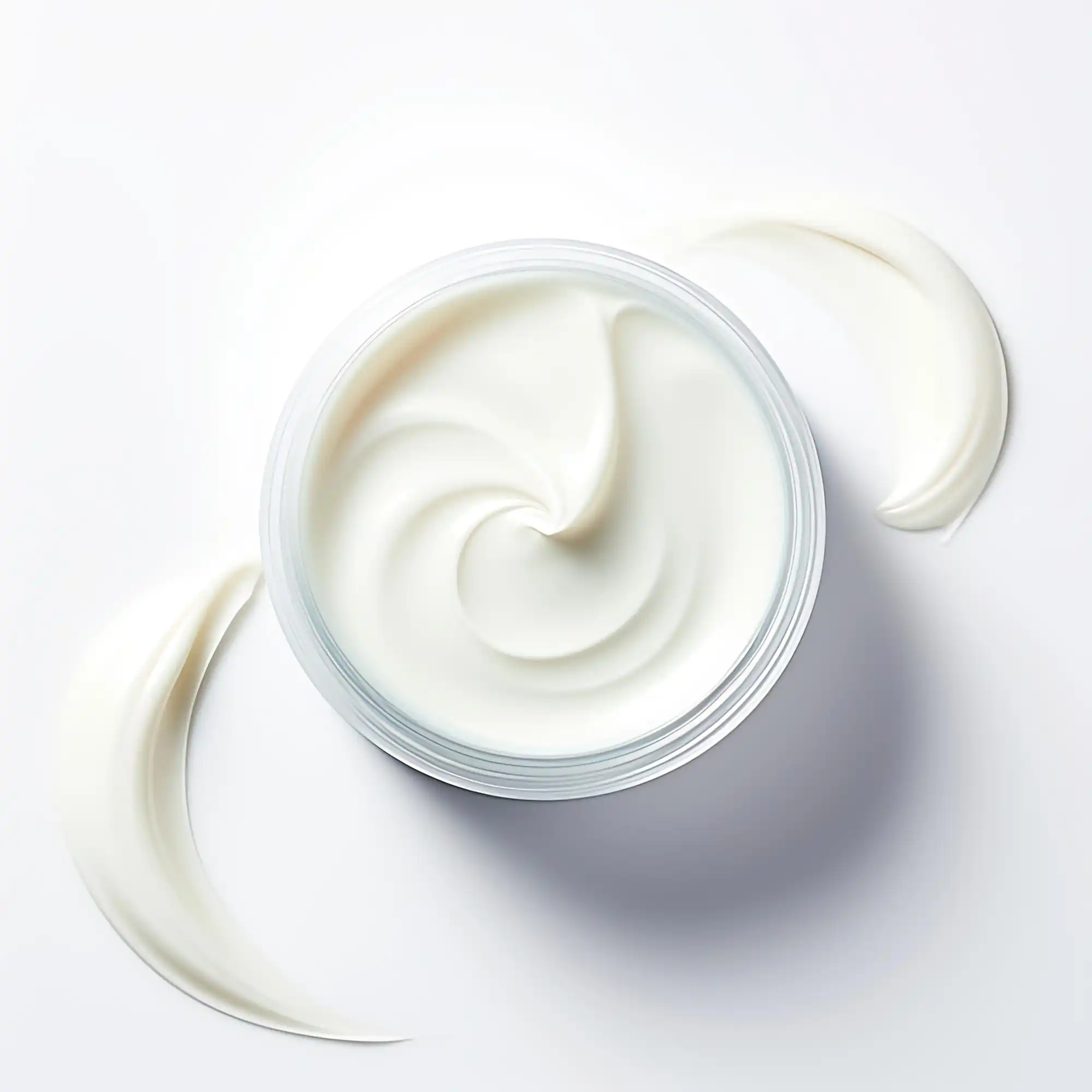
Anatase titanium dioxide’s transparency and UV absorption make it highly valued in sunscreens, cosmetics, and skincare products, where health-conscious consumers seek effective protection and appealing formulations.
TiO2 appears in two distinct roles in personal care formulations.
As a pigment and opacifier:
- Foundation and BB creams for coverage and brightening
- Pressed and loose powders where it provides a white base for blending
- Lipsticks and lip balms for opacity
- Nail polish for opacity and color payoff
As a UV filter in sunscreens:
- FDA classifies it as GRASE, one of only two sunscreen actives with this classification
- Provides UVB and short UVA protection in mineral sunscreen formulations
- Used at concentrations up to 25% in sunscreen products
- Growing demand driven by consumer shift from chemical to mineral sunscreens
The mineral sunscreen market in the US has grown sharply. By 2025, 43% of US sunscreens reviewed by EWG used zinc oxide or titanium dioxide as their active ingredients, up from just 17% in 2007. That growth represents millions of additional pounds of TiO2 entering the personal care supply chain annually.
Food Industry: A Regulated but Real Use

TiO2 has been used as a food colorant in the US under FDA regulation, listed as titanium dioxide and permitted at up to 1% of food weight. Common uses have included:
- Confectionery coatings and candy shells for white opacity
- Frosting, icing, and cake decorations
- Chewing gum base
- Salad dressing and condiments for brightness
This use is increasingly under scrutiny. The EU banned TiO2 as a food additive in 2022 citing genotoxicity concerns. The FDA has not followed, but several US food brands have proactively removed it from formulations in response to consumer clean-label pressure. The food application segment in the US is likely to shrink over the coming years regardless of regulatory action as brands reformulate ahead of consumer demand.
Photocatalytic and Environmental Applications: The Emerging Frontier
Anatase titanium dioxide’s strong photocatalytic activity is widely applied in water purification, air filtration, and self-cleaning surfaces, technologies that align with sustainability and innovation trends.
This is where titanium dioxide uses are evolving beyond traditional pigment and UV filter roles into genuinely new territory:
- Self-cleaning glass and building materials – TiO2 coatings on glass surfaces break down organic contaminants when activated by UV light, reducing cleaning requirements in commercial buildings
- Air purification – Photocatalytic TiO2 in HVAC filters and air purifiers breaks down VOCs, bacteria, and odors when exposed to UV or near-UV light
- Water treatment – TiO2 photocatalysis can degrade persistent organic pollutants and disinfect water without chemical additives
- Anti-bacterial coatings – Hospital surfaces, door handles, and touchscreens using photocatalytic TiO2 coatings that continuously reduce microbial load
Ultrafine and nanoscale TiO2, under 100 nm, is driving technology innovation. Its photocatalytic properties create breakthrough solutions for air and water purification systems that work toward cleaner environments. This segment is smaller in volume than paints and plastics but growing faster and carrying higher margins.
Specialty and Industrial Uses
Beyond the major segments, TiO2 shows up across a number of US industrial applications that collectively represent significant volume:
- Ceramics and glass – Added to ceramic glazes and glass formulations for opacity and whiteness
- Printing inks – Used as a white pigment base and opacity agent in specialty inks
- Rubber and elastomers – Provides UV protection and whiteness in rubber products including footwear soles and industrial hoses
- Welding electrodes – Anatase TiO2 is used in electrode coatings
- Textiles – Used as a delusterant in polyester and nylon fiber production to reduce shine in fabrics
- Pharmaceuticals – As an inactive excipient providing opacity in tablet coatings and capsule shells
US Market Outlook: What Drives Demand Through 2030
Growing demand from construction, automotive, packaging, and electronics for titanium dioxide is anticipated to accelerate market development, with the TiO2 market forecast to reach USD 30.1 billion by 2030 at a CAGR of 6.8%.
In the US specifically, a few factors are shaping the next few years:
- Infrastructure spending through federal programs is sustaining demand for protective coatings on bridges, highways, and public buildings
- EV adoption is changing automotive coating requirements and driving new plastic component demand
- The mineral sunscreen shift is a sustained demand driver for cosmetic-grade TiO2
- Photocatalytic applications are still small but growing as sustainable building standards proliferate
- Clean-label pressure in food is a headwind for food-grade use, likely leading to gradual reformulation
In December 2024, Chemours announced a DeLisle, Mississippi expansion via a chlor-alkali unit to secure chlorine for 340,000 additional tonnes of TiO2 capacity, with construction targeted for 2026. That is a major domestic capacity investment, signaling confidence in long-term US demand.
Conclusion
The uses for titanium dioxide across US industry and consumer products are broader than any single application captures. From the architectural coatings that cover the country’s buildings to the mineral sunscreens that protect skin, the plastic packaging that ships consumer goods, and the emerging photocatalytic surfaces that clean air and water, TiO2 is embedded in the material fabric of American manufacturing. The market is not standing still: new grades, new applications in EVs and environmental tech, and the continued growth of mineral personal care products all point toward sustained demand growth through the decade.
For manufacturers sourcing rutile TiO2, anatase grades, coated cosmetic-grade titanium dioxide, or specialty photocatalytic grades, Elchemy connects US buyers with verified global suppliers offering complete technical documentation, certificates of analysis, and supply chain transparency built for the demands of the American industrial and consumer market.