

At a Glance
- Humectants attract and hold water to moisturize skin and hair, while surfactants reduce surface tension to cleanse, foam, and emulsify
- Common humectants include glycerin, hyaluronic acid, and propylene glycol working at 2-10% concentrations in formulations
- Surfactants divide into four categories: anionic (cleansing), cationic (conditioning), nonionic (gentle), and amphoteric (mild foaming)
- The surfactant vs humectant decision depends on product purpose: cleansers need surfactants, moisturizers need humectants, many products use both
- Humectants work best in leave-on products where they continuously attract moisture, surfactants excel in rinse-off applications
- Some ingredients serve dual roles: certain surfactants provide mild humectant properties, some humectants reduce surfactant irritation
- Cost and feel differ significantly: humectants can feel sticky at high levels, surfactants may dry skin if not properly balanced
A cosmetic startup in California was struggling to understand why their moisturizer felt sticky despite excellent hydration results, while their face wash wasn’t cleaning as effectively as competitors’ products. After consulting with a formulation chemist, they discovered they had confused their ingredient functions—adding too much humectant to the moisturizer and not enough surfactant to the cleanser. Understanding the humectant vs surfactant distinction transformed their formulations completely.
These two ingredient categories serve fundamentally different purposes in cosmetics and personal care products, yet they’re both essential to creating effective formulations. Knowing when to use each, how they work, and how they interact with other ingredients determines whether your products deliver the results customers expect.
What Humectants Actually Do
Humectants are hygroscopic substances—they attract and bind water molecules from their surroundings. Think of them as moisture magnets that pull water from the air or deeper skin layers and hold it where you need it most.
The molecular structure of humectants explains their function. Most contain multiple hydroxyl groups (-OH) that form hydrogen bonds with water molecules. These chemical attractions create a water-binding effect that keeps moisture locked in place rather than evaporating.
In practical terms, when you apply a moisturizer containing glycerin (a common humectant), the glycerin molecules attract water vapor from the air and pull moisture from deeper skin layers up to the surface. This hydration effect plumps skin cells, reduces the appearance of fine lines, and creates a smoother texture.
Humectants work differently depending on environmental humidity. In humid conditions, they draw moisture from the air into skin. In very dry environments with low humidity, they might actually pull water from deeper skin layers to the surface, which can paradoxically cause dryness if the formulation lacks occlusive ingredients to seal in that moisture.
Common Humectant Types and Uses
Glycerin (Glycerol)
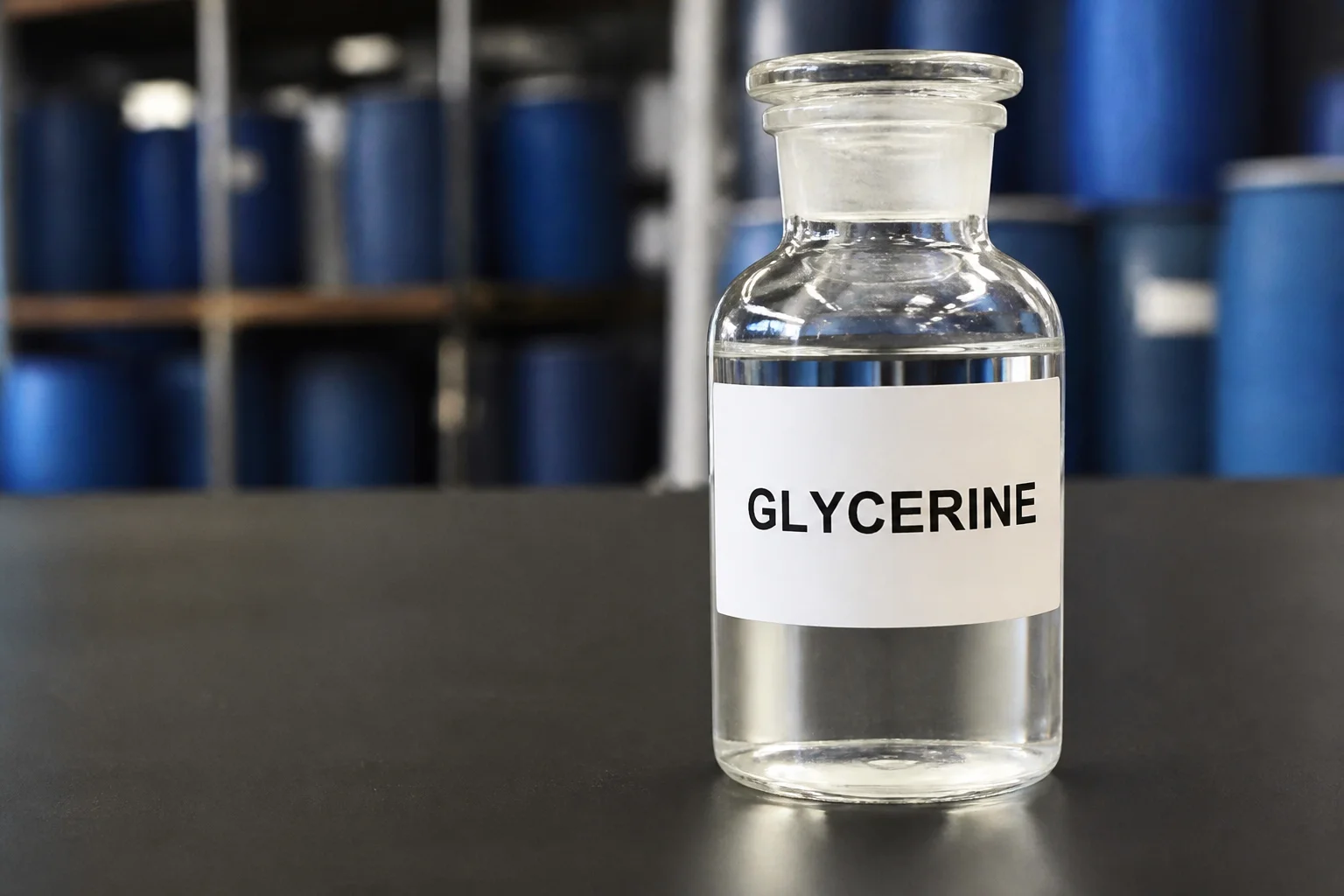
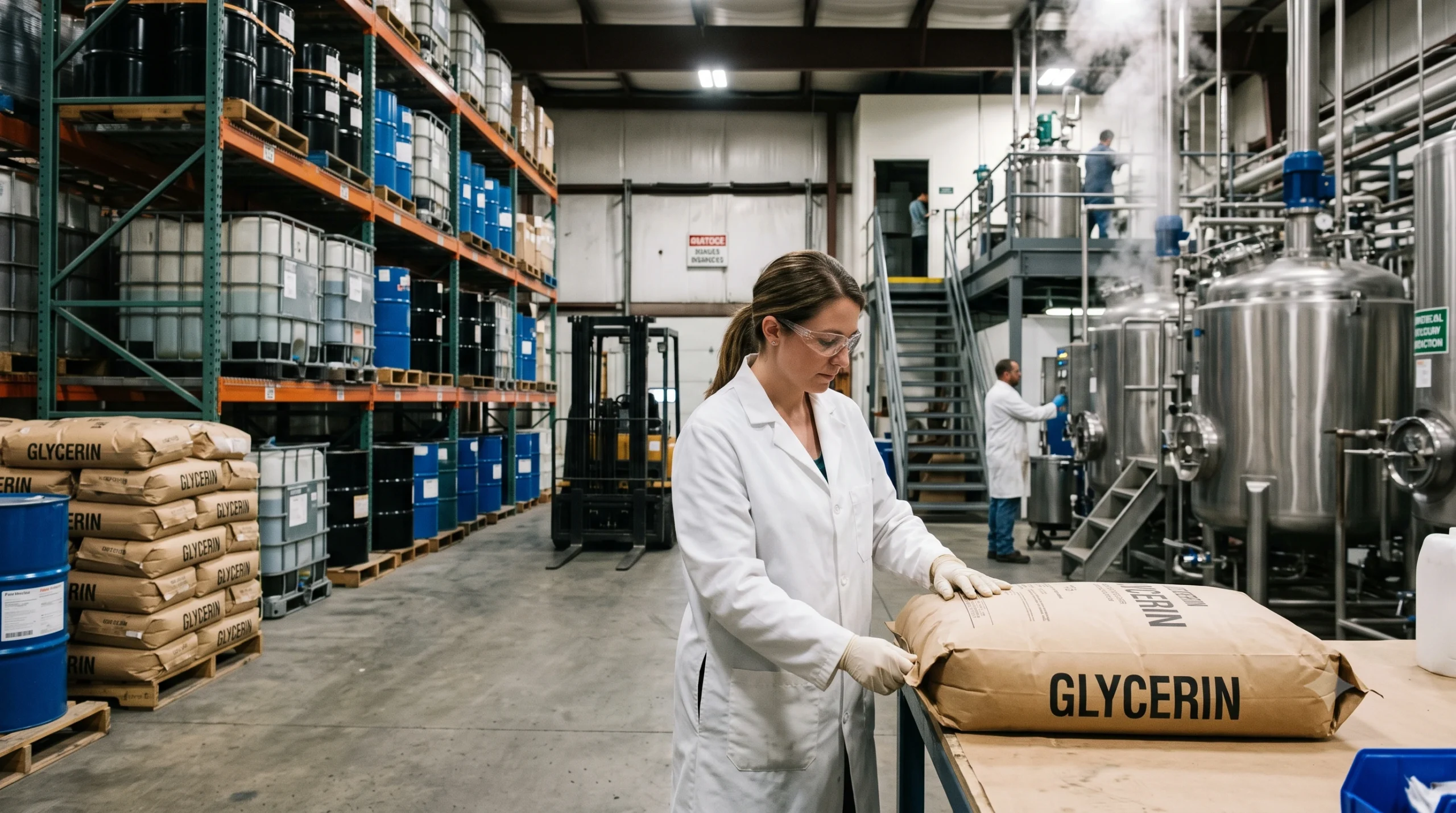
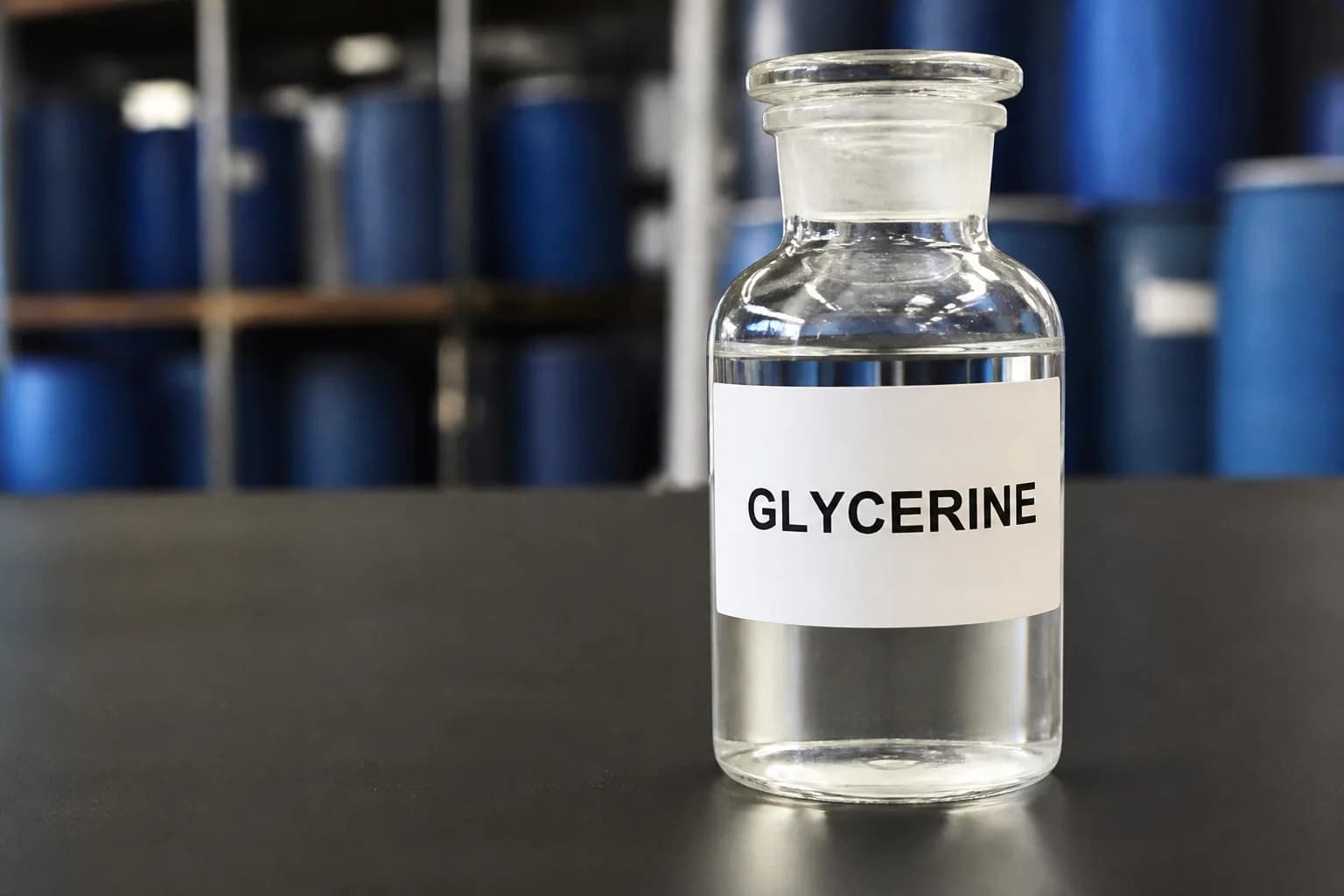
The most widely used humectant in cosmetics, glycerin appears in everything from face creams to hair conditioners. It can absorb roughly 40% of its weight in water at 80% humidity, providing excellent moisturization at relatively low cost. The downside is a slightly sticky feel at concentrations above 5-7%.
Hyaluronic Acid (Sodium Hyaluronate)
This molecule holds up to 1000 times its weight in water, making it exceptionally effective for deep hydration. It’s used in premium skincare products at 0.1-2% concentrations. Different molecular weights penetrate skin at varying depths, allowing formulators to create multi-level hydration.
Propylene Glycol
Second only to glycerin in popularity, propylene glycol costs less and reduces the viscosity of surfactant solutions. It works well in combination with other humectants to balance the sticky feel that pure glycerin creates. Typical use ranges from 2-10% in formulations.
Aloe Vera Extract
Natural and consumer-friendly, aloe provides humectant properties alongside soothing benefits. The polysaccharides in aloe bind water effectively while offering anti-inflammatory effects valued in sensitive skin products.
Understanding Surfactants
Surfactants—short for surface active agents—are molecules with dual personality. One end loves water (hydrophilic), the other end loves oil (lipophilic). This amphiphilic structure allows surfactants to reduce surface tension between water and oil, enabling them to perform multiple cosmetic functions.
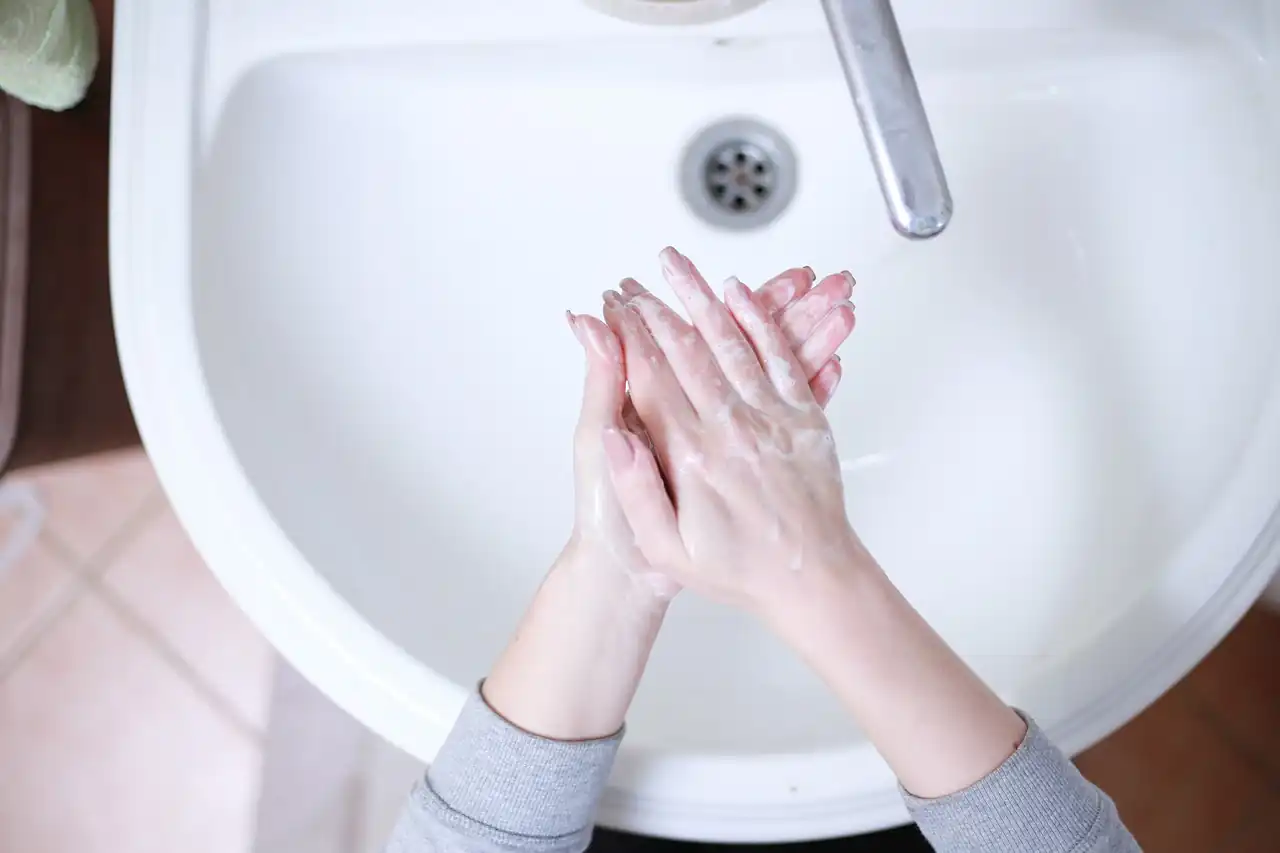
The primary role most people associate with surfactants is cleansing. Surfactant molecules surround dirt and oil particles on skin or hair, with their oil-loving ends grabbing the grime and their water-loving ends facing outward. This creates tiny packages called micelles that wash away easily with water.
But surfactants do far more than clean. They create foam that enhances sensory experience. They emulsify incompatible ingredients so oil and water phases blend smoothly. They help active ingredients penetrate skin barriers. They condition and soften hair. The specific surfactant type determines which functions dominate.
Surfactant Categories and Their Functions
| Type | Charge | Primary Uses | Examples | Typical Concentration |
| Anionic | Negative | Cleansing, foaming | SLS, SLES, Sodium Cocoyl Isethionate | 5-30% |
| Cationic | Positive | Conditioning, antimicrobial | Behentrimonium chloride, BTMS | 1-5% |
| Nonionic | Neutral | Gentle cleansing, emulsifying | Decyl glucoside, Polysorbates | 2-15% |
| Amphoteric | Both +/- | Mild foaming, foam boosting | Cocamidopropyl betaine | 2-10% |
Anionic Surfactants
These carry a negative charge that makes them excellent at removing dirt and oil. They’re the workhorses of shampoos, body washes, and facial cleansers. The high cleansing power comes with a trade-off—they can strip natural oils and feel drying if not balanced with gentler surfactants or moisturizing ingredients.
Cationic Surfactants
The positive charge attracts these surfactants to negatively charged hair and skin surfaces, where they deposit and create conditioning effects. Hair conditioners rely almost exclusively on cationic surfactants to detangle and smooth. You’ll rarely find them in cleansers because they don’t clean well and they’re incompatible with anionic surfactants.
Nonionic Surfactants
With no charge, these surfactants work across all pH ranges and mix with other surfactant types easily. They’re gentler than anionics, making them ideal for baby products and sensitive skin formulations. They clean effectively without creating harsh, stripping sensations.
Amphoteric Surfactants
These change charge depending on pH, acting positive in acidic conditions and negative in alkaline environments. This flexibility makes them excellent foam boosters when combined with anionic surfactants while adding mildness that reduces overall irritation.
The Key Difference: Humectant vs Surfactant Functions
The fundamental distinction comes down to what they do versus how they do it. Humectants are about water attraction and retention—they’re passive moisture holders. Surfactants are about active cleaning, emulsifying, and changing how substances interact.
A moisturizer needs humectants to draw water into skin and keep it there. It might also need surfactants to emulsify the oil and water phases so they stay blended, but the surfactants aren’t the active moisturizing ingredients.
A shampoo needs surfactants to remove dirt and oil from hair. It might benefit from added humectants to counteract the drying effect of cleansing, but the humectants aren’t doing the cleaning work.
Many formulations use both ingredient types because they address different needs. A body wash might contain anionic surfactants for cleansing, amphoteric surfactants for foam and mildness, plus glycerin as a humectant to prevent excessive dryness during washing.
When Products Need Both Humectants and Surfactants
Facial Cleansers
Modern face washes combine gentle surfactants (often nonionic or amphoteric types) with humectants like glycerin or sodium PCA. The surfactants remove makeup and sunscreen while the humectants prevent that tight, stripped feeling after washing.
Hair Conditioners
These use cationic surfactants for conditioning alongside humectants for moisture. The surfactant creates smoothness and detangling, while the humectant adds hydration that makes hair feel softer and look shinier.
Body Lotions
Though primarily humectant-based for moisturization, many lotions include small amounts of surfactant to help emulsify the formula and improve how the product spreads on skin.
Formulation Interactions to Consider
Humectants can affect surfactant performance. Propylene glycol, for example, reduces the viscosity of surfactant solutions, which can impact foam stability and product thickness. Formulators must account for these interactions when designing products.
Some humectants actually help reduce surfactant irritation. Studies show that adding glycerin or other polyols to cleansing formulations decreases the drying, irritating effects of harsh anionic surfactants by maintaining skin barrier function.
Certain surfactants provide mild humectant properties. Nonionic surfactants with polyoxyethylene chains can attract some moisture, though this effect is minor compared to dedicated humectants like glycerin or hyaluronic acid.
Application-Specific Choices
For Moisturizers and Serums
Focus on humectants as primary active ingredients. Use 5-15% total humectant blend depending on desired intensity. Hyaluronic acid delivers premium positioning at 0.5-2%, while glycerin provides cost-effective hydration at 3-7%. Surfactants appear only in small amounts for emulsification purposes.
For Cleansers and Shampoos
Surfactants dominate at 10-30% total concentration depending on product type. Facial cleansers use gentler systems (5-15% nonionic/amphoteric blends), while shampoos employ stronger anionic surfactants (15-30%) for effective cleansing. Add 2-5% humectants to counteract drying effects.
For Leave-On Hair Products
Balance cationic surfactants (1-3% for conditioning) with humectants (3-8% for moisture). This combination provides both smoothness and hydration that hair styling products require.
For Body Washes
Blend anionic and amphoteric surfactants (15-25% total) with moderate humectants (3-5%) to create formulations that cleanse effectively while maintaining skin comfort.
Texture and Sensory Considerations
Humectants influence product feel significantly. High humectant levels create tackiness that some consumers dislike. Glycerin above 7% feels noticeably sticky on skin. Balancing multiple humectants or combining them with silicones helps manage this issue.
Surfactants affect foam quality, spreadability, and after-feel. Too much surfactant creates excessive foam that some view as wasteful. Too little fails to meet consumer expectations for cleansing products. The surfactant blend determines whether skin feels clean and fresh or tight and stripped after washing.
Cost and Performance Trade-offs
Humectants range from inexpensive (glycerin at $2-4/kg) to premium (high molecular weight hyaluronic acid at $50-200/kg). Formulators balance cost against marketing claims, with premium brands justifying higher prices through expensive humectants like hyaluronic acid.
Surfactants show similar cost variation. Basic SLS runs $1.50-3/kg while gentle alternatives like sodium cocoyl isethionate or decyl glucoside cost $8-15/kg. The mild surfactants command premiums that add 20-40% to formulation costs but enable “sulfate-free” marketing claims that many consumers seek.
Safety and Skin Compatibility
Most humectants show excellent safety profiles with minimal irritation potential. Glycerin, propylene glycol, and hyaluronic acid all score well in safety assessments. The main concern is allergic reactions in sensitive individuals to specific humectants, though this affects a small percentage of users.
Surfactants present more varied safety considerations. Harsh anionics like SLS can irritate skin, particularly with repeated use or at high concentrations. Gentler alternatives reduce irritation but cost more. Proper formulation balances cleaning effectiveness against skin compatibility by blending surfactant types and including soothing ingredients.
Natural and Sustainable Options
Consumer demand for natural ingredients affects both categories. Natural humectants include honey, aloe, and glycerin derived from vegetable sources rather than petroleum. These command premium pricing while delivering similar performance to synthetic alternatives.
Natural surfactants like decyl glucoside (from coconut and corn) or sodium cocoyl isethionate (from coconut) appeal to clean beauty brands despite higher costs. They biodegr ade readily and come from renewable sources, supporting sustainability positioning.
Making the Right Selection
Choose humectants when your primary goal is moisture attraction and retention in leave-on products. Use 3-8% glycerin for basic hydration, add 0.5-2% hyaluronic acid for premium moisture benefits, or blend multiple humectants for balanced feel without excessive stickiness.
Select surfactants when you need cleansing, foaming, or emulsification. Match surfactant type to application: gentle nonionics for face wash, effective anionics for body wash, conditioning cationics for hair products.
Use both when formulations need multiple benefits. Cleansers benefit from humectants that prevent dryness. Moisturizers need surfactants for emulsion stability. Understanding each ingredient’s role lets you optimize formulations for specific product purposes.
The surfactant vs humectant question isn’t about choosing one over the other—it’s about understanding what each does and using the right ingredient for the right job. Humectants attract and hold moisture. Surfactants clean, foam, and emulsify. Both are essential tools in the cosmetic formulator’s toolkit, each serving distinct purposes that combine to create effective personal care products.
For businesses requiring quality humectants and surfactants for cosmetic formulations, Elchemy connects you with reliable suppliers offering glycerin, hyaluronic acid, propylene glycol, and various surfactant types alongside technical formulation support to help create products that balance cleansing, moisturization, and sensory experience for your target market.