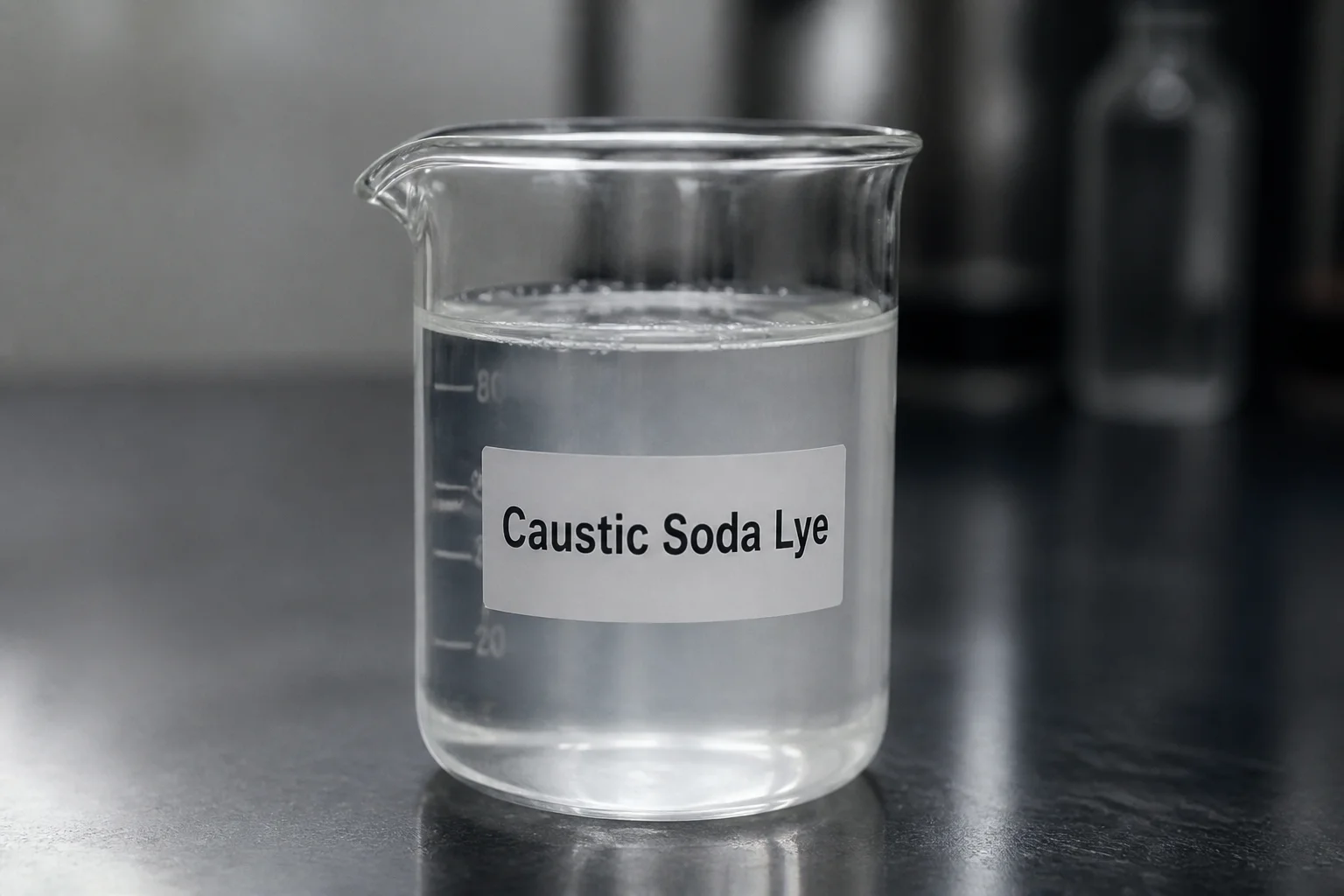


Caustic soda, commonly known as sodium hydroxide (NaOH), is a highly versatile chemical widely used in industries such as pulp and paper, textiles, water treatment, chemical manufacturing, and aluminum refining. Because it plays a critical role in many industrial processes, ensuring the quality and purity of caustic soda is essential for maintaining product consistency, operational efficiency, and regulatory compliance.
Poor-quality sodium hydroxide can introduce impurities, reduce reaction efficiency, and cause equipment corrosion or process disruptions. For this reason, manufacturers and procurement teams must verify the quality of caustic soda before using it in production.
This guide explains how to test the quality of caustic soda, including common laboratory testing methods, industrial inspection techniques, and best practices for ensuring reliable chemical sourcing.
Why Testing Caustic Soda Quality Is Important
Testing the quality of sodium hydroxide ensures that the chemical meets the required specifications for industrial use. Even small variations in purity or concentration can significantly affect manufacturing processes.
Ensuring Production Efficiency
Many industrial reactions rely on precise chemical concentrations. If caustic soda contains impurities or inconsistent purity levels, it can reduce reaction efficiency and affect product quality. Regular testing helps maintain consistent performance across production cycles.
Maintaining Safety and Regulatory Compliance
Caustic soda is a highly corrosive chemical, and improper quality control can lead to safety risks. Industries handling sodium hydroxide must comply with safety regulations and maintain proper chemical documentation. Quality testing ensures that the product meets regulatory standards.
Reducing Operational Costs
Using low-quality chemicals can increase production waste, cause process inefficiencies, and lead to equipment damage. Verifying the quality of caustic soda helps businesses avoid these hidden costs and maintain stable operations.
Standard Quality Specifications for Caustic Soda

Before conducting laboratory tests, it is important to understand the typical quality standards used in the chemical industry.
For solid caustic soda (flakes, pearls, or pellets), common specifications include:
- Purity: approximately 98–99% sodium hydroxide
- Low levels of sodium carbonate and chlorides
- Minimal iron or heavy metal contamination
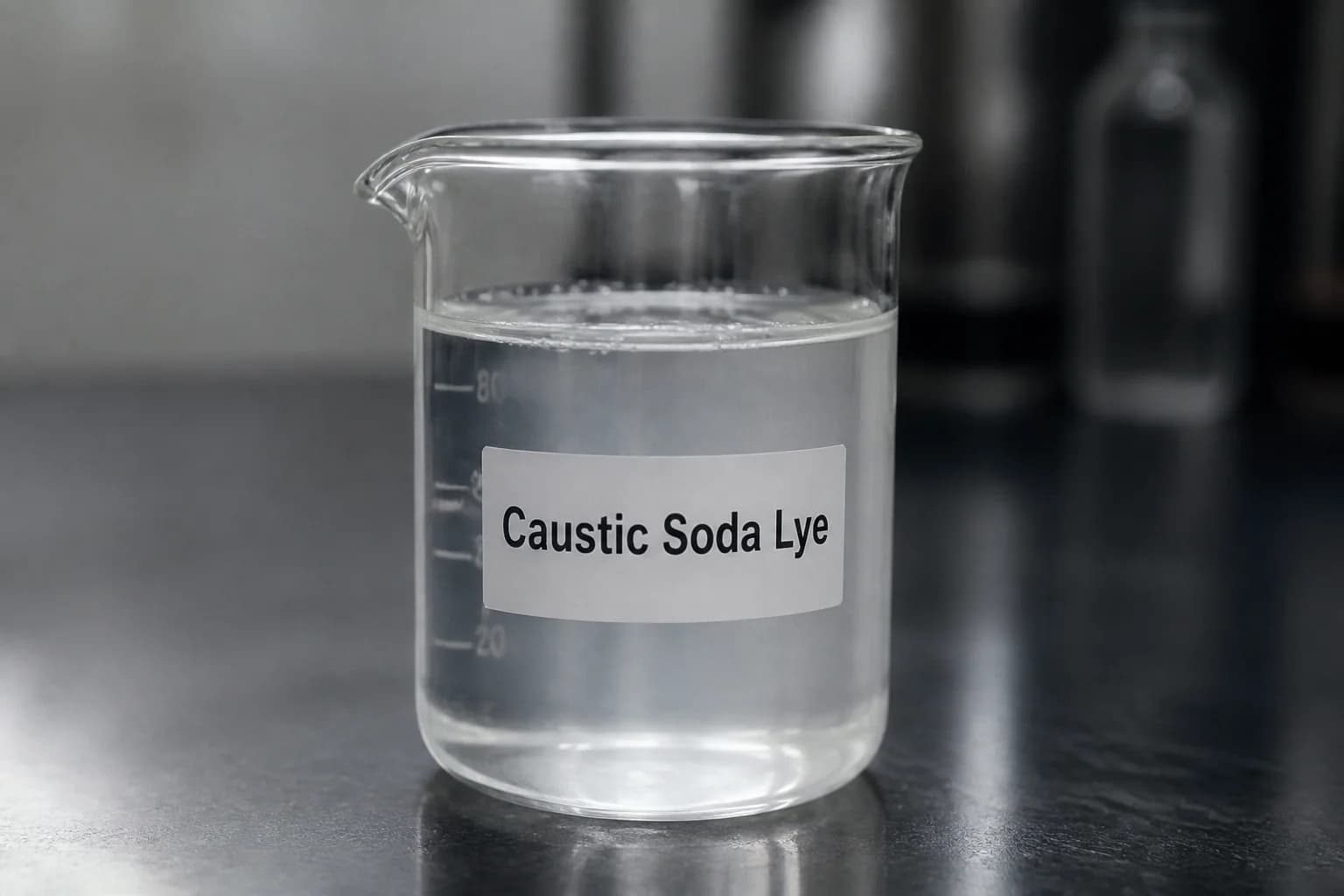
For liquid caustic soda, the most common industrial concentration levels include:
- 30–32% sodium hydroxide solution
- 45–50% sodium hydroxide solution
Chemical suppliers usually provide documentation that confirms these specifications, including:
- Certificate of Analysis (COA) showing purity and composition
- Safety Data Sheet (SDS) for handling and storage guidelines
However, independent testing may still be necessary to confirm the product’s quality.
Common Methods to Test the Quality of Caustic Soda
Several laboratory and industrial methods can be used to test sodium hydroxide purity, concentration, and contamination levels.
Acid–Base Titration Test
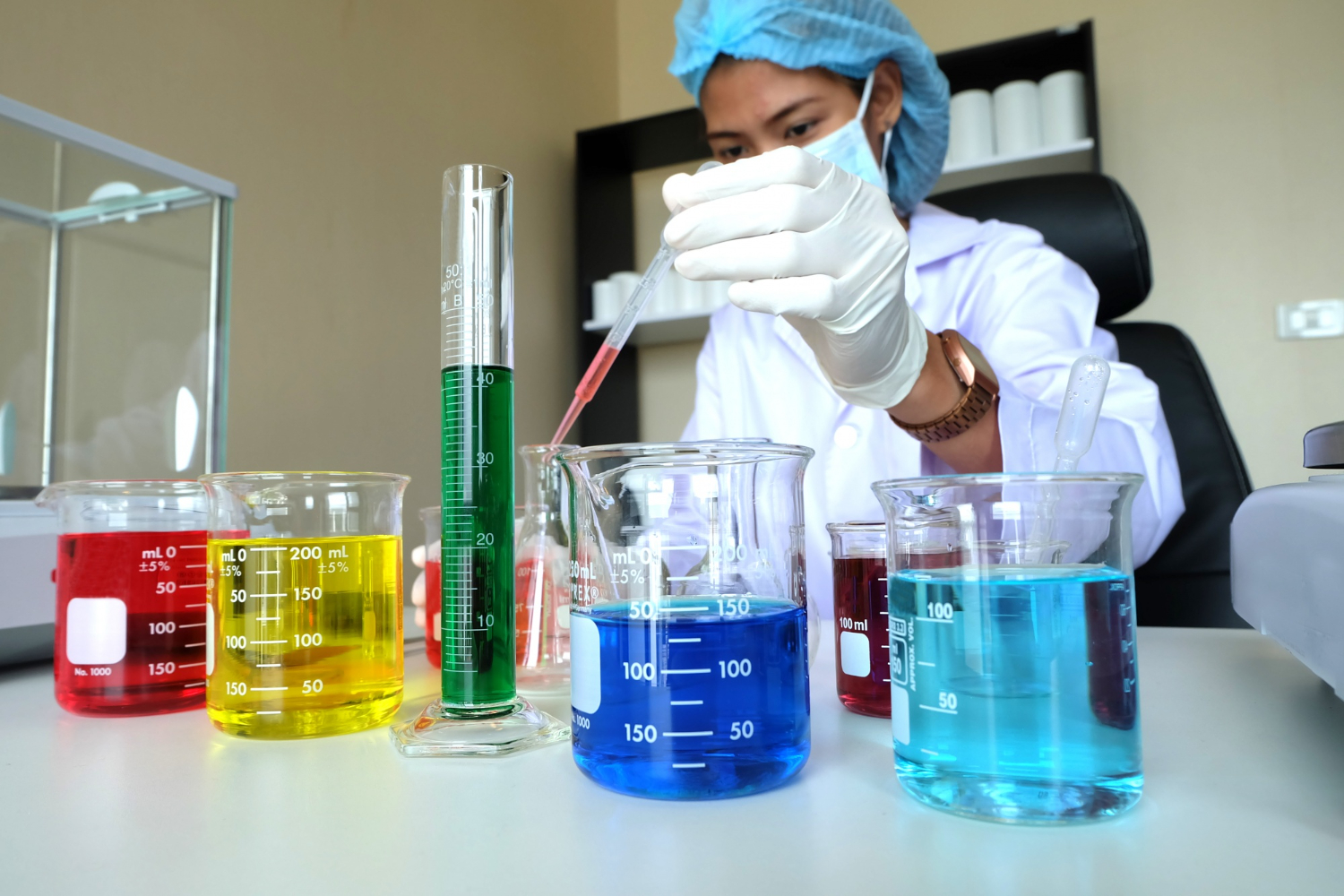
One of the most widely used laboratory methods for determining caustic soda concentration is acid–base titration.
In this process:
- A known amount of sodium hydroxide solution is measured.
- A standardized acid solution (often hydrochloric acid) is added gradually.
- A pH indicator is used to identify the reaction endpoint.
By measuring how much acid is required to neutralize the base, chemists can determine the exact concentration of sodium hydroxide in the sample.
Titration is a reliable and widely accepted method used in chemical laboratories to verify caustic soda purity.
Density Measurement
Density measurement is commonly used to test liquid caustic soda concentration.
The density of a sodium hydroxide solution increases as the concentration increases. By measuring density using a hydrometer or digital density meter, laboratories can estimate the concentration of NaOH in the solution.
This method is widely used in industrial plants because it is:
- Quick and efficient
- Non-destructive
- Suitable for continuous monitoring
However, density testing may need to be combined with other methods for more precise purity analysis.
Impurity Testing
In addition to concentration, testing for impurities is also important when evaluating caustic soda quality.
Common impurities include:
- Sodium carbonate formed through reaction with carbon dioxide
- Chlorides from raw materials or production processes
- Iron or heavy metals that may affect sensitive manufacturing processes
These impurities can influence the performance of sodium hydroxide in chemical reactions. Specialized laboratory equipment is often used to detect and measure these contaminants.
pH Testing
Caustic soda is a strong alkaline substance with a very high pH level. Measuring the pH of a sodium hydroxide solution can provide a quick indication of its alkalinity.
Although pH testing alone cannot determine precise concentration or purity, it can help verify whether the solution maintains the expected alkaline properties.
This method is commonly used as a basic quality control step during chemical processing.
Advanced Laboratory Analysis
For industries requiring very high chemical purity, additional laboratory techniques may be used to analyze sodium hydroxide quality.
These methods may include:
- Spectroscopic analysis for detecting trace impurities
- Chemical composition analysis using specialized instruments
- Third-party laboratory certification testing
Advanced testing provides detailed insight into the chemical composition of sodium hydroxide and ensures compliance with strict industrial standards.
Visual and Physical Inspection Methods
In addition to laboratory testing, basic physical inspections can also help identify potential quality issues.
Appearance and Color
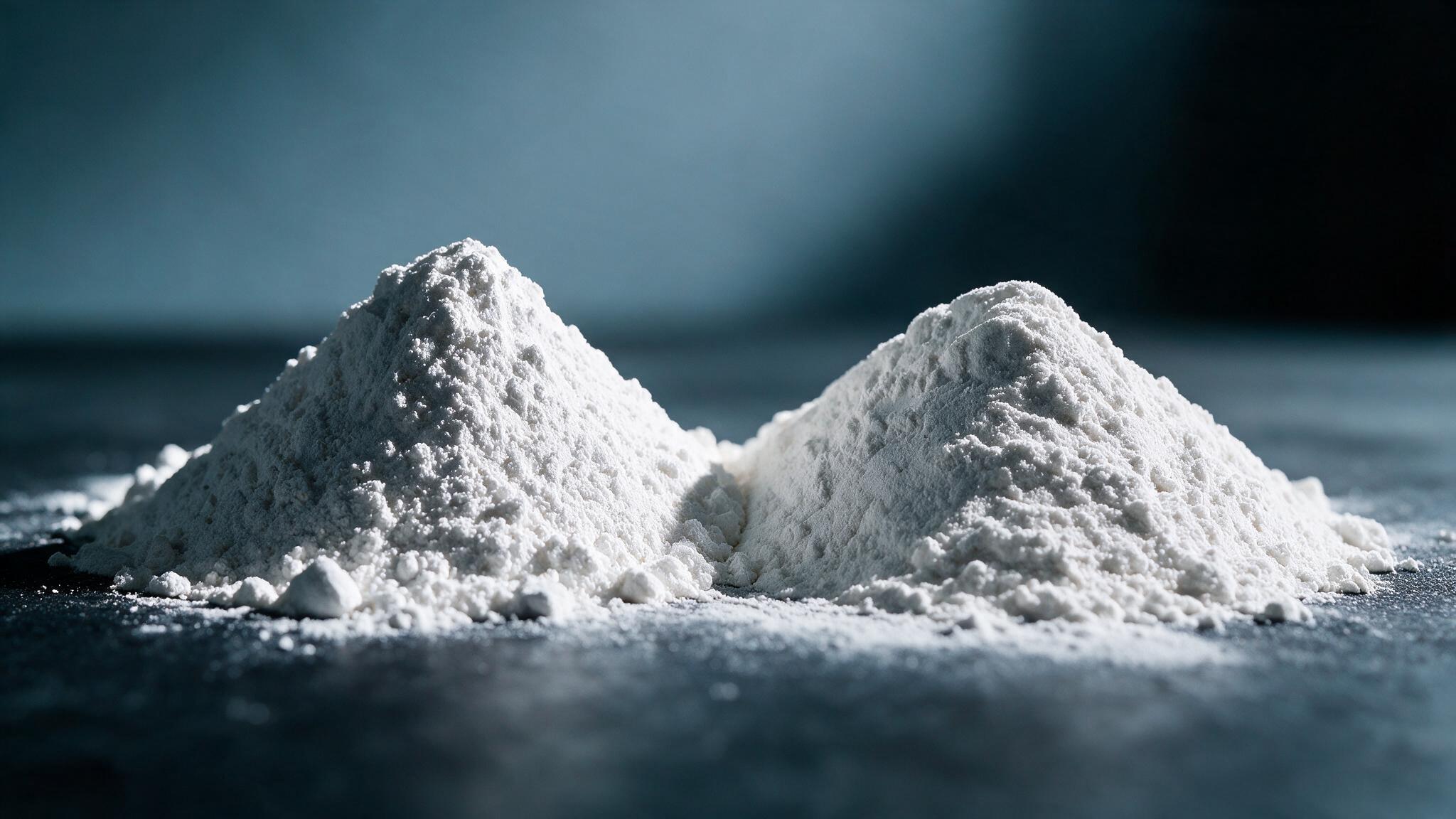
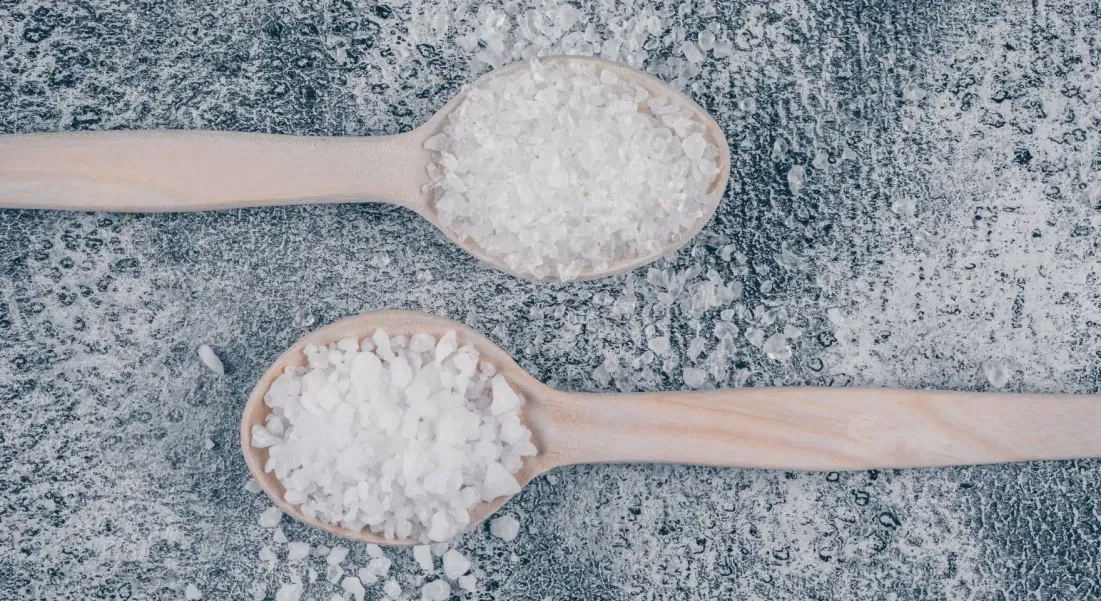
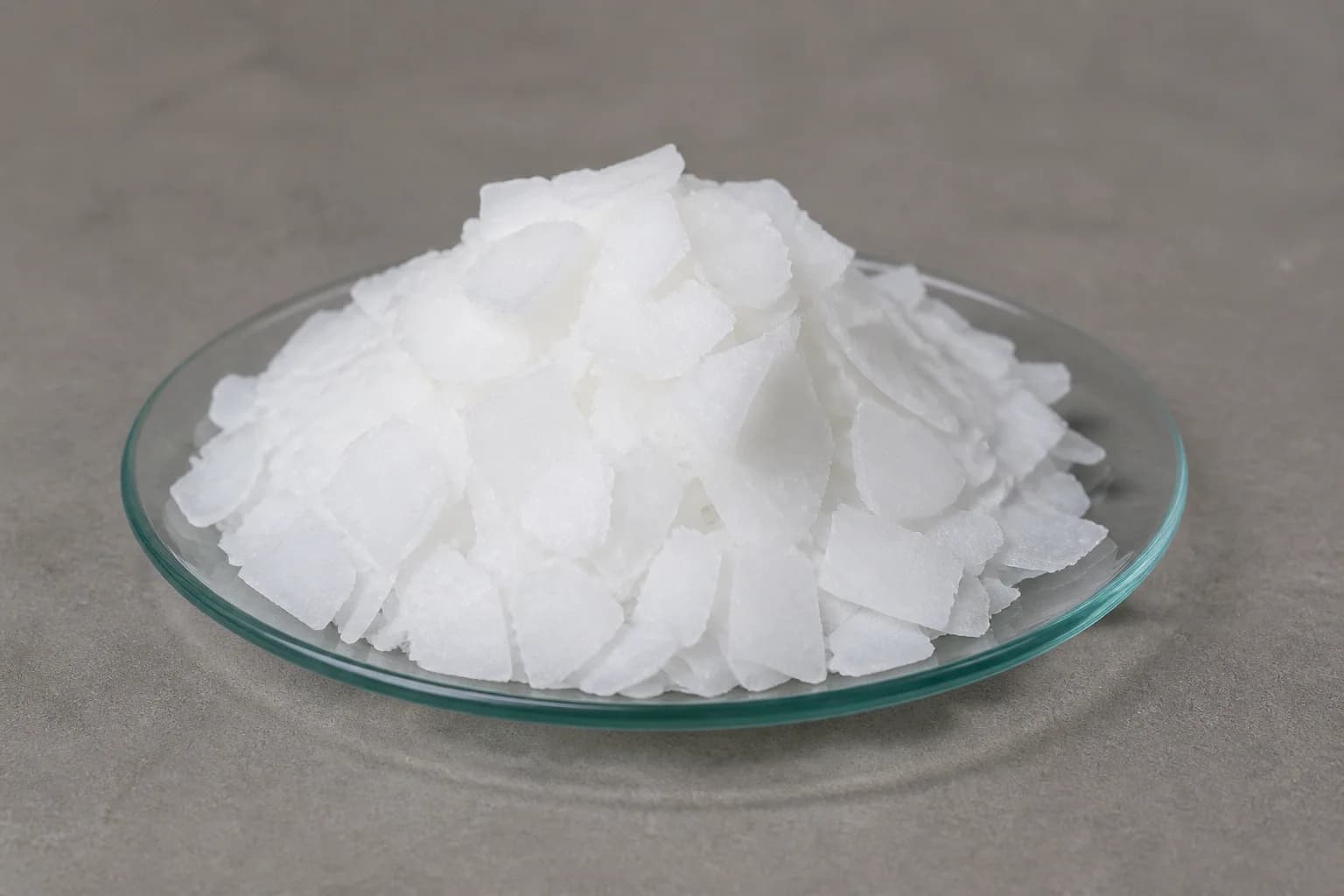
High-quality solid caustic soda flakes or pearls should appear white and uniform. Discoloration, uneven texture, or visible contamination may indicate impurities or improper storage.
Packaging and Storage Condition
Caustic soda is highly hygroscopic, meaning it absorbs moisture from the air. Damaged or poorly sealed packaging can expose the chemical to humidity, which may affect its quality.
Inspecting packaging integrity helps ensure the chemical has been stored and transported correctly.
How to Ensure High-Quality Caustic Soda When Purchasing
Beyond testing methods, businesses can take several steps to ensure they are sourcing reliable sodium hydroxide.
Request a Certificate of Analysis (COA)
A COA provides detailed information about the chemical composition, purity level, and impurity content of the product. Reviewing this document helps confirm that the supplier meets industry quality standards.
Work with Verified Chemical Suppliers
Choosing experienced and reputable chemical suppliers reduces the risk of receiving low-quality materials. Reliable suppliers maintain strict quality control processes during manufacturing and distribution.
Conduct Third-Party Laboratory Testing
For critical applications, businesses may choose to send samples to independent laboratories for verification. Third-party testing provides an additional layer of assurance regarding chemical quality.
How Elchemy Helps Businesses Ensure Caustic Soda Quality
Sourcing high-quality industrial chemicals can be complex, especially when businesses must evaluate multiple suppliers and verify compliance standards. Elchemy simplifies this process by connecting buyers with trusted chemical manufacturers and distributors worldwide.
Access to Verified Suppliers
Elchemy provides access to a network of verified caustic soda suppliers, ensuring that businesses can source reliable sodium hydroxide from trusted manufacturers.
Quality and Compliance Verification
Suppliers on the platform are evaluated based on quality standards, certifications, and regulatory compliance, helping buyers reduce sourcing risks.
Transparent Product Information
Businesses can review detailed product specifications, including purity levels and chemical documentation, before making procurement decisions.
By simplifying chemical sourcing and supplier verification, Elchemy helps companies secure consistent, high-quality caustic soda for their industrial needs.
Conclusion
Testing the quality of caustic soda is an essential step for industries that rely on sodium hydroxide in their manufacturing processes. Quality verification ensures that the chemical meets the required standards for purity, concentration, and safety.
Common testing methods such as acid–base titration, density measurement, impurity analysis, and pH testing help determine the quality and consistency of sodium hydroxide. In addition, visual inspections and proper documentation review can further support quality control efforts.
By combining reliable testing methods with trusted sourcing platforms like Elchemy, businesses can ensure a consistent supply of high-quality caustic soda while maintaining operational efficiency and regulatory compliance.
FAQs
Q1. How do you test the purity of caustic soda?
The most common method is acid–base titration, which measures the concentration of sodium hydroxide by neutralizing it with a standardized acid solution.
Q2. What is the typical purity of industrial caustic soda?
Solid caustic soda flakes or pearls usually have a purity of around 98–99% sodium hydroxide, while liquid forms typically contain 30–50% NaOH solution.
Q3. What impurities are commonly found in sodium hydroxide?
Common impurities include sodium carbonate, chlorides, and trace metals such as iron.
Q4. How is liquid caustic soda concentration measured?
Density measurement using hydrometers or digital density meters is commonly used to estimate sodium hydroxide concentration.
Q5. How can businesses ensure they are buying high-quality caustic soda?
Businesses should review the supplier’s Certificate of Analysis, verify certifications, conduct laboratory testing when necessary, and work with trusted sourcing platforms like Elchemy.