

At a Glance:
- Barium chloride purifies drinking water by removing harmful sulfate contamination
- Used in steel manufacturing, pigments, oil drilling, and textile production
- Highly toxic compound requiring strict safety protocols in industrial settings
- Market growing 4-5.5% annually reaching $1.87 billion by 2034
- Essential despite toxicity because no equally effective alternatives exist for key applications
Introduction: The Chemical You’ve Never Heard of But Rely On Daily
You’ve never purchased barium chloride. You probably can’t pronounce it correctly. Most people have no idea it exists. Yet this white crystalline compound affects your daily life in ways you’d never guess.
The water coming from your tap? Likely treated with barium chloride to remove sulfates. The steel in your car? Hardened using barium chloride-based heat treatment salts. Green fireworks lighting up the sky on holidays? That distinctive color comes from barium chloride. Textiles with vibrant, lasting colors? Barium chloride helped fix those dyes to the fabric.
This chemical operates entirely behind the scenes in industrial processes that make modern life possible. Understanding barium chloride uses helps explain how invisible industrial compounds enable the products, infrastructure, and services we take for granted.
But there’s a complication. Barium chloride is highly toxic. Ingesting even small amounts causes serious harm. Industrial workers handling it need strict safety protocols. This creates an interesting tension—a dangerous compound that’s essential for public health applications like water purification.
Understanding Barium Chloride Uses in Modern Industry
Barium chloride (BaCl₂) is an inorganic salt consisting of barium and chloride ions. It comes as a white, odorless crystalline powder that dissolves readily in water—up to 38% concentration at room temperature. This high solubility makes it valuable for industrial processes requiring aqueous solutions.
The compound is produced primarily from barite (barium sulfate) through a two-step industrial process. First, barite is heated with carbon to produce barium sulfide. Then barium sulfide reacts with calcium chloride to yield purified barium chloride. Alternative methods use barium carbonate with hydrochloric acid for smaller-scale production.
Global demand reached $820 million in 2024 and projects to hit $1.87 billion by 2034—a compound annual growth rate around 4-5.5%. This steady growth reflects expanding applications across multiple industries despite the compound’s toxicity concerns.
| Application Sector | % of Global Demand | Primary Function | Why Barium Chloride Specifically |
| Water Treatment | ~40% | Sulfate removal | Forms insoluble barium sulfate precipitate |
| Chemical Manufacturing | ~30% | Intermediate for barium compounds | Soluble, reactive, readily available |
| Caustic Chlorine Production | ~15% | Brine purification | Removes sulfates that would poison membranes |
| Metal Processing | ~10% | Heat treatment salts | High melting point, thermal stability |
| Other (textiles, oil/gas, laboratories) | ~5% | Various specialized uses | Cost-effective for specific applications |
Water We Drink: Barium Chloride in Water Treatment
This application directly affects public health globally. Groundwater in many regions contains elevated sulfate levels—sometimes exceeding 250 mg/L, the WHO guideline limit. High sulfate water causes diarrhea and tastes unpleasant. Long-term consumption can lead to dehydration and mineral imbalances.
Municipalities and industrial facilities use barium chloride to precipitate sulfates from water. The process is straightforward:
Chemical reaction: BaCl₂ + SO₄²⁻ → BaSO₄↓ + 2Cl⁻
When barium chloride solution contacts water containing dissolved sulfates, an immediate chemical reaction produces barium sulfate—an insoluble white precipitate. This solid settles out or gets filtered, removing sulfates from the water. The chloride ions remain dissolved but pose no health concern at the concentrations involved.
The precipitated barium sulfate is extremely insoluble (only 0.0002 g/100mL at room temperature), meaning it won’t redissolve and release barium back into treated water. This makes the process safe despite using a toxic compound. The treated water contains no residual barium chloride—only harmless chloride ions and calcium/magnesium from the original water hardness.
Industrial wastewater treatment uses the same principle. Chemical plants, mining operations, and textile manufacturers must remove sulfates before discharge to comply with environmental regulations. Barium chloride enables compliance cost-effectively at large scale.
According to WHO, approximately 2 billion people lack access to safely managed drinking water. As infrastructure expands globally, barium chloride demand for water treatment grows proportionally. The compound remains essential until equally effective, less toxic alternatives emerge—which hasn’t happened yet despite decades of research.
Products We Use: Industrial Applications Affecting Daily Life
Beyond water treatment, barium chloride influences products and processes throughout manufacturing.
Steel, Pigments, and Manufacturing
Steel Case Hardening:
Heat treatment transforms steel properties. Case hardening creates a hard outer surface while maintaining a tough, flexible core—ideal for gears, shafts, and high-wear components. The process requires heating steel in molten salt baths at temperatures exceeding 900°C.
Barium chloride forms a key component of these heat treatment salts. Its high melting point (960°C) and thermal stability make it suitable for the extreme temperatures involved. Mixed with other chloride salts, it creates the bath chemistry needed for proper carbon diffusion into steel surfaces.
The gears in your car transmission, the crankshaft in your engine, and countless industrial machinery components received this treatment. Barium chloride participated in making them durable enough for their demanding applications.
Pigments and Paints:
Barium chloride serves as an intermediate in producing barium-based pigments. Lithol Red, Red Lake C, and various white pigments derive from barium compounds synthesized using barium chloride as the starting material.
These pigments appear in paints, plastics, ceramics, and coatings. Their specific properties—color stability, heat resistance, corrosion protection—make them valuable for applications where ordinary pigments fail. The paints protecting metal structures from corrosion often contain barium-based pigments that started as barium chloride in a chemical reactor.
Caustic Chlorine Plants:
Chlorine and sodium hydroxide (caustic soda) production depends on electrolysis of brine solution. But the brine must be extremely pure. Sulfate impurities poison the membrane cells used in modern chlor-alkali plants, reducing efficiency and damaging expensive equipment.
Barium chloride purifies the brine by precipitating sulfates before electrolysis. This prevents contamination and enables the continuous production of chlorine (for PVC, water treatment, bleach) and caustic soda (for soap, paper, aluminum, chemicals). These two products underpin dozens of downstream industries.
Oil & Gas, Textiles, and Specialty Applications
Oil and Gas Drilling:
Drilling fluids (muds) control pressure in wellbores and prevent blowouts. The fluid must have specific density to balance formation pressure. Barium chloride functions as a weighting agent, increasing mud density and improving wellbore stability.
It also helps prevent clay swelling—a problem where certain rock formations absorb water and expand, potentially jamming the drill bit. The barium ions interact with clay minerals, stabilizing them. This application supports the oil and gas extraction that fuels transportation and heating globally.
Textile Dyeing:
Barium chloride acts as a mordant—a substance that helps dyes bond permanently to fabric fibers. Without mordants, many dyes wash out after a few laundry cycles. The barium ions create chemical bridges between dye molecules and fiber molecules.
The result? Colorfast textiles that maintain vibrant colors through years of washing. Clothing, upholstery, curtains—if they’ve held their color well, mordants (potentially including barium chloride) likely played a role in the dyeing process.
Laboratory and Analytical Use:
Chemistry labs use barium chloride as a standard reagent for detecting sulfate ions. Add barium chloride solution to an unknown sample. If a white precipitate forms, sulfates are present. This simple, reliable test is taught in chemistry courses worldwide and used in water quality testing, soil analysis, and industrial quality control.
Fireworks and Pyrotechnics:
Barium compounds produce brilliant green flames. Barium chloride is one source for this effect. When heated, barium atoms absorb energy, then release it as green light at specific wavelengths. Firework manufacturers incorporate barium chloride into green stars and shells for the distinctive color displays people expect.
Is Barium Chloride Toxic? The Honest Safety Reality
Yes. Barium chloride is highly toxic. There’s no way to soften this fact. The compound poses serious health risks if mishandled.
How Toxicity Works:
The barium ion (Ba²⁺) is a muscle poison. It interferes with potassium channels in muscle cells, causing abnormal muscle stimulation followed by paralysis. The mechanism affects all muscle tissue—skeletal muscle (arms, legs), smooth muscle (digestive tract, blood vessels), and cardiac muscle (heart).
Acute Poisoning Symptoms:
- Initial (within hours): Severe gastrointestinal distress—nausea, vomiting, abdominal pain, watery or bloody diarrhea
- Muscular: Tingling or numbness in extremities, muscle weakness, tremors, spasms
- Cardiovascular: Slow or irregular pulse, heart arrhythmias, blood pressure changes
- Severe cases: Paralysis of respiratory muscles, cardiac arrest, death
The lethal dose (LD50) in rats is 118 mg/kg body weight. For a 70 kg human, that suggests roughly 8 grams could be fatal—though individual sensitivity varies widely. Children and people with existing heart or kidney conditions face higher risk.
Chronic Exposure Effects:
Repeated low-level exposure causes different problems:
- Dermatitis from skin contact
- Baritosis (benign lung condition from inhaling barium dust)
- Potential liver and kidney damage with prolonged exposure
- Weight loss and blood abnormalities in animal studies
Why It’s Still Used:
If barium chloride is so dangerous, why use it? Two reasons: effectiveness and lack of alternatives.
For water treatment, barium chloride precipitates sulfates more completely and cost-effectively than alternatives. Aluminum or iron salts can remove some sulfates but don’t work as well at high concentrations. The superior performance justifies the handling risks when proper safety protocols exist.
For steel heat treatment, the specific properties needed (high melting point, thermal stability, proper chemistry) limit options. Substitutes don’t provide equivalent results.
The risk-benefit calculation for industrial use favors continued use with strict safety controls. Workers can be protected through engineering controls and PPE. The public benefits from clean water and reliable products. Banning barium chloride would create worse problems than it solves.
Safety Precautions for Barium Chloride in Industrial Settings
Recognizing toxicity leads to implementing rigorous safety measures. Industrial facilities using barium chloride follow comprehensive protocols designed to eliminate worker exposure and environmental contamination.
Protective Equipment and Handling Protocols
Personal Protective Equipment (PPE) Requirements:
- Respiratory protection: NIOSH-approved dust/mist respirator for concentrations up to 5 mg/m³; supplied-air respirator or SCBA for higher exposures or unknown atmospheres
- Eye protection: Chemical safety goggles or face shield; standard safety glasses inadequate
- Skin protection: Butyl rubber gloves (other materials may allow permeation); protective clothing, apron, sleeves; lab coat or coveralls; chemical-resistant boots
- General: No eating, drinking, or smoking in work areas; wash hands thoroughly after handling even with gloves
Exposure Limits:
- NIOSH REL (Recommended Exposure Limit): 0.5 mg/m³ TWA (time-weighted average)
- OSHA PEL (Permissible Exposure Limit): 0.5 mg/m³ TWA
- International standards (EU, Australia, Canada): generally 0.5 mg/m³
These limits apply to soluble barium compounds including barium chloride. Facilities must monitor air concentrations and implement controls to stay below these thresholds.
Engineering Controls:
- Local exhaust ventilation at points of use
- General dilution ventilation in work areas
- Enclosed handling systems where feasible
- Dust suppression measures (dampen materials before handling)
- Containment of processes to prevent airborne exposure
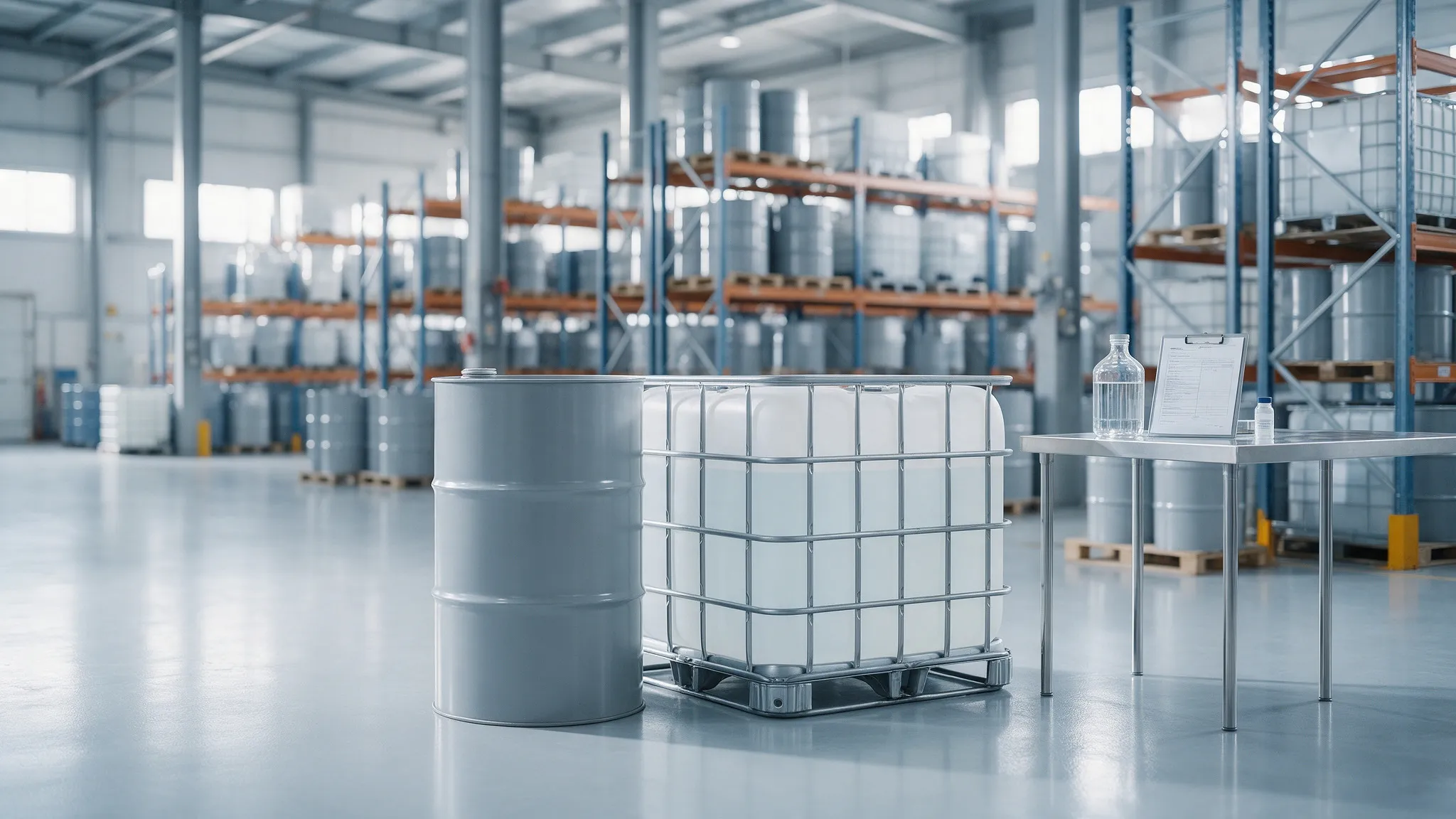
Storage Requirements:
- Cool, dry location
- Separate from incompatible materials (acids, oxidizers, moisture sources)
- Corrosion-resistant containers with proper hazard labeling
- Restricted access areas with appropriate warning signage
- Refrigeration recommended for certain formulations
Emergency Response and First Aid
Despite precautions, accidents happen. Proper emergency response minimizes harm.
Inhalation Exposure:
- Immediately move victim to fresh air
- Call for medical help (do not wait for symptoms)
- Give artificial respiration if breathing stops
- Provide oxygen if respiration is depressed
- Keep victim warm and at rest
- Monitor for respiratory distress and cardiac irregularities
Skin Contact:
- Remove contaminated clothing and shoes immediately
- Flush affected skin with copious amounts of soap and water for at least 15 minutes
- Seek medical attention even if no irritation is apparent
- Do not allow victim to reuse contaminated clothing until properly decontaminated
Eye Contact:
- Immediately flush eyes with water for at least 15 minutes
- Remove contact lenses if present and easy to remove
- Continue flushing
- Seek immediate medical attention
- Eye damage can occur rapidly with chemical exposure
Ingestion (Most Dangerous):
- Call poison control center and emergency medical services IMMEDIATELY
- Do not induce vomiting unless instructed by medical professionals
- If conscious, give 1-2 glasses of water to dilute
- If available, give 2 tablespoons of Epsom salts (magnesium sulfate)—this precipitates barium as insoluble barium sulfate, reducing absorption
- Transport to hospital immediately even without symptoms
- Be prepared with information about the amount ingested
Spill Response:
- Evacuate area and restrict access
- Ventilate thoroughly
- Response personnel must wear full PPE including respirators
- Dampen spilled material with water to prevent dust
- Collect using non-sparking tools into appropriate containers
- Use absorbent materials (vermiculite, sand, fuller’s earth)
- Do not flush large amounts directly into drains
- Wash contaminated area thoroughly after cleanup
- Dispose through licensed hazardous waste contractor
Disposal Considerations:
- Cannot be disposed in regular trash or poured down drains undiluted
- Aquatic toxicity requires preventing release to waterways
- Small laboratory quantities can be diluted heavily (1:100 or greater) with water and slowly poured down drain with continuous water flow
- Industrial quantities require licensed disposal as hazardous waste
- Some jurisdictions require specific treatment before disposal
- Check local regulations—requirements vary significantly
Conclusion
Barium chloride uses span critical applications from water purification to steel manufacturing, touching our daily lives through products and infrastructure we rarely think about. The compound’s effectiveness in removing sulfates, enabling steel hardening, and facilitating various chemical processes makes it industrially indispensable despite its significant toxicity.
Understanding both the benefits and risks creates informed perspective. Barium chloride isn’t evil—it’s a tool. Used properly with appropriate safety precautions for barium chloride, it improves public health through clean water and enables manufacturing processes that supply essential products. Used carelessly, it causes serious harm.
The industrial applications will continue expanding as global infrastructure develops and manufacturing scales up. Markets project 4-5% annual growth through 2034. This growth depends on maintaining strict safety standards that protect workers while delivering the benefits society needs.
For businesses sourcing industrial-grade barium chloride for water treatment, chemical manufacturing, or specialty applications, Elchemy connects you with certified suppliers providing high-purity barium chloride meeting international safety and quality standards. Whether sourcing for municipal water treatment facilities, steel processing operations, or chemical synthesis applications, explore sourcing options backed by comprehensive safety documentation, technical support, and regulatory compliance verification to ensure safe handling and optimal performance in your industrial processes.