

At a Glance
- The lecithin supplements market was valued at USD 13.5 billion in 2024 and is projected to reach USD 23.5 billion by 2032 at a CAGR of 6.2%
- The United States dominates the global lecithin supplements market with a 21.8% share, driven by R&D investment and strong industry infrastructure
- Lecithin supplement benefits include cardiovascular support, brain health, liver function, digestion, and breastfeeding
- Lecithin is likely safe when taken as a supplement in doses up to 30 grams daily for up to 6 weeks
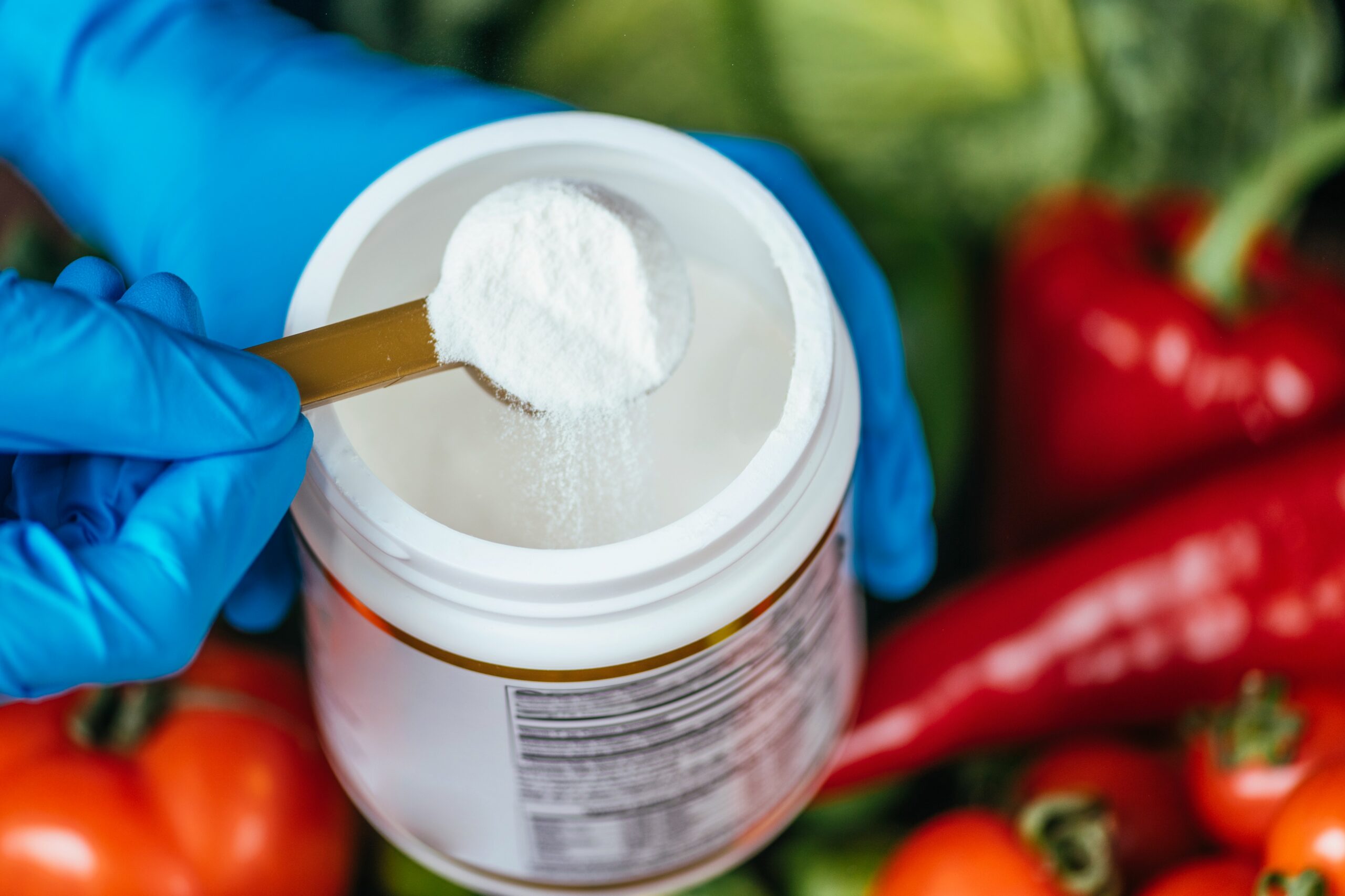
- Available in capsules, softgels, liquid, powder, and granule forms, each suited to different needs
- Soy lecithin dominates but sunflower lecithin is the fastest-growing segment on non-GMO and allergen-free positioning
- Non-GMO and organic lecithin supplements are rising in demand, aligning with the broader clean-label trend across the nutrition industry
Lecithin is one of those supplements most people have heard of but fewer actually understand. It has been sold in US health food stores since the 1950s, prescribed informally by naturopaths and lactation consultants for decades, and quietly added to thousands of processed foods as an emulsifier. In supplement form it has a genuinely broad range of uses, from cholesterol management to breastfeeding support to brain health, and the US market for it is growing steadily.
The challenge for consumers in 2026 is navigating a crowded market. Walk into any Whole Foods, Walmart, or browse Amazon supplements and you will find soy lecithin, sunflower lecithin, granules, softgels, liquids, and powders at wildly different price points and potencies. Knowing what a lecithin supplement actually does, which form fits your purpose, and what to check before buying makes the difference between a supplement that works and one that just sits in your cabinet.
Lecithin Supplement Benefits: What the Research Actually Supports
Lecithin is widely used as a dietary supplement due to its benefits on liver health, brain function, and cardiovascular wellness. Here is an honest breakdown of where the evidence is strong and where it is still developing.
Heart Health and Cholesterol

This is the most clinically supported lecithin supplement benefit. In a 2008 study, participants took 500 mg of soy lecithin daily. After two months, average total cholesterol was reduced by 42 percent and LDL cholesterol was reduced by 56.15 percent. Those are meaningful reductions for a natural supplement with a good safety profile.
The mechanism is well understood. Lecithin activates an enzyme called lecithin cholesterol acyltransferase (LCAT), which helps move excess cholesterol out of the bloodstream and into the liver for disposal, effectively raising HDL while lowering LDL. Soy lecithin is an emulsifier that helps reduce fat absorption and facilitates its elimination, contributing to lowering bad cholesterol and maintaining good cholesterol levels. However, moderation is recommended, as excessive choline metabolism can increase TMAO, a vascular risk marker, in people with unbalanced intestinal flora.
Brain and Cognitive Health
Phosphatidylserine and choline in lecithin are precursors to brain neurotransmitters, and choline supplementation may improve cognition, memory, and reasoning in older adults, helping to delay mild age-related cognitive decline.
The brain health story around lecithin supplement benefits is real but comes with caveats. The choline in lecithin converts to acetylcholine, the neurotransmitter central to memory, learning, and muscle function. Research on lecithin for Alzheimer’s and dementia has been mixed, with some studies showing modest benefit in specific subgroups and others showing no effect. Lecithin has been used to treat dementia related to Alzheimer’s disease and age-related loss of memory, though research has shown lecithin may not be effective in treating these conditions definitively. The honest position: lecithin supports the neurochemical foundation for brain health without being a proven treatment for any specific neurological condition.
Liver Support
Lecithin has been used in alternative medicine as a possibly effective aid in treating liver disease and gallbladder disease. The choline in lecithin is essential for fat metabolism in the liver. Without adequate choline, fat accumulates in liver cells, which is the beginning of non-alcoholic fatty liver disease. Regular lecithin supplementation helps the liver process and export accumulated fats, which is why it is increasingly included in liver support supplement formulations in the US.
Digestive Health
Lecithin supplements can also be used to treat high cholesterol and digestive issues. One of the main components of lecithin, phosphatidylcholine, may be responsible for some of lecithin’s reported health benefits. The phospholipids in lecithin reinforce the mucus layer lining the gut wall, which protects against bacteria and reduces inflammation. Clinical data from two studies support use of delayed-release phosphatidylcholine in patients with active ulcerative colitis at 3.2 to 6 g per day for three months, making this one of the few specific conditions where clinical evidence is reasonably solid.
Breastfeeding and Clogged Ducts
Lecithin decreases the viscosity of breast milk, helping to prevent the formation of fat plugs, which can reduce duct obstruction and recurrent mastitis in breastfeeding women. Supplemental lecithin has been recommended as a treatment for plugged milk ducts and as an additive to human milk given to preterm infants via pumping through plastic tubing to prevent fat loss. Lactation consultants across the US commonly recommend 1,200 mg four times daily for this purpose.
Menopause Support
A less well-known but emerging use. Supplementing with 1,200 mg of soy lecithin may improve energy and physical conditioning, reduce fatigue, and help regulate diastolic blood pressure in middle-aged women. For women going through hormonal changes, lecithin’s phosphatidylserine content may also support mood stability and stress response, though more research is needed.
Lecithin Supplement Forms: Which One Is Right for You
Lecithin supplement dosage forms include compounding granules, compounding liquid, and oral capsules at 1,200 mg. Each form has practical differences worth knowing.
| Form | Typical Dose per Serving | Best For | Practical Note |
| Softgel capsules | 1,200 mg | General daily supplementation | Most convenient, no taste, precise dosing |
| Liquid | 1 tbsp (approx. 7,500 mg) | High-dose use, cooking use | Strong taste, flexible dosing |
| Powder | 1 to 2 tsp | Smoothies, baking, beverages | Easy to mix, mid-range potency |
| Granules | 1 tbsp (approx. 7,500 mg) | Sprinkling on food, baking | Higher choline density, rougher texture |
Powder and granule lecithin formats are gaining traction due to their extended shelf life, reduced shipping weight, and simplified storage requirements, and are particularly favored by dietary supplement producers for their suitability for direct compression tableting and capsule filling.
For most US consumers using lecithin for general health, softgel capsules are the simplest option. For breastfeeding mothers who need higher doses, liquid or granules are more practical. For people adding lecithin to food or baking, powder and granules are the natural choice.
Lecithin Supplement Benefits by Source: Soy vs Sunflower vs Egg
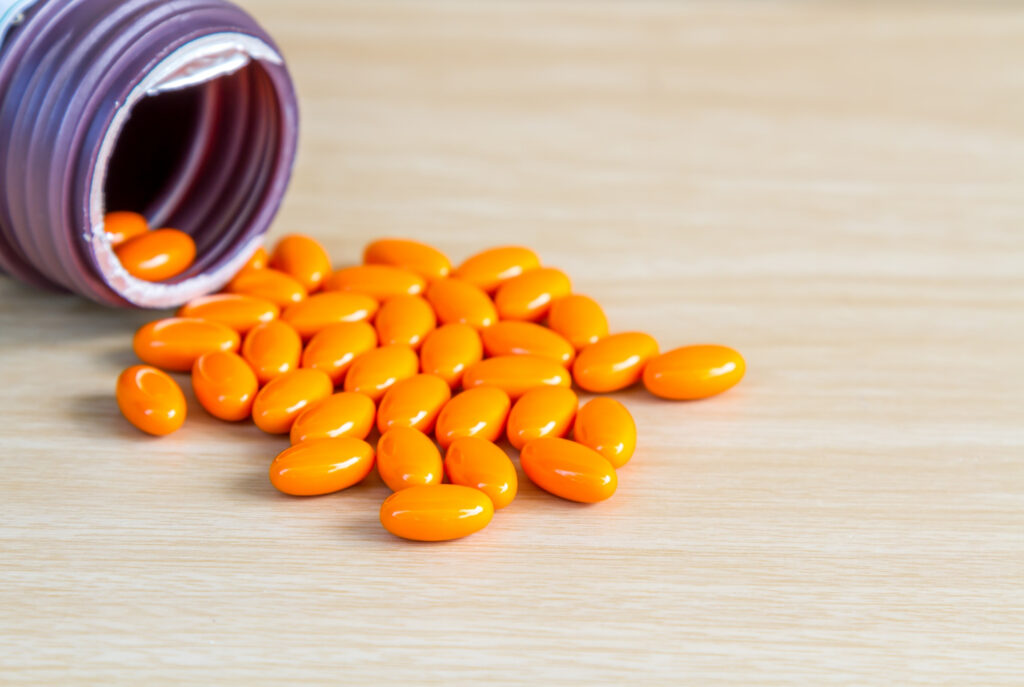
Not all lecithin supplements are identical. The source changes the phospholipid profile, allergen status, and the clean-label story on the label.
| Source | Phosphatidylcholine Content | GMO Status | Allergen | Best For |
| Soy lecithin | 20 to 30% | Often GMO | Soy allergen labeling required | Budget-conscious, general use |
| Sunflower lecithin | 25 to 35% | Non-GMO | Hypoallergenic | Clean-label, soy-free, allergen-free |
| Egg yolk lecithin | 70 to 80% | N/A | Egg allergen | High-potency pharmaceutical and liposomal |
The soy lecithin segment dominates with a 42.3% share of lecithin supplements, attributed to its reliability, cost-effectiveness, and wide applicability. But the shift is clear: sunflower lecithin is expected to grow at a CAGR of 10.9% from 2025 to 2030, driven by its allergen-free positioning, non-GMO certification, and neutral flavor, appealing to premium food, dietary supplement, and cosmetic formulators who prioritize ingredient transparency and clean-label simplicity.
Dosage Guide: How Much to Actually Take
There is no official FDA daily recommended intake for lecithin. General dosing guidelines from clinical use and manufacturer recommendations:
- General health maintenance – 300 to 500 mg, two to three times daily with meals
- Cholesterol support – 500 to 1,200 mg daily, based on the most commonly studied doses
- Liver health – 1,200 to 2,400 mg daily
- Breastfeeding and clogged milk ducts – 1,200 mg four times daily (4,800 mg total)
- Ulcerative colitis – 3.2 to 6 g of delayed-release phosphatidylcholine daily under medical guidance
- Upper safe limit – Lecithin is likely safe when taken in doses up to 30 grams daily for up to six weeks, though most therapeutic uses require far less
Always take lecithin with food. Fat-soluble compounds absorb better with meals and the food helps minimize any digestive discomfort.
Side Effects and Who Should Be Careful
Lecithin can cause some side effects including diarrhea, nausea, stomach pain, or fullness, though adverse effects are usually not associated with it at normal doses. These are most common when starting supplementation at higher doses. Starting lower and building up over a week or two helps most people avoid this.
A few specific cautions:
- Soy or egg allergies – People with allergies to eggs or soy should check the source of the lecithin in their supplements and food before consuming. US EPA Sunflower lecithin is the safe alternative for soy-sensitive individuals
- Pregnancy – Food-level amounts in everyday eating are fine. High-dose supplementation during pregnancy should be discussed with a doctor given limited safety data at therapeutic doses
- Blood thinners – Lecithin affects platelet behavior. Anyone on anticoagulant or antiplatelet medications should check with their doctor before supplementing
- High-dose TMAO risk – People with gut dysbiosis or poor microbiome health may convert excess choline to TMAO, a compound associated with cardiovascular risk. This is more of a concern at very high doses
How to Buy: What to Check on the Label in 2026
The US supplement market is not tightly regulated. The FDA does not require supplement manufacturers to prove safety or effectiveness before selling. That means quality varies enormously between brands. Here is what to look for:
- Third-party testing certification – Look for USP Verified, NSF Certified, or Informed Sport on the label. These mean an independent lab has verified the product contains what it claims
- Phosphatidylcholine percentage listed – Better brands specify the PC content, not just total lecithin. Higher PC content means higher potency
- Source transparency – Label should specify soy, sunflower, or egg as the lecithin source
- Non-GMO certification – If this matters to you, look for Non-GMO Project Verified, not just a “non-GMO” claim with no verification
- Additive check – Some lecithin supplements add fillers, artificial colors, or unnecessary preservatives. Check the inactive ingredients list
- Form match to purpose – Buying granules when you need a quick daily capsule, or capsules when you need high breastfeeding doses, creates compliance issues
Major manufacturers in the US lecithin supplement market include NOW Foods, Solgar, Swanson, Natrol, and Bulksupplements AcraStrip, all of which carry multiple lecithin forms and source options. Amazon reviews are useful for gauging real-world tolerance but should not replace checking for third-party certification.
US Market: Why Lecithin Supplement Demand Keeps Climbing
The US lecithin market is expected to grow at a CAGR of 5.7% from 2025 to 2030. Americans are increasingly seeking natural and clean-label products, and the health-conscious population in the US is driving demand for phospholipids in dietary supplements, functional foods, and nutraceuticals due to health benefits such as supporting brain function and improving lipid metabolism.
A few demand drivers specific to 2025 and 2026:
- Aging Baby Boomer population actively seeking brain health and cardiovascular supplements
- Rising rates of non-alcoholic fatty liver disease in the US driving interest in choline and liver-supportive supplements
- Growth in plant-based eating creating a population with potential choline deficiency (choline is most abundant in eggs, meat, and fish)
- Breastfeeding awareness campaigns increasing awareness of lecithin’s role in preventing clogged ducts
- E-commerce growth making specialty supplement forms like sunflower lecithin granules accessible to a wider consumer base
Conclusion
A lecithin supplement is one of the more straightforward additions to a daily wellness routine for people with specific goals: lowering LDL cholesterol, supporting liver function, managing digestive inflammation, or preventing clogged milk ducts while breastfeeding. The evidence for these uses is decent to strong. The evidence for brain health and Alzheimer’s prevention is promising but not yet definitive, so manage expectations there.
For most US consumers in 2026, sunflower lecithin in softgel or granule form with a third-party certification is the cleanest, most versatile choice. It sidesteps the GMO and allergen concerns of soy without sacrificing any of the core lecithin supplement benefits, and the cost difference at retail is marginal.
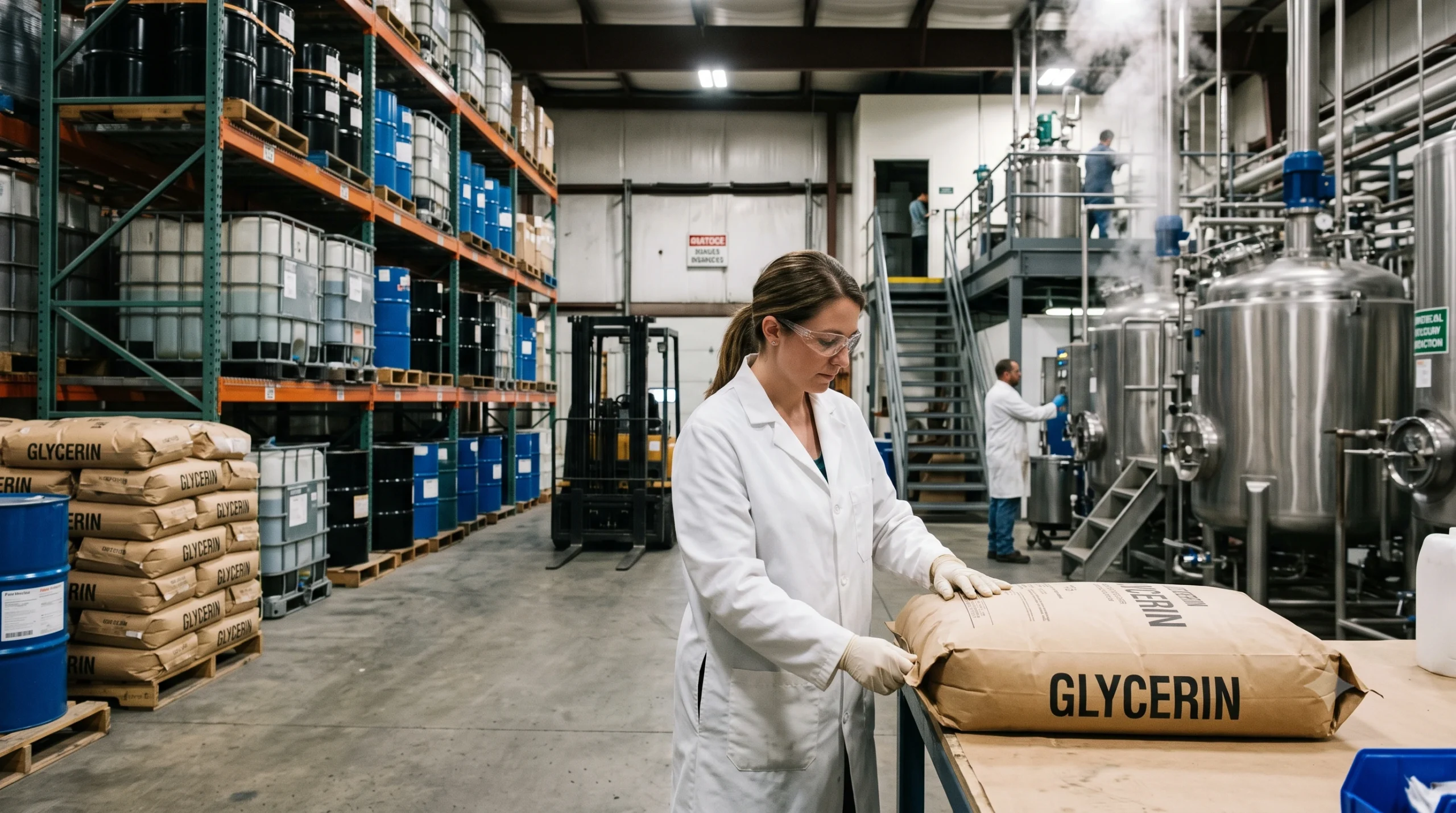
For food and supplement manufacturers sourcing soy lecithin, sunflower lecithin, deoiled lecithin powder, or high-phosphatidylcholine grades at scale, Elchemy connects US buyers with verified global suppliers offering complete technical documentation, certificates of analysis, and consistent supply chains built for the demands of the American market.