

At a Glance
- Ethylene glycol antifreeze is toxic to humans and animals, with the lethal dose being approximately 90 mL for a 140-pound person
- The sweet taste makes accidental poisoning particularly dangerous for children and pets
- In the environment, ethylene glycol breaks down within several days to a few weeks in water and soil
- Used antifreeze contains heavy metals like lead, making it hazardous waste requiring special disposal
- Recycling is the preferred disposal method, with filtration, distillation, and ion exchange technologies available
- Propylene glycol offers a less toxic alternative but performs slightly less efficiently
- Never dispose of antifreeze by pouring it down drains, on the ground, or into storm sewers
- Most states classify used antifreeze as hazardous waste with specific management requirements
Every winter, millions of vehicles rely on ethylene glycol antifreeze to keep their engines running smoothly in freezing temperatures. This colorless liquid has been the standard automotive coolant for nearly a century, protecting engines from both freezing and overheating. However, behind its essential functionality lies a complex story of environmental concerns, human and animal safety risks, and the need for responsible disposal practices.
Ethylene glycol is used as antifreeze in cooling and heating systems, in hydraulic brake fluids, as an industrial humectant, in the formulations of printers’ inks, and in the synthesis of synthetic fibers and waxes. Beyond automotive applications, this chemical compound serves multiple industrial purposes. Understanding its properties, risks, and proper handling becomes important not just for mechanics and industrial workers, but for anyone who changes their own vehicle fluids or works with cooling systems.
This comprehensive guide examines ethylene glycol antifreeze from multiple angles, including its environmental fate, toxicity concerns, safer alternatives, and the critical importance of proper disposal methods.
Understanding Ethylene Glycol Based Antifreeze
Ethylene glycol solutions first became available in 1926 and were marketed as “permanent antifreeze” since the higher boiling points provided advantages for summertime use as well as during cold weather. This innovation revolutionized engine cooling systems, replacing methanol-based coolants that required seasonal changes.
The chemical works through a simple principle. Because it is both a solvent and has a low freezing point it is widely used in antifreeze solutions, de-icers and as an engine coolant. When mixed with water at typical concentrations, ethylene glycol lowers the freezing point significantly while also raising the boiling point.
Temperature Protection Range:
| Ethylene Glycol Concentration | Freeze Protection | Boiling Point (15 psi system) |
| 30% | -12°F (-24°C) | 223°F (106°C) |
| 40% | -24°F (-31°C) | 235°F (113°C) |
| 50% | -34°F (-37°C) | 265°F (129°C) |
| 60% | -58°F (-50°C) | 270°F (132°C) |
Ethylene Glycol has been the default choice for industrial heat transfer applications where maximum performance is the primary design driver, with lower viscosity resulting in less pumping energy required to circulate the fluid. This efficiency advantage explains why ethylene glycol based antifreeze dominates the automotive market despite safety concerns.
Modern antifreeze formulations contain more than just ethylene glycol and water. Inhibited ethylene glycol antifreeze mixes are available, with additives that buffer the pH and preserve alkalinity of the solution to prevent oxidation of ethylene glycol and formation of organic acids, with nitrites, silicates, borates and azoles used to prevent corrosive attack on metal. These inhibitor packages protect engine components from corrosion and extend coolant life.
Chemical Properties and Performance

Ethylene glycol (chemical formula C2H6O2) is a diol, meaning it contains two hydroxyl (alcohol) groups attached to different carbon atoms. Ethylene glycol occurs as a clear, slightly viscous liquid that is completely miscible with water. This complete solubility in water makes it ideal for creating antifreeze mixtures at any desired concentration.
The physical properties of ethylene glycol give it distinct advantages for heat transfer applications. Its low viscosity compared to alternative glycols means coolant flows more easily through engine passages and radiators. This improved flow translates to better heat transfer efficiency and reduced strain on water pumps.
Ethylene glycol has desirable thermal properties, including a high boiling point, low freezing point, stability over a wide range of temperatures, and high specific heat and thermal conductivity. These characteristics make it highly effective for maintaining stable engine operating temperatures under varying conditions.
Toxicity and Health Risks
The effectiveness of ethylene glycol antifreeze comes with significant safety concerns. Ethylene glycol has a bitter, sweet taste and causes inebriation, with the toxic effects of ingesting ethylene glycol occurring because it is converted by the liver into 4 other chemicals that are much more toxic. This metabolic conversion creates the real danger.
The lethal dose of pure ethylene glycol is 1.4 ml/kg, with 3 US fluid ounces (90 ml) being lethal to a 140-pound person, but is much less lethal if treated within an hour. The sweet taste that makes ethylene glycol dangerous is particularly problematic because it doesn’t warn people or animals away from consumption.
The ready availability of antifreeze mixtures and the sweet taste make ethylene glycol intoxication a significant medical and veterinary problem, with antifreeze mixtures containing up to 95% ethylene glycol. Thousands of poisoning cases occur annually in the United States alone.
Stages of Ethylene Glycol Poisoning
Ethylene glycol toxicity is categorized into three broad overlapping stages of adverse health effects, with Stage 1 (the neurological stage) lasting from 30 minutes to 12 hours after ingestion, Stage 2 (the cardiopulmonary stage) occurring between 12 and 24 hours after ingestion, and Stage 3 (the renal stage) occurring between 24 and 72 hours after ingestion.
Stage 1 – Neurological Effects:
- Symptoms resembling alcohol intoxication
- Euphoria and disorientation
- Slurred speech and lack of coordination
- Nausea and vomiting
- Drowsiness or confusion
Stage 2 – Cardiopulmonary Effects:
- Rapid heart rate and breathing difficulties
- High blood pressure
- Metabolic acidosis (dangerous blood acid buildup)
- Potential heart failure
Stage 3 – Renal Effects:
- Kidney damage and potential kidney failure
- Formation of calcium oxalate crystals in urine
- Decreased urine output
- Back pain and flank pain
Risks to Pets and Wildlife
In the 1990s, ethylene glycol poisoning was said to be a concern with hundreds or thousands of pets dying each year from drinking or licking up spilled antifreeze around cars. Dogs and cats are particularly vulnerable due to their smaller body size and tendency to explore puddles and spills.
In 1991 Oregon passed a law requiring an agent to be placed in antifreeze and windshield wash to make it taste bad to prevent these poisonings, with many states passing similar laws over the next ten years. These bittering agents, typically denatonium benzoate, make antifreeze taste extremely bitter.
Occupational Exposure
People who work in industries that use ethylene glycol may be exposed by touching products such as solvents, antifreeze, and feedstocks that contain this substance, with workers also exposed to low levels from ethylene glycol-containing products such as airplane de-icing solutions that have been sprayed into the air.
Breathing ethylene glycol vapors may irritate eyes and lungs but is unlikely to cause systemic toxicity, with ethylene glycol not absorbing well through the skin so systemic toxicity is unlikely. The primary occupational risk remains accidental ingestion rather than inhalation or dermal exposure.
Environmental Impact and Degradation

Understanding how ethylene glycol behaves in the environment helps explain why proper disposal matters so much. Ethylene glycol may be discharged into wastewater from its production and use, and may also enter the environment from its uses in deicing airplane runways and from spills and improper disposal of used antifreeze.
The primary source of ethylene glycol in the environment is from run-off at airports where it is used in de-icing agents for runways and airplanes, with ethylene glycol also entering the environment through the disposal of products that contain it. Airport deicing operations can release thousands of gallons during winter weather events.
Biodegradation and Persistence
Ethylene glycol in air will break down in about 10 days, while ethylene glycol in water and soil will breakdown within several days to a few weeks. This relatively rapid biodegradation is one of ethylene glycol’s environmental advantages.
Ethylene glycol undergoes rapid biodegradation in aerobic and anaerobic environments with approximately 100% removal within 24 hours to 28 days, and in air, ethylene glycol reacts with photo-chemically produced hydroxyl radicals with a resulting atmospheric half-life of 2 days. Microorganisms in soil and water efficiently break down ethylene glycol into less harmful compounds.
The data collectively show that ethylene glycol is not persistent in air, surface water, soil, or groundwater, is practically non-toxic to aquatic organisms, and does not bioaccumulate in aquatic organisms. Pure ethylene glycol poses relatively low environmental risk compared to many industrial chemicals.
The Used Antifreeze Problem
The environmental concerns shift dramatically when we consider used antifreeze rather than pure ethylene glycol. Used antifreeze contains heavy metals such as lead, cadmium, chromium, and copper from engine components, corrosion, or wear, with these contaminants making used antifreeze hazardous and requiring careful handling, recycling, or disposal to prevent environmental contamination.
When antifreeze is improperly discarded, such as being dumped down a drain or into the soil, it can contaminate water sources and pose a significant risk to wildlife, with even small amounts of antifreeze in water supplies harming ecosystems by reducing oxygen levels and poisoning animals that rely on that water.
Aquatic Toxicity
Acute toxicity values (LC50s and EC50s) were generally greater than 10,000 mg/l for fish and aquatic invertebrates. This means ethylene glycol itself shows relatively low acute toxicity to aquatic life at concentrations typically encountered in the environment.
However, contamination concerns remain for several reasons. The metabolic products of ethylene glycol breakdown can reduce dissolved oxygen in water bodies. Additionally, the heavy metals in used antifreeze pose much greater aquatic toxicity risks than the ethylene glycol component.
Proper Disposal and Recycling Practices
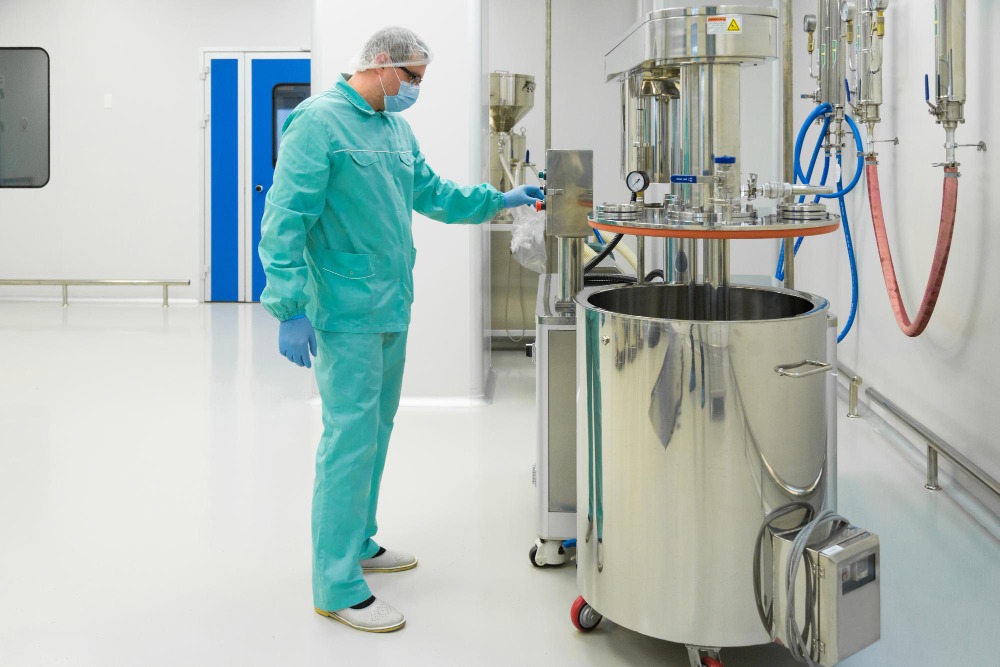
Because of its toxicity and contaminants, antifreeze must be managed and disposed of as a hazardous material, subject to regulation under the Resource Conservation and Recovery Act (RCRA). Federal and state regulations govern how used antifreeze must be handled.
Disposing of antifreeze improperly can lead to legal issues, with both federal and local regulations dictating how hazardous materials like antifreeze must be handled, with fines and other penalties applying if these regulations aren’t followed.
Why Recycling Matters
Spent antifreeze is regulated as a dangerous waste because it may contain ethylene glycol, lead, and other hazardous contaminants, but businesses that deal with antifreeze can learn to recycle spent antifreeze, which avoids the need to count it as dangerous waste.
Antifreeze can be recycled, but only if it’s not contaminated with oil, fuel, or other fluids, with clean used coolant being collected, filtered, and chemically treated so it can be reused or reprocessed. Contamination with other automotive fluids ruins the potential for recycling.
Recycling Methods:
Recycling methods include filtration, distillation and ion exchange, with distillation and ion exchange restoring the antifreeze to a high level of purity, while simple filtration processes are not designed to remove dissolved contaminants but use of very fine filters followed by the addition of chemicals to refortify the antifreeze can result in a product that meets ASTM standards.
Generators may purchase an antifreeze distillation or filtration unit and recycle their own antifreeze on-site, hire a contractor to come in with a mobile recycling unit, or ship the antifreeze to a recycling facility. Multiple options exist for different facility sizes and needs.
Storage and Collection
It’s important to keep spent and usable antifreeze separate from each other, other liquids and chemicals, and to prevent contamination, with antifreeze stored using proper containment to prevent releases using suitable containers in good condition with lids in place at all times.
Best Management Practices for Storage:
- Use dedicated metal or plastic barrels or jugs in good condition
- Label all containers clearly with “Waste Antifreeze” or “Antifreeze for Recycling”
- Store spent and usable antifreeze separately
- Never mix with used oil, fuels, degreasers, or other chemicals
- Keep containers closed except when adding or removing waste
- Store in secure areas protected from weather
- Inspect containers regularly for leaks or damage
- Maintain spill control equipment nearby
Always label the container with the date and type of antifreeze, which helps disposal facilities properly manage the recycling or disposal process, making sure the container is in good condition and shows no signs of leaks or cracks before transporting.
Conclusion
Ethylene glycol antifreeze remains the dominant cooling system fluid due to its superior thermal performance and cost-effectiveness. However, its toxicity to humans and animals demands respect and proper handling throughout its lifecycle. The environmental impact of pure ethylene glycol is relatively modest due to rapid biodegradation, but used antifreeze containing heavy metals requires careful management as hazardous waste.
As the industry develops new formulations and recycling technologies, the environmental footprint of antifreeze continues improving. Nevertheless, the responsibility for safe handling and disposal ultimately rests with everyone who uses these essential but potentially hazardous chemicals.