Products
Our Technology
Sustainability & Compliance

Home/Products/Ethylene Glycol Monostearate (EGMS)

Ethylene Glycol Monostearate (EGMS)

Ethylene Glycol Monostearate (EGMS)

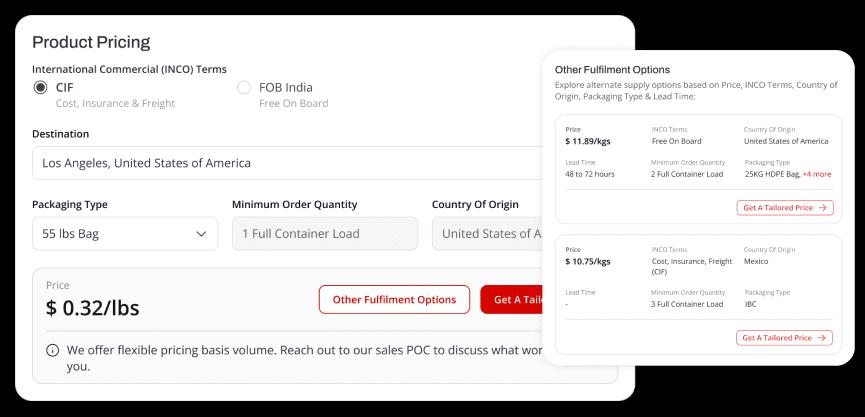
Get Pricing for This Product

Need pricing? Request a quote for this product and we'll get back to you shortly.

Speed Up Your Sample Testing Process

Express Delivery in 24–48 Hours

Ethylene Glycol Monostearate is a versatile ester of stearic acid and ethylene glycol, valued for its opacifying, emulsifying, and texture-enhancing capabilities, widely utilized in personal care,

CAS Number

111-60-4

HS Code

3824.99.92

INCI Name

-

Molecular Formula

C20H40O3

Home/Products/Ethylene Glycol Monostearate (EGMS)

Ethylene Glycol Monostearate (EGMS)

Ethylene Glycol Monostearate is a versatile ester of stearic acid and ethylene glycol, valued for its opacifying, emulsifying, and texture-enhancing capabilities, widely utilized in personal care, household, and industrial formulations due to its stability, pearlescent effects,

CAS Number

111-60-4

INCI Name

-

HS Code

3824.99.92

Molecular Formula

C20H40O3

Get Pricing for This Product

Need pricing? Request a quote for this product and we'll get back to you shortly.

Speed Up Your Sample Testing Process

We deliver domestic samples within 24 - 48 hours, helping you evaluate products and move to procurement without delays.

Ethylene Glycol Monostearate (EGMS)

About Ethylene Glycol Monostearate (EGMS)

About Ethylene Glycol Monostearate (EGMS)

FAQs - Ethylene Glycol Monostearate (EGMS)

How does EGMS create pearlescence in formulations?
EGMS forms crystalline structures that scatter light, creating a pearlescent effect. The size and distribution of these crystals determine whether the final appearance is a subtle, silky sheen or a more pronounced, nacre-like effect.
What is the difference between EGMS and other glycol stearates?
EGMS (ethylene glycol monostearate) primarily contains monostearate with trace amounts of distearate. In contrast, glycol distearate (EGDS) has a higher distearate content, which leads to different crystallization patterns and, consequently, different aesthetic outcomes.
Is EGMS compatible with sulfate-free surfactant systems?
Yes, EGMS can be used in sulfate-free formulations when combined with suitable solubilizers and by following proper processing techniques. Adjustments to heating and cooling cycles may be necessary for optimal incorporation.
How stable is EGMS in acidic formulations?
EGMS remains stable in mildly acidic conditions (pH >4.5). However, in highly acidic environments or at elevated temperatures over extended periods, it may hydrolyze, which can affect its performance and appearance.
What processing considerations are important when using EGMS?
EGMS should be heated above its melting point (typically between 65–75°C) for incorporation. Controlled cooling at about 1–2°C/min is recommended to form the desired crystal structure, ensuring both the desired visual pearlescence and appropriate rheological properties.

Related Products

Propylene Glycol Laurate

Propylene Glycol Laurate

Ester of propylene glycol and lauric acid, used as an emulsifier and moisturizer in skin care products.

View Details
Guar Hydroxypropyltrimonium Chloride

Guar Hydroxypropyltrimonium Chloride

Cationic derivative of guar gum used as a conditioning agent in hair care products.

View Details
Dimethicone

Dimethicone

A silicone compound used as a skin protectant and conditioning agent.

View Details
Polyquaternium-6

Polyquaternium-6

A polymer used as a conditioning agent in hair care and skin care products.

View Details
Mega White DT

Mega White DT

Mega White DT is a high-performance whitening agent used in various industries, including personal care, home care, and industrial cleaning. It is known for its excellent whitening and brightening properties, making it a preferred choice in formulations requiring enhanced visual appeal.

View Details

Related Products

Propylene Glycol Laurate

Propylene Glycol Laurate

Ester of propylene glycol and lauric acid, used as an emulsifier and moisturizer in skin care products.

View Details
Guar Hydroxypropyltrimonium Chloride

Guar Hydroxypropyltrimonium Chloride

Cationic derivative of guar gum used as a conditioning agent in hair care products.

View Details
Dimethicone

Dimethicone

A silicone compound used as a skin protectant and conditioning agent.

View Details
Polyquaternium-6

Polyquaternium-6

A polymer used as a conditioning agent in hair care and skin care products.

View Details

Streamline
your chemical
procurement

Get fast responses from real experts

Phone