

At a Glance
- Native corn starch is unmodified, cost-efficient, and suited to low-shear, single-pass process lines.
- Modified corn starch is chemically or physically treated to improve heat, acid, and shear stability.
- Cost-per-kg is typically lower for native grades. Modified grades carry a processing premium of roughly 15 to 40%.
- Freeze-thaw and high-shear applications generally need a modified grade to avoid viscosity breakdown.
- COA verification (pH, viscosity, ash content, moisture) is non-negotiable before purchase order issuance, for both grade types.
- Neither grade is universally “better.” The right buy depends on your process conditions, not on unit price alone.
What you’ll learn: how native and modified corn starch differ on structure, cost, and performance, and how to order the right grade for your process line.
Introduction
A viscosity breakdown mid-batch is an expensive way to learn your starch grade didn’t match your process. Formulators who order native corn starch for a high-shear, continuous line often find out only after a rejected batch.
The failure shows up as thinning under mechanical stress, syneresis after a freeze-thaw cycle, or a gel that won’t set at low pH. The reverse mistake is quieter but just as costly. Over-specifying an expensive modified grade for a simple, low-shear application inflates your per-unit cost across every purchase order for the rest of the contract year.
Corn starch vs modified corn starch comes down to one variable: whether the starch granule has been altered to hold up under conditions native starch can’t handle. Native starch is used exactly as extracted from the corn kernel, molecular formula (C₆H₁₀O₅)ₙ intact. Modified starch has been treated, chemically, physically, or enzymatically, to engineer a functional property the native form lacks.
This guide breaks down both grades, the cost gap between them, and a decision framework for buying the right one. For teams ready to compare specs directly, our corn starch supplier (native & modified grades) page carries both, with COAs available on request.
Request a Sample to validate a grade against your own process before placing a bulk order.
Corn Starch vs Modified Corn Starch: The Core Difference
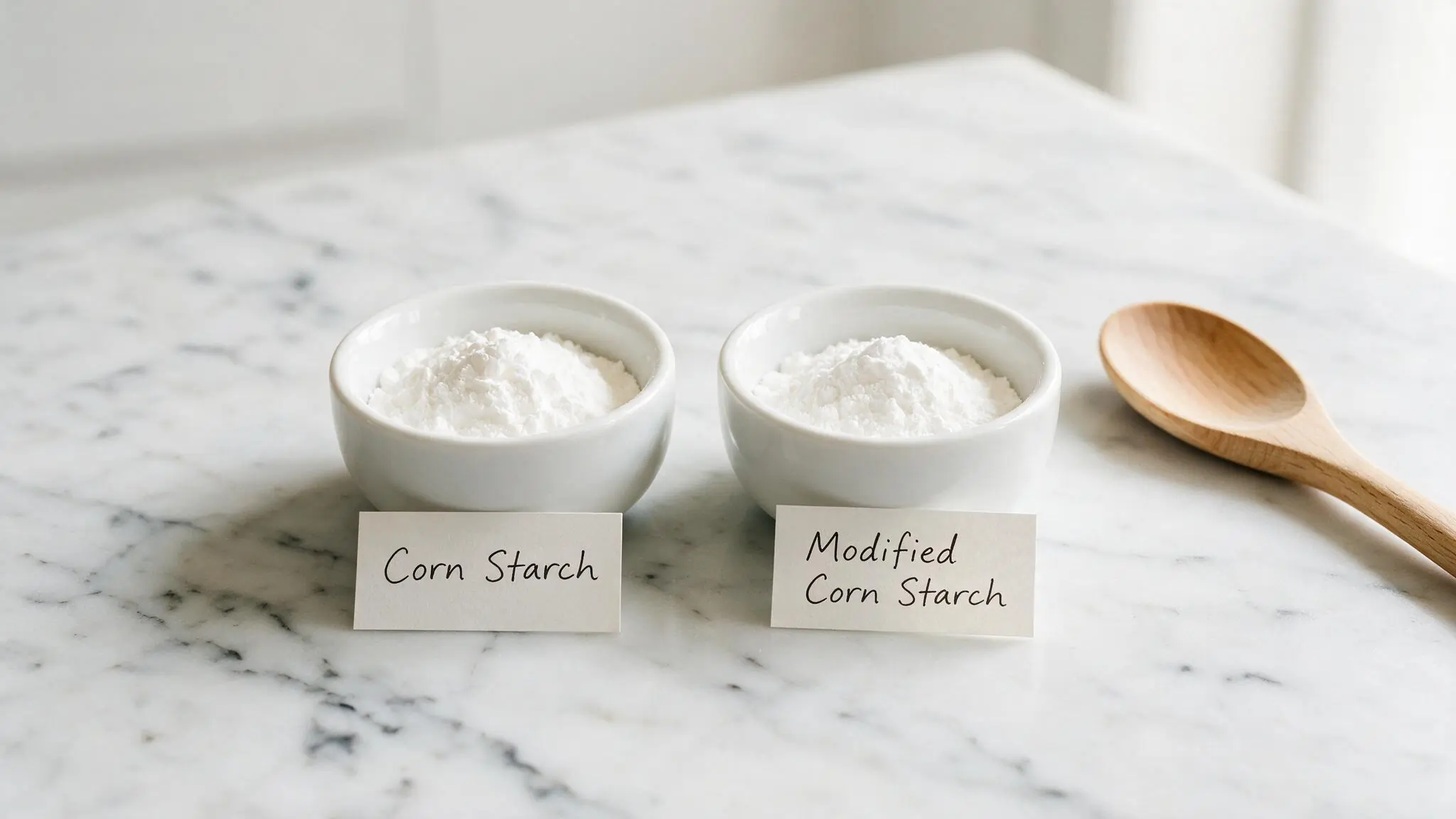
The short answer: native corn starch is the raw, as-extracted form; modified corn starch has been engineered for a specific stability gap. Everything else in this guide, cost, application fit, purchasing decision, follows from that one distinction.
Native starch is the lower-cost, lower-tolerance option. Modified starch is the higher-cost, higher-tolerance option. Neither is a universal upgrade over the other, and buying the wrong one for your process is the single most common sourcing mistake we see on repeat orders.
What is Native Corn Starch?
Native corn starch is corn starch in its as-extracted state, with no chemical, physical, or enzymatic treatment applied. It’s the baseline reference point every modified grade is measured against.
There’s no added processing step, so native starch carries the lowest cost-per-kg of any corn starch grade. Pricing still varies by crop year, regional supply, and order volume, so treat any figure as directional rather than a locked quote.
Its gelatinization behavior is standard and predictable. The granule swells and thickens at a defined temperature range, then breaks down under sustained heat, shear, or acidic conditions.
That breakdown point is the ceiling. Native starch performs reliably in low-shear, single-pass systems: batch cooking, simple binding applications, and standard paper sizing, where the process never pushes past its structural limits.
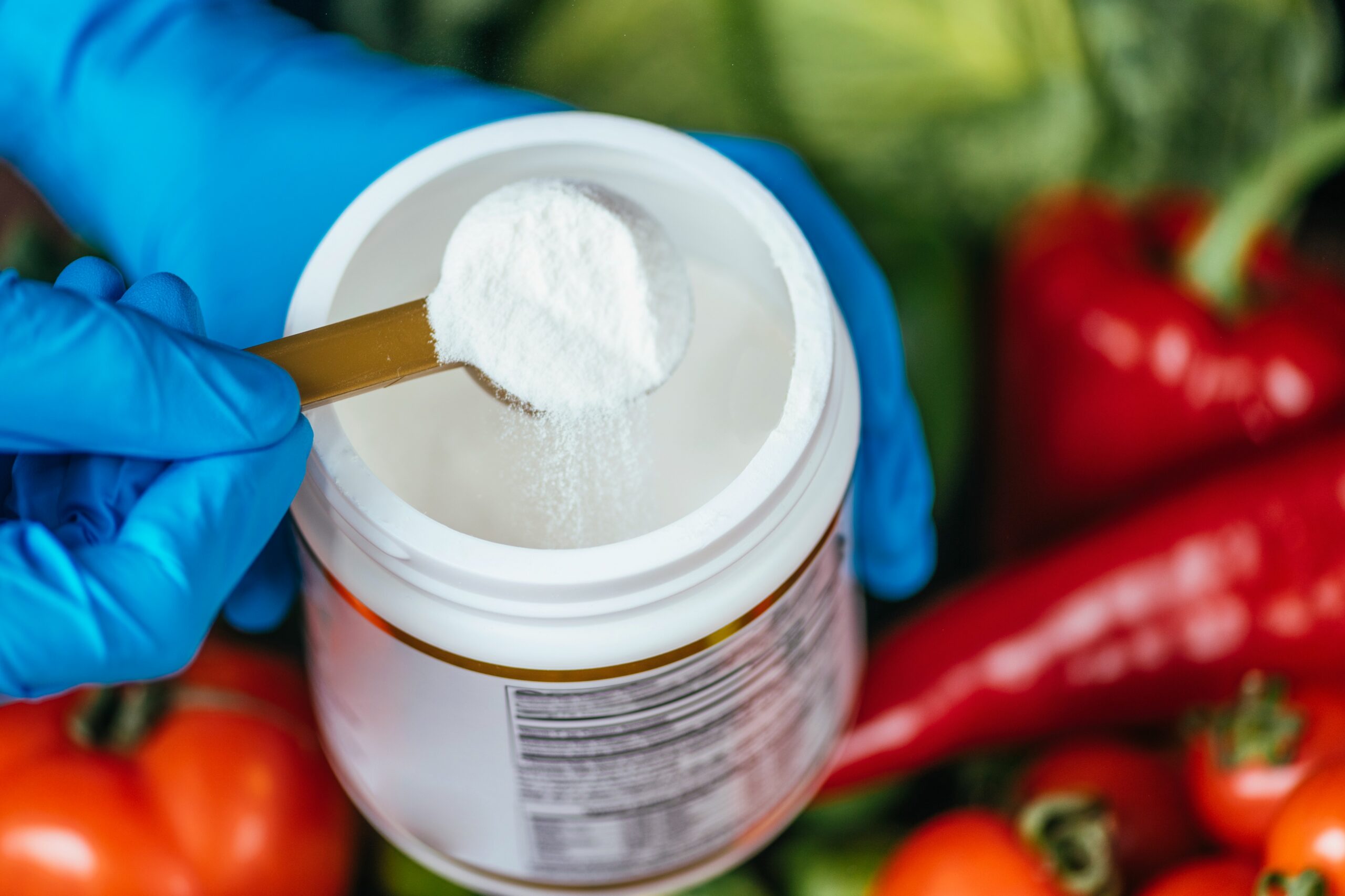
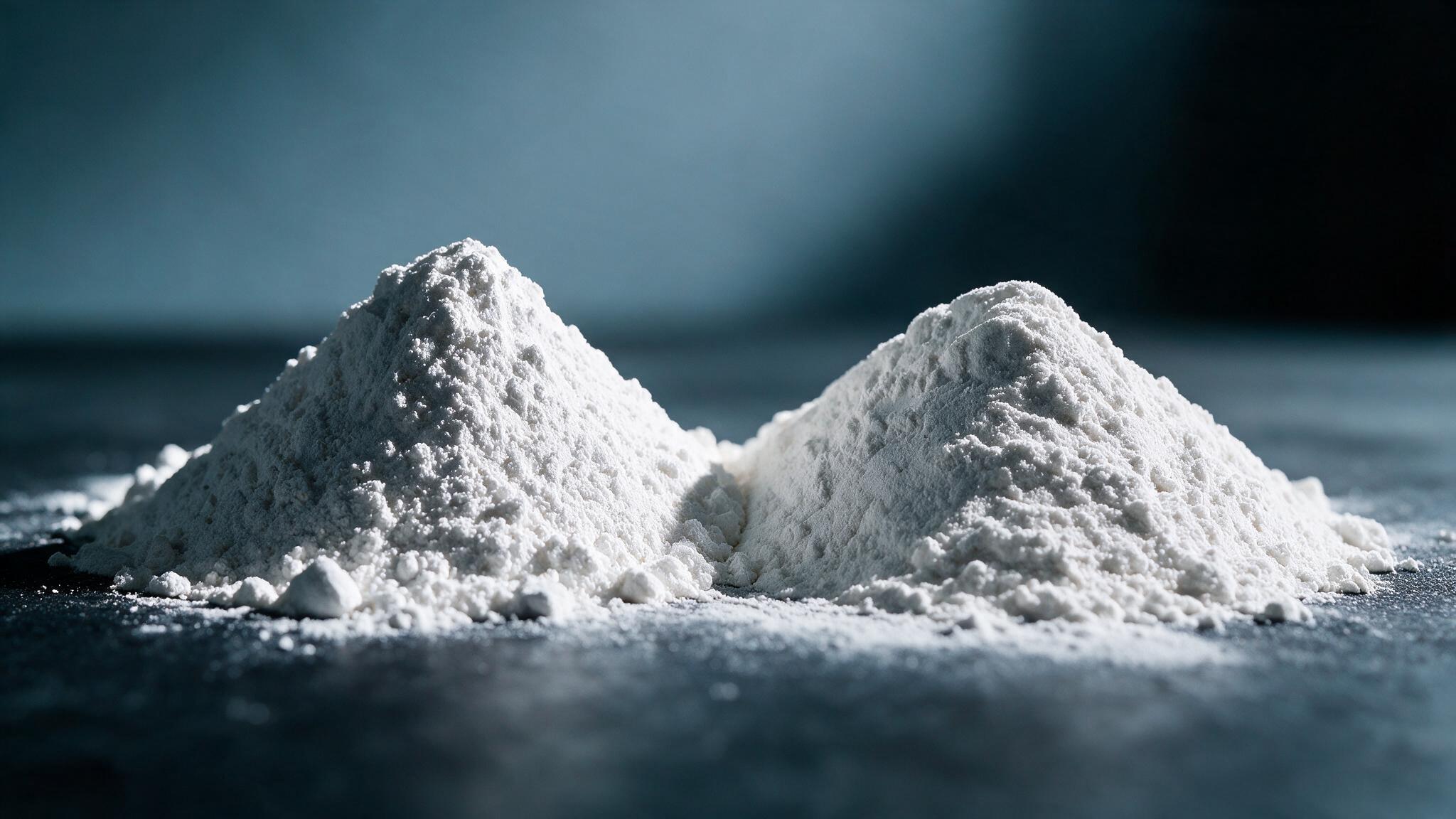
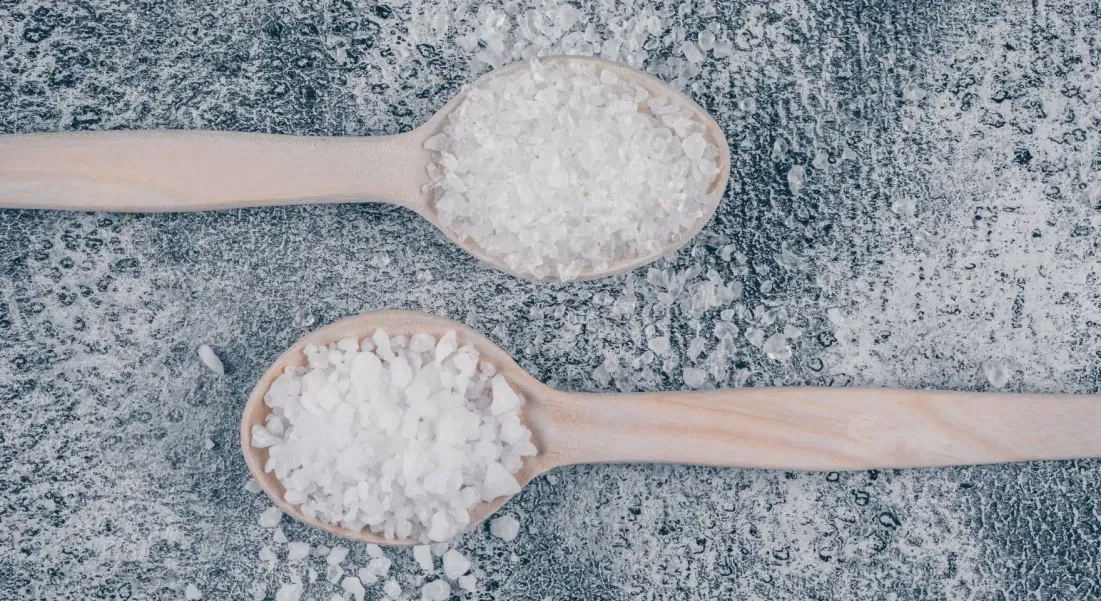
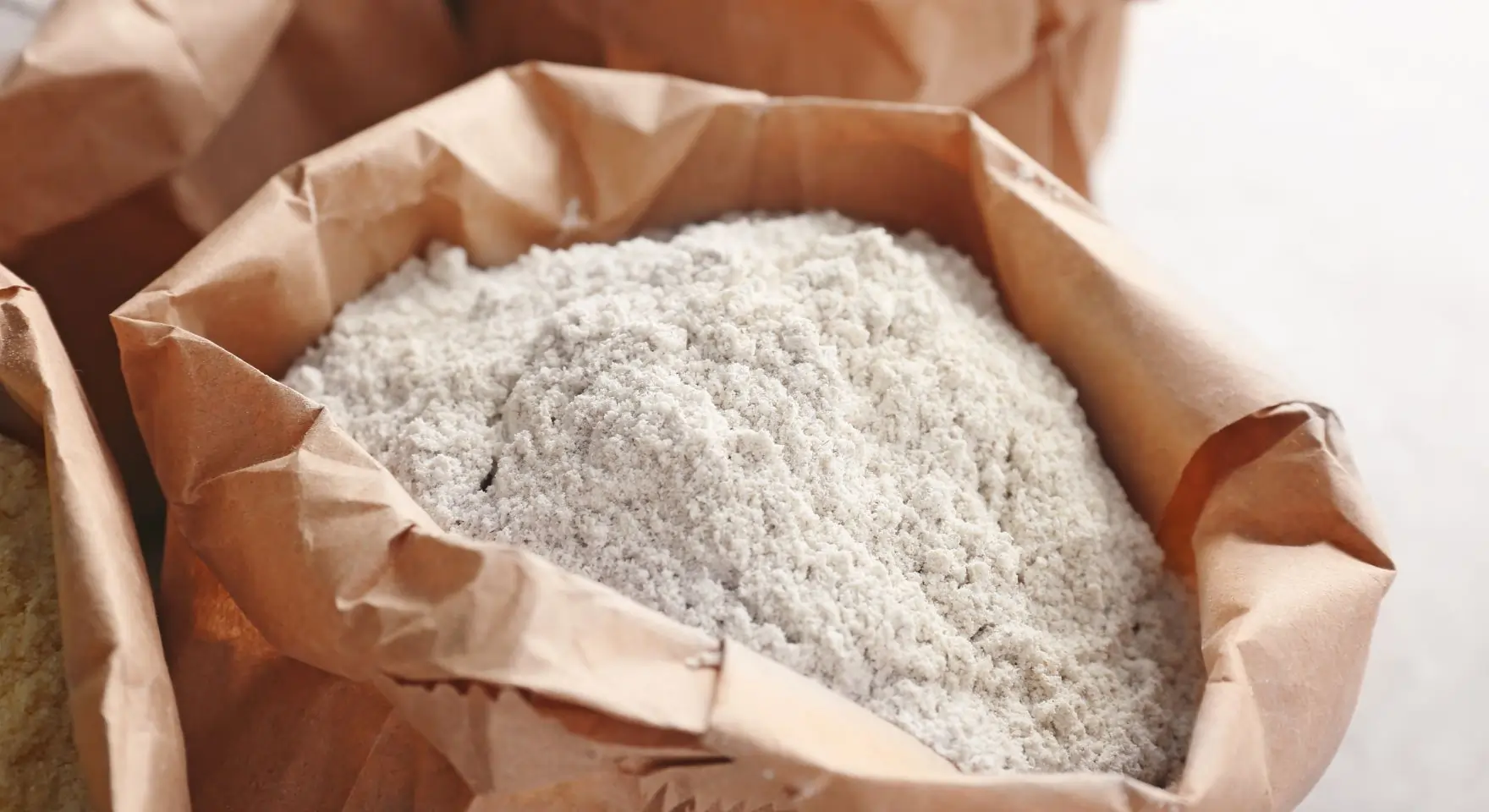
Physically, native corn starch typically ships as a fine white powder. Bulk industrial shipments are sometimes handled in compressed or agglomerated form rather than loose powder, so confirm your intake spec with your corn starch supplier (native & modified grades) before placing a large order, especially if your dosing system is calibrated for one particle format.
What is Modified Corn Starch?
Modified corn starch is native starch treated, chemically, physically, or enzymatically, to correct a specific weak point: heat sensitivity, acid instability, shear breakdown, or poor freeze-thaw performance.
Each modification type targets a different failure mode.
- Cross-linking builds chemical bonds between starch molecules, reinforcing the granule against mechanical stress. This is the grade to buy for continuous, high-shear lines.
- Acid-thinning uses controlled acid hydrolysis to lower processing viscosity while improving gel strength on cooling.
- Oxidation reduces viscosity and improves clarity while cutting retrogradation, the tendency of a gel to stiffen and weep liquid over time.
- Hydroxypropylation (etherification with propylene oxide, a substance registered under EU REACH) is the standard order for freeze-thaw stability, resisting the syneresis that native and some other modified starches suffer through repeated freeze cycles.
| Modification Type | Process | Primary Functional Gain |
| Cross-linked | Chemical bonding between starch molecules | Heat/shear tolerance, viscosity stability under mechanical stress |
| Acid-thinned | Controlled acid hydrolysis | Reduced viscosity, improved gel strength on cooling |
| Oxidized | Oxidizing agent treatment | Lower viscosity, improved clarity, reduced retrogradation |
| Hydroxypropylated | Etherification (propylene oxide) | Freeze-thaw stability, resistance to retrogradation |
There’s a related category worth flagging separately when you’re placing an order: resistant corn starch (often labeled Type 4 when chemically modified) is engineered to resist digestive enzyme breakdown rather than to survive processing stress. It’s a distinct purchase target from the process-stability modifications above, more relevant to a nutritional or fiber claim than to mechanical performance on your line.
These modifications fall under specific permitted treatments defined by the FDA’s food starch-modified regulation, worth checking if you’re sourcing for a food-grade application and need the label and compliance paperwork to match.
This processing step is exactly why modified grades carry a cost premium over native starch, typically 15 to 40%, depending on modification type and reagent cost. That premium buys engineered stability the native form can’t deliver. Our corn starch supplier (native & modified grades) page lists both side by side so you can compare landed cost before you order.
Comparison Matrix
Native and modified starch diverge most sharply on temperature tolerance and freeze-thaw stability. These two variables cause the most field failures when the wrong grade gets purchased.
| Parameter | Native Corn Starch | Modified Corn Starch |
| Gelatinization Temperature | Roughly 62 to 72°C | Shifts higher (cross-linked) or lower (acid-thinned/oxidized), by treatment |
| Heat/Shear Tolerance | Low, breaks down under sustained shear | High, cross-linked grades hold viscosity |
| Freeze-Thaw Stability | Poor, retrogradation and syneresis risk | Improved, degree varies by modification type |
| Cost-per-Kg | Lower baseline, subject to crop-year and regional pricing | Higher, premium scales with treatment complexity |
Native starch wins on cost and simplicity. Modified starch wins on process resilience. Neither column is the “right” buy in isolation, it depends on what your line actually does to the starch after it’s dosed in.
Technical Specifications
Whether you’re sourcing native or modified starch, the same core COA parameters need verification before purchase order issuance, though acceptable ranges shift by grade type.
Technical verification checklist, confirm on COA before you order:
- pH: native grades typically run 4.5 to 7.0; modified grades vary by treatment, with acid-thinned and oxidized grades often skewing lower.
- Moisture content (%): affects shelf stability and dosing accuracy.
- Viscosity (cP): check the test method (Brabender vs RVA). Results aren’t interchangeable across methods.
- Ash content (%): a proxy for mineral residue and processing purity.
- Acid-insoluble matter and residual reagent limits, where applicable — this matters specifically for hydroxypropylated grades, where propylene oxide residuals need to sit within regulatory limits.
- Granule integrity and particle size, especially if your intake system expects a specific physical form.
Request the full COA and TDS on every shipment, not just the first one in a new supply contract. Confirm certification status too: FCC/food-grade, and REACH registration if you’re importing into the EU.
This isn’t a formality. It’s the difference between an audit-ready supply chain and a guess.
Request a Quote once you’ve confirmed the spec sheet matches your process requirements, we can turn around pricing and lead time together so you’re not waiting on two separate replies.
How Grades Affect Pricing
Native starch pricing tracks raw corn cost fairly directly. Crop yield, regional basis pricing, and FX all move the number, but there’s no added processing layer inflating it.
Modified starch pricing starts from that same raw material base and adds the cost of the treatment itself: reagents for chemical modification, energy and equipment time for physical treatment, and compliance testing to verify reagent residuals.
That’s why modified grades typically carry a premium over native starch of roughly 15 to 40%, with the wider end of that range reserved for multi-step treatments like hydroxypropylation. Check current corn starch price by grade before locking a supply contract, since crop-year swings can shift the native baseline enough to change the size of that premium.
Pricing also moves with order volume and contract length, so a bulk, multi-quarter purchase order will usually land a better per-kg rate than a spot buy. Treat any range in this post as a starting point for negotiation, not a locked quote.
Applications of Modified Corn Starch
Modified starch earns its premium in conditions that would break native starch down mid-process.
High-shear continuous processing, extrusion lines, and homogenization steps need cross-linked grades to hold viscosity under mechanical stress. Acid-stable formulations (low-pH industrial processes, not food applications) rely on acid-thinned or specifically buffered grades to avoid premature gel collapse. Freeze-thaw-cycled products, anything moving through repeated temperature cycling in storage or transit, need hydroxypropylated starch to resist syneresis.
Beyond these, modified starch is a standard purchase across industrial corn starch uses: paper sizing and coating, where cross-linked and oxidized grades improve surface strength and printability; textile sizing, where shear-stable starch protects yarn during high-speed weaving; and adhesive formulation, where controlled viscosity and open time matter more than raw stickiness.
If you’re comparing industrial corn starch suppliers for one of these applications, confirm which modification type each one stocks as standard versus made-to-order. Lead times and minimum order quantities differ significantly between the two, and that gap matters more than unit price if your line can’t afford downtime.
Decision Framework: When to Choose Which?
Choose native corn starch if your process is low-shear, single-pass, and doesn’t involve freeze-thaw cycling or sustained acid exposure. If cost-per-kg is your primary constraint and your line has never had a viscosity-breakdown problem, native is the efficient default to order.
Choose modified corn starch if your process involves continuous high-shear equipment, extended heat exposure, acidic conditions, or freeze-thaw cycling in storage or transit. Match the modification type to the failure mode: cross-linked for shear, hydroxypropylated for freeze-thaw, acid-thinned or oxidized for controlled viscosity and clarity.
Not sure which category your process falls into? That’s a spec-sheet-and-trial question, not a guess. Pull the COA, order a small-batch sample, and run it under your actual process conditions before committing to a full purchase order.
FAQs
1. What’s the main difference between corn starch and modified corn starch?
Native starch is unaltered; modified starch is treated to improve heat, acid, or shear stability for tougher processes.
2. Is modified corn starch always the better buy?
No. Native works fine for low-shear, single-pass processes; modified only earns its premium under harsher conditions.
3. How much more expensive is modified corn starch than native corn starch?
Modified starch typically costs 15 to 40% more than native, depending on modification type and reagent complexity.
4. Which modified starch grade should I use for freeze-thaw stability?
Hydroxypropylated starch is standard for freeze-thaw stability, resisting syneresis through repeated temperature cycling in storage.
5. What should I check on the COA before placing an order, native or modified?
Verify pH, moisture, viscosity, ash content, and, for hydroxypropylated grades, residual propylene oxide limits.
Conclusion
The choice between native and modified corn starch is a choice between cost-efficiency and engineered process stability, and the right buy depends entirely on what your line does to the starch after it’s added.
For sourcing across both grade types, with quotes, samples, and COAs available on request, our corn starch supplier (native & modified grades) page has current specs.
Request a Sample to test a grade against your process before you commit to volume.