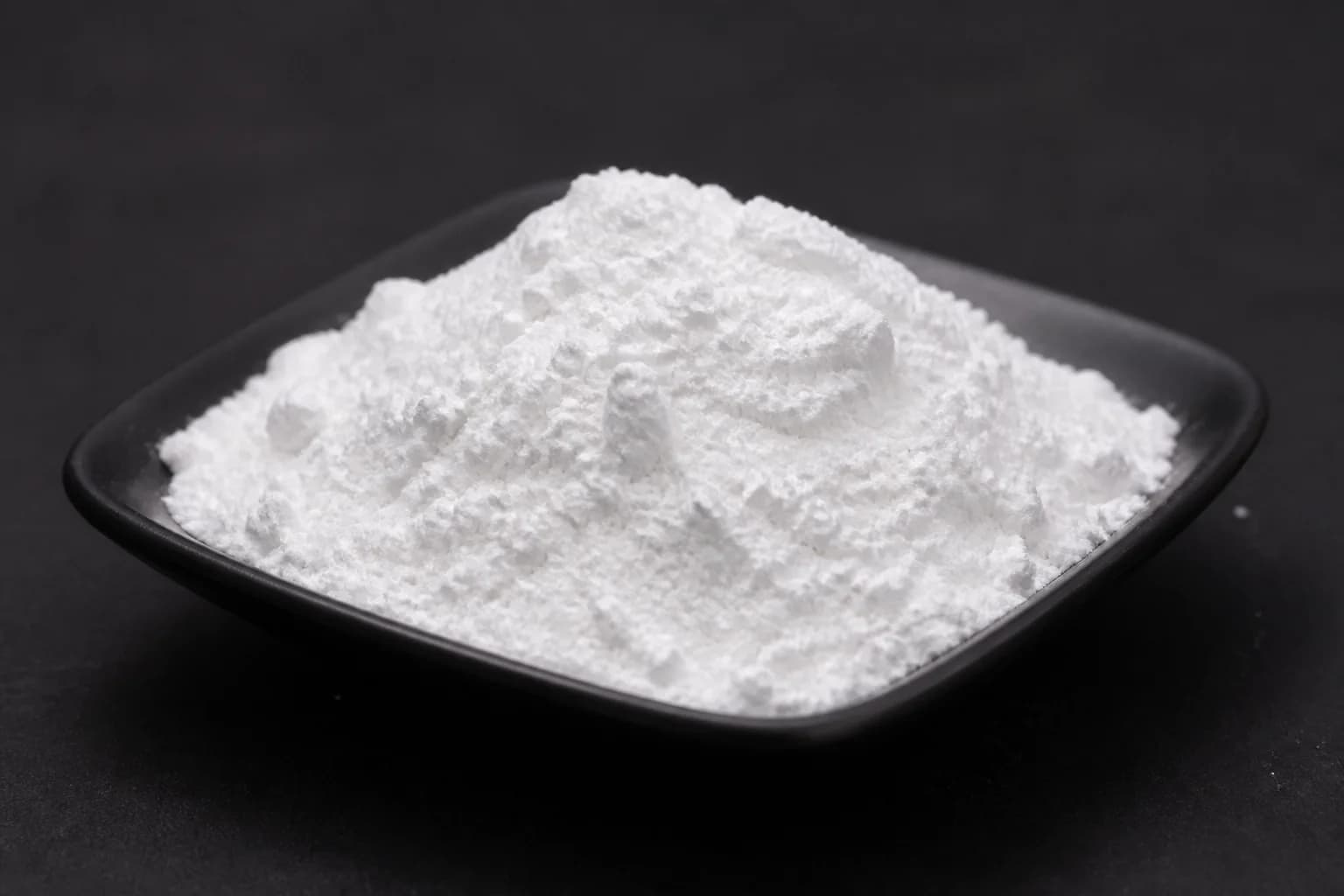
Corn Starch
ELVISCTM – CST G1

Get Pricing for This Product
Need pricing? Request a quote for this product and we'll get back to you shortly.
 Free Samples Available
Speed Up Your Sample Testing Process
We deliver domestic samples within 24 - 48 hours, helping you evaluate product without delays.
Corn Starch is a versatile carbohydrate extracted from the endosperm of corn kernels. It is widely used in the food industry as a thickening agent, stabilizer, and anti-caking agent. In addition to…
CAS Number
65996-63-6
HS Code
1108.12.00.00
INCI Name
Corn Starch
Molecular Formula
(C6H10O5)n
Corn Starch
ELVISCTM – CST G1
Corn Starch is a versatile carbohydrate extracted from the endosperm of corn kernels. It is widely used in the food industry as a thickening agent, stabilizer, and anti-caking agent. In addition to its culinary applications, corn starch is utilized in pharmaceuticals, cosmetics,…
CAS Number
65996-63-6
INCI Name
Corn Starch
HS Code
1108.12.00.00
Molecular Formula
(C6H10O5)n
Get Pricing for This Product
Need pricing? Request a quote for this product and we'll get back to you shortly.
Free Samples AvailableSpeed Up Your Sample Testing Process
We deliver domestic samples within 24 - 48 hours, helping you evaluate product without delays.
 By
By
Specialty chemicals, delivered right
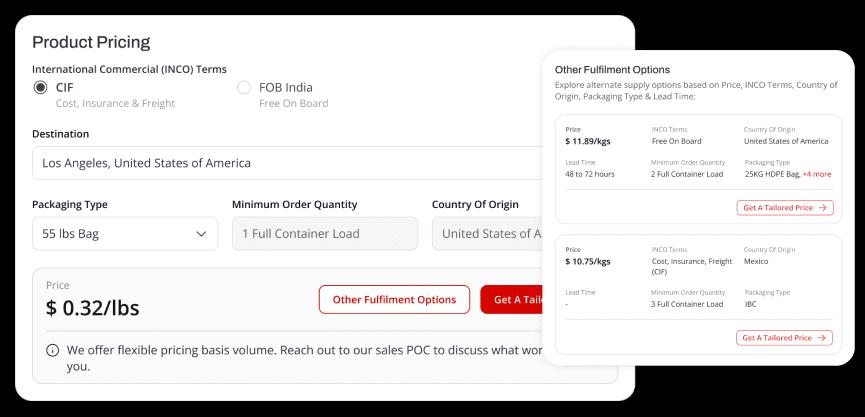
Access live, grade-specific pricing for every chemical, so your teams talks with data, not intuition on Elixir.
Compare fulfilment options across grades, INCO terms, origins, and lead times: all in one platform.

Live, transparent pricing
Real-time quotes across 12,000+ specialty chemicals.

Product Specification
Physical Properties
| Property | Specification |
|---|---|
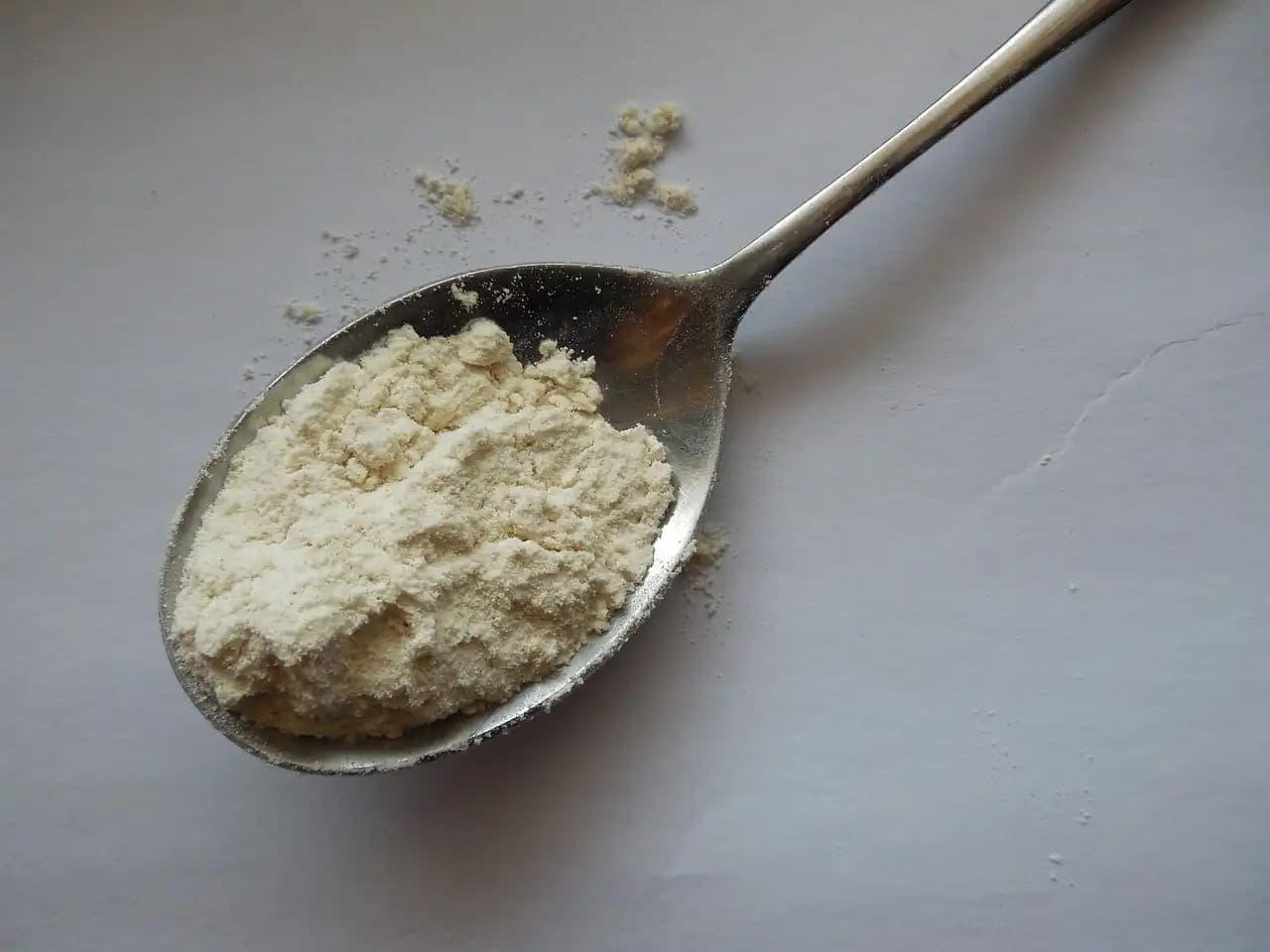
| Appearance | White, free-flowing powder |
| Odor | Bland, tasteless, and odorless |
| Molecular Weight | (162.14)n g/mol |
| Density | 1.5 g/cm³ |
| Specific Gravity | ~1.50 |
| Viscosity | Min. 35000 cP (8% solution, 40°C) |
| Ph (10% Solution) | 5 - 6 |
| Assay / Purity | Moisture: Max. 14% Protein: Max. 0.35% Fat: Max. 0.3% |
Chemical Properties
| Property | Specification |
|---|---|
| Ionic Nature | Non-ionic |
| Incompatibilities | Strong oxidizing agents, strong acids. |
| Hazardous Reactions | At high concentrations (>40 g/m³), starch dust is potentially explosive in the presence of an ignition source. |
| Hazardous Decomposition Products | When heated to decomposition, may emit carbon oxides (CO, CO2), acrid fumes, and smoke. |
Thermal Properties
| Property | Specification |
|---|---|
| Melting Point | Decomposes before melting |
| Boiling Point | Not applicable |
| Flash Point | Not applicable |
| Autoignition Temperature | 400 °C / 752 °F |
| Thermal Stability | Stable under normal conditions of use and storage. |
Processing Methods & Reference Formulations
A. Metronidazole Sustained-Release Tablets
Granules were prepared by wet granulation method using acacia gum as the binder and acetylated corn starch as a disintegrant. Lactose was used as the diluent. The tablets produced met the standard requirements for friability, hardness, and content uniformity, and provided sustained release of metronidazole over several hours.
| Key Ingredients | Indicative Dosage (% w/w) |
|---|---|
| Acetylated Corn Starch | 5, 7.5, 10, 15, 20, and 25% |
B. Low-Fat Whipped Cream
Micronized cornstarch was used to partially substitute the fat in whipped cream.
| Key Ingredients | Indicative Dosage (% w/w) |
|---|---|
| Fat | 85% |
| Micronized Cornstarch | 15% |
Dosing Guidelines
A. Dosing by Application
| Application | Recommended / Max Dosage |
|---|---|
| Disintegrating agent for tablets | 3-15% |
| Binder in wet granulation | 2.5–7.5% (w/v) |
| Lotions (to reduce tack and oiliness) | 0.5–3% |
| Cream to powder formulations | Up to 30% |
| Topical body powders | Up to 99% |
About Corn Starch
Corn starch, chemically a polysaccharide of the formula (C6H10O5)n, is one of the highest-volume plant-derived raw materials in industrial use. Its ability to thicken, bind, disintegrate, size and absorb makes it foundational across food processing, pharmaceuticals, paper and corrugation, textiles, adhesives and personal care.
Native corn starch is sourced globally at tonnage scale, and for most buyers dependable supply has become as much a question of grade consistency, documentation and freight as it is of chemistry. Corn starch (CAS 9005-25-8) is affirmed GRAS by the US FDA under 21 CFR 184.1857 and carries an FCC monograph for food use, plus IP, BP/Ph.Eur. (as Maize Starch) and USP-NF monographs for pharmaceutical use.
Industrial buyers placing bulk orders also track corn starch pricing closely, since the material is a direct pass-through cost into everything from corrugated packaging to processed food.
Manufacturing Process of Corn Starch
Corn starch is produced by wet milling. Cleaned maize kernels are steeped in warm water containing dilute sulphur dioxide for 30 to 50 hours, which softens the kernel and loosens the protein matrix binding the starch granules. The steeped corn is coarsely milled to release the germ, which is separated in hydrocyclones and sent for corn oil extraction.
The remaining slurry is finely milled and screened to remove fibre, then centrifuged to separate the lighter gluten (protein) fraction from the denser starch. The starch stream is washed across a series of hydrocyclones - typically 8 to 14 stages - until protein and soluble impurities are driven below specification. The washed starch is then dewatered and flash-dried to a moisture content of 13% or lower.
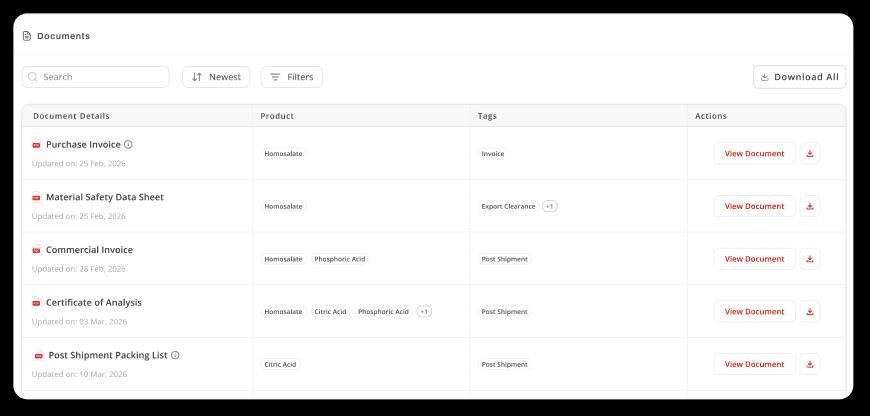
Every shipment Elchemy supplies is tested for moisture, ash, protein, residual SO₂ and microbiological limits before dispatch, with a Certificate of Analysis travelling alongside each order.
Corn Starch Price: Bulk Pricing for Industrial Buyers
If you're looking for current corn starch pricing for bulk procurement, Elchemy provides quotes based on your specific requirements. Fill out the quote request form with your volume, grade, destination and packaging preference, and our team will revert with a detailed offer within 24 to 48 hours.
Pricing works on a quote basis rather than a published rate because corn starch is an agricultural derivative. The rate any buyer pays tracks the maize crop cycle - planting, harvest, yield and regional carry-over stocks - rather than following a fixed list. A poor US or Argentine corn harvest moves the number, and so does the co-product economics of corn oil and gluten meal at the wet mill.
Beyond that core driver, several factors layer in to shape the final number: grade (industrial sits below food grade, while pharmacopoeial IP/BP/USP grade carries a clear premium), committed volume, origin country, packaging format, freight, Incoterm choice (FOB, CIF or DDP) and applicable import duty (HTS 1108.12 for US-bound shipments).
For an approximate read on where the market sits, procurement teams often reference corn futures and regional starch price indices, which together give a sense of how rates are trending.
Trade publications also report the corn starch price per kg as a unit-level benchmark, useful for spotting short-term regional shifts even on large industrial orders.
At bulk procurement scale, however, the corn starch price per ton is the most relevant commercial unit, since contracts are typically negotiated and committed at that level.
For an exact rate, none of these references replaces a direct quote. The actual price depends on your contract structure, destination, committed volume and timing of dispatch, which is why a quote from our team will always be the most accurate number for your specific procurement.
Packaging & Logistics
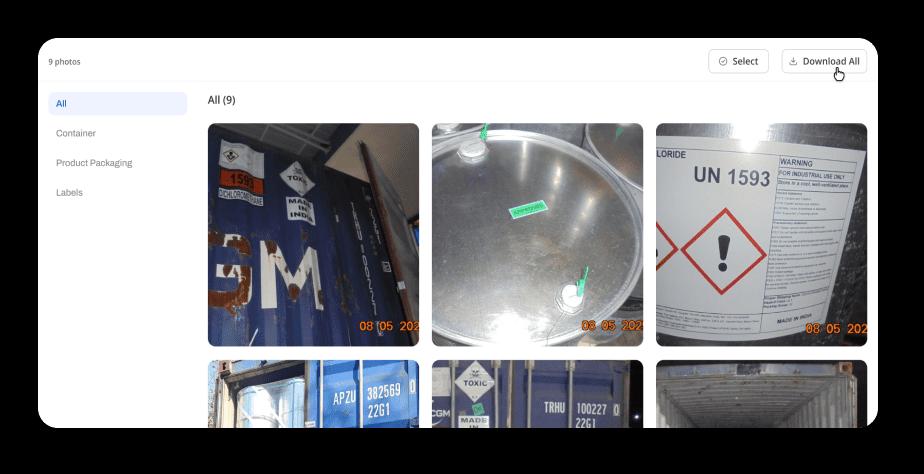
Corn starch ships in 25 kg (55 lb) multiwall paper or PP/PE laminated bags, 50 lb bags for the US market, or 1 MT (2,205 lb) FIBC jumbo bags, supplied as per buyer requirements. A typical 20' container holds approximately 18 to 20 MT palletised, or up to 25 MT loose-loaded.
For US-bound orders, domestic stock supports faster fulfilment. Where sourcing is required from India or other origin countries, transit times typically run 24 to 28 days to the US East Coast and 18 to 22 days to the West Coast. Elchemy offers EXW, FOB, CIF and DDP terms, depending on how your procurement team prefers to handle landed cost and customs.
Material should be stored in a cool, dry, well-ventilated area below 30 °C and 65% relative humidity, on pallets clear of the floor and away from strong odours, which starch readily absorbs. Shelf life is 24 months in original sealed packaging. Standard dispatch follows agreed contract terms, with expedited timelines available where needed. Samples are dispatched within 24 to 48 hours.
Why Choose Elchemy as a Trusted Corn Starch Supplier?
Elchemy makes corn starch procurement straightforward for industrial buyers. That means consistent material across Food (FDA GRAS / FCC), Pharmaceutical (IP, BP/Ph.Eur., USP-NF) and Industrial grades, with non-GMO, organic and modified starches sourced on request, and a Certificate of Analysis for every batch.
Because we source across multiple origins - India, China, the US and the EU - we quote on the best landed cost for your destination rather than a single manufacturer's list price. For food and pharma buyers, our partner plants operate to ISO 9001:2015 and FSSC 22000 / HACCP standards, with Halal and Kosher certification available.
Beyond the US, Elchemy ships into 40+ countries with samples available for qualification before any bulk order, and pricing tailored to volume, destination and contract terms.
Safety & Handling
Corn starch is not classified as hazardous under OSHA HazCom 2012 (GHS) and is not a DOT-regulated dangerous good. It carries no acute toxicity and is food-safe at the grades supplied. The material's one significant industrial hazard is dust.
Fine airborne corn starch is a combustible dust. In an enclosed space, a suspended dust cloud in the presence of an ignition source can deflagrate. Facilities handling corn starch in bulk should follow NFPA 61 and NFPA 652 guidance: bond and ground all transfer equipment, use explosion-protected dust collection, control dust accumulation on surfaces, and eliminate ignition sources in handling areas.
Handlers should wear dust masks or respirators where airborne concentrations are elevated, along with safety glasses and gloves. Airborne dust may cause mechanical irritation to the eyes and respiratory tract as a nuisance dust. Buyers formulating for food should also note that corn is a declarable allergen in some jurisdictions.
Store in tightly sealed bags in a cool, dry, well-ventilated space. Clean spills by sweeping or vacuuming with explosion-rated equipment rather than compressed air, which creates a dust cloud. The full 16-section GHS-aligned SDS is available alongside material orders.
- Versatile Thickening Agent: Essential in culinary applications for smooth textures.
- High Purity Standards: Ensures performance in food and pharmaceutical industries.
- Eco-Friendly Production: Focus on minimizing energy use and waste.
- Effective Binder: Used in pharmaceuticals for tablet cohesion.
- Stabilizer in Cosmetics: Maintains product consistency and prevents separation.
About Corn Starch
Corn starch, chemically a polysaccharide of the formula (C6H10O5)n, is one of the highest-volume plant-derived raw materials in industrial use. Its ability to thicken, bind, disintegrate, size and absorb makes it foundational across food processing, pharmaceuticals, paper and corrugation, textiles, adhesives and personal care.
Native corn starch is sourced globally at tonnage scale, and for most buyers dependable supply has become as much a question of grade consistency, documentation and freight as it is of chemistry. Corn starch (CAS 9005-25-8) is affirmed GRAS by the US FDA under 21 CFR 184.1857 and carries an FCC monograph for food use, plus IP, BP/Ph.Eur. (as Maize Starch) and USP-NF monographs for pharmaceutical use.
Industrial buyers placing bulk orders also track corn starch pricing closely, since the material is a direct pass-through cost into everything from corrugated packaging to processed food.
Manufacturing Process of Corn Starch
Corn starch is produced by wet milling. Cleaned maize kernels are steeped in warm water containing dilute sulphur dioxide for 30 to 50 hours, which softens the kernel and loosens the protein matrix binding the starch granules. The steeped corn is coarsely milled to release the germ, which is separated in hydrocyclones and sent for corn oil extraction.
The remaining slurry is finely milled and screened to remove fibre, then centrifuged to separate the lighter gluten (protein) fraction from the denser starch. The starch stream is washed across a series of hydrocyclones - typically 8 to 14 stages - until protein and soluble impurities are driven below specification. The washed starch is then dewatered and flash-dried to a moisture content of 13% or lower.
Every shipment Elchemy supplies is tested for moisture, ash, protein, residual SO₂ and microbiological limits before dispatch, with a Certificate of Analysis travelling alongside each order.
Corn Starch Price: Bulk Pricing for Industrial Buyers
If you're looking for current corn starch pricing for bulk procurement, Elchemy provides quotes based on your specific requirements. Fill out the quote request form with your volume, grade, destination and packaging preference, and our team will revert with a detailed offer within 24 to 48 hours.
Pricing works on a quote basis rather than a published rate because corn starch is an agricultural derivative. The rate any buyer pays tracks the maize crop cycle - planting, harvest, yield and regional carry-over stocks - rather than following a fixed list. A poor US or Argentine corn harvest moves the number, and so does the co-product economics of corn oil and gluten meal at the wet mill.
Beyond that core driver, several factors layer in to shape the final number: grade (industrial sits below food grade, while pharmacopoeial IP/BP/USP grade carries a clear premium), committed volume, origin country, packaging format, freight, Incoterm choice (FOB, CIF or DDP) and applicable import duty (HTS 1108.12 for US-bound shipments).
For an approximate read on where the market sits, procurement teams often reference corn futures and regional starch price indices, which together give a sense of how rates are trending.
Trade publications also report the corn starch price per kg as a unit-level benchmark, useful for spotting short-term regional shifts even on large industrial orders.
At bulk procurement scale, however, the corn starch price per ton is the most relevant commercial unit, since contracts are typically negotiated and committed at that level.
For an exact rate, none of these references replaces a direct quote. The actual price depends on your contract structure, destination, committed volume and timing of dispatch, which is why a quote from our team will always be the most accurate number for your specific procurement.
Packaging & Logistics
Corn starch ships in 25 kg (55 lb) multiwall paper or PP/PE laminated bags, 50 lb bags for the US market, or 1 MT (2,205 lb) FIBC jumbo bags, supplied as per buyer requirements. A typical 20' container holds approximately 18 to 20 MT palletised, or up to 25 MT loose-loaded.
For US-bound orders, domestic stock supports faster fulfilment. Where sourcing is required from India or other origin countries, transit times typically run 24 to 28 days to the US East Coast and 18 to 22 days to the West Coast. Elchemy offers EXW, FOB, CIF and DDP terms, depending on how your procurement team prefers to handle landed cost and customs.
Material should be stored in a cool, dry, well-ventilated area below 30 °C and 65% relative humidity, on pallets clear of the floor and away from strong odours, which starch readily absorbs. Shelf life is 24 months in original sealed packaging. Standard dispatch follows agreed contract terms, with expedited timelines available where needed. Samples are dispatched within 24 to 48 hours.
Why Choose Elchemy as a Trusted Corn Starch Supplier?
Elchemy makes corn starch procurement straightforward for industrial buyers. That means consistent material across Food (FDA GRAS / FCC), Pharmaceutical (IP, BP/Ph.Eur., USP-NF) and Industrial grades, with non-GMO, organic and modified starches sourced on request, and a Certificate of Analysis for every batch.
Because we source across multiple origins - India, China, the US and the EU - we quote on the best landed cost for your destination rather than a single manufacturer's list price. For food and pharma buyers, our partner plants operate to ISO 9001:2015 and FSSC 22000 / HACCP standards, with Halal and Kosher certification available.
Beyond the US, Elchemy ships into 40+ countries with samples available for qualification before any bulk order, and pricing tailored to volume, destination and contract terms.
Safety & Handling
Corn starch is not classified as hazardous under OSHA HazCom 2012 (GHS) and is not a DOT-regulated dangerous good. It carries no acute toxicity and is food-safe at the grades supplied. The material's one significant industrial hazard is dust.
Fine airborne corn starch is a combustible dust. In an enclosed space, a suspended dust cloud in the presence of an ignition source can deflagrate. Facilities handling corn starch in bulk should follow NFPA 61 and NFPA 652 guidance: bond and ground all transfer equipment, use explosion-protected dust collection, control dust accumulation on surfaces, and eliminate ignition sources in handling areas.
Handlers should wear dust masks or respirators where airborne concentrations are elevated, along with safety glasses and gloves. Airborne dust may cause mechanical irritation to the eyes and respiratory tract as a nuisance dust. Buyers formulating for food should also note that corn is a declarable allergen in some jurisdictions.
Store in tightly sealed bags in a cool, dry, well-ventilated space. Clean spills by sweeping or vacuuming with explosion-rated equipment rather than compressed air, which creates a dust cloud. The full 16-section GHS-aligned SDS is available alongside material orders.
- Versatile Thickening Agent: Essential in culinary applications for smooth textures.
- High Purity Standards: Ensures performance in food and pharmaceutical industries.
- Eco-Friendly Production: Focus on minimizing energy use and waste.
- Effective Binder: Used in pharmaceuticals for tablet cohesion.
- Stabilizer in Cosmetics: Maintains product consistency and prevents separation.
Regulatory Compliance
| Region | Max Allowed Level | Notes | Certification Body |
|---|---|---|---|
| United States | - | Generally Recognized as Safe (GRAS) for food use (21 CFR 182.90, 172.892). Listed in the FDA Inactive Ingredient Database for multiple pharmaceutical dosage forms. Considered safe for use in cosmetics by the CIR Expert Panel. | Conformance with USP/NF monograph for pharmaceutical use. Subject to TSCA regulations. |
| European Union | - | Approved as a food additive (E 1401 for Acid-treated starch). Listed in the European Pharmacopoeia. Compliant with cosmetic regulations. | Conformance with Ph. Eur. monograph. REACH registration may be required depending on tonnage. |
| Canada | - | Listed in the Natural Health Products Ingredients Database as an approved non-medicinal ingredient (binder, stabilizing agent, thickening agent). | Conformance with BP or USP monograph is generally accepted. |
| India | - | Conforms to Indian Pharmacopoeia (IP) and British Pharmacopoeia (BP) standards for pharmaceutical use. | Conformance with IP/BP monograph. |
| Japan | - | Listed in the Japanese Pharmacopoeia (JP). Permitted for use in cosmetics and quasi-drugs. | Conformance with JP monograph. |
| Australia | - | Listed on the Australian Inventory of Industrial Chemicals (AIIC). Accepted as an excipient in therapeutic goods. | Conformance with BP or USP monograph is generally accepted. |
| China | - | Listed in the Inventory of Existing Cosmetic Ingredients in China (IECIC). Conforms to Chinese Pharmacopoeia (ChP). | Conformance with ChP monograph. |
| Republic of Korea | - | Permitted for use in cosmetics and pharmaceuticals. | Conformance with Korean Pharmacopoeia (KP). |
| ASEAN | - | Permitted for use in cosmetic products under the ASEAN Cosmetic Directive. | Conformance with a recognized pharmacopoeia (e.g., BP, USP) is generally required for pharmaceutical use. |
FAQs - Corn Starch
Related Products

Related Products

Streamline
Your Chemical
Procurement
Get fast responses from real experts