

At a Glance
- Key difference: Monohydrate contains one bound water molecule; anhydrous contains none
- Chemical formula: Monohydrate = C₆H₈O₇·H₂O; Anhydrous = C₆H₈O₇
- Water content: ~8.6% in monohydrate; 0% in anhydrous
- Concentration: Anhydrous delivers more citric acid per gram
- Dissolution: Monohydrate dissolves faster; anhydrous dissolves more slowly initially
- Humidity stability: Monohydrate is more stable; anhydrous is hygroscopic
- Melting point: Lower for monohydrate (135°C); higher for anhydrous (153°C)
- Storage: Monohydrate stores easily; anhydrous requires moisture control
- Cost: Monohydrate is generally cheaper; anhydrous costs more but is more concentrated
Pick up a bag of citric acid from any supplier and you’ll notice one crucial detail on the label: either “monohydrate” or “anhydrous.” Most people assume these terms are just technical jargon describing the same chemical. They’re wrong. That single water molecule makes the difference between a formulation that works perfectly and one that fails spectacularly.
Citric acid monohydrate contains one water molecule bonded into its crystal structure. Anhydrous citric acid contains zero water. This distinction affects everything from how quickly it dissolves in beverages to how long it remains stable on warehouse shelves. For manufacturers choosing between the two, understanding citric acid anhydrous vs citric acid monohydrate determines product quality, shelf life, and production efficiency.
Citric Acid Monohydrate vs Citric Acid: All Differences Discussed
| Property | Citric Acid Monohydrate | Citric Acid Anhydrous |
| Chemical formula | C₆H₈O₇·H₂O | C₆H₈O₇ |
| Water content | ~8.6% | 0% |
| Molecular weight | 210.14 g/mol | 192.12 g/mol |
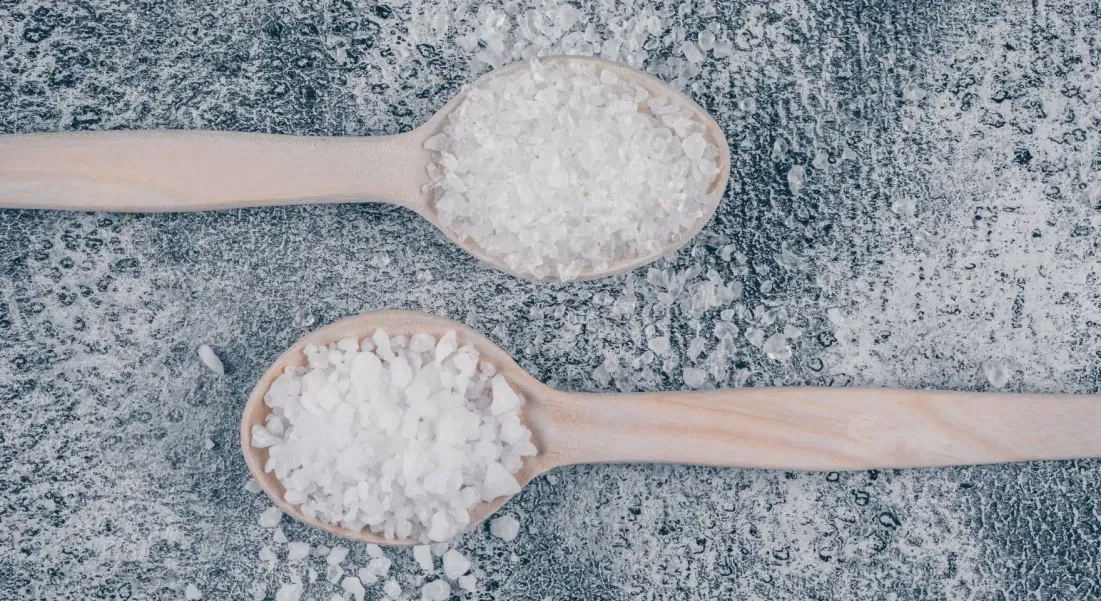
| Appearance | Translucent crystals or soft powder | Opaque crystals or fine powder |
| Melting point | 135°C | 153°C |
| Dissolution speed | Faster | Slower |
| Stability in humidity | More stable | Hygroscopic, absorbs moisture |
| Best for | Liquid products, beverages | Dry formulations, moisture-sensitive products |
| Shelf life | Good in normal conditions | Excellent if kept dry |
| Cost | Generally lower | Slightly higher |
Chemical Structure and Water Content
Citric Acid Monohydrate
The monohydrate form incorporates one water molecule for every citric acid molecule within its crystal lattice. This isn’t just surface moisture that can be wiped away. The water bonds chemically into the crystalline structure at a molecular level, accounting for approximately 8.6% of the total weight.
The formula C₆H₈O₇·H₂O tells the complete story. Six carbons, eight hydrogens, and seven oxygens form the citric acid molecule. One additional H₂O integrates into each crystal unit. This bound water influences how the chemical behaves in storage, processing, and final applications.
Citric Acid Anhydrous
Anhydrous means “without water” in Greek. This form consists purely of citric acid molecules with the formula C₆H₈O₇. Manufacturers create it by heating monohydrate citric acid to approximately 78°C, driving off the bound water molecule and leaving the anhydrous form behind.
The absence of water makes anhydrous citric acid more concentrated. Gram for gram, you get more actual citric acid since there’s no water weight included. The molecular weight of 192.12 g/mol compared to monohydrate’s 210.14 g/mol reflects this difference. When formulating products with precise acid requirements, this concentration difference matters for accurate dosing.
Solubility and Dissolution Behavior
Citric Acid Monohydrate
Monohydrate citric acid dissolves faster when added to water. The water molecules already present in the crystal structure facilitate the dissolution process. As soon as monohydrate crystals contact liquid, the bound water releases, and the citric acid disperses rapidly throughout the solution.
This quick dissolution makes monohydrate ideal for beverage production. Sodas, fruit juices, and liquid drink mixes benefit from citric acid that incorporates immediately without extended mixing times. The manufacturing process becomes more efficient when ingredients don’t require prolonged agitation to achieve uniform distribution.
Both forms achieve similar final solubility of approximately 59.2% at 20°C once fully dissolved. The difference lies in the speed of getting there, not the ultimate concentration possible.
Citric Acid Anhydrous
Anhydrous citric acid dissolves more slowly initially because it must first absorb water from the surrounding liquid before dissolution begins. However, this slower dissolution rate serves specific purposes in certain applications.
Powdered drink mixes demonstrate where anhydrous performs better. When consumers add powder to cold water, they want rapid dissolution upon mixing. The anhydrous form, despite its slower start, creates this effect because it actively pulls water molecules from the surrounding liquid, accelerating dispersion once mixed.
For formulations requiring gradual acid release rather than immediate availability, anhydrous provides the controlled delivery that monohydrate cannot achieve. This matters in effervescent tablets, time-release pharmaceutical formulations, and products where delayed acidity creates better texture or flavor profiles.
Stability and Storage Requirements
Citric Acid Monohydrate
The presence of bound water makes monohydrate more stable in humid environments. It doesn’t actively seek additional moisture from the air because its crystal structure already contains water at equilibrium. This resistance to clumping and caking allows storage in normal warehouse conditions without special moisture control.
Temperature stability extends up to about 36.6°C for monohydrate. Above this critical temperature, the bound water begins releasing, and the monohydrate gradually converts to the anhydrous form. For most storage and shipping scenarios, this transition temperature sits well above typical conditions.
Monohydrate maintains consistent properties across its shelf life when stored properly. The crystals don’t change form, the acidity remains constant, and the material handles predictably batch after batch. This reliability matters for large-scale manufacturing where consistency determines product quality.
Citric Acid Anhydrous
Anhydrous citric acid is hygroscopic, meaning it actively absorbs moisture from the air. In humid environments, anhydrous will pull water from the atmosphere and gradually convert back to the monohydrate form. This moisture absorption leads to clumping, caking, and weight gain if the material isn’t protected.
Proper storage of anhydrous requires airtight containers, moisture barriers, and sometimes climate-controlled warehouses. The extra handling requirements add costs but provide benefits in final products. When kept dry, anhydrous citric acid maintains exceptional stability and extended shelf life beyond what monohydrate achieves.
The higher melting point of 153°C gives anhydrous better thermal stability. Products subjected to higher processing temperatures or stored in hot climates benefit from anhydrous citric acid’s resistance to heat-induced changes.
Citric Acid Monohydrate vs Anhydrous Uses
Citric Acid Monohydrate Applications
- Food and beverage manufacturing relies heavily on monohydrate for liquid products. Sodas, fruit drinks, sports beverages, and flavored waters incorporate monohydrate for its rapid dissolution and stable performance in aqueous environments.
- Pharmaceutical syrups and liquid medications use monohydrate because the water content poses no formulation problems in liquid bases. The citric acid dissolves completely, adjusts pH effectively, and remains stable throughout the product’s shelf life.
- Cosmetics and personal care products containing water phases benefit from monohydrate’s compatibility with moisture. Lotions, creams, shampoos, and liquid soaps incorporate citric acid monohydrate for pH adjustment without introducing incompatibility issues.
- Industrial cleaning products in liquid form choose monohydrate for its immediate availability once mixed with water. The citric acid doesn’t need time to absorb moisture before becoming active, allowing cleaning solutions to work immediately upon application.
Citric Acid Anhydrous Applications
- Dry food mixes represent the primary application for anhydrous citric acid. Powdered beverage mixes, cake mixes, sauce packets, and seasoning blends require anhydrous to prevent premature reactions with other dry ingredients during storage.
- Pharmaceutical tablets and effervescent formulations need anhydrous citric acid to avoid moisture-triggered reactions before consumption. The absence of water prevents the citric acid from reacting with bicarbonates or other moisture-sensitive components in the tablet matrix.
- Industrial chemical synthesis often specifies anhydrous citric acid when water would interfere with reaction pathways or when maximum acid concentration per gram matters for stoichiometric calculations.
- Moisture-sensitive electronic and technical applications utilize anhydrous citric acid as a flux cleaner or etching agent where even the 8.6% water in monohydrate would cause problems with delicate components.
Cost and Economic Considerations
Citric Acid Monohydrate Economics

Monohydrate typically costs slightly less per kilogram than anhydrous. The manufacturing process skips the dehydration step, reducing energy costs and processing time. For bulk buyers, this price advantage adds up across tonnage orders.
However, the 8.6% water content means you’re purchasing and shipping water weight. When calculating cost per kilogram of actual citric acid, the price difference narrows. For applications where the water content doesn’t matter, monohydrate remains the economical choice.
Shipping costs favor monohydrate in another way. Standard containers and transportation methods work fine since the material doesn’t require special moisture protection. The lower handling requirements reduce logistics expenses.
Citric Acid Anhydrous Economics
The additional processing to remove water molecules increases production costs for anhydrous citric acid. The dehydration step consumes energy and requires specialized equipment, making anhydrous more expensive initially.
Higher concentration means shipping less water and more actual product. For applications requiring precise citric acid amounts, anhydrous delivers more active ingredient per shipment. This efficiency can offset the higher per-kilogram cost depending on usage volumes.
Specialized storage requirements for anhydrous add to total cost of ownership. Moisture-barrier packaging, desiccants, climate-controlled warehouses, and careful handling procedures increase expenses beyond the initial purchase price.
Density and Physical Properties
Citric Acid Monohydrate Physical Characteristics
The density of monohydrate sits at approximately 1.542 g/cm³. The bound water molecules create a crystal structure with specific spacing between molecular units, determining this density value.
Monohydrate often appears as larger, translucent crystals or a soft white powder. The crystal form depends on manufacturing conditions and intended applications. Larger crystals flow freely but dissolve more slowly than powdered forms. Manufacturers select crystal size based on customer requirements.
The refractive index of 1.493-1.509 gives monohydrate its characteristic translucent appearance. Light passes through the crystals differently than through anhydrous forms, creating visual distinction between the two types.
Citric Acid Anhydrous Physical Characteristics
Anhydrous citric acid has a density of 1.54 g/cm³, nearly identical to monohydrate but achieved without water molecules in the structure. The compact arrangement of citric acid molecules without intervening water creates this density.
The appearance shifts to more opaque crystals or fine powder compared to monohydrate’s translucent character. The absence of water changes how light interacts with the crystal structure, producing the different visual quality.
Particle size distributions vary based on production methods. Fine powders provide maximum surface area for rapid dissolution when finally mixed with liquids. Larger crystals offer better flow properties for automated handling systems but dissolve more gradually.
Quality Standards and Specifications
Food Grade Requirements
Both forms meet food-grade specifications when produced according to FDA and international standards. Purity levels typically exceed 99.5% for food applications. Heavy metal limits, particularly for lead and arsenic, follow strict thresholds regardless of which form is used.
The key specification difference lies in water content testing. Monohydrate should contain 7.5-8.8% water to meet specifications. Anhydrous must contain less than 0.5% water. These water content limits define quality compliance more than any other single parameter.
Pharmaceutical Grade Standards
USP and EP monographs exist for both monohydrate and anhydrous forms, each with specific testing requirements. Pharmaceutical applications demand higher purity, tighter specifications on impurities, and comprehensive documentation proving batch-to-batch consistency.
Microbiological testing becomes critical for pharmaceutical grades. Total viable count, yeast and mold limits, and absence of specific pathogens must be verified. Both forms meet these requirements when manufactured under appropriate GMP conditions.
Sourcing Quality Citric Acid
For manufacturers requiring citric acid in either monohydrate or anhydrous forms, partnering with suppliers who understand application-specific requirements and provide consistent quality makes operational success possible. Selecting from top citric acid anhydrous manufacturers ensures access to FDA-approved, FCC-compliant material with complete regulatory documentation. Elchemy’s technology-driven platform connects food, pharmaceutical, and industrial companies with verified citric acid suppliers meeting specifications from food-grade to pharmaceutical-grade standards.
Founded by engineers from IIT Bombay, IIT Delhi, and IIM Ahmedabad, Elchemy transforms chemical distribution through customer-centric technology. Whether you need citric acid monohydrate for beverage formulations, anhydrous for dry mix products, or technical support determining which form suits your specific application, our platform provides transparent sourcing from vetted Indian and global suppliers with complete documentation and quality assurance.
Conclusion
The choice between citric acid monohydrate vs citric acid anhydrous comes down to your specific application requirements. Monohydrate excels in liquid products, offers faster dissolution, provides better stability in humid conditions, and costs slightly less. Anhydrous delivers maximum concentration, works better in dry formulations, offers superior shelf life when properly stored, and prevents moisture-related reactions in sensitive products. Neither form is universally superior. Understanding their distinct properties allows manufacturers to select the right variant for optimal product performance and production efficiency.