

At a Glance
- Bulk citric acid typically runs USD 0.85 to 1.60 per kg FOB, depending on grade, packaging format, and order volume, but the quoted number alone can mislead without landed-cost context.
- Anhydrous costs more than monohydrate because of the extra drying step, though it ships lighter and stores longer.
- Price per kg drops in steps, not on a smooth curve, as you move from small bags to full container loads.
- MOQs range from a single 25 kg bag to a full container, and the right format depends on your consumption rate, not just the lowest unit price.
- Landed cost, not FOB price, is what actually decides which quote wins.
- The one line that resolves the “it depends”: buyers who compare landed cost and lock documentation upfront consistently pay less than buyers who chase the lowest sticker price per kg.
What you’ll learn: current 2026 price ranges by grade and format, what actually moves the number, how to calculate true landed cost, realistic MOQ expectations, and a sourcing checklist that keeps you from overpaying.
Introduction
A quoted price per kg for citric acid means little on its own. Feedstock costs, freight, and currency swings can move that number 15 to 20% within a quarter, and skipping landed-cost or documentation checks can cost a buyer more than a competitor negotiating the same grade.
Bulk citric acid in 2026 is priced roughly between USD 0.85 and 1.60 per kg FOB, depending on grade, order size, and packaging format. Everything below explains why it moves and how to keep your landed cost at the low end of it.
Demand isn’t slowing down either. The global citric acid market was worth USD 3.93 billion in 2026 and is projected to reach USD 4.81 billion by 2031, a 4.12% CAGR, according to Mordor Intelligence (July 2026). Citric acid’s spread across food, pharma, and industrial applications is exactly why pricing varies so sharply by grade and region.
This guide covers current price ranges, what drives them, landed cost, MOQ expectations, and how to source without overpaying. Ready to move forward? Request bulk quote and we’ll walk you through it grade by grade.
What Is the Bulk Price of Citric Acid in 2026?
Food grade typically runs USD 0.90 to 1.25 per kg FOB, technical/industrial grade runs USD 0.85 to 1.10 per kg, and pharmaceutical grade runs USD 1.20 to 1.60 per kg, all before freight, duty, and handling.
Current Price Range Overview
Food grade sits in the middle: highest global volume, but strict compendial testing (USP, EP, FCC) keeps it above industrial pricing. Technical/industrial grade is cheapest, used in cleaning, water treatment, and metal finishing where compendial purity isn’t required. Pharmaceutical grade commands the highest price because of tighter impurity limits, additional testing, and batch traceability requirements. For full specifications across all three, see our food, pharma & technical grades.
Why There Is No Single Fixed Price
Feedstock-driven fluctuation: citric acid ferments from corn or molasses-derived sugars, so pricing tracks agricultural cycles more closely than most industrial chemicals. Regional cost differences: Asia-Pacific fermentation capacity generally runs cheaper than European or US production, which shows up directly in FOB quotes. Currency and freight variance: a weakening producer-country currency can lower effective cost even as local inputs rise, and freight adds its own volatility. Freight swings aren’t hypothetical: Drewry’s World Container Index jumped 9% to USD 4,530 per 40ft container in early July 2026 alone, on Transpacific and Asia-Europe rate increases (Drewry).
Price Reference Table
| Grade | Typical Price Range (per kg, FOB) | Notes |
| Food grade | USD 0.90 to 1.25 | Highest global volume, compendial testing required |
| Technical/industrial grade | USD 0.85 to 1.10 | Lower purity threshold, cost-driven buyers |
| Pharmaceutical grade | USD 1.20 to 1.60 | Tightest impurity limits, full batch traceability |
These ranges move with feedstock and freight cycles, so treat them as a planning benchmark. Ready to lock in a specification-matched number? Buy citric acid in bulk directly from our product page, or request bulk quote for a tailored figure.
What Factors Influence Bulk Citric Acid Pricing?
Price is the sum of several stacked variables, and knowing each one tells you which levers you can actually negotiate.
- Raw material costs: corn and molasses feedstock pricing sets the floor, with fermentation inputs on top.
- Production region: Asia-Pacific plants typically hold the cost advantage. For who’s producing at that scale, see our global anhydrous citric acid suppliers.
- Freight and logistics: container availability and fuel surcharges can swing landed cost more than FOB price.
- Order volume and MOQ: larger commitments unlock discount tiers, the biggest lever most buyers underuse.
- Currency fluctuation: FX movement between local currency and quoted USD/EUR changes real cost.
- Grade and purity level: specification shifts price within the same batch, since higher-purity cuts cost more to isolate.
Citric Acid Anhydrous Price vs Monohydrate Price
Anhydrous citric acid typically costs 5 to 10% more per kg than monohydrate, because it requires an extra drying and crystallization step after fermentation. That step removes bound water from the crystal structure, adding production time and energy cost, but delivers lower moisture content, longer shelf life, and lower shipping weight per unit of active ingredient.
Comparison Table
| Feature | Anhydrous | Monohydrate |
| Price Premium | 5 to 10% higher | Baseline |
| Moisture Content | Under 0.5% | Approximately 7.5% (water of crystallization) |
| Shelf Life | Longer, stable in humid climates | Shorter, sensitive to humidity |
| Common Use Case | Dry beverage mixes, long-haul export, pharma | Domestic food production, shorter supply chains |
Which Form to Buy
If your shipment is traveling a long distance or sitting in humid warehouse conditions, the anhydrous premium is usually worth paying. If you’re supplying a nearby domestic buyer with fast turnover, monohydrate often wins on cost with no real downside. For the full cost breakdown by form and application, see our anhydrous vs monohydrate price comparison.
Ready to compare both forms against your actual order volume? Request bulk quote before committing to a bulk order.
How Does Price per Kg Change by Packaging Format and Order Size?
Price per kg drops in steps as packaging format and order size scale up, not on a smooth curve. Comparing a single price-per-kg figure without checking which tier it applies to means comparing quotes that aren’t actually equivalent.
| Packaging Format | Approx. Order Size | Typical Price per kg | Notes |
| Small bag | 1 to 25 kg | Highest in range | Best for trial orders and quality validation |
| Jumbo bag / drum | 500 kg to 1 tonne | Mid-range | Common for regional food and cleaning manufacturers |
| IBC / tote | 1 to 3 tonnes | Below mid-range | Fits steady, recurring mid-volume demand |
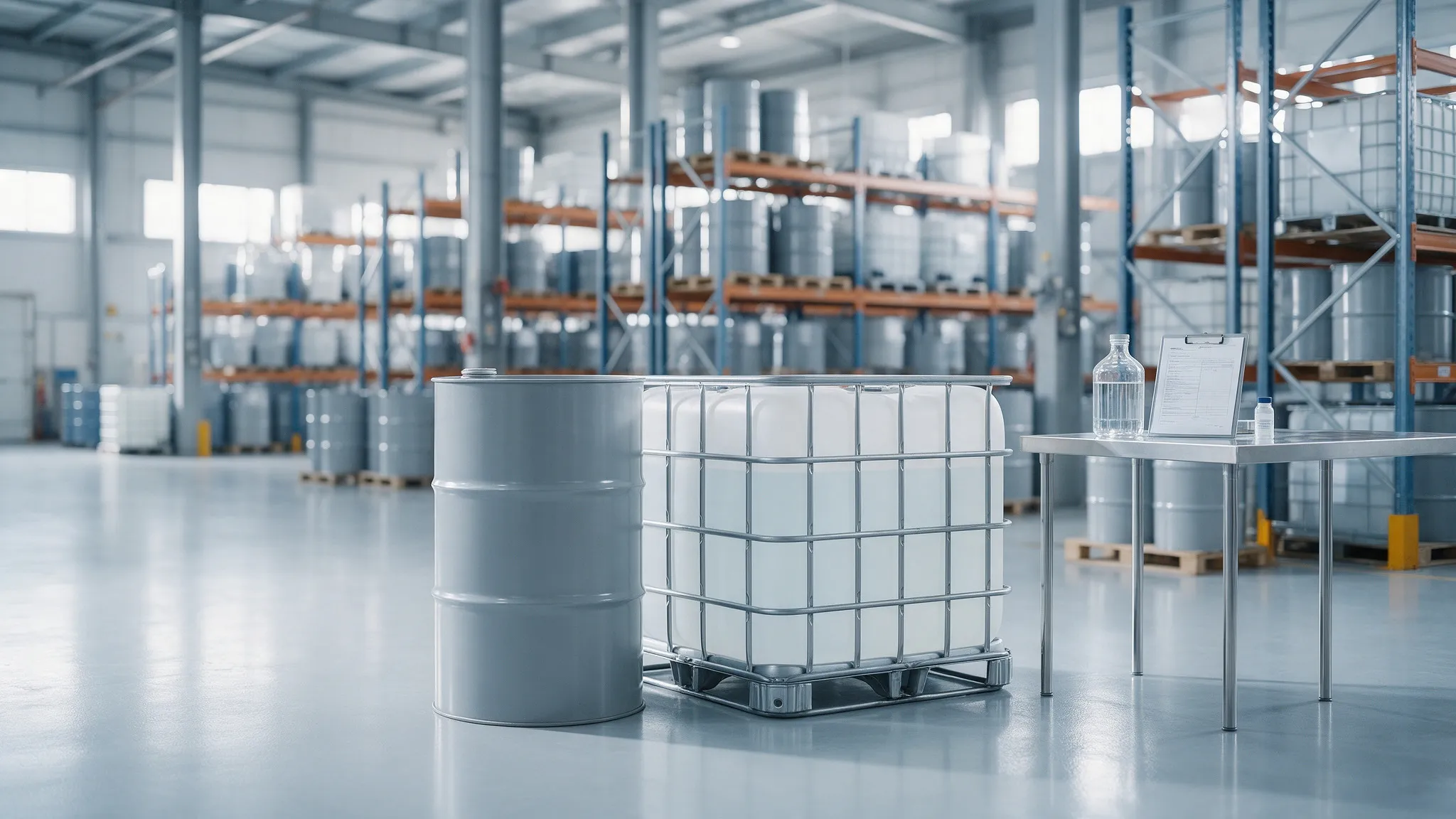
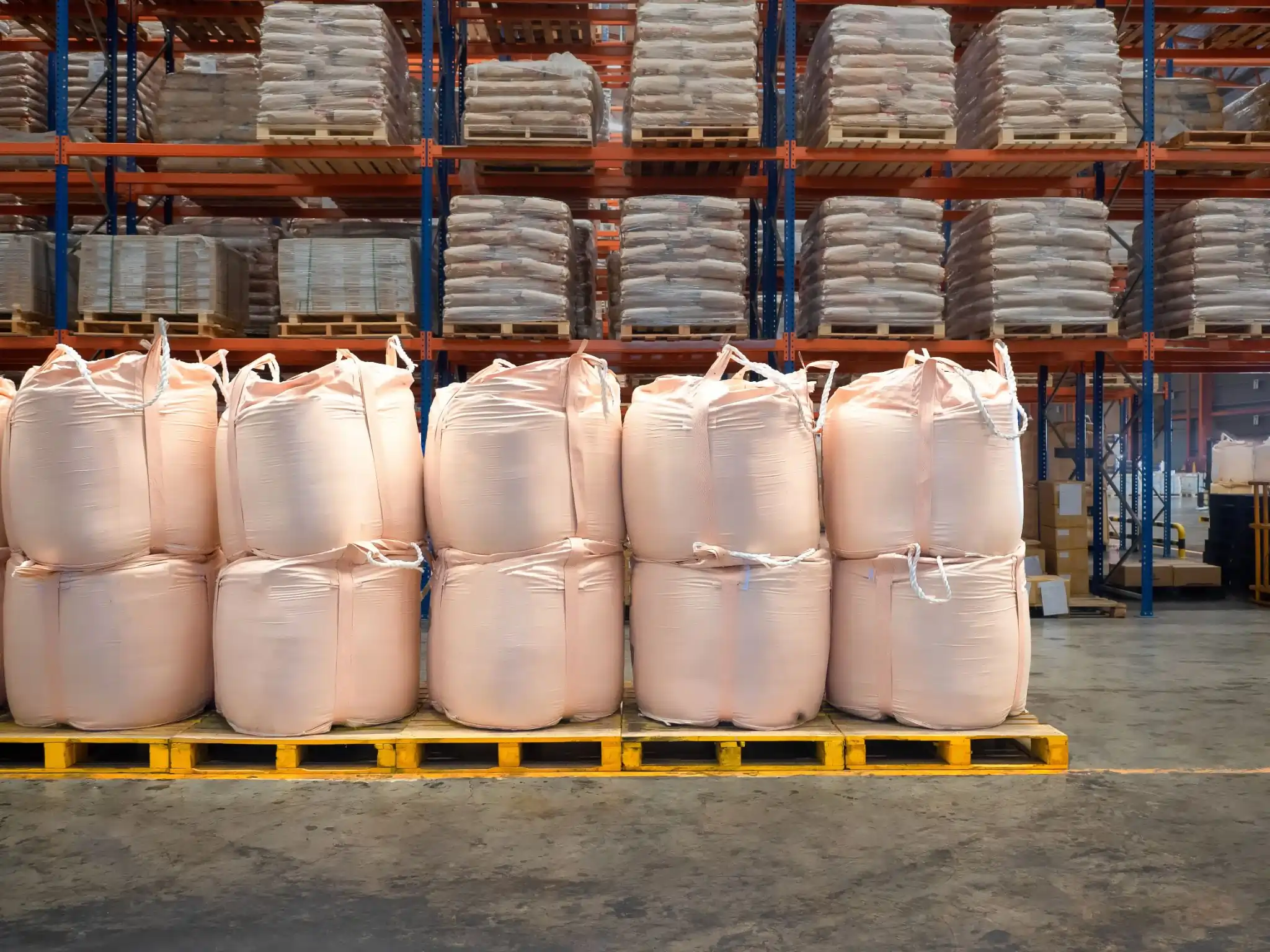
| Container load | 18 to 24 tonnes (20ft/40ft) | Lowest in range | Standard for large-scale manufacturers and distributors |
This step pattern exists because fixed packaging and handling costs get diluted across more kg as order size grows: a jumbo bag costs roughly the same to fill and label regardless of what’s inside it.
Application-Based Pricing: Does End Use Change the Price?
Yes. Food and beverage buyers pay a compendial-testing premium for consistent taste and safety margins. Pharmaceutical buyers pay the highest premium of all for batch traceability and tight impurity limits. Industrial buyers sourcing citric acid for cleaning applications typically pay the least, since descaling and chelating use cases don’t require food- or pharma-grade purity, and often accept the lower-cost liquid solution format instead of dry powder.
Citric Acid Liquid (50% Solution) vs Dry Citric Acid: Which Costs More?
Dry citric acid costs less per kg of active ingredient than the 50% liquid solution, since water dilutes the active content and adds shipping weight. Liquid ships in drums, totes, or bulk tanker rather than bags, but still wins for cleaning and detergent blending, where a ready-to-use solution saves on-site mixing labor, and for facilities without dry-material handling equipment.
| Feature | Dry Citric Acid (Powder) | Citric Acid 50% Solution |
| Price per kg of active ingredient | Lower | Higher |
| Typical packaging | Bags, jumbo bags | Drums, totes, bulk tanker |
| Freight cost impact | Lower (no water weight) | Higher (water adds shipping weight) |
| Best fit use case | Food, pharma, general blending | Cleaning/detergent formulation, no dissolving equipment on site |
What MOQ Should You Expect When Buying Citric Acid in Bulk?
MOQs typically range from a single 25 kg bag for trial orders up to a full 20ft or 40ft container for volume buyers, with 1-tonne jumbo bags the most common commercial format in between.
| Packaging Format | Typical MOQ | Best Fit Buyer |
| 25 kg bags | 1 to 5 bags | First-time buyers validating quality |
| 1-tonne jumbo bags | 1 to 2 bags | Regional manufacturers with steady mid-volume demand |
| Container load | 1 full container (18 to 24 tonnes) | Large-scale manufacturers and distributors |
MOQs exist because of production batch sizes (plants ferment in fixed batch volumes, not to order) and logistics economics (part-container shipments cost more per kg to handle and consolidate than full loads).
How to Calculate the True Landed Cost of Bulk Citric Acid
The FOB price per kg is not what you actually pay. Landed cost, the number that includes everything between the factory gate and your warehouse, is what determines whether a quote is competitive.
Landed Cost per kg = (FOB Price + Freight + Insurance + Import Duty + Handling) ÷ Total kg Ordered
- FOB Price: the supplier’s quoted price at the port of origin.
- Freight: ocean or air shipping cost for the full order.
- Insurance: cargo insurance for the shipment.
- Import Duty: tariff applied by your country’s customs authority.
- Handling: port handling, customs clearance, and inland transport to your facility.
Step-by-Step Example
Say a buyer orders a 20-tonne shipment at USD 1.00 per kg FOB. Freight runs USD 2,500, a 5% duty rate applies on landed value, and insurance/handling adds roughly USD 800. The final landed cost works out closer to USD 1.16 per kg, about 16% above the quoted FOB figure. This is the number to compare across suppliers: a quote at USD 0.95 per kg FOB from a distant port with higher freight can easily land more expensively than USD 1.05 per kg from a closer origin.
How to Source Bulk Citric Acid Powder Without Overpaying
- Request the current COA and TDS before comparing quotes. Don’t compare price until specifications match.
- Compare landed cost, not just FOB price per kg, using the formula above on every quote.
- Confirm grade and assay match your application. A cheaper industrial-grade quote is worthless if your process needs food or pharma grade.
- Negotiate MOQ flexibility for a trial order before scaling.
- Verify GRAS / REACH / FSSAI compliance for your target market; non-compliant product can be held at customs regardless of price.
- Lock pricing validity period and currency terms in writing, since feedstock volatility means a verbal quote can shift within days.
- Ask about price-break tiers at higher order volumes; most suppliers have a next tier available that they won’t volunteer unless asked.
Wholesale Citric Acid Distributor vs Direct Manufacturer: Which Should You Choose?
This is a tradeoff, not a universal winner. Distributors offer smaller MOQs, faster turnaround from regional stock, and stronger documentation support. Manufacturers offer a lower unit price at scale, cutting out the distributor’s margin, but with less flexibility on order size and often longer lead times.
| Feature | Wholesale Distributor | Direct Manufacturer |
| MOQ Flexibility | High | Low |
| Price at Scale | Higher | Lower |
| Lead Time | Shorter | Longer |
| Documentation Support | Strong | Variable |
| Single Point of Contact | Yes | Sometimes (via trading arm) |
A distributor still makes sense even when a manufacturer’s unit price is lower, if your order doesn’t hit the manufacturer’s MOQ or you need faster turnaround, consolidated documentation, or a single point of contact across multiple grades.
Where to Source Bulk Citric Acid in the US
US-based buyers generally choose between importing directly from Asia-Pacific capacity at a lower price with longer lead times, or working through a stocked citric acid distributor USA for faster turnaround and smaller MOQs. Steady, forecastable volume favors importing direct; variable or seasonal demand is usually better served by regional distributor stock.
Not sure which route fits your order size? Request bulk quote and we’ll size it against both options.
Compliance and Documentation Buyers Should Verify Before Committing to Volume
Before any large order ships, confirm you have the COA, TDS, and SDS on file, along with FDA GRAS, EU REACH, or India FSSAI status for your target market. Citric acid used in food applications carries GRAS recognition in the US under FDA 21 CFR 184.1033, removing most regulatory friction for formulators. Review our citric acid safety data alongside the COA, and for any first-time supplier relationship, request third-party lab verification before a large order ships.
FAQs
What is the average bulk price of citric acid per kg in 2026?
USD 0.85 to 1.60 per kg FOB, depending on grade: food grade around USD 0.90 to 1.25, pharmaceutical grade USD 1.20 to 1.60.
Is anhydrous citric acid more expensive than monohydrate?
Yes, typically 5 to 10% more per kg, due to the extra drying and crystallization step needed to remove bound water.
What is the minimum order quantity for bulk citric acid?
From a single 25 kg bag for trial orders up through 1-tonne jumbo bags to a full 20ft or 40ft container for volume buyers.
How do you calculate the landed cost of a bulk citric acid order?
FOB price plus freight, insurance, import duty, and handling, divided by total kg ordered; typically 10 to 20% above the quoted FOB price.
Does buying direct from a manufacturer save money over a distributor?
Yes, at scale, but only if your order meets the manufacturer’s MOQ; below that, a distributor’s flexibility and speed usually offset the higher unit price.
What documents should I request before placing a bulk citric acid order?
COA, TDS, and SDS at minimum, plus proof of GRAS, REACH, or FSSAI status for your target market.
Why do citric acid prices vary so much between suppliers?
Feedstock cost, production region, freight routes, order volume tier, currency exposure, and grade all stack together, so two quotes are rarely for the same underlying cost structure.
Conclusion
The lowest quoted price per kg rarely wins once freight, duty, and documentation gaps are factored in. The buyers who come out ahead compare landed cost and lock specification, currency, and validity terms in writing before committing to volume. Buy citric acid in bulk directly, or request bulk quote for your grade and order size, and we’ll run the landed-cost comparison with you.