

At a Glance
- Benzoic acid hazards include eye irritation, respiratory system irritation, and skin irritation
- Chemical classification: OSHA-regulated hazardous substance; GHS Category 3 respiratory irritant
- No federal OSHA occupational exposure limit (PEL) established; ACGIH recommends threshold limits
- Primary exposure routes: inhalation (dust, vapors from heated/molten material), skin contact (irritant response), eye contact (immediate damage possible)
- Benzoic acid vapors from hot or molten material may form explosive mixtures with air
- Acute health effects: Eye damage (24+ hours post-exposure possible), respiratory irritation, skin sensitization in susceptible individuals
- Accidental ingestion of less than 150 grams may be fatal or produce serious damage to health
- Not classified as carcinogen (IARC, NTP, OSHA); reproductive toxicity not reported
- Storage requirement: Keep away from oxidizing agents (nitrates, chlorine, pool chemicals); explosive mixture risk
- Workplace risk mitigation: Engineering controls (ventilation), PPE protocols (gloves, goggles, respirator program), hygiene procedures, incident response
Benzoic acid is widely used in industrial applications, such as food preservation, drug production, cosmetic formulations and solvents, but its hazardous properties are often overlooked. It is used every day on the job without awareness of risks of exposure, the time lag between exposure and symptoms, or what triggers emergency response.
This guide is not the typical chemical hazard communication resource; it is about what should happen when workers are exposed to a chemical, how workers can identify hazardous exposures before the incident, and the standards of compliance needed to keep workers safe.
Understanding Benzoic Acid: The Chemical Hazard Foundation
Benzoic acid, also known as phenylformic acid (C7H6O2), is an organic compound that is weakly acidic and has various applications, including in food processing, pharmaceuticals, cosmetics, and industry. This is because it is ubiquitous in the diet and becomes part of the “food additive” lexicon, without being recognized by the workers as posing actual dangers to their health when used in concentrated amounts or under certain conditions.
Benzoic Acid Hazards Are Very Real But Easily Ignored
Consumer grade benzoic acid (food additive): FDA regulated with safety margin at 0.1% w/w in foods.
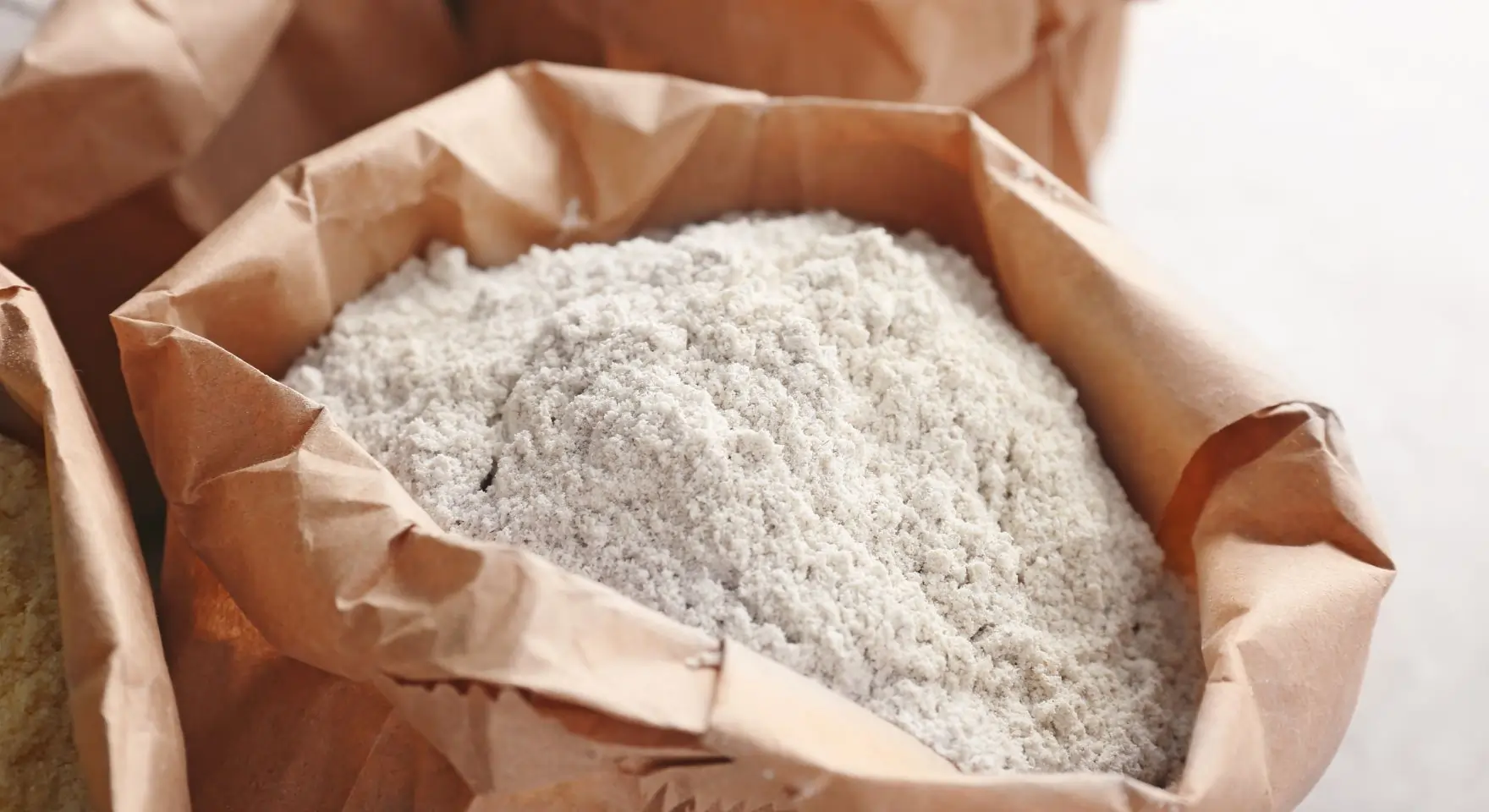
Industrial grade benzoic acid (powder, >95% purity): This will pose a health risk on direct contact in this concentration, inhaling the dust in this concentration will cause a respiratory risk, heats will increase the risk of inhaling vapors.
The confusion: Workers think of industrial grade benzoic acid as being the same as food grade. The separation of the hazards is qualitative and is a difference of 10-100x in concentration of exposure.
Chemical Properties Driving Hazard
Melting point: 122°C with vaporization above this point
Vapor pressure: Rises rapidly above 100°C; closed heated systems (reactors, dryers) build up dangerous vapor concentrations
Retention window for irritation: Slightly soluble, so time on skin is increased before it will be removed by washing
Reactivity with oxidizers: Exothermic reactions with contact to oxidizers such as chlorine, nitrates, strong oxidizing acids; fire/explosion risk under certain conditions
Stability: Stable at normal room temperature, but decomposition will occur by heating at 200°C+
What Really Happens to Workers During Acute Hazard Exposures
If a person understands the potential of an acute exposure, he or she will not accept dangerous practices as commonplace.
Inhalation Exposure: The Most Common Industrial Hazard
Scenario: Benzoic acid powder is handled in open areas. The fume hood is not being used properly. There is no local exhaust ventilation, and worker is transferring benzoic acid powder from bag to reactor.
Exposure Route: Generation of dust during transfer, worker inhales the dust directly
Immediate effects (0-15 minutes):
- Irritation in the throat (coughing, dryness in throat)
- Nasal irritation (sneezing, sinus irritation)
- Not immediate respiratory trouble (disguised lack of alarm)
Delayed effects (30 minutes – 4 hours after exposure):
- Prolonged exposure may result in respiratory irritation and thus respiratory issues
- Coughing intensifies
- Shortness of breath in case of heavy exposure
- Workers might be unaware that respiratory symptoms are related to their past exposure to benzoic acid
Outcome when not recognized: Ongoing exposure to contaminated environment; increasing respiratory irritation; increased risk of greater reaction in individuals who are sensitive
Prevention: Local exhaust ventilation (fume hood, dust collector) removes dust at the source to eliminate inhalation hazard.
Molten Benzoic Acid Vapor Exposure in Heated Reactor
Exposure mechanism: Worker exposure to vapors is through vapors (not dust); vapors are concentrated in the worker’s breathing zone; inhalation of vapor (not dust)
Immediate effects:
- Very short-term respiratory irritation (more severe than dust irritation)
- Throat tightness
- Immediate coughing reflex
- Eye watering
- Signs are seen within seconds of exposure; last 30+ minutes after removed from source
If unrecognized: Worker thinks it is minor irritation; resumes work; exposure to vapors continues; exposure to the vapors increases the irritation to the respiratory system; medical attention may be necessary
Prevention: Engineering control: area to be operated as a closed system equipped with vapor extraction; worker is never directly exposed to vapor.
Eye Contact: The Most Severe Acute Hazard
Scenario: The worker accidentally splashes benzoic acid dust/liquid into their eye(s).
Risk: Powder manipulation or liquid transfer in the eyes
Immediate effects (0-1 minute):
- Intense burning sensation
- Difficulty sustaining attention and/or keeping eye open
- Excessive tearing
Delayed effects (2-24 hours after exposure):
- Damage to the eyes can happen 24 hours after you first instill it or many hours later, and it can be serious
- Worker may develop serious keratitis or corneal damage hours after they come in contact with the product
- Vision changes may not be noticeable at first
Critical issue: Worker washes eyes (properly), but suffers severe eye damage 12-24 hours later but does not associate the situation with exposure to benzoic acid. A delay in diagnosis is a worsening of the injury.
Emergency procedures: Emergency eyewash station within 15 feet of handling area; Eyewash protocol training (required PPE)
Skin Contact: The Overlooked Exposure Pathway
Scenario: A worker’s forearm comes in contact with benzoic acid that has spilled; contaminated clothing is not removed.
Exposure mechanism: Benzoic acid particles are left on skin surface when they are covered by contaminated clothing; moisture (sweat) dissolves the particles and provides irritant exposure at localized sites.
Immediate effects:
- Little or no sensation (dry powder maybe itching a little bit only)
- The worker might not be aware of the hazard
Delayed effects (15-30 minutes):
- Localized redness develops
- Itching intensifies
- Risk of sensitization (allergic reaction) if previously exposed or with skin predisposition
Duration: Irritation lasts 1-4 hours after the contaminated clothes have been removed; may worsen if the skin barrier has been impaired by cuts, eczema, dermatitis, etc.
Prevention: Remove contaminated clothes immediately, wash skin thoroughly with soap/water, chemical-resistant washers/gloves when handling, skin inspection protocol for workers who are known to be sensitive.
Control: Use one or more cloths to wipe up powder spilled during transfer; clean up promptly by washing with soap and water.
Compliance Standards and Legal Requirements
OSHA Regulations: The Legal Baseline
Classification: Benzoic acid is a hazardous substance under OSHA 29 CFR 1910.1200 (Hazard Communication Standard).
Permissible Exposure Limit (PEL): Does not have an OEL for benzoic acid.
Key implication: If there is no federal PEL, OSHA uses the “General Duty Clause” which states that the employer must keep workplaces free of recognized hazards that cause or are likely to cause death or serious physical injury. In reality, this means that the employer has a greater responsibility than the specific PELs, as the compliance is based on industry best practices and feasibility, and not a single numerical limit.
GHS Classification (Globally Harmonized System)
Physical hazard: Not classified; Benzoic acid is stable solid under normal conditions.
Health hazard classification:
- Categorized as Respiratory irritation (STOT, Single Exposure) – Category 3
- Eye irritant (Category 2)
- Skin irritant (Category 2)
- In most sources not classified for skin sensitization, individual sensitivity cases reported
Signal word: Warning (lower level of hazard than “Danger”)
Hazard statements:
- H315: May irritate the skin
- H319: Seriously irritates eyes
- H335: May irritate the respiratory system
ACGIH Threshold Limit Values (TLVs)
Threshold limits are recommended by the ACGIH where federal OSHA has not set PELs.
Benzoic acid TLV (guidelines): Not mandatory, usually 1-5 mg/m³ for inhalable particulate
Practical application: If using ACGIH guidelines (many large manufacturers do), keep documentation of exposure monitoring and comply with recommended exposure limits.
California OSHA (Cal/OSHA) Standards
California’s Cal/OSHA standards are typically more stringent than federal OSHA standards.
A hazard assessment and a hazard control strategy is required for use of benzoic acid as a hazardous substance. The requirement is for facilities in California to document hazards identified and controls implemented.
Regulation (EU) No 1272/2008 (EU REACH Regulation)
If exporting to Europe, the REACH (Registration, Evaluation, Authorization, Chemical Restriction) regulation requires:
- Chemical safety report for benzoic acid
- Exposure scenarios documentation
- Data regarding risk characterization (safe use conditions)
REACH cost of compliance: $5,000-20,000 per chemical registration, no products are allowed on the EU market if they are not compliant.
State-Specific Hazardous Substance Lists
New Jersey Right to Know: Hazard fact sheets must be provided to workers by employers; Benzoic acid is listed.
Massachusetts Hazardous Substance List: Benzoic acid is listed; workplace safety committee notification is required.
Pennsylvania Hazardous Substance List: Listed; must provide hazard assessment documentation
Practical Application: For the states listed, keep records of compliance with the requirement for benzoic acid if operating in those states or shipping to customers in those states.
Exposure Monitoring and Assessment Framework
When Exposure Monitoring Is Required
- Worker routinely works with benzoic acid in a form that creates dust (powder, granules)
- Benzoic acid is heated above 100°C, there is risk of vapor generation
- Facility has inadequate engineering controls (local exhaust ventilation)
- Facility cited by regulatory agency (OSHA, EPA, state) for hazardous substance violations
- Respiratory symptoms are reported by workers handling benzoic acid
Exposure Monitoring Methods
Personal air sampling method (gold standard):
- Pump-based sampling: Worker uses pump on belt and inhales air through air collection filter attached to the lapel for 6-8 hours
- Results report the level of worker exposure in relation to the ACGIH TLV
- Analysis time: 3-7 days; Number of samples recommended: 5-10 samples to characterize exposure profile
- Cost: $200-500/sample
- Record of stability: Annual for stable processes; quarterly if recent changes made
Area sampling (environmental monitoring):
- Samples collected by stationary samplers located adjacent to areas of benzoic acid handling
- Measures overall background level of exposure (background + point sources)
- Duration: 12-15 hours (may be longer depending on expected concentrations); faster than personal sampling
- Use case: Determine the baseline status of a facility prior to taking controls into place
Real-time monitoring (spot checking):
- Hand-held dust monitors give immediate feedback on the work being performed
- No lab analysis required, results are immediate
- Use case: Verification after implementation of the control and troubleshooting of specific operations
Documentation Requirements
The following information should be documented in benzoic acid monitoring:
- Date, time and location of sampling
- Worker/area identification
- The sampling method used (personal, area, real-time)
- Results (measured concentration)
- Standardize the conditions when samples are taken
- Interpretation is the process of comparing and contrasting to the ACGIH TLV or facility limits
- Action taken if exceeds the limit
- Preservation: 30 years (OSHA access requirement); available to workers, representatives as requested
Engineering Controls: The Hierarchy of Protection
Level 1: Elimination (Highest Priority)
Is it possible to do away with handling of benzoic acid? Rarely, but evaluate:
- Substitute with pre-formulated product (less dusty form)
- Use a contract manufacturer to process benzoic acid
- Eliminate dust, reduce vapor potential by using liquid benzoic acid solution rather than dry powder
Cost benefit: Usually more costly than adding controls, but can completely remove the hazard.
Level 2: Substitution
Use less dangerous alternative:
- Use of benzoic acid liquid solution (5-50% w/w) rather than dry powder
- Benzoic acid in matrix material (to minimise dust generation)
- Alternative preservative may be used if there is no objection (may need to be reformulated, may involve cost)
Effectiveness: Reduces inhalation hazard, skin/eye hazard still exists
Level 3: Engineering Controls
Engineering controls are the most common controls used to eliminate or reduce hazards and risks.
Local exhaust ventilation (LEV):
- Fumehood for handling of small-scale (batch of less than 10 kg)
- For heated applications, an enclosed reactor system using vapor extraction is available
- The dust collector is used for dust removal in powder transfer operations
- Set-up: Can be easily installed and is straightforward to maintain
- Cost: $3,000-15,000 initial installation; $500-1,000 annual maintenance
- Critical: Without filter changes, duct cleaning and airflow verification, the efficiency of the LEV decreases quickly
Closed transfer systems:
- System for connecting bags to reactors (no powder falls out exposed)
- Transferring from storage container to processing equipment by vacuum transfer
- Avoids open handling exposure
- Size: 20,000 liters; applicable if benzoic acid is used on a regular basis
Level 4: Administrative Controls
Reduce exposures that cannot be controlled by engineering changes:
- Plan hazardous activities for periods of low occupancy (low bystander exposure)
- Rotate workers to reduce the length of time exposed
- Hazard recognition and avoidance of exposure training
- Cleanliness measures (washing hands, changing contaminated clothes as soon as possible)
Exposure reduction: 20-50% exposure reduction; much less effective than engineering controls
To implement: Low cost – mostly procedural documentation and training time
Level 5: Personal Protective Equipment (PPE)
Make sure there is enough personal protective equipment available (Lowest priority, but essential!)
Respiratory Protection:
- Dust masks (N95, P100): Suitable for dust only, not for vapor exposure; not to be used for long periods of time
- Acid vapor cartridge half-face respirator: Must be used in heated benzoic acid areas
- Full-face respirator: Required when there is a risk of eye/face contact as well
- OSHA Respirator Program (Medical Evaluation, Fit Testing, Training) is mandatory when respirators are required
Eye Protection:
- Safety Glasses with side shields: Minimum for general awareness
- Splash-resistant goggles to be worn when handling benzoic acid
- Face shield: Extra protection when splashing is likely to occur
- Emergency eyewash: Must be within 15 ft. of handling area, must be worker trained for operation
Skin Protection:
- Chemical resistant gloves (Nitrile is not enough, use neoprene or butyl rubber for long exposure times)
- Chemical resistant shirt or chemical resistant apron with long sleeves
- Closed toes shoes (which will protect from spills)
Contaminated Clothing Removal and Replacement: Immediate action protocol
Incident Response Protocol
Inhalation Exposure Response
If worker inhales benzoic acid dust or vapors:
- Immediately move worker to fresh air (away from benzoic acid source)
- Evaluate for difficulty breathing (emergency – call 911)
- In case of mild irritation: Monitor for 30+ minutes to check for symptoms worsening
- In case of respiratory distress: Seek immediate medical attention; tell medical personnel that exposure to benzoic acid has occurred (this aids the diagnosis)
- Make sure to document incident: Date, time of incident, duration of exposure, response actions, symptoms developed
- If symptoms of the respiratory system continue, or worsen, consult the Health Care Professional and notify the Workplace Safety Officer
Eye Contact Response
In case of eye contact:
- Immediately rinse with large volume of water for minimum 15 minutes
- Take out contact lenses if in place (Pull upper/lower eyelid to rinse under lenses)
- Rinse on and off continuously – if irritation continues, do not stop after 15 minutes
- Rinse and seek medical attention (don’t wait to receive initial rinse before seeking medical attention)
- Alert medical personnel to chemical exposure (allows proper treatment protocol)
- Critical – Damage to the eye can result 24+ hours after exposure; see a doctor for evaluation even if the eye initially feels better
- Document: Time of incident, duration of rinsing, medical facility treatment, follow-up examination results (important if delayed damage occurs)
Skin Contact Response
In case of contact with skin:
- Take off any tainted clothes right away
- Clean affected area with soap and water (at least 5-10 minutes)
- Keep washing; if irritation occurs even after washing, go to your doctor
- Watch for allergic sensitization (rash, spreading irritation, development of hives)
- Write down: Exposure time, removal of contaminated clothing, wash time, symptoms
- Probability of sensitization is significantly reduced with thorough washing within 15 minutes of exposure
Ingestion Exposure Response
If benzoic acid ingested (accidental):
- Inhalation of less than 150 g may be fatal or cause severe health effects
- Call Poison Control immediately (1-800-222-1222 in USA)
- Do NOT induce vomiting; follow instructions from Poison Control
- Seek emergency medical attention
- Take benzoic acid container/SDS to hospital for medical reference
- Note: Benzoic acid is not usually made in a form that can be swallowed, but there is potential for accidental ingestion in liquid forms
OSH Program Components

A comprehensive benzoic acid safety program is needed:
Chemical Inventory & Labeling
- Keep accurate record of all quantities, locations and forms of benzoic acid (powder/liquid)
- Make sure all containers are marked with GHS hazard symbols and signal words
- Add or change labels on secondary containers
- Documentation: Chemical name, Hazard classification, Suppliers contact details
Safety Data Sheets (SDS) Management
- Get fresh SDS from supplier for each product of benzoic acid received
- Ensure SDS is easily available to all workers (preferably electronically; paper copies OK)
- Check for annual updates on SDS (suppliers will update hazard information as research progresses)
- If not all workers speak English, ensure that SDS is available in worker languages
Worker Training
Required training elements:
- Identify potential hazards: characteristics of benzoic acid that make it hazardous; and Acute health effects time line: Health effects from exposure to benzoic acid will develop over time
- Exposure routes: Inhalation, eye contact, skin contact are in order of increasing relative severity
- Ventilation: How it works and why closed systems are better
- Selection and use of PPE, why certain gloves/goggles are required, how they are to be put on and taken off
- How to interpret the results of exposure monitoring; How to sample; Interpretation of exposure monitoring results
- Incident response: First aid for various exposures; when to go to the doctor
- Housekeeping: Cleaning up spills, preventing dust while cleaning up
Frequency: New training required prior to worker handling benzoic acid; refresher training required every year and for changes in procedures.
Documentation: Keep training records (name, date, trainer, training contents) for 30 years.
Medical Surveillance
A medical monitoring is appropriate when:
- Benzoic acid is frequently used by workers in its concentrated form
- Exposure monitoring shows exposures near to the ACGIH TLV
- Workers experience health effects that could be related to benzoic acid (recurrent skin effects, respiratory irritation)
Baseline medical exam: Respiratory Function Testing (Spirometry), Medical history (allergies/sensitivities), Skin examination
Ongoing: Annual examination of workers who have high levels of exposure; more frequent if symptoms occur
Cost: $300-600 per exam, which is worth the price. Sensitization will be identified early.
Incident Investigation & Corrective Action
If there is an exposure incident:
- Determine what controls failed, why worker was exposed
- Determine if incident was isolated or indicates systemic deficiency
- Implement corrective action (engineering control improvement, procedure change and additional training)
- Follow-up verification: Ensure corrective actions taken are effective; monitor for recurrence
- Documentation: Incident report, findings of investigation, corrective actions, verification of effectiveness
Conclusion
Respiratory irritation, eye damage, skin sensitization, and explosive vapor mixtures are all hazards of benzoic acid that have been documented. But they can all be completely controlled by a combination of engineering controls, administrative procedures and worker training.
The key point: Most accidents with the chemical are caused by a lack of engineering controls, normalization (“it’s just a food additive” by the workers) or inadequate response protocols. Facilities with comprehensive safety programs (engineering controls, monitoring, training and/or incident response) see essentially no severe incidents.
Exposure to benzoic acid, without controls, makes it a hazard; exposure to benzoic acid with controls makes it manageable. The right strategy of risk management is preventing exposures.