

At a Glance
- The terms activated carbon and activated charcoal are often used interchangeably, causing confusion
- Activated Carbon vs Activated Charcoal is mainly a distinction of terminology, grade, and application, not chemistry
- Both materials are widely used in U.S. water purification and air treatment systems
- Performance depends on source material, activation method, pore structure, and particle form
- Industrial, municipal, and residential systems use different grades based on regulatory and operational needs
- This guide explains differences, use cases, and how U.S. buyers choose the right material
Activated filtration plays a critical role in modern water and air treatment systems across the United States. From municipal drinking water plants to industrial exhaust control and residential air purifiers, carbon-based adsorption materials are a core technology.
Yet one question continues to surface across procurement teams, engineers, and even end users: Activated Carbon vs Activated Charcoal, are they actually different materials or just different names?
This confusion is understandable. Both materials come from carbon-rich sources, both undergo activation, and both remove contaminants through adsorption. However, how the terms are used in U.S. water and air treatment contexts matters for performance, compliance, and purchasing decisions.
This guide breaks down what activated carbon and activated charcoal really are, how they differ in practice, and how U.S. treatment systems choose between them.
Understanding the basics of activated adsorption
At its core, activated adsorption relies on carbon materials with extremely high surface area. This surface area is created by activating raw carbon sources at high temperatures, often in the presence of steam or chemicals.
Activation creates a network of microscopic pores. These pores trap contaminants through physical and chemical interactions. The effectiveness of adsorption depends on:
- Pore size distribution
- Surface chemistry
- Contact time
- Contaminant type
Both activated carbon and activated charcoal operate on this same principle.
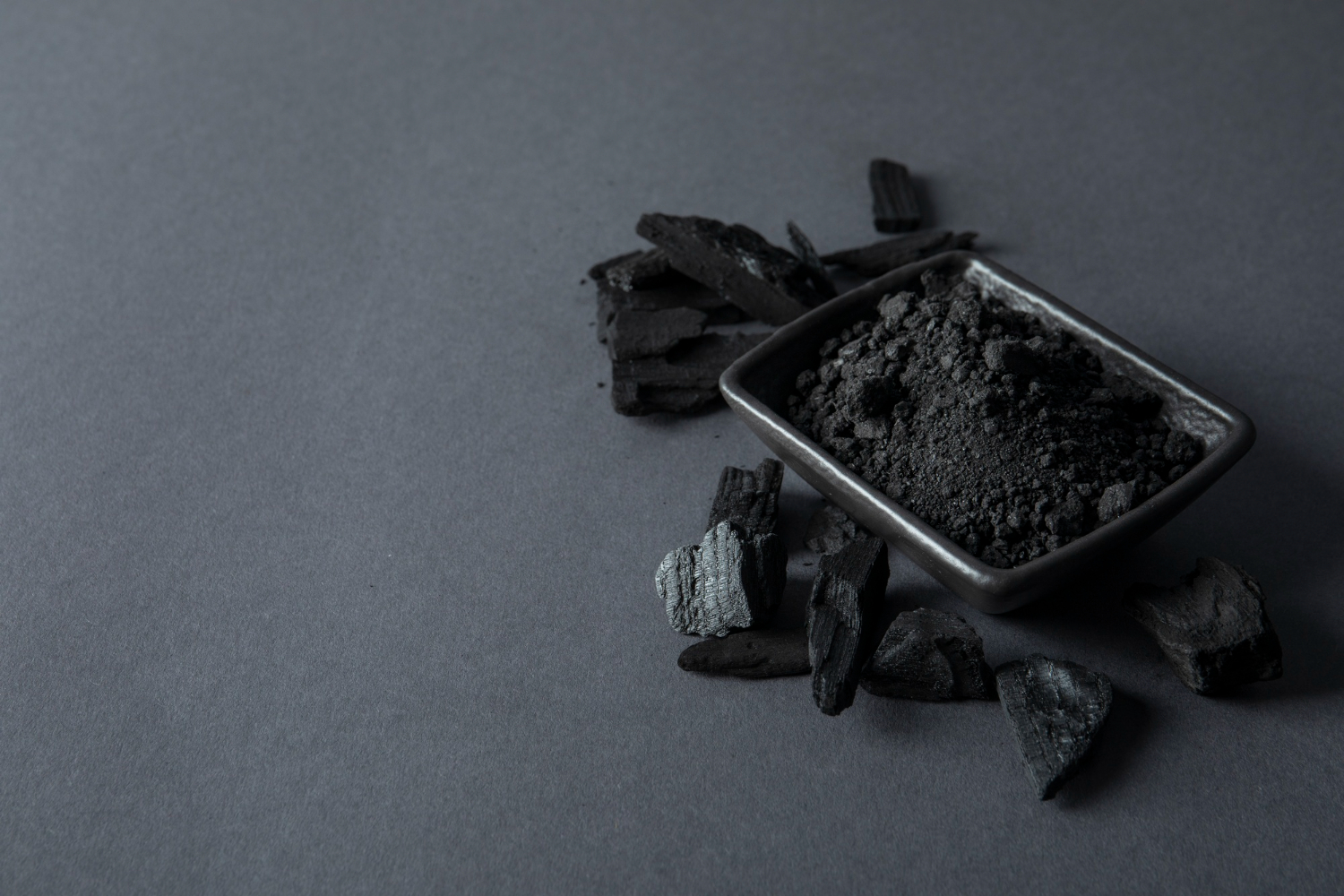
What is activated carbon
Activated carbon is a processed carbon material designed specifically for industrial, municipal, and technical applications. It is typically produced from raw materials such as:
- Coal
- Coconut shells
- Wood
The activation process is carefully controlled to achieve specific pore structures suitable for removing targeted contaminants.
In the U.S., activated carbon is the preferred term in engineering, environmental, and regulatory contexts. It is the standard material referenced in water treatment specifications, air pollution control systems, and industrial filtration equipment.
Activated carbon is available in multiple forms:
- Granular activated carbon (GAC)
- Powdered activated carbon (PAC)
- Extruded or pelletized carbon
Each form serves a different operational purpose.
What is activated charcoal
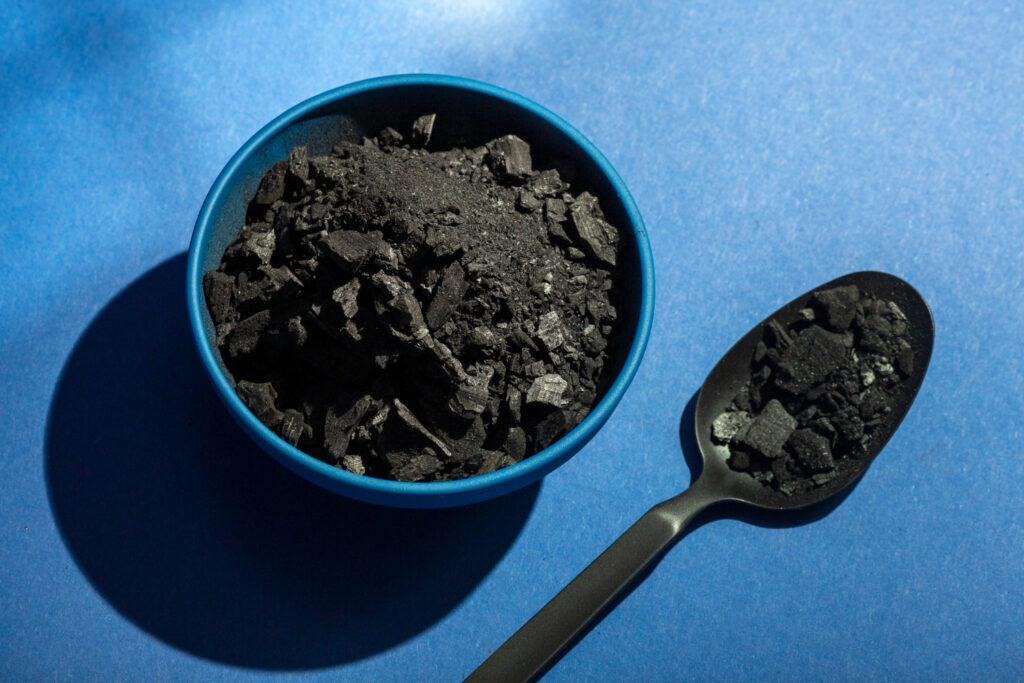
Activated charcoal is chemically very similar to activated carbon. The key difference lies in how the term is used rather than in its molecular structure.
In the U.S. market, activated charcoal is more commonly associated with:
- Consumer products
- Medical and pharmaceutical uses
- Personal care and wellness applications
It is often derived from wood or coconut shells and may be marketed with less emphasis on industrial performance metrics.
While activated charcoal can technically be used for filtration, it is not always produced to the same consistency or specification required for large-scale water or air treatment systems.
Is activated carbon the same as activated charcoal
This brings us to the common question: is activated carbon the same as activated charcoal?
From a chemistry standpoint, yes. Both are forms of activated carbon material. The difference lies in:
- Terminology
- Intended application
- Manufacturing controls
- Performance documentation
In U.S. industrial and environmental applications, “activated carbon” signals a material produced under strict quality standards. “Activated charcoal” is often a consumer-facing term and may not meet the same performance requirements.
So while the base material is similar, they are not always interchangeable in regulated systems.
Why terminology matters in U.S. water treatment
Water treatment systems operate under strict federal and state regulations. Materials used must meet defined performance and safety criteria.
Activated carbon used in drinking water treatment must often comply with:
- NSF/ANSI standards
- EPA guidelines
- State-level water authority requirements
These standards specify adsorption capacity, impurity limits, and material consistency.
Activated charcoal marketed for general use may not carry this documentation. Using the wrong grade can lead to compliance issues, reduced contaminant removal, or operational inefficiencies.
Applications in U.S. water treatment
Activated carbon plays a vital role in both municipal and industrial water treatment.
Municipal drinking water
In drinking water systems, activated carbon removes:
- Chlorine and chloramines
- Taste and odor compounds
- Organic contaminants
- Disinfection byproducts
Granular activated carbon is commonly used in fixed-bed filters or contactors, while powdered activated carbon is dosed during treatment spikes.
Industrial process water
Industries use activated carbon to protect equipment, improve water quality, and meet discharge standards.
Common uses include:
- Boiler feed water treatment
- Cooling water systems
- Wastewater polishing
Consistency and predictability are critical here, making industrial-grade activated carbon the standard choice.
Applications in U.S. air treatment
Air treatment systems rely on activated carbon for gas-phase adsorption rather than particulate filtration.
Industrial air pollution control
Activated carbon removes volatile organic compounds, acid gases, and toxic vapors from exhaust streams. Pelletized carbon is often preferred due to low pressure drop and durability.
Indoor air quality systems
Commercial buildings and data centers use activated carbon filters to control odors and chemical off-gassing. Performance depends on pore structure matched to target gases.
Activated charcoal may appear in consumer air purifiers, but these systems typically operate at lower airflow and contaminant loads.
Key differences in performance expectations
When comparing Activated Carbon vs Activated Charcoal, performance expectations are a major differentiator.
Activated carbon for industrial use is specified based on:
- Iodine number
- Surface area
- Pore volume
- Ash content
- Particle size distribution
Activated charcoal products may not publish these metrics, making performance less predictable in technical systems.
Comparison table
| Parameter | Activated Carbon | Activated Charcoal |
| Typical use | Industrial and municipal | Consumer and medical |
| Quality control | High | Variable |
| Performance data | Documented | Limited |
| Regulatory acceptance | Widely accepted | Limited in treatment |
| Cost | Higher | Often lower |
| Consistency | High | Varies by source |
This table highlights why industrial buyers typically specify activated carbon rather than charcoal.
Raw material and activation method impact
Not all activated carbons perform the same.
Coconut shell-based carbons offer high microporosity, making them ideal for removing small organic molecules. Coal-based carbons provide broader pore size distribution, suitable for complex contaminant profiles.
Activation method also matters. Steam activation favors physical adsorption, while chemical activation can tailor surface chemistry.
These variables are carefully controlled in industrial activated carbon production.
Selection criteria used by U.S. buyers
Choosing the right carbon material involves more than terminology.
U.S. manufacturers and municipalities evaluate:
- Target contaminants
- Flow rate and contact time
- Regulatory requirements
- System design constraints
- Replacement frequency and lifecycle cost
- Activated carbon suppliers provide technical support, performance testing, and compliance documentation to support these decisions.
Cost versus lifecycle performance
Activated charcoal may appear cheaper upfront. However, shorter service life, inconsistent adsorption, or regulatory non-compliance can increase long-term costs.
Activated carbon often delivers:
- Longer operational life
- Predictable breakthrough curves
- Lower system downtime
Lifecycle cost, not unit price, drives most professional purchasing decisions.
Sustainability considerations
Sustainability is becoming more important in U.S. treatment markets.
Coconut shell-based activated carbon is often preferred due to renewable sourcing. Reactivation and recycling programs further reduce environmental impact.
Activated charcoal products vary widely in sourcing and reusability, making sustainability claims harder to verify.
Common misconceptions
Many buyers assume charcoal is less processed or more natural. In reality, activation intensity and quality control matter more than naming.
Another misconception is that all activated carbons perform the same. In practice, matching pore structure to contaminant profile is essential for effective treatment.
Future trends in carbon-based filtration
U.S. water and air treatment markets continue to evolve.
Trends shaping future use include:
- Tighter contaminant regulations
- Increased focus on PFAS removal
- Advanced carbon impregnation technologies
- Improved reactivation methods
These trends favor engineered activated carbon systems with well-defined performance characteristics.
Conclusion
The debate around Activated Carbon vs Activated Charcoal often stems from terminology rather than chemistry. While both materials share the same fundamental structure, their intended use, quality control, and regulatory acceptance differ significantly.
So, is activated carbon the same as activated charcoal? Chemically, yes. Practically, not always. In U.S. water and air treatment applications, activated carbon remains the preferred and trusted material due to its consistency, documented performance, and compliance readiness.
Choosing the right carbon material requires understanding the application, performance requirements, and regulatory environment. When filtration performance and reliability matter, activated carbon is the clear standard for professional treatment systems.