

At a Glance
- Activated carbon removes contaminants through adsorption, where organic molecules bind to the carbon surface through Van der Waals forces, not absorption into the material itself
- Two main forms exist: granular activated carbon (GAC) for continuous fixed-bed filtration and powdered activated carbon (PAC) for batch or emergency treatment, with PAC costing 2 to 3 times less upfront but GAC cheaper long-term due to regeneration
- GAC is classified by the US EPA as a best available technology for PFAS removal following the April 2024 final rule setting the first enforceable drinking water limits for six PFAS compounds
- Activated carbon does not remove bacteria, viruses, heavy metals, nitrates, fluoride, or microplastics reliably, and works best on organic compounds with low water solubility
- Carbon exhaustion shows up as returning chlorine taste or odor, and filters typically need replacement every 6 to 12 months
- Spent GAC can be thermally regenerated with 5 to 10% carbon loss per cycle, while chemical and emerging electrochemical regeneration methods offer on-site alternatives with lower energy use
Its, industrial facilities, and millions of households rely on activated carbon water treatment to remove organic contaminants, chlorine, unpleasant tastes and odors, and increasingly concerning micropollutants. The U.S. Environmental Protection Agency (EPA) considers adsorption by activated carbon to be the best available technology for the removal of many contaminants in surface water.
Understanding how this remarkable material functions, where it excels, and its limitations helps explain why activated carbon remains indispensable to modern water treatment despite being used for this purpose for over a century.
How Activated Carbon in Water Treatment Actually Works?
Removal takes place through adsorption phenomena based on surface interactions between contaminants and carbon graphitic platelet surfaces. Understanding the distinction between adsorption and absorption is critical. Adsorption is the accumulation of a gas or liquid on the surface of a liquid or solid substrate, as opposed to absorption, in which the encroaching substance enters the substrate’s bulk or volume.
The Adsorption Mechanism
These contaminant-carbon surface interactions occur through Van der Waal forces and induced dipole interactions. The process works in several steps:
Physical Adsorption:
-
- Contaminant molecules in water contact the carbon surface
-
- Van der Waals forces attract organic molecules to graphitic platelets
-
- Molecules become trapped in nanometer-sized pores between carbon layers
-
- Activated carbon graphitic platelets induce neutral organic molecules into intra-molecular dipoles
Chemical Adsorption: Chemical adsorption is a reaction that takes place on the surface of the carbon particle. Some contaminants undergo chemical reactions with functional groups on the carbon surface, creating stronger bonds than physical adsorption alone.
Factors Affecting Adsorption Efficiency
The characteristics of the chemical contaminant are also important. Compounds that are less water-soluble are more likely to be adsorbed to a solid.
Contaminant characteristics influencing removal:
-
- Molecular weight (larger molecules often adsorb better)
-
- Water solubility (less soluble compounds adsorb more readily)
-
- Chemical structure (aromatic compounds adsorb well)
-
- Concentration in water
-
- Polarity of the molecule
Carbon characteristics affecting performance:
-
- Particle and pore size distribution
-
- Total surface area available
-
- Surface chemistry and functional groups
-
- Density and hardness
-
- The degree of activation measured by its carbon tetrachloride number (CTC), with a value of 50 or more considered good for water treatment
-
- Relative surface area measured by Iodine Number (Io N) which for potable water treatment should be in the range of 900-1050
Types of Activated Carbon in Water Treatment
Granular Activated Carbon (GAC)
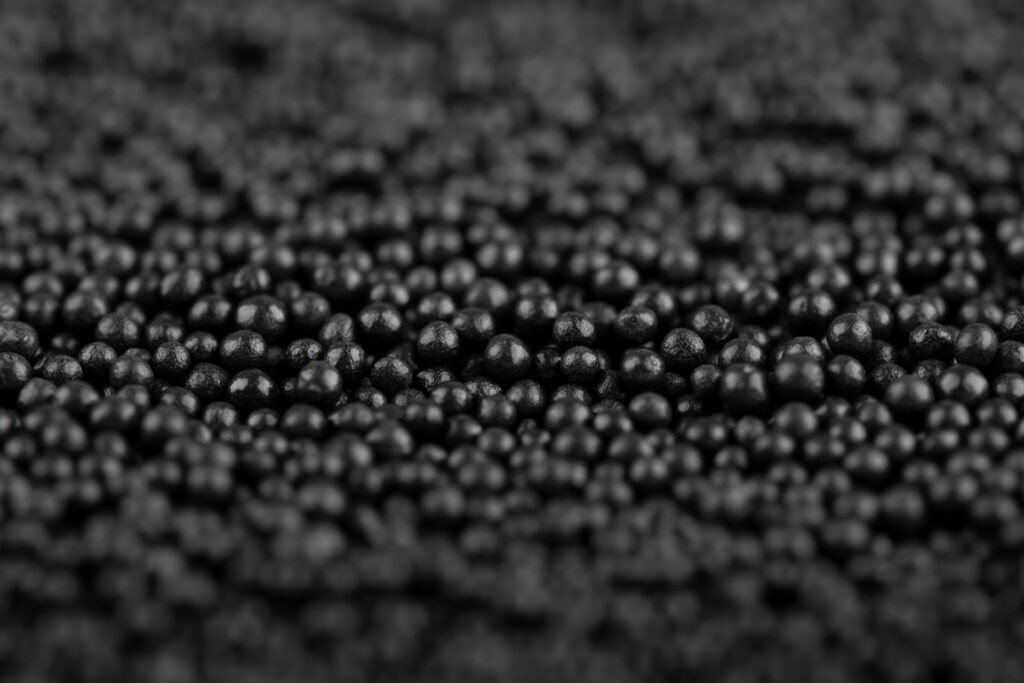
Known for its ability to remove a variety of contaminants through adsorption, granular activated carbon (GAC) is a widely used material in water treatment. GAC consists of particles typically 0.4-2.5 mm in size, designed for use in fixed-bed filters.
GAC Advantages:
-
- Can be regenerated and reused multiple times
-
- Suitable for continuous, long-term filtration
-
- Excellent mechanical stability
-
- Cost-effective for large-scale operations
-
- GAC costs more to produce because of strict size and density controls, but its ability to regenerate and long lifespan make it cost-effective for large, continuous operations
GAC Applications:
-
- Municipal drinking water treatment plants
-
- Industrial wastewater treatment
-
- Point-of-use home water filters
-
- PFAS removal in contaminated water sources
-
- Final polishing stage after conventional treatment
Powdered Activated Carbon (PAC)
Powdered, micron-sized activated carbon particles are milled from millimeter granular activated carbon and exhibit faster kinetics and a greater capacity for contaminant removal, when compared to carbons with larger particle sizes.
PAC Advantages:
-
- Powdered activated carbon is approximately 2 to 3 times cheaper than granular activated carbon
-
- The amount used can be adjusted according to the pollution level when this is a known factor
-
- Faster adsorption kinetics due to larger external surface area
-
- Ideal for emergency contamination episodes
PAC Applications:
-
- Powdered activated carbon can be used for sporadic contaminant episodes, such as algae blooms and industrial spills, that contaminate municipal influent waters
-
- Added to clarification process settling units
-
- Protection for fixed GAC beds against sudden contamination
-
- Batch treatment processes
| Characteristic | Granular (GAC) | Powdered (PAC) |
| Particle size | 0.4-2.5 mm | <0.177 mm |
| Adsorption speed | Slower (hours to days) | Faster (minutes to hours) |
| Usage pattern | Continuous flow through fixed beds | Batch addition to treatment process |
| Regeneration | Can be regenerated multiple times | Typically powdered activated carbon (PAC) is not regenerated, but rather, disposed of |
| Initial cost | Higher | Lower |
| Long-term cost | Lower (with regeneration) | Higher (single use) |
| Typical application | Fixed-bed filtration systems | Emergency treatment, clarification |
What Activated Carbon Removes (and What It Doesn’t)
Effectively Removed Contaminants
Activated carbon aids in the removal of: Compounds that cause unwanted taste, odor or color; Organic materials from decaying plants and other naturally-occurring contaminants; Disinfection byproducts (DBPs) linked to chlorine and alternative disinfectants; Algal toxins and cyanotoxins, such as microcystin-LR, cylindrospermopsin and anatoxin-A; Endocrine-disrupting compounds that can adversely affect hormonal systems; Pharmaceutical and personal care products (PPCPs) contamination.
Additional contaminants removed:
-
- Volatile organic compounds (VOCs)
-
- Pesticides and herbicides
-
- Industrial solvents
-
- Petroleum products
-
- Chlorine and chloramines
-
- PFAS — particularly long-chain compounds with 8 or more carbon atoms. Short-chain PFAS like PFBS and PFBA have weaker affinity for carbon and remain a known gap. The US EPA’s April 2024 final rule set the first legally enforceable MCLs for six PFAS compounds in drinking water, with GAC listed as a best available technology for compliance. This is now a major design consideration for utilities upgrading or expanding treatment capacity.
-
- Color bodies such as tannins
Limitations and Ineffective Applications
Activated carbon filters are efficient to remove certain organics, however, it is not effective for microbial contaminants, metals, nitrates and other inorganic contaminants.
What activated carbon cannot remove:
-
- Bacteria, viruses, and parasites
-
- Heavy metals (except trace amounts through specific mechanisms)
-
- Nitrates and nitrites
-
- Fluoride
-
- Sodium
-
- Hardness minerals (calcium, magnesium)
-
- Radioactive contaminants (except radon)
- Microplastics (partially captured in some conditions but not reliably removed, and not yet a standard design criterion)
-
- Low-molecular-weight alcohols (methanol, ethanol)
Low MW alcohols such as methanol and ethanol for instance are very soluble in water and not removed by GAC.
Regeneration and Service Life
When Does Activated Carbon Need Replacement?
Activated carbon does not last forever. It needs a periodic change-out with fresh virgin or reactivated carbon. Pores or physical adsorption spaces, which are nanometer-sized volumes between the graphitic platelets, eventually fill and are no longer capable of removing adsorbates.
Signs of carbon exhaustion:
-
- The most common sign that your activated carbon filter needs replacing is the return of chlorine taste and odor in the water
-
- Reduced flow rate through the filter
-
- Breakthrough of target contaminants in effluent testing
-
- Unpleasant smell returning to treated water
Typical service life:
-
- Change your activated carbon water filter every 6 months to 1 year
-
- The cost of replacing the carbon in the GAC filter form is about USD 0.05 – 0.1 per cubic meter of water
-
- Service life varies based on water quality, contaminant loading, and flow rates
Thermal Regeneration Process
Regeneration, often referred to as reactivation, is a method of thermally processing the activated carbon to destroy the adsorbed components contained on its surface.
Thermal regeneration stages:
-
- Drying: Material is dried to desired moisture content
-
- Volatilization: Material is heated up to around 1000° F, which volatilizes 75-90% of the adsorbed materials
-
- Reactivation: Steam is injected into the system to remove the remaining volatiles and “reactivate” the carbon
Regeneration considerations:
-
- During thermal regeneration, usually 5-10% of the carbon is lost due to attrition and excessive burn-off, and the lost carbon must be made up with virgin carbon
-
- Regeneration eliminates the disposal costs and liabilities associated with otherwise disposing of the spent carbon
-
- Off-site regeneration requires transportation to specialized facilities
-
- On-site regeneration becoming viable for large operations
Chemical Regeneration Alternatives
One of these alternatives is chemical regeneration, which is a technique that can be performed in situ by exposing the spent GAC to chemical solvents to remove the contaminants.
Benefits of chemical regeneration:
-
- Can be performed on-site, reducing downtime
-
- Lower energy consumption than thermal methods
-
- Particularly valuable for PFAS-contaminated carbon
-
- In one case study, solvent-regenerated GAC achieved consistent PFAS removal efficiency through four regeneration cycles, even outperforming virgin GAC during one of those cycles
Applications Across Water Treatment
Municipal Drinking Water
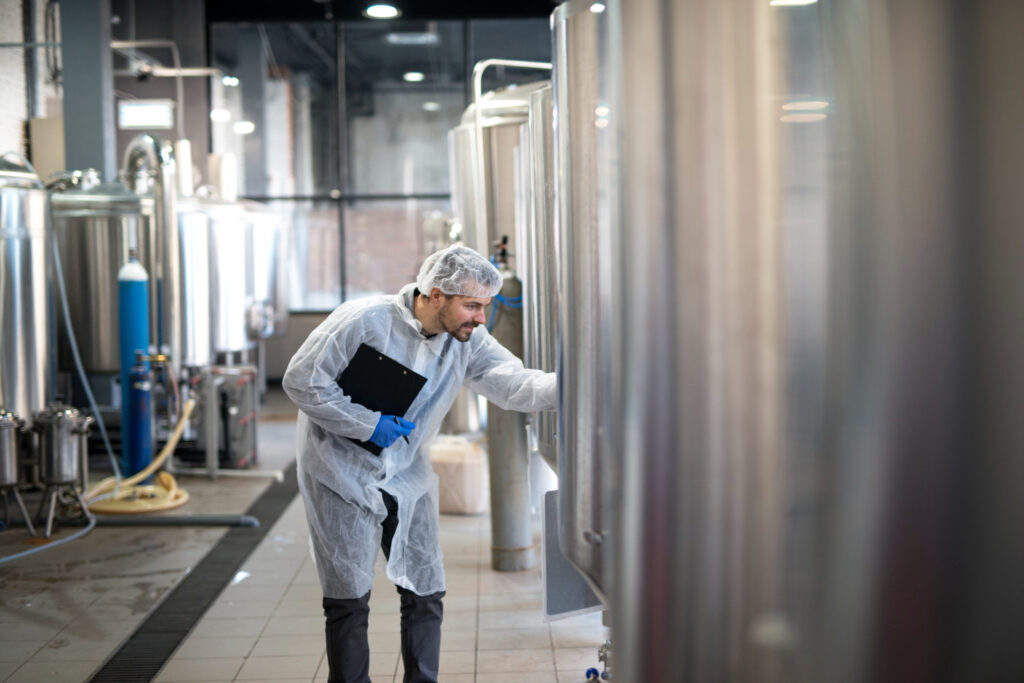
GAC is widely used in large-scale industrial and municipal water treatment systems — especially in industries such as chemical processing, food and beverage, and pharmaceuticals — where water quality is critical for operational efficiency and regulatory compliance.
Municipal treatment uses:
-
- Final polishing stage after conventional treatment
-
- Taste and odor control
-
- Removal of disinfection byproducts
-
- Protection against unexpected source water contamination
-
- Compliance with increasingly stringent regulations
Industrial Wastewater Treatment
Removes contaminants from wastewater and water used in industrial processes; Reduces maintenance costs and improves efficiency of industrial equipment; Meets industrial water quality standards (e.g., EPA, FDA); Protects machinery, boilers, and cooling systems from damage due to poor water quality.
Point-of-Use Residential Filters
Home filtration systems using activated carbon provide additional treatment for specific concerns:
-
- Chlorine and chloramine removal
-
- Taste and odor improvement
-
- Reduction of organic contaminants
-
- Protection against potential water quality fluctuations
Sourcing Quality Activated Carbon
For water treatment facilities, industrial operations, and filter manufacturers requiring activated carbon, sourcing reliable suppliers who provide appropriate grades with complete documentation is essential. Quality specifications vary significantly based on application, from municipal drinking water to industrial wastewater treatment.
Elchemy connects water treatment professionals with qualified suppliers of granular and powdered activated carbon meeting industry specifications. Whether you need coconut shell-based carbon for drinking water applications, coal-based carbon for industrial use, or specialized formulations for specific contaminants like PFAS, we help source materials with full certificates of analysis, performance data, and technical support. Our supplier network provides carbon products meeting AWWA standards, NSF certifications, and regulatory requirements for safe, effective water treatment.
Conclusion
Activated carbon in water treatment represents one of the most versatile and effective purification technologies available. Its remarkable surface area, ability to remove diverse organic contaminants, and compatibility with other treatment processes make it indispensable for ensuring safe drinking water and managing industrial wastewater. From municipal treatment plants serving millions to under-sink filters protecting individual households, activated carbon quietly performs the essential work of removing contaminants that threaten water quality.
The technology continues evolving. Advances in regeneration methods, development of specialized carbon formulations for emerging contaminants like PFAS, and improved understanding of adsorption mechanisms enhance performance while reducing costs. As water quality challenges grow more complex with industrial chemicals, pharmaceutical residues, and persistent pollutants entering water sources, activated carbon’s role becomes increasingly critical. Understanding its capabilities, limitations, and proper application ensures this powerful material continues protecting public health and enabling sustainable water management for generations to come.