
Sulphadiazine Acid
ELRASATM – SDzA

Get Pricing for This Product
Need pricing? Request a quote for this product and we'll get back to you shortly.
 Free Samples Available
Speed Up Your Sample Testing Process
We deliver domestic samples within 24 - 48 hours, helping you evaluate product without delays.
Sulphadiazine Acid is a sulfonamide antibiotic primarily used in veterinary medicine. It is effective against a wide range of bacterial infections, particularly in livestock. The compound works by…
CAS Number
68-35-9
HS Code
29350090
INCI Name
-
Molecular Formula
C10H10N4O2S
Sulphadiazine Acid
ELRASATM – SDzA
Sulphadiazine Acid is a sulfonamide antibiotic primarily used in veterinary medicine. It is effective against a wide range of bacterial infections, particularly in livestock. The compound works by inhibiting bacterial synthesis of folic acid, which is essential for their growth…
CAS Number
68-35-9
INCI Name
-
HS Code
29350090
Molecular Formula
C10H10N4O2S
Get Pricing for This Product
Need pricing? Request a quote for this product and we'll get back to you shortly.
Free Samples AvailableSpeed Up Your Sample Testing Process
We deliver domestic samples within 24 - 48 hours, helping you evaluate product without delays.
 By
By
Specialty chemicals, delivered right
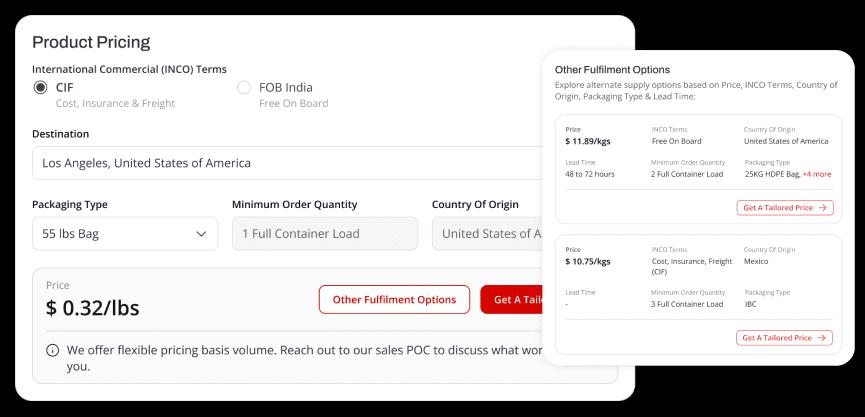
Access live, grade-specific pricing for every chemical, so your teams talks with data, not intuition on Elixir.
Compare fulfilment options across grades, INCO terms, origins, and lead times: all in one platform.

Live, transparent pricing
Real-time quotes across 12,000+ specialty chemicals.

About Sulphadiazine Acid
Sulphadiazine Acid, known for its potent antibacterial properties, is a critical component in veterinary medicine. As a sulfonamide antibiotic, it effectively combats a variety of bacterial infections in livestock, ensuring animal health and productivity. Sulphadiazine Acid manufacturers focus on producing high-purity compounds to meet the stringent demands of the veterinary industry. The production process is carefully controlled to ensure consistency and stability, crucial for the compound's effectiveness in treating infections. Sustainability is an increasing focus for Sulphadiazine Acid manufacturers, with many adopting greener practices to minimize their environmental impact. These efforts include optimizing energy use during production and reducing waste emissions. The trend toward eco-friendly manufacturing aligns with the growing demand for sustainable raw materials in the chemical industry. Beyond its role in veterinary medicine, Sulphadiazine Acid is also used in the pharmaceutical industry as an intermediate in drug synthesis, further emphasizing its versatility. Its widespread use underscores the importance of Sulphadiazine Acid as a fundamental compound in modern veterinary and pharmaceutical applications.
- Effective Antibacterial Agent: Inhibits bacterial growth by blocking folic acid synthesis.
- High Purity Standards: Ensures performance in veterinary applications.
- Eco-Friendly Production: Focus on minimizing energy use and waste.
- Versatile Pharmaceutical Intermediate: Used in the synthesis of various drugs.
- Reliable Veterinary Medicine: Ensures health and productivity in livestock.
About Sulphadiazine Acid
Sulphadiazine Acid, known for its potent antibacterial properties, is a critical component in veterinary medicine. As a sulfonamide antibiotic, it effectively combats a variety of bacterial infections in livestock, ensuring animal health and productivity. Sulphadiazine Acid manufacturers focus on producing high-purity compounds to meet the stringent demands of the veterinary industry. The production process is carefully controlled to ensure consistency and stability, crucial for the compound's effectiveness in treating infections. Sustainability is an increasing focus for Sulphadiazine Acid manufacturers, with many adopting greener practices to minimize their environmental impact. These efforts include optimizing energy use during production and reducing waste emissions. The trend toward eco-friendly manufacturing aligns with the growing demand for sustainable raw materials in the chemical industry. Beyond its role in veterinary medicine, Sulphadiazine Acid is also used in the pharmaceutical industry as an intermediate in drug synthesis, further emphasizing its versatility. Its widespread use underscores the importance of Sulphadiazine Acid as a fundamental compound in modern veterinary and pharmaceutical applications.
- Effective Antibacterial Agent: Inhibits bacterial growth by blocking folic acid synthesis.
- High Purity Standards: Ensures performance in veterinary applications.
- Eco-Friendly Production: Focus on minimizing energy use and waste.
- Versatile Pharmaceutical Intermediate: Used in the synthesis of various drugs.
- Reliable Veterinary Medicine: Ensures health and productivity in livestock.
FAQs - Sulphadiazine Acid
Related Products



Related Products

Streamline
Your Chemical
Procurement
Get fast responses from real experts