Stearic Acid
ELVISCTM – STA

Get Pricing for This Product
Need pricing? Request a quote for this product and we'll get back to you shortly.
 Free Samples Available
Speed Up Your Sample Testing Process
We deliver domestic samples within 24 - 48 hours, helping you evaluate product without delays.
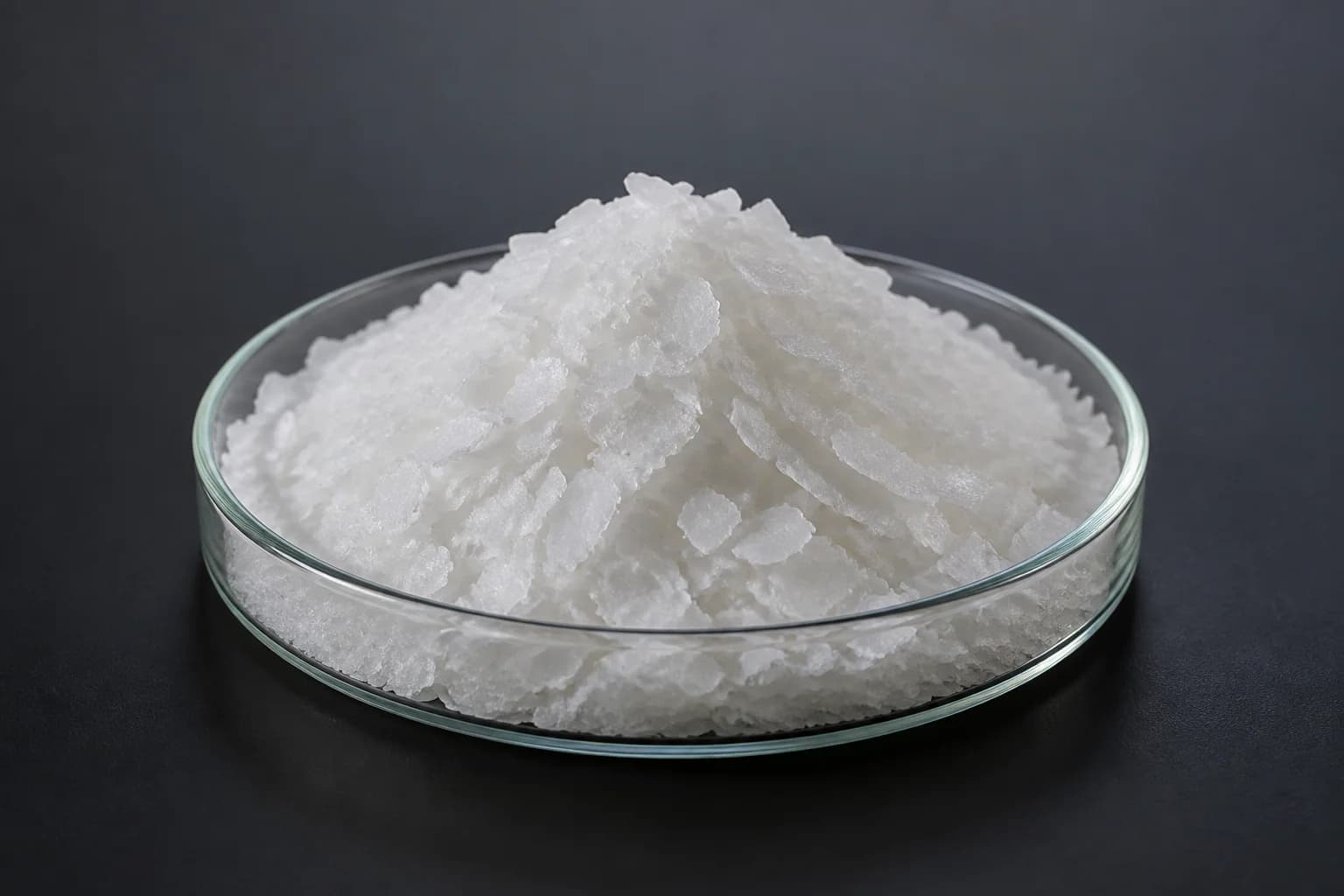
Stearic acid is a saturated fatty acid derived from plant and animal sources, commonly used in skincare and cosmetic products. It acts as an emulsifier and thickening agent, helping to stabilize…
CAS Number
57-11-4
HS Code
38.23.11.00
INCI Name
Stearic Acid
Molecular Formula
C₁₈H₃₆O₂
Stearic Acid
ELVISCTM – STA
Stearic acid is a saturated fatty acid derived from plant and animal sources, commonly used in skincare and cosmetic products. It acts as an emulsifier and thickening agent, helping to stabilize formulations and provide a creamy, smooth texture. Stearic acid is often found in…
CAS Number
57-11-4
INCI Name
Stearic Acid
HS Code
38.23.11.00
Molecular Formula
C₁₈H₃₆O₂
Get Pricing for This Product
Need pricing? Request a quote for this product and we'll get back to you shortly.
Free Samples AvailableSpeed Up Your Sample Testing Process
We deliver domestic samples within 24 - 48 hours, helping you evaluate product without delays.
 By
By
Specialty chemicals, delivered right
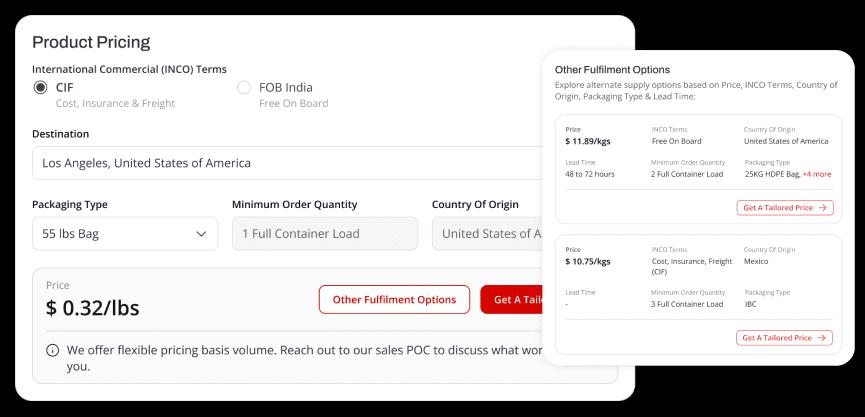
Access live, grade-specific pricing for every chemical, so your teams talks with data, not intuition on Elixir.
Compare fulfilment options across grades, INCO terms, origins, and lead times: all in one platform.

Live, transparent pricing
Real-time quotes across 12,000+ specialty chemicals.
Product Specification
Physical Properties
| Property | Specification |
|---|---|
| Appearance | White solid |
| Odor | Mild odor |
| Molecular Weight (G/Mol) | 284.5 |
| Density Or Specific Gravity | 0.86 at 68 °F |
| Viscosity | 9.87 mPa.sec (cP) at 70 °C |
| Refractive Index | 1.4299 at 80 °C |
Thermal Properties
| Property | Specification |
|---|---|
| Melting Point | 156.7 °F |
| Boiling Point | 721 °F at 760 mmHg |
| Flash Point | 385 °F |
| Autoignition Temperature | 743 °F |
Processing Methods & Reference Formulations
A. Cosmetic cream
Add stearic acid to the oil phase and heat to ensure it fully melts. This prevents graininess and allows it to function effectively as a thickener and co-emulsifier.
| Key Ingredients | Indicative Dosage (% w/w) |
|---|---|
| Water (Purified) | 75.82% |
| Glycerin | 5.00% |
| Stearic Acid | 9.50% |
| Cetyl Alcohol | 0.53% |
| Dimethicone | 1.00% |
| Methylparaben | 0.02% |
| Propylparaben | 0.01% |
| Triethanolamine | 0.50% |
| EDTA | 0.10% |
| Potassium Hydroxide | 0.32% |
| Fragrance | 0.20% |
B. Hair shampoo
In shampoo formulations, add stearic acid to the oil or surfactant phase and heat to ensure full melting. It helps to thicken the formula.
| Key Ingredients | Indicative Dosage (% w/w) |
|---|---|
| Primary Surfactants | 8-12% |
| Secondary Surfactants | 2-5% |
| Stearic acid | 0.5-5% |
| Water | 60-80% |
| Conditioning Agents, Humectants, Preservatives, pH Adjusters etc. |
C. Cosmetic Ointment
Melt stearic acid with the oil phase to ensure complete integration and smooth texture. It acts as a thickener and stabilizer, so balance with emulsifiers to prevent phase separation in the ointment.
| Key Ingredients | Indicative Dosage (% w/w) |
|---|---|
| 10–12% | |
| Salicylic acid | 4–6% |
| White vaseline | 62% |
| Stearic acid | 10% |
| Castor oil | 4% |
| Camphor | 1% |
| Sodium dodecyl benzene sulfonate | 0.9% |
| Ethylparaben | 0.1% |
D. Makeup foundation lotion
When adding stearic acid in foundation lotion formulation, pre-melt it with the oil phase to ensure full dissolution. Blend thoroughly before emulsification to prevent graininess and ensure a smooth texture.
| Key Ingredients | Indicative Dosage (% w/w) |
|---|---|
| Stearic acid | 2% |
| Cetyl alcohol | 4% |
| Paraffin liquid | 20% |
| Dimethicone | 5% |
| Polysorbate 80 | 3.65% |
| Propylparaben | 0.02% |
| Propylene glycol | 5% |
| Xanthan gum | 0.3% |
| Methylparaben | 0.18% |
| Distilled water | 60-70% |
| Other additives |
Dosing Guidelines
A. Dosing by Application
| Products | Authorized dosage |
|---|---|
| Skin Cleansing Preparations (Cold Creams, Lotions, Liquids) | 1-5% |
| Hair Shampoos, Hair Straighteners | 5-10% |
| Baby Lotions, Oils, Powders, and Creams | 0.1-5% |
| Eyeliner, Mascara, Eye shadow, Eyebrow Pencil | 1-10% |
| Perfumes, Cologne | 1-5% |
| Shaving Creams (Aerosols, Brushless, Lather), Shaving Soap (Cakes, Sticks) | 4-10% |
About Stearic Acid
Stearic acid - octadecanoic acid, a saturated C18 fatty acid (CAS 57-11-4, C₁₈H₃₆O₂, E570) - is a white, waxy solid supplied as flakes, beads or pastilles, or powder. Commercial stearic acid is typically a blend of stearic and palmitic acids derived from vegetable oils, usually palm, or from animal fats such as tallow, and is graded by its C18 content as single-, double- or triple-pressed.
It is one of the most versatile oleochemicals: a thickener and co-emulsifier in personal care (creams, lotions, soaps), a hardener that raises melt point and improves burn in candles, an activator and processing aid in rubber and tyres, a lubricant and release agent in plastics and PVC across CASE, and a tablet lubricant in pharmaceuticals.
Elchemy is a trusted stearic acid supplier, manufacturer partner and distributor, delivering cosmetic, food (E570), pharmaceutical and rubber grades to buyers across 40+ countries, with a COA on every batch and samples within 24–48 hours.
Stearic Acid Suppliers, Manufacturers & Distributors
Elchemy is a trusted stearic acid supplier, manufacturer partner and distributor, serving cosmetic, candle, rubber, plastics, soap and pharmaceutical manufacturers across the USA, UK, UAE and 40+ countries. As an established US-serving stearic acid manufacturer network, we supply single-, double- and triple-pressed grades in flakes, beads or powder, each with a Certificate of Analysis covering acid value, iodine value and titer.
Buy Stearic Acid in Bulk (Flakes, Beads & Powder)
Elchemy supplies bulk stearic acid from trial quantities to full container loads, in cosmetic, food, rubber and pharmaceutical grades and every physical form. Whether you are sourcing for cosmetic manufacturing, candle making or rubber processing, tell us your grade and volume for a fast quote.
Stearic Acid Price: Bulk Pricing & Price per Kg
The stearic acid price tracks palm and tallow feedstock markets, grade (C18 content), form and volume, so Elchemy quotes live rather than publishing a fixed rate.
Buyers benchmark the stearic acid bulk price per kg for trial lots and the per-MT rate for contracts. Share your requirement on the quote form for an exact figure within 24–48 hours.
Stearic Acid Manufacturing Process
Stearic acid is produced by hydrolysis, or fat splitting, of vegetable oils or animal fats into crude fatty acids and glycerine, followed by distillation and fractionation to separate the C18 (stearic) and C16 (palmitic) fractions, and hydrogenation to saturate and set the final grade.
Raw materials are palm oil or tallow, water, hydrogen and a catalyst. Every batch Elchemy supplies is tested for acid value, saponification value, iodine value and titer against the grade spec.
Grades Available
- Single-pressed (~40–45% C18) - rubber, candles and general industrial use
- Double-pressed (~45–55% C18) - cosmetics, soap and personal care
- Triple-pressed (~55–70%+ C18) - high-grade cosmetics and pharmaceutical use
- Rubber grade - activator and processing aid for rubber and tyres
- Food grade (E570) - high purity, for food additive and release-agent use
- Pharmaceutical (USP/NF) - high purity, for tablet lubricant and excipient use
Buy Stearic Acid in Bulk - Packaging & Logistics
Stearic acid ships in 25 kg kraft or PE bags and 500–1000 kg jumbo bags, as flakes, beads or powder, palletised for container loads.
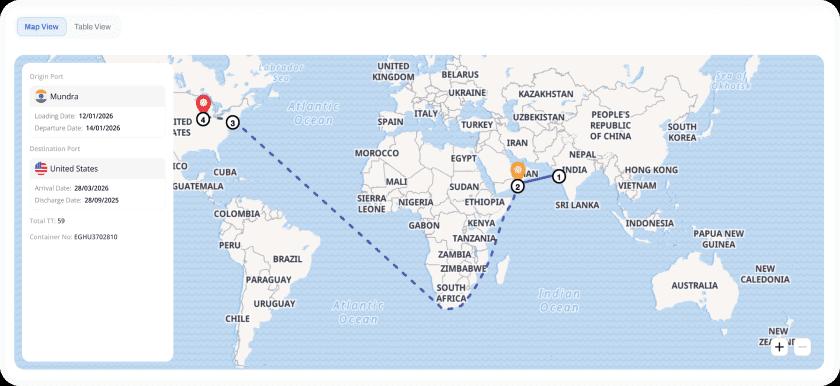
US domestic stock supports faster fulfilment. Material from other origin countries typically transits 24–28 days to the US East Coast, on FOB, CIF or DDP terms. Store in a cool, dry place away from heat, moisture, light and air to avoid caking and oxidation.
Why Choose Elchemy as a Trusted Stearic Acid Supplier
- All grades and forms - single, double and triple-pressed, rubber, food (E570) and USP grades, as flakes, beads or powder
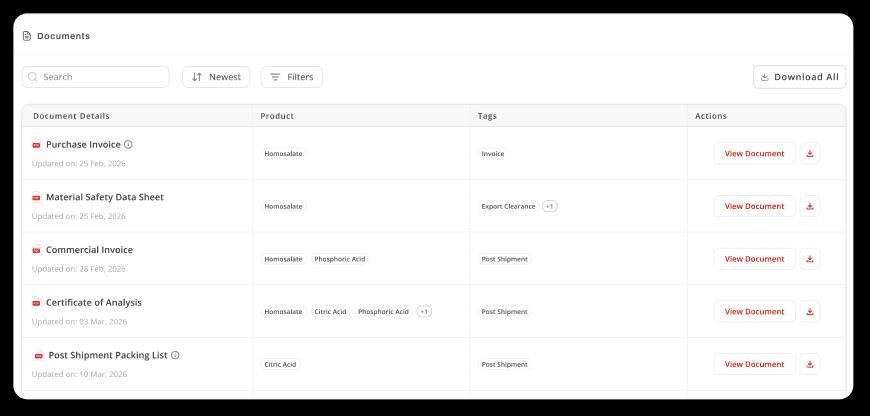
- Full documentation - COA, TDS and GHS SDS with every order; Halal, Kosher, RSPO and vegetable-origin declarations on request
- Samples in 24–48 hours - qualify grade and form before any bulk order
- Tailored options - specific C18 grades and packaging via custom manufacturing
Safety & Handling
Stearic acid is a low-hazard fatty acid, generally not classified as hazardous and considered safe for cosmetic and food use. The molten product can cause thermal burns, and fine powder can form combustible dust, so handle with gloves and eye protection, avoid dust clouds and keep away from strong oxidisers and ignition sources. A full GHS-aligned SDS ships with orders.
About Stearic Acid
Stearic acid - octadecanoic acid, a saturated C18 fatty acid (CAS 57-11-4, C₁₈H₃₆O₂, E570) - is a white, waxy solid supplied as flakes, beads or pastilles, or powder. Commercial stearic acid is typically a blend of stearic and palmitic acids derived from vegetable oils, usually palm, or from animal fats such as tallow, and is graded by its C18 content as single-, double- or triple-pressed.
It is one of the most versatile oleochemicals: a thickener and co-emulsifier in personal care (creams, lotions, soaps), a hardener that raises melt point and improves burn in candles, an activator and processing aid in rubber and tyres, a lubricant and release agent in plastics and PVC across CASE, and a tablet lubricant in pharmaceuticals.
Elchemy is a trusted stearic acid supplier, manufacturer partner and distributor, delivering cosmetic, food (E570), pharmaceutical and rubber grades to buyers across 40+ countries, with a COA on every batch and samples within 24–48 hours.
Stearic Acid Suppliers, Manufacturers & Distributors
Elchemy is a trusted stearic acid supplier, manufacturer partner and distributor, serving cosmetic, candle, rubber, plastics, soap and pharmaceutical manufacturers across the USA, UK, UAE and 40+ countries. As an established US-serving stearic acid manufacturer network, we supply single-, double- and triple-pressed grades in flakes, beads or powder, each with a Certificate of Analysis covering acid value, iodine value and titer.
Buy Stearic Acid in Bulk (Flakes, Beads & Powder)
Elchemy supplies bulk stearic acid from trial quantities to full container loads, in cosmetic, food, rubber and pharmaceutical grades and every physical form. Whether you are sourcing for cosmetic manufacturing, candle making or rubber processing, tell us your grade and volume for a fast quote.
Stearic Acid Price: Bulk Pricing & Price per Kg
The stearic acid price tracks palm and tallow feedstock markets, grade (C18 content), form and volume, so Elchemy quotes live rather than publishing a fixed rate.
Buyers benchmark the stearic acid bulk price per kg for trial lots and the per-MT rate for contracts. Share your requirement on the quote form for an exact figure within 24–48 hours.
Stearic Acid Manufacturing Process
Stearic acid is produced by hydrolysis, or fat splitting, of vegetable oils or animal fats into crude fatty acids and glycerine, followed by distillation and fractionation to separate the C18 (stearic) and C16 (palmitic) fractions, and hydrogenation to saturate and set the final grade.
Raw materials are palm oil or tallow, water, hydrogen and a catalyst. Every batch Elchemy supplies is tested for acid value, saponification value, iodine value and titer against the grade spec.
Grades Available
- Single-pressed (~40–45% C18) - rubber, candles and general industrial use
- Double-pressed (~45–55% C18) - cosmetics, soap and personal care
- Triple-pressed (~55–70%+ C18) - high-grade cosmetics and pharmaceutical use
- Rubber grade - activator and processing aid for rubber and tyres
- Food grade (E570) - high purity, for food additive and release-agent use
- Pharmaceutical (USP/NF) - high purity, for tablet lubricant and excipient use
Buy Stearic Acid in Bulk - Packaging & Logistics
Stearic acid ships in 25 kg kraft or PE bags and 500–1000 kg jumbo bags, as flakes, beads or powder, palletised for container loads.
US domestic stock supports faster fulfilment. Material from other origin countries typically transits 24–28 days to the US East Coast, on FOB, CIF or DDP terms. Store in a cool, dry place away from heat, moisture, light and air to avoid caking and oxidation.
Why Choose Elchemy as a Trusted Stearic Acid Supplier
- All grades and forms - single, double and triple-pressed, rubber, food (E570) and USP grades, as flakes, beads or powder
- Full documentation - COA, TDS and GHS SDS with every order; Halal, Kosher, RSPO and vegetable-origin declarations on request
- Samples in 24–48 hours - qualify grade and form before any bulk order
- Tailored options - specific C18 grades and packaging via custom manufacturing
Safety & Handling
Stearic acid is a low-hazard fatty acid, generally not classified as hazardous and considered safe for cosmetic and food use. The molten product can cause thermal burns, and fine powder can form combustible dust, so handle with gloves and eye protection, avoid dust clouds and keep away from strong oxidisers and ignition sources. A full GHS-aligned SDS ships with orders.
Regulatory Compliance
| Region | Max Allowed Level | Notes | Certification Body |
|---|---|---|---|
| United States | - | No explicit legal maximum. Stearic Acid is reported to be used at up to 37.4% in rinse-off products (bath soaps and detergents) and at up to 21% in leave-on products. | FDA |
| European Union | - | Not restricted by EU Cosmetics Regulation; safe as used in current practice. | SCCS (Scientific Committee on Consumer Safety) |
| India | - | No BIS-specific limit | - |
| Japan | - | No specific limit | MHLW – Ministry of Health, Labour and Welfare |
| Canada | - | Included in the Canadian List of Acceptable Non-medicinal Ingredients | - |
| Australia | - | No statutory maximum | - |
| China | - | No statutory maximum | NMPA - National Medical Products Administration |
| Republic of Korea | - | No statutory maximum | MFDS - Ministry of Food and Drug Safety |
| ASEAN | - | No statutory maximum | - |
FAQs - Stearic Acid
Related Products

Related Products

Streamline
Your Chemical
Procurement
Get fast responses from real experts