Ricinus Communis (Castor) Seed Oil
ELFATTM – CAS G3

Get Pricing for This Product
Need pricing? Request a quote for this product and we'll get back to you shortly.
 Free Samples Available
Speed Up Your Sample Testing Process
We deliver domestic samples within 24 - 48 hours, helping you evaluate product without delays.
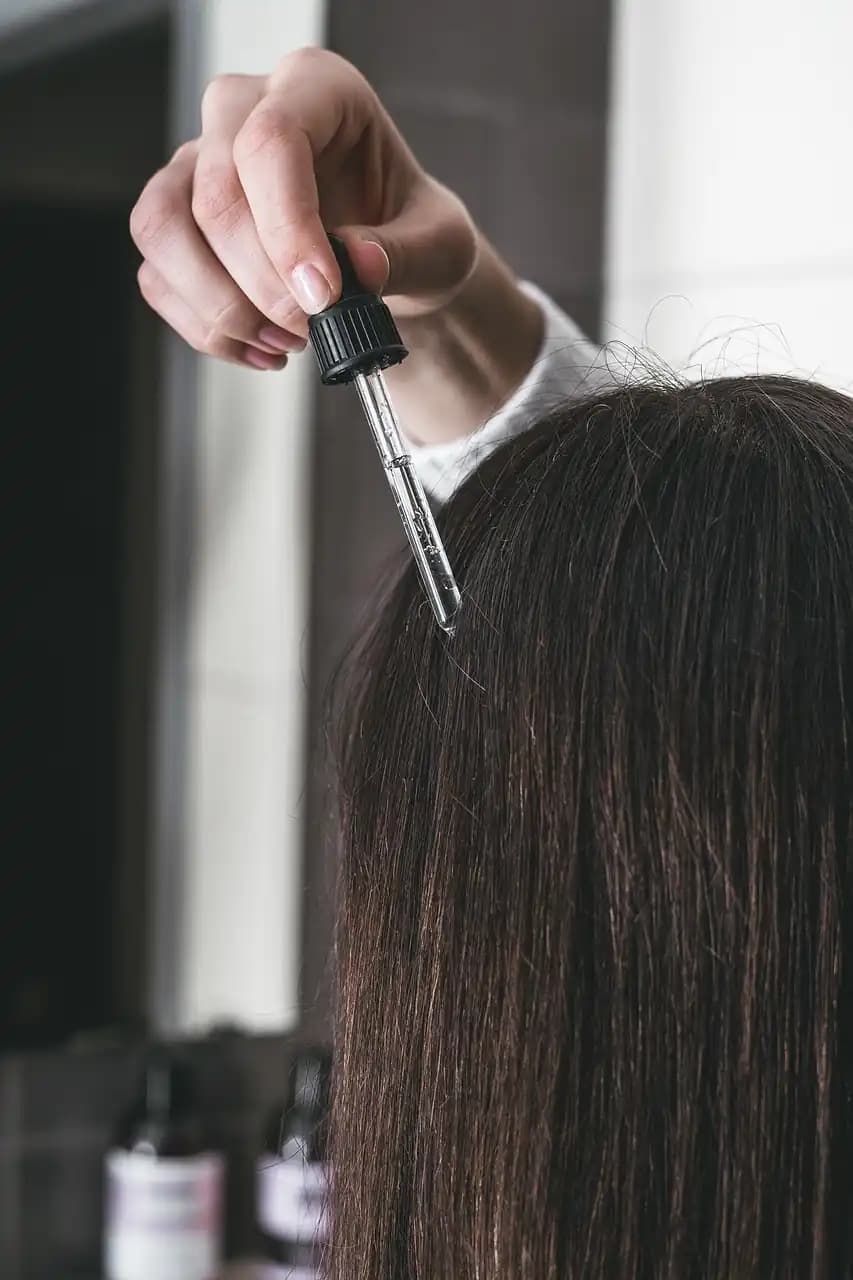
A vegetable oil extracted from the seeds of the castor plant, commonly used in skin and hair care products.
CAS Number
8001-79-4
HS Code
15.15.30.90
INCI Name
Castor Oil
Molecular Formula
C₅₇H₁₀₄O₉
Ricinus Communis (Castor) Seed Oil
ELFATTM – CAS G3
A vegetable oil extracted from the seeds of the castor plant, commonly used in skin and hair care products.
CAS Number
8001-79-4
INCI Name
Castor Oil
HS Code
15.15.30.90
Molecular Formula
C₅₇H₁₀₄O₉
Get Pricing for This Product
Need pricing? Request a quote for this product and we'll get back to you shortly.
Free Samples AvailableSpeed Up Your Sample Testing Process
We deliver domestic samples within 24 - 48 hours, helping you evaluate product without delays.
 By
By
Specialty chemicals, delivered right
Access live, grade-specific pricing for every chemical, so your teams talks with data, not intuition on Elixir.
Compare fulfilment options across grades, INCO terms, origins, and lead times: all in one platform.

Live, transparent pricing
Real-time quotes across 12,000+ specialty chemicals.



Product Specification
Physical Properties
| Property | Specification |
|---|---|
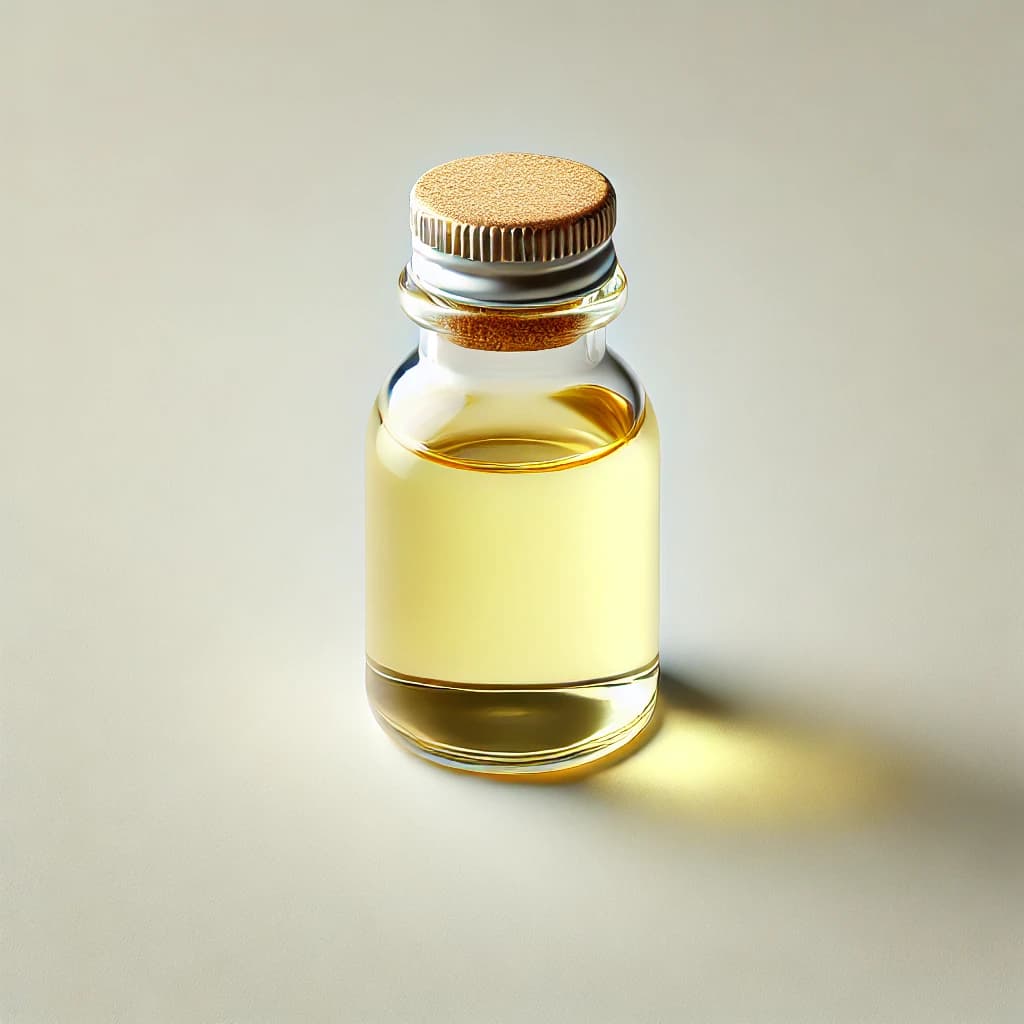
| Appearance | Clear almost colorless or slightly yellow viscous liquid |
| Odor | Slight characteristic odor |
| Molecular Weight (G/Mol) | 933.4 |
| Density Or Specific Gravity | 0.955 g/mL at 25 °C |
| Refractive Index | n20/D 1.478(lit.) |
Chemical Properties
| Property | Specification |
|---|---|
| Incompatibilities | Strong oxidizing agents. |
| Hazardous Reactions | Castor oil can develop heat spontaneously in the air |
Thermal Properties
| Property | Specification |
|---|---|
| Melting Point | -10°C |
| Boiling Point | 313 °C(lit.) |
| Autoignition Temperature | 449°CA |
Processing Methods & Reference Formulations
A. Cosmetic creams
When adding Ricinus Communis (Castor) Seed Oil in cream formulations, include it in the oil phase and heat gently (around 70°C) for proper emulsification. Its high viscosity enhances richness but may affect spreadability, balance with lighter oils if needed. Mix thoroughly to ensure a smooth, stable cream texture.
| Key Ingredients | Indicative Dosage (% w/w) |
|---|---|
| Carnauba Wax | 4.5% |
| Tridecyl Trimellitate | 11.5% |
| Castor Oil | 6% |
| Butylparaben | 0.06% |
| Magnesium Stearate | 3% |
| Polymethyl Methacrylate | 10% |
| Corn Starch | 5% |
| Mica | 21% |
| Talc | 20% |
| Silica | 2% |
| Cetearyl Octanoate | 8% |
B. Cosmetic lipstick
When adding Ricinus Communis (Castor) Seed Oil in lipstick, include it in the oil phase and heat with waxes to ensure proper fusion. Its high viscosity helps bind ingredients and enhances payoff. Stir thoroughly during cooling to prevent graininess and ensure a uniform texture.
| Key Ingredients | Indicative Dosage (% w/w) |
|---|---|
| Candelilla Wax | 4% |
| Carnauba Wax | 6% |
| Isoeicosane | 6% |
| Polyisobutene | 3.5% |
| Isopropyl Palmitate | 11% |
| Tridecyl Trimellitate | 10% |
| PEG-4 Diheptanoate | 4% |
| Octyl Palmitate | 8.35% |
| Castor Oil | 23% |
| Propylparaben | 0.1% |
| BHT | 0.05% |
| Sericite PHN | 1% |
| Silica | 1.5% |
| Titanium Dioxide | 2% |
| Colorant | 6.5% |
C. Makeup foundation lotion
In foundation formulation, add Ricinus Communis (Castor) Seed Oil to the oil phase for its pigment-dispersing and emollient properties. Heat gently and mix thoroughly to ensure even distribution and a smooth, long-wearing texture.
| Key Ingredients | Indicative Dosage (% w/w) |
|---|---|
| 60-80% | 60-80% |
| Emulsifiers (e.g., Stearic Acid, Sorbitan Stearate) | 1-6% |
| Emollients (e.g., Castor Seed Oil) | 8-20% |
| Pigments (e.g. titanium dioxide) | 5-15% |
| Thickeners (e.g., xanthan gum) | 0.1-1% |
| Preservatives, fragrance, additives |
D. Lip balm
In lip balm formulation, add Ricinus Communis (Castor) Seed Oil to the oil phase for its thick, glossy texture and excellent pigment dispersion. Heat gently with other oils and waxes to ensure uniform blending and a smooth, moisturizing finish.
| Key Ingredients | Indicative Dosage (% w/w) |
|---|---|
| Nicotinamide | 0.05% |
| Avobenzone | 0.22% |
| Zinc oxide | 0.13% |
| Titanium dioxide | 0.10% |
| Polyglyceryl-2 triisostearate | 30% |
| Beeswax | 5.5% |
| Olive wax | 3% |
| Alkene wax | 4% |
| Castor oil | 18% |
| Liquid paraffin | 24% |
| Peppermint essential oil | 5% |
| Ethylparaben | 4% |
| Chrysanthemum extract | 6% |
Dosing Guidelines
A. Dosing by Application
| Products | Authorized dosage % |
|---|---|
| Cosmetic creams/ Lotions | Upto 12.5% |
| Lip balm/ Lipstick | Upto 30% |
About Ricinus Communis (Castor) Seed Oil
About Ricinus Communis (Castor) Seed Oil
Regulatory Compliance
| Region | Max Allowed Level | Notes | Certification Body |
|---|---|---|---|
| China | - | No explicit legal maximum. | - |
| Japan | - | No explicit legal maximum. | - |
| Republic of Korea | - | No explicit legal maximum. | - |
| United States | - | Recognized as safe for use in cosmetics by the Cosmetic Ingredient Review (CIR). Products must be non-irritating and properly labeled, but concentrations up to and including 77.8% are considered acceptable and safe based on current regulatory and safety reviews. | FDA |
| ASEAN | - | No explicit legal maximum. | - |
| European Union | - | No explicit legal maximum. Permitted for use in all cosmetics if safe. | - |
FAQs - Ricinus Communis (Castor) Seed Oil
Related Products


Related Products

Streamline
Your Chemical
Procurement
Get fast responses from real experts