Precipitated Silica
Get Pricing For This Product
Need pricing? Request a quote for this product and we'll get back to you shortly.
Speed Up Your Sample Testing Process
Express Delivery in 24–48 Hours
Precipitated Silica is a versatile, amorphous form of silicon dioxide used in various industries for its thickening, anti-caking, and reinforcing properties. It is widely utilized in rubber, food, and…
CAS Number
112926-00-8
HS Code
28112200
INCI Name
-
Molecular Formula
SiO2
Precipitated Silica
Precipitated Silica is a versatile, amorphous form of silicon dioxide used in various industries for its thickening, anti-caking, and reinforcing properties. It is widely utilized in rubber, food, and personal care applications.
CAS Number
112926-00-8
INCI Name
-
HS Code
28112200
Molecular Formula
SiO2
Get Pricing For This Product
Need pricing? Request a quote for this product and we'll get back to you shortly.
Speed Up Your Sample Testing Process
We deliver domestic samples within 24 - 48 hours, helping you evaluate product without delays.
About Precipitated Silica
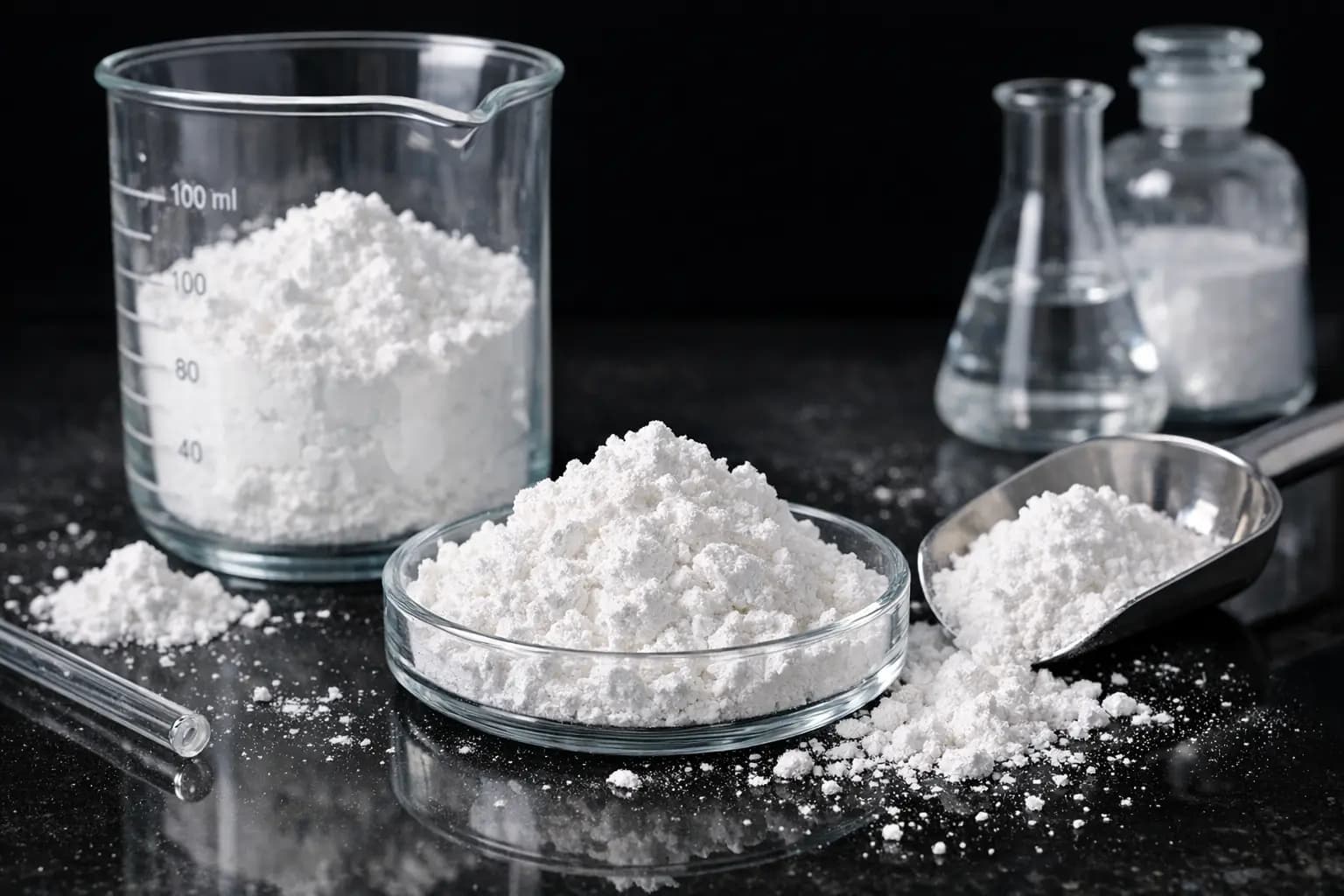
Precipitated Silica is a highly versatile, amorphous form of silicon dioxide, renowned for its wide range of industrial applications. This synthetic silica is produced through a controlled chemical process, resulting in a fine, white powder with unique properties that make it indispensable in various sectors. Its ability to enhance product performance, improve texture, and provide stability makes it a preferred choice for manufacturers worldwide.
In the rubber industry, Precipitated Silica is a key component, providing reinforcement and improving the mechanical properties of tires and other rubber goods. Its role as an anti-caking agent in the food industry ensures that powdered products remain free-flowing and easy to handle. Additionally, its use in personal care products, such as toothpaste and cosmetics, highlights its versatility and safety for consumer applications.
Manufacturing Process of Precipitated Silica
Precipitated Silica is manufactured through a chemical precipitation process involving the reaction of sodium silicate with sulfuric acid. This process yields a fine, amorphous powder with a high surface area and porosity. The production process can be tailored to achieve specific particle sizes and surface characteristics, allowing manufacturers to produce grades suitable for diverse applications. Leading Precipitated Silica manufacturers and suppliers ensure consistent quality and supply to meet global demand.
Purity and particle size are critical factors in the production of Precipitated Silica, influencing its performance in various applications. Manufacturers employ stringent quality control measures to ensure that the final product meets industry standards and customer specifications.
Precipitated Silica Price: Bulk Pricing for Industrial Buyers
The price of Precipitated Silica is influenced by factors such as raw material costs, production efficiency, and market demand. Bulk purchasing can offer cost advantages, and Elchemy provides competitive pricing for industrial buyers. To obtain a quote, contact our sales team, who can provide detailed pricing information based on your specific requirements and order volume.
Market trends and regional demand also play a role in pricing dynamics. Buyers are encouraged to stay informed about industry developments to make strategic procurement decisions.
Packaging & Logistics
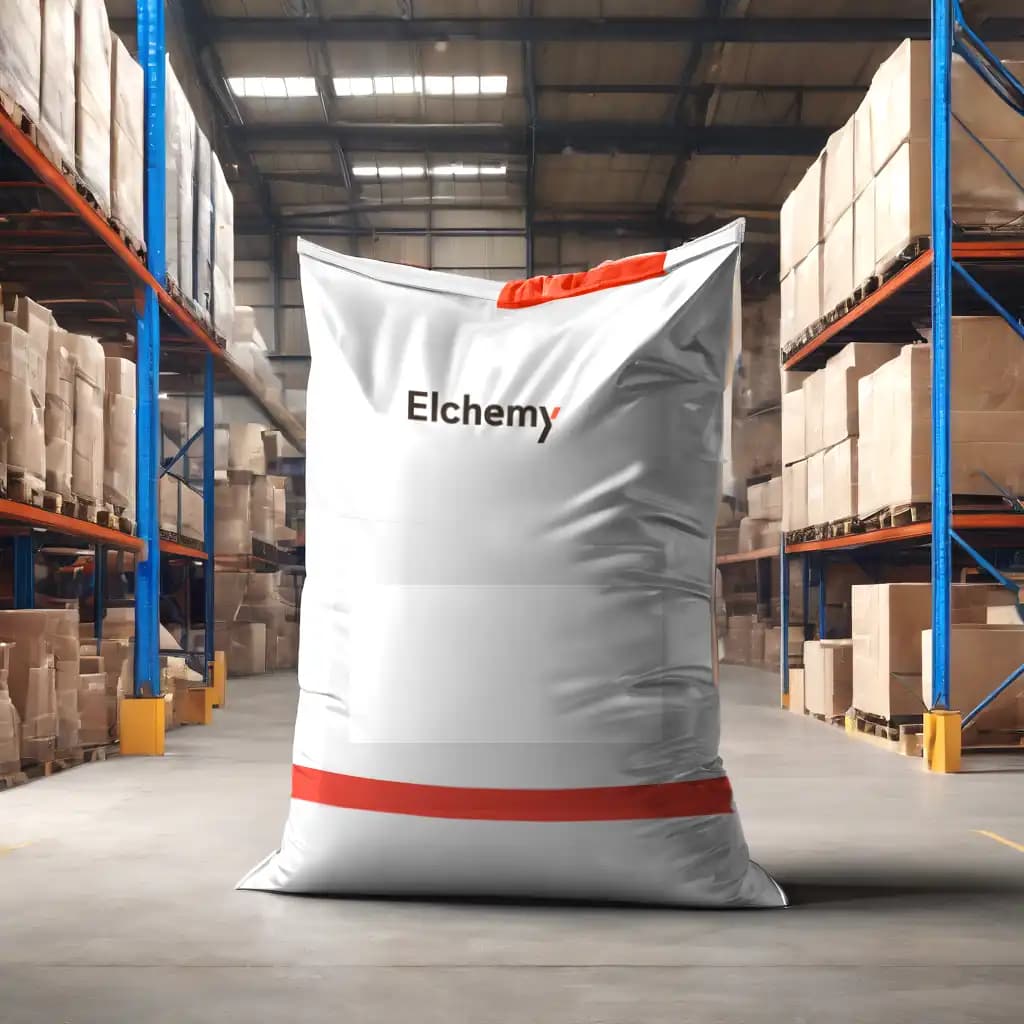
Precipitated Silica is available in various packaging formats, including 20 kg bags and 500 kg bulk bags, to accommodate different customer needs. Proper packaging ensures product integrity during transportation and storage. For North American and global buyers, Elchemy offers efficient logistics solutions to ensure timely delivery and optimal handling of Precipitated Silica shipments.
Our logistics team is experienced in managing international shipments, ensuring compliance with regulatory requirements and minimizing transit times.
Why Choose Elchemy as a Trusted Precipitated Silica Supplier?
Elchemy is committed to providing high-quality Precipitated Silica with reliable sourcing and global distribution capabilities. Our extensive network and industry expertise enable us to meet the diverse needs of our customers, ensuring consistent supply and exceptional service. With a focus on quality assurance and customer satisfaction, Elchemy is a preferred partner for Precipitated Silica suppliers and buyers worldwide.
Our North American fulfillment capabilities ensure that we can efficiently serve customers in the USA and Canada, while our global reach allows us to support clients in over 30 countries.
Safety & Handling
When handling Precipitated Silica, it is important to use appropriate personal protective equipment (PPE), such as gloves and masks, to prevent inhalation and skin contact. The product should be stored in a cool, dry place, away from moisture and direct sunlight, to maintain its quality and efficacy. Precipitated Silica is listed on the TSCA inventory, ensuring compliance with regulatory standards.
While Precipitated Silica is generally considered safe, users should follow safety guidelines and consult the Safety Data Sheet (SDS) for detailed handling instructions.
- High Reinforcement: Enhances the mechanical properties of rubber products, providing strength and durability.
- Anti-Caking Agent: Prevents clumping in powdered foods, ensuring free-flowing properties and ease of handling.
- Versatile Applications: Suitable for use in rubber, food, personal care, and coatings industries, offering broad utility.
- Customizable Properties: Available in various grades and particle sizes to meet specific application requirements.
- Global Availability: Supported by Elchemy's extensive distribution network, ensuring reliable supply worldwide.
About Precipitated Silica
Precipitated Silica is a highly versatile, amorphous form of silicon dioxide, renowned for its wide range of industrial applications. This synthetic silica is produced through a controlled chemical process, resulting in a fine, white powder with unique properties that make it indispensable in various sectors. Its ability to enhance product performance, improve texture, and provide stability makes it a preferred choice for manufacturers worldwide.
In the rubber industry, Precipitated Silica is a key component, providing reinforcement and improving the mechanical properties of tires and other rubber goods. Its role as an anti-caking agent in the food industry ensures that powdered products remain free-flowing and easy to handle. Additionally, its use in personal care products, such as toothpaste and cosmetics, highlights its versatility and safety for consumer applications.
Manufacturing Process of Precipitated Silica
Precipitated Silica is manufactured through a chemical precipitation process involving the reaction of sodium silicate with sulfuric acid. This process yields a fine, amorphous powder with a high surface area and porosity. The production process can be tailored to achieve specific particle sizes and surface characteristics, allowing manufacturers to produce grades suitable for diverse applications. Leading Precipitated Silica manufacturers and suppliers ensure consistent quality and supply to meet global demand.
Purity and particle size are critical factors in the production of Precipitated Silica, influencing its performance in various applications. Manufacturers employ stringent quality control measures to ensure that the final product meets industry standards and customer specifications.
Precipitated Silica Price: Bulk Pricing for Industrial Buyers
The price of Precipitated Silica is influenced by factors such as raw material costs, production efficiency, and market demand. Bulk purchasing can offer cost advantages, and Elchemy provides competitive pricing for industrial buyers. To obtain a quote, contact our sales team, who can provide detailed pricing information based on your specific requirements and order volume.
Market trends and regional demand also play a role in pricing dynamics. Buyers are encouraged to stay informed about industry developments to make strategic procurement decisions.
Packaging & Logistics
Precipitated Silica is available in various packaging formats, including 20 kg bags and 500 kg bulk bags, to accommodate different customer needs. Proper packaging ensures product integrity during transportation and storage. For North American and global buyers, Elchemy offers efficient logistics solutions to ensure timely delivery and optimal handling of Precipitated Silica shipments.
Our logistics team is experienced in managing international shipments, ensuring compliance with regulatory requirements and minimizing transit times.
Why Choose Elchemy as a Trusted Precipitated Silica Supplier?
Elchemy is committed to providing high-quality Precipitated Silica with reliable sourcing and global distribution capabilities. Our extensive network and industry expertise enable us to meet the diverse needs of our customers, ensuring consistent supply and exceptional service. With a focus on quality assurance and customer satisfaction, Elchemy is a preferred partner for Precipitated Silica suppliers and buyers worldwide.
Our North American fulfillment capabilities ensure that we can efficiently serve customers in the USA and Canada, while our global reach allows us to support clients in over 30 countries.
Safety & Handling
When handling Precipitated Silica, it is important to use appropriate personal protective equipment (PPE), such as gloves and masks, to prevent inhalation and skin contact. The product should be stored in a cool, dry place, away from moisture and direct sunlight, to maintain its quality and efficacy. Precipitated Silica is listed on the TSCA inventory, ensuring compliance with regulatory standards.
While Precipitated Silica is generally considered safe, users should follow safety guidelines and consult the Safety Data Sheet (SDS) for detailed handling instructions.
- High Reinforcement: Enhances the mechanical properties of rubber products, providing strength and durability.
- Anti-Caking Agent: Prevents clumping in powdered foods, ensuring free-flowing properties and ease of handling.
- Versatile Applications: Suitable for use in rubber, food, personal care, and coatings industries, offering broad utility.
- Customizable Properties: Available in various grades and particle sizes to meet specific application requirements.
- Global Availability: Supported by Elchemy's extensive distribution network, ensuring reliable supply worldwide.
FAQs - Precipitated Silica
Related Products


Related Products
Streamline
Your Chemical
Procurement
Get fast responses from real experts