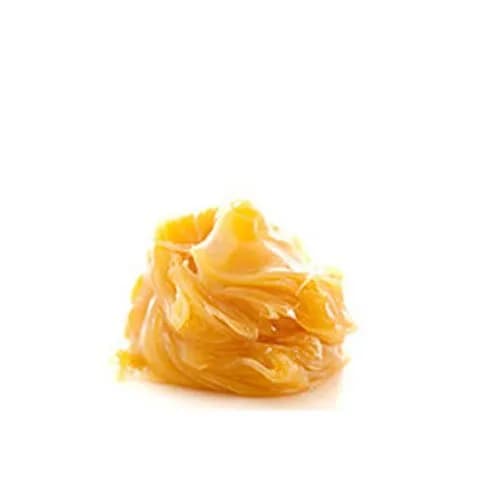
Lanolin
ELHUMETM – LNL

Get Pricing for This Product
Need pricing? Request a quote for this product and we'll get back to you shortly.
 Free Samples Available
Speed Up Your Sample Testing Process
We deliver domestic samples within 24 - 48 hours, helping you evaluate product without delays.
A natural wax derived from sheep wool, used in moisturizers, lip balms, and hair care products.
CAS Number
8006-54-0
HS Code
150.50.0.90
INCI Name
Lanolin
Molecular Formula
Complex mixture
Lanolin
ELHUMETM – LNL
A natural wax derived from sheep wool, used in moisturizers, lip balms, and hair care products.
CAS Number
8006-54-0
INCI Name
Lanolin
HS Code
150.50.0.90
Molecular Formula
Complex mixture
Get Pricing for This Product
Need pricing? Request a quote for this product and we'll get back to you shortly.
Free Samples AvailableSpeed Up Your Sample Testing Process
We deliver domestic samples within 24 - 48 hours, helping you evaluate product without delays.
 By
By
Specialty chemicals, delivered right
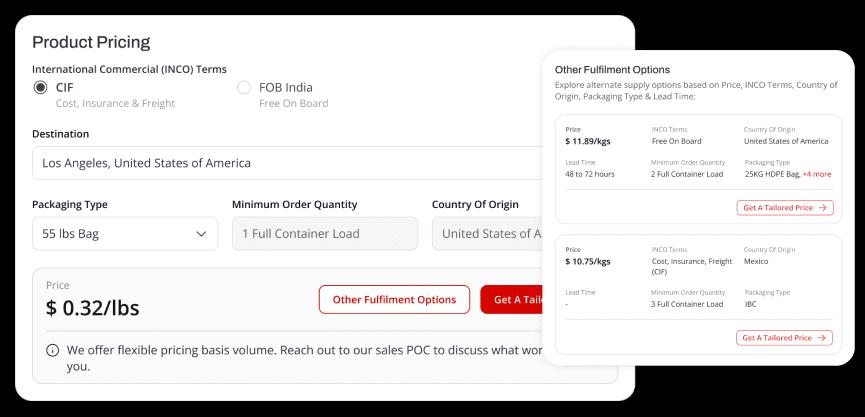
Access live, grade-specific pricing for every chemical, so your teams talks with data, not intuition on Elixir.
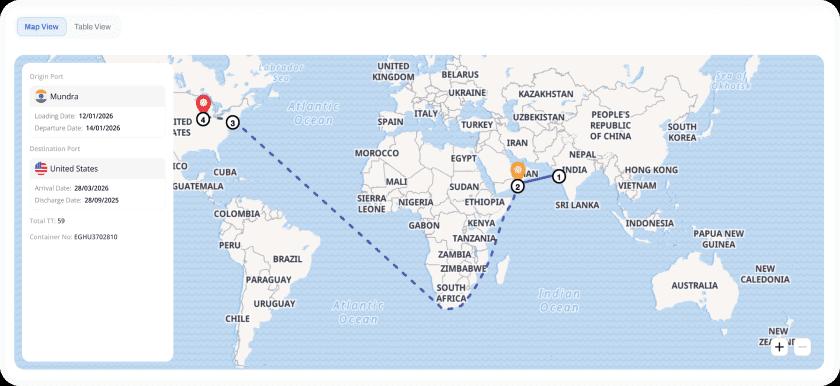
Compare fulfilment options across grades, INCO terms, origins, and lead times: all in one platform.

Live, transparent pricing
Real-time quotes across 12,000+ specialty chemicals.
Product Specification
Physical Properties
| Property | Specification |
|---|---|
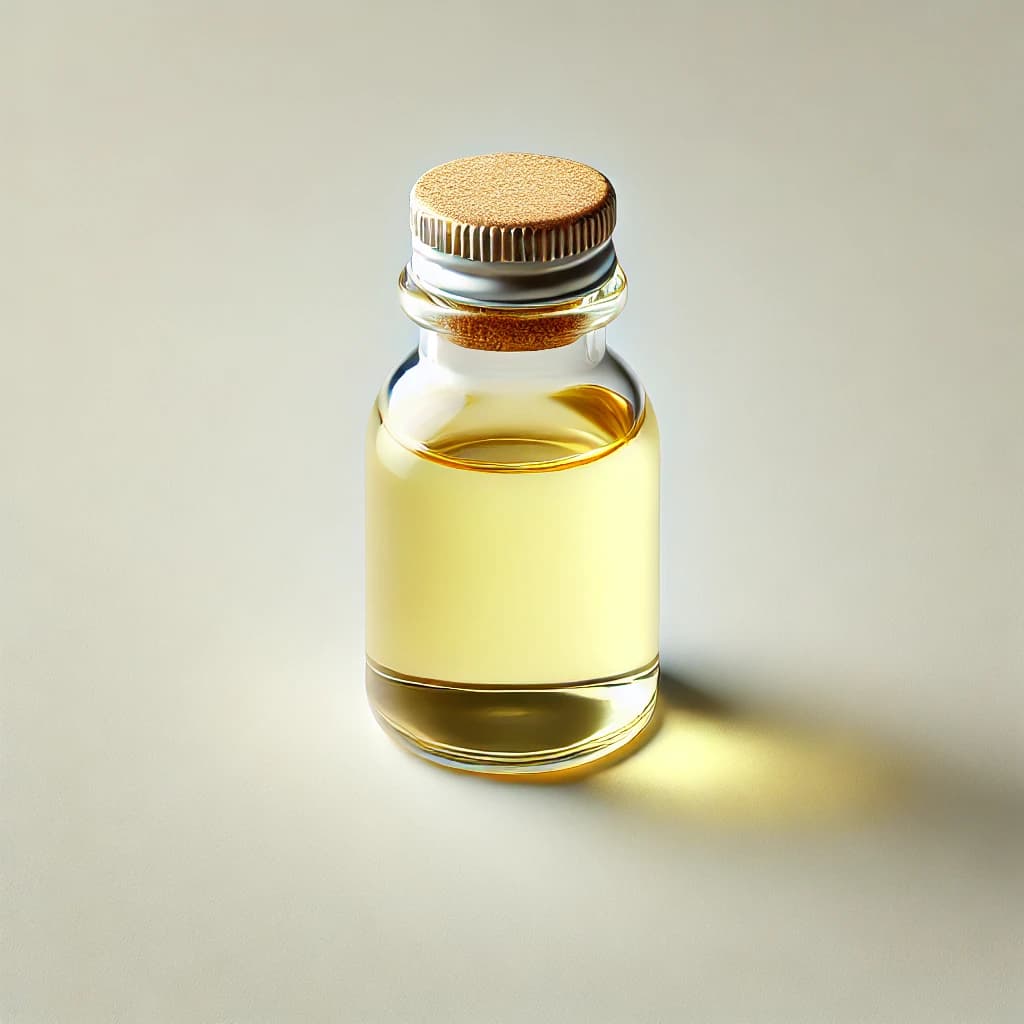
| Appearance | Translucent, pale yellow |
| Odor | Slight odor or practically odorless |
| Density Or Specific Gravity | Specific gravity: 0.935 at 25 °C |
| Refractive Index | 1.478-1.482 @ 40 °C/D |
| Specific Gravity | 0.935 at 25 °C |
| Viscosity | 8 - 12 cSt @ 10 deg C |
Chemical Properties
| Property | Specification |
|---|---|
| Solubility | Sparingly soluble in cold, more in hot alcohol; freely soluble in chloroform, ether |
| Water Solubility | Insoluble |
| Incompatibilities | Strong oxidizing agents |
| Hazardous Reactions | May emit acrid fumes if overheated; combustible |
Thermal Properties
| Property | Specification |
|---|---|
| Melting Point | 38-44°C |
| Flash Point | 460 °F (238 °C) (Closed cup) |
| Autoignition Temperature | 833 °F (445 °C) |
| Thermal Stability | Stable at room temperature; decomposes at high temperatures |
Processing Methods & Reference Formulations
A. Cosmetic cream
In cosmetic cream production, add lanolin to the oil phase and heat gently to ensure full incorporation. It enhances emolliency and skin barrier protection, so blend thoroughly for a smooth, uniform texture.
| Key Ingredients | Indicative Dosage (% w/w) |
|---|---|
| Lanolin (anhydrous) | 5% |
| Mineral Oil | 10% |
| White Beeswax | 7% |
| Cetyl Alcohol | 2% |
| Stearic Acid | 3% |
| Triethanolamine | 1% |
| Glycerin | 5% |
| Preservative (e.g., Phenoxyethanol) | 0.5% |
| Fragrance (optional) | 0.5% |
| Purified Water | 66% |
B. Lip balm
In lip balm production, melt lanolin with other oils and waxes at around 70–75°C to ensure a homogeneous mixture. Its rich emollient properties improve spreadability and moisture retention, so mix thoroughly before pouring.
| Key Ingredients | Indicative Dosage (% w/w) |
|---|---|
| Oils & Emollients | 40-60% |
| Waxes | 15-25% |
| Butters | 20-40% |
| Lanolin | 0.5-5% |
C. Foundation
When adding lanolin to foundation formulations, warm it gently before incorporation to improve dispersion and avoid graininess. Add during the oil phase blending to ensure uniform emulsification and stability.
| Key Ingredients | Indicative Dosage (% w/w) |
|---|---|
| Lanolin | 5-10% |
| Beeswax | 5-10% |
| Caprylic/Capric Triglyceride | 10-15% |
| Ethylhexyl Palmitate | 5-10% |
| Zinc Oxide | 5-10% |
| Iron Oxides (Pigments) | 5-15% |
| Boron Nitride | 2-5% |
| Talc | 5-10% |
| Lanolin Oil | 2-5% |
| Phenoxyethanol & Ethylhexylglycerin | 0.5-1% |
D. Hair shampoo
When adding lanolin to hair conditioner, gently warm it first to a liquid state to ensure even dispersion. Incorporate it slowly into the oil phase under moderate stirring to avoid clumping.
| Key Ingredients | Indicative Dosage (% w/w) |
|---|---|
| Cetearyl Alcohol | 5% |
| Behentrimonium Chloride | 2.5% |
| Lanolin | 3% |
| Glycerin | 3% |
| Dimethicone | 1% |
| Cetyl Alcohol | 2% |
| Preservative (e.g. Phenoxyethanol) | 1% |
| Deionized Water | 60-80% |
| Fragrance, Citric Acid | 5-10% |
Dosing Guidelines
A. Dosing by Application
| Products | Authorized dosage % |
|---|---|
| Creams, ointments, balms, and lotions | 1-20% |
| Lip stick, lip balm | 1-20% |
| Rinse off products | 0.5-10% |
About Lanolin
About Lanolin
Regulatory Compliance
| Region | Max Allowed Level | Notes | Certification Body |
|---|---|---|---|
| United States | - | No statutory cosmetic max; subject to safety and purity. | FDA |
| European Union | - | No explicit legal maximum. Not restricted by concentration. | SCCS (Scientific Committee on Consumer Safety) |
| India | - | No BIS-specific limit | - |
| Japan | - | No specific limit | MHLW – Ministry of Health, Labour and Welfare |
| Canada | - | No explicit statutory maximum for lanolin in cosmetics. | - |
| Australia | - | No explicit max for finished products. | - |
| China | - | No explicit max for finished products. | NMPA - National Medical Products Administration |
| Republic of Korea | - | No explicit max for finished products. | MFDS - Ministry of Food and Drug Safety |
| ASEAN | - | No explicit max for finished products. | - |
FAQs - Lanolin
Related Products

Related Products

Streamline
Your Chemical
Procurement
Get fast responses from real experts