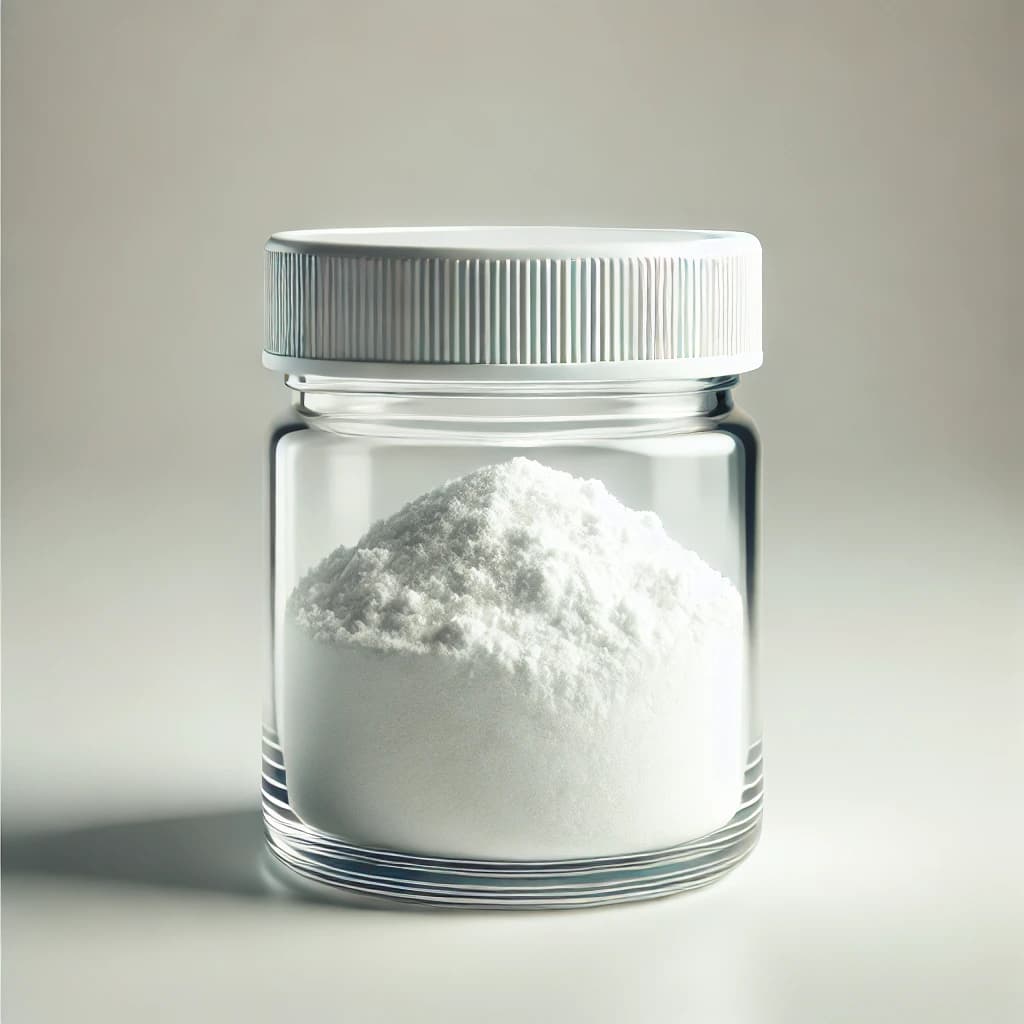
L-Glycine
ELTRESSTM – LGly
Get Pricing For This Product
Need pricing? Request a quote for this product and we'll get back to you shortly.
Speed Up Your Sample Testing Process
Express Delivery in 24–48 Hours
L-Glycine is a non-essential amino acid widely used in various industries, including pharmaceuticals, food, and cosmetics. It serves as a building block for proteins and is crucial in the synthesis of…
CAS Number
56-40-6
HS Code
29224995
INCI Name
-
Molecular Formula
C2H5NO2
L-Glycine
ELTRESSTM – LGly
L-Glycine is a non-essential amino acid widely used in various industries, including pharmaceuticals, food, and cosmetics. It serves as a building block for proteins and is crucial in the synthesis of nucleic acids, bile acids, and other amino acids. In the food industry, it is…
CAS Number
56-40-6
INCI Name
-
HS Code
29224995
Molecular Formula
C2H5NO2
Get Pricing For This Product
Need pricing? Request a quote for this product and we'll get back to you shortly.
Speed Up Your Sample Testing Process
We deliver domestic samples within 24 - 48 hours, helping you evaluate product without delays.
About L-Glycine
L-Glycine, also known as aminoacetic acid, is a versatile amino acid used across various industries. As a key component in protein synthesis, it plays a vital role in the production of nucleic acids and other amino acids. L-Glycine manufacturers focus on producing high-purity compounds to meet the stringent demands of the pharmaceutical and food industries. Its applications range from being a sweetener in food products to a buffering agent in pharmaceuticals. The compound's stability and solubility make it a preferred choice for numerous formulations. L-Glycine suppliers ensure consistent quality and supply to meet global market demands, particularly in North America, where it is widely used in dietary supplements and personal care products. The production process is carefully controlled to maintain the compound's effectiveness and safety, aligning with industry standards and regulations.
- High Purity Standards: Ensures performance in pharmaceuticals and food applications.
- Versatile Use: Applicable in food, pharmaceuticals, and personal care industries.
- Stable and Soluble: Ideal for various formulations requiring consistent quality.
- Safe and Effective: Recognized as safe for consumption and use in multiple applications.
- Global Availability: Widely supplied to meet international market demands.
About L-Glycine
L-Glycine, also known as aminoacetic acid, is a versatile amino acid used across various industries. As a key component in protein synthesis, it plays a vital role in the production of nucleic acids and other amino acids. L-Glycine manufacturers focus on producing high-purity compounds to meet the stringent demands of the pharmaceutical and food industries. Its applications range from being a sweetener in food products to a buffering agent in pharmaceuticals. The compound's stability and solubility make it a preferred choice for numerous formulations. L-Glycine suppliers ensure consistent quality and supply to meet global market demands, particularly in North America, where it is widely used in dietary supplements and personal care products. The production process is carefully controlled to maintain the compound's effectiveness and safety, aligning with industry standards and regulations.
- High Purity Standards: Ensures performance in pharmaceuticals and food applications.
- Versatile Use: Applicable in food, pharmaceuticals, and personal care industries.
- Stable and Soluble: Ideal for various formulations requiring consistent quality.
- Safe and Effective: Recognized as safe for consumption and use in multiple applications.
- Global Availability: Widely supplied to meet international market demands.
FAQs - L-Glycine
Related Products
Related Products
Streamline
Your Chemical
Procurement
Get fast responses from real experts