
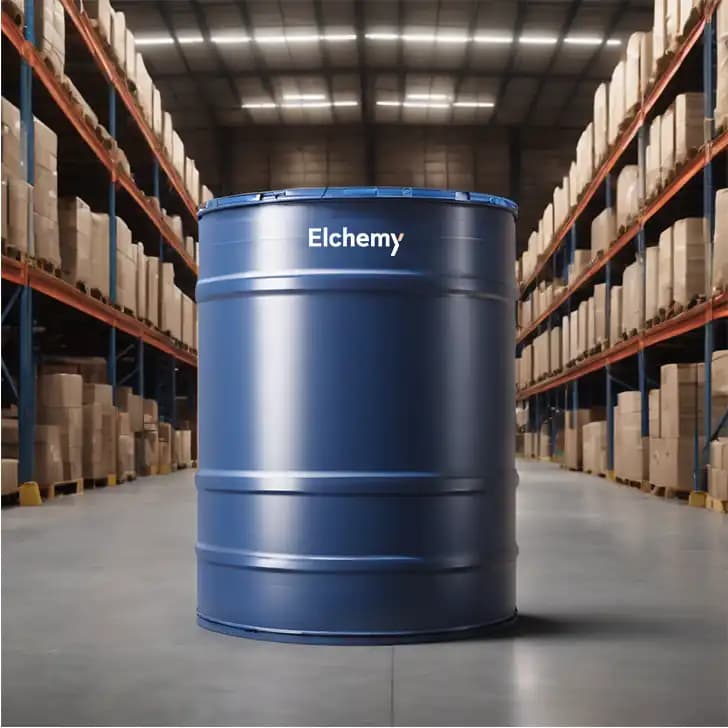
Dimethyl sulfate
ELACTAVIATM – dMS

Get Pricing for This Product
Need pricing? Request a quote for this product and we'll get back to you shortly.
 Free Samples Available
Speed Up Your Sample Testing Process
We deliver domestic samples within 24 - 48 hours, helping you evaluate product without delays.
Dimethyl sulfate is a highly toxic, colorless, oily liquid used primarily as a methylating agent in organic synthesis. It is employed in the production of dyes, perfumes, and pharmaceuticals. Due to…
CAS Number
77-78-1
HS Code
29091900
INCI Name
Dimethyl sulfate
Molecular Formula
C₂H₆O₄S
Dimethyl sulfate
ELACTAVIATM – dMS
Dimethyl sulfate is a highly toxic, colorless, oily liquid used primarily as a methylating agent in organic synthesis. It is employed in the production of dyes, perfumes, and pharmaceuticals. Due to its hazardous nature, it requires careful handling and storage.
CAS Number
77-78-1
INCI Name
Dimethyl sulfate
HS Code
29091900
Molecular Formula
C₂H₆O₄S
Get Pricing for This Product
Need pricing? Request a quote for this product and we'll get back to you shortly.
Free Samples AvailableSpeed Up Your Sample Testing Process
We deliver domestic samples within 24 - 48 hours, helping you evaluate product without delays.
 By
By
Specialty chemicals, delivered right
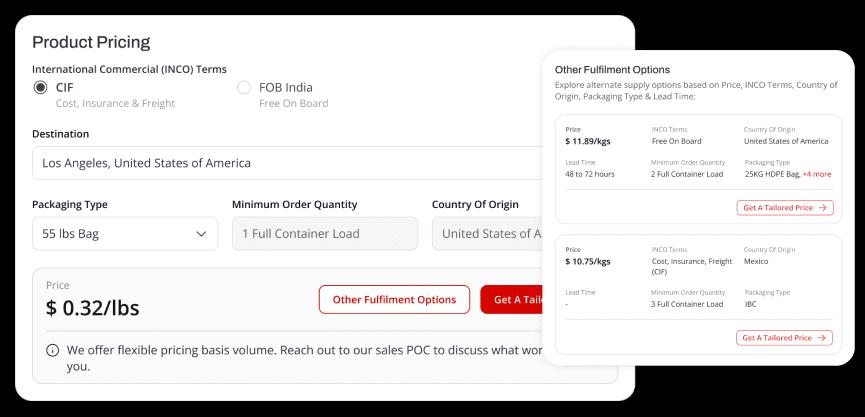
Access live, grade-specific pricing for every chemical, so your teams talks with data, not intuition on Elixir.
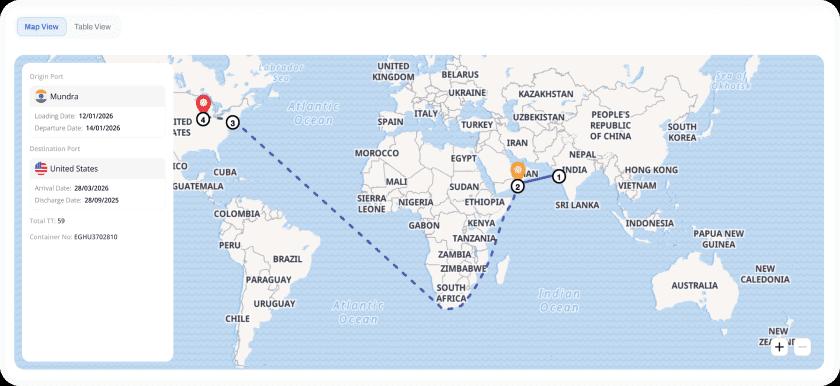
Compare fulfilment options across grades, INCO terms, origins, and lead times: all in one platform.

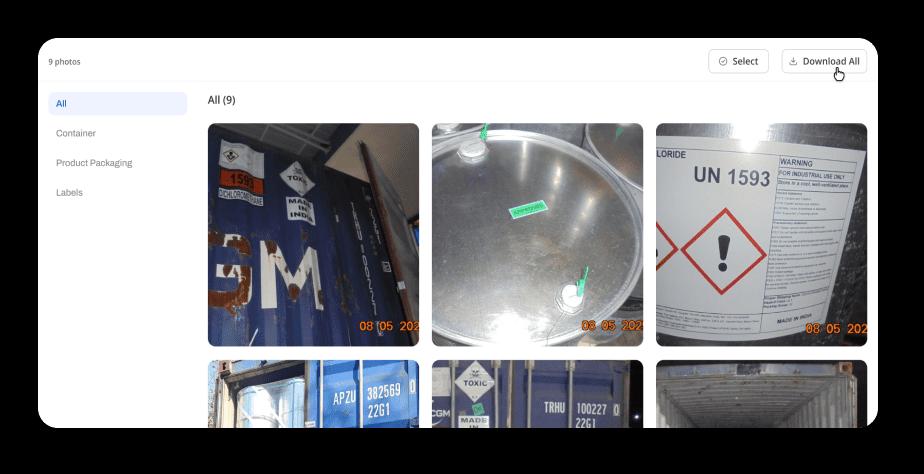
Live, transparent pricing
Real-time quotes across 12,000+ specialty chemicals.
Product Specification
Physical Properties
| Property | Specification |
|---|---|
| Appearance | Colorless oily liqud |
| Odor | Faint, onion-like odor |
| Molecular Weight (G/Mol) | 126.13 |
| Density Or Specific Gravity | 1.3283 g/mL at 68 °F |
| Refractive Index | 1.3874 at 20 °C/D |
Chemical Properties
| Property | Specification |
|---|---|
| Water Solubility | 2.8 g/100 mL |
Thermal Properties
| Property | Specification |
|---|---|
| Melting Point | -25.15 °F |
| Boiling Point | About 370 °F |
| Flash Point | 182 °F |
| Autoignition Temperature | 370 °F |
Processing Methods & Reference Formulations
A. Cationic Dye Methylation Mixture
When methylating dye intermediates to form cationic dyes, add Dimethyl Sulfate (DMS) gradually to the dye base in an aqueous or solvent medium under cooling to control the exothermic reaction. Stir continuously and monitor the reaction progress before work-up and purification.
| Key Ingredients | Indicative Dosage (% w/w) |
|---|---|
| Sulfanilic Acid | 25% |
| Sodium Carbonate | 10% |
| Sodium Nitrite | 10% |
| N,N-Dimethylaniline | 15% |
| Dimethyl Sulphate | 10% |
| Hydrochloric Acid (conc.) | 5% |
| Ice/Water | 25% |
B. Cellulose Ether Methylation Process
In the methylation of cellulose to produce methylcellulose, add Dimethyl Sulfate (DMS) slowly to the alkaline cellulose slurry under controlled cooling to avoid runaway exothermic reaction. Stir thoroughly for uniform reaction and quench with dilute acid or water to stop methylation.
| Key Ingredients | Indicative Dosage (% w/w) |
|---|---|
| Cellulose pulp | 25% |
| Dimethyl Sulfate (DMS) | 33% |
| Magnesium Oxide (MgO) | 33% |
| Water (solvent) | 9% |
Dosing Guidelines
A. Products
| Products | Authorized dosage |
|---|---|
| Methyl cellulose synthesis | 10-25% |
| Cationic dye synthesis | 20-35% |
About Dimethyl sulfate
Dimethyl sulfate, known for its role as a potent methylating agent, is a critical component in various industrial applications. As a Dimethyl sulfate manufacturer, we ensure the highest standards of purity and safety in our production processes. This chemical is indispensable in the synthesis of pharmaceuticals, dyes, and perfumes, where it facilitates the transfer of methyl groups to organic compounds, enhancing their properties and effectiveness. Our Dimethyl sulfate suppliers network is committed to providing reliable and timely delivery to meet the demands of global markets, particularly in North America. The technical grade of Dimethyl sulfate we offer is suitable for a wide range of applications, ensuring versatility and efficiency in industrial processes. Safety is paramount, and we adhere to stringent regulations to minimize environmental impact and ensure safe handling and storage. Our focus on sustainability and innovation positions us as a leader in the chemical industry, providing solutions that meet the evolving needs of our clients.
- Effective Methylating Agent: Facilitates methyl group transfer in organic synthesis, crucial for pharmaceuticals and agrochemicals.
- High Purity Standards: Ensures consistent performance in industrial applications, meeting stringent quality requirements.
- Versatile Industrial Use: Applicable in dye manufacturing, perfume synthesis, and as a solvent in chemical reactions.
- Safe Handling Protocols: Adheres to strict safety guidelines to minimize risks associated with its high toxicity.
- Sustainable Production Practices: Focus on reducing environmental impact through innovative manufacturing processes.
About Dimethyl sulfate
Dimethyl sulfate, known for its role as a potent methylating agent, is a critical component in various industrial applications. As a Dimethyl sulfate manufacturer, we ensure the highest standards of purity and safety in our production processes. This chemical is indispensable in the synthesis of pharmaceuticals, dyes, and perfumes, where it facilitates the transfer of methyl groups to organic compounds, enhancing their properties and effectiveness. Our Dimethyl sulfate suppliers network is committed to providing reliable and timely delivery to meet the demands of global markets, particularly in North America. The technical grade of Dimethyl sulfate we offer is suitable for a wide range of applications, ensuring versatility and efficiency in industrial processes. Safety is paramount, and we adhere to stringent regulations to minimize environmental impact and ensure safe handling and storage. Our focus on sustainability and innovation positions us as a leader in the chemical industry, providing solutions that meet the evolving needs of our clients.
- Effective Methylating Agent: Facilitates methyl group transfer in organic synthesis, crucial for pharmaceuticals and agrochemicals.
- High Purity Standards: Ensures consistent performance in industrial applications, meeting stringent quality requirements.
- Versatile Industrial Use: Applicable in dye manufacturing, perfume synthesis, and as a solvent in chemical reactions.
- Safe Handling Protocols: Adheres to strict safety guidelines to minimize risks associated with its high toxicity.
- Sustainable Production Practices: Focus on reducing environmental impact through innovative manufacturing processes.
Regulatory Compliance
| Region | Max Allowed Level | Notes | Certification Body |
|---|---|---|---|
| Australia | - | Not permitted in cosmetics; considered a hazardous and carcinogenic substance. | - |
| China | - | Not permitted in cosmetics; listed as a prohibited substance. | - |
| Republic of Korea | - | Not permitted in cosmetics; aligns with EU/IFRA bans. | - |
| United States | - | Recommended exposure limit (REL) for occupational settings: 0.1 ppm | - |
| United States | - | Legal permissible exposure limit (PEL) for occupational settings: 1 ppm (parts per million) | - |
| ASEAN | - | Not permitted in cosmetics | - |
| European Union | - | Explicitly banned in cosmetics under the EU Cosmetics Regulation | - |
FAQs - Dimethyl sulfate
Related Products
Related Products

Streamline
Your Chemical
Procurement
Get fast responses from real experts