
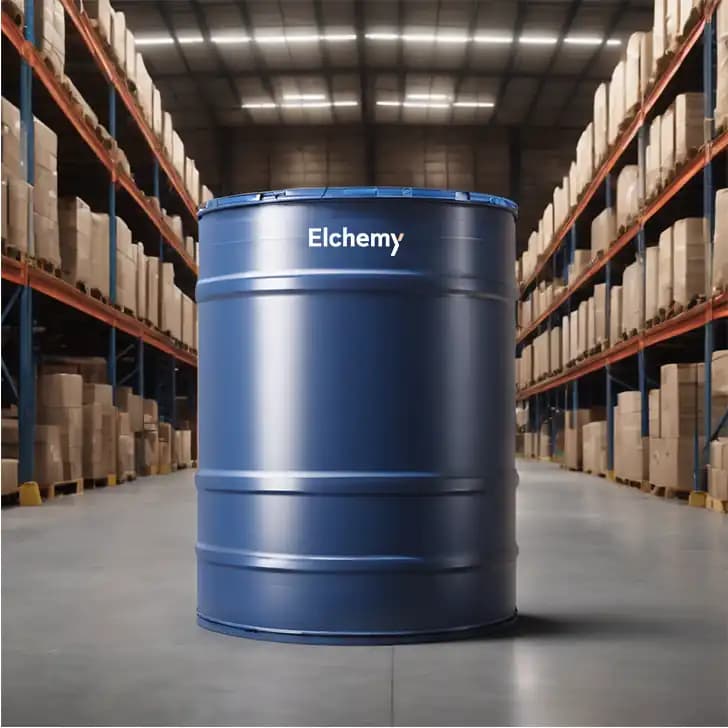
Cocamidopropyl Betaine
ELSURFACTM – CAB35

Get Pricing for This Product
Need pricing? Request a quote for this product and we'll get back to you shortly.
 Free Samples Available
Speed Up Your Sample Testing Process
We deliver domestic samples within 24 - 48 hours, helping you evaluate product without delays.
Cocamidopropyl Betaine 35% is an amphoteric surfactant derived from coconut oil and dimethylaminopropylamine, supplied as a clear pale-yellow liquid at Cocamidopropyl Betaine 35% active. It functions…
CAS Number
86438-79-1
HS Code
34021900
INCI Name
-
Molecular Formula
C19H38N2O3
Cocamidopropyl Betaine
ELSURFACTM – CAB35
Cocamidopropyl Betaine 35% is an amphoteric surfactant derived from coconut oil and dimethylaminopropylamine, supplied as a clear pale-yellow liquid at Cocamidopropyl Betaine 35% active. It functions as a secondary surfactant, foam booster, viscosity builder, mildness modifier…
CAS Number
86438-79-1
INCI Name
-
HS Code
34021900
Molecular Formula
C19H38N2O3
Get Pricing for This Product
Need pricing? Request a quote for this product and we'll get back to you shortly.
Free Samples AvailableSpeed Up Your Sample Testing Process
We deliver domestic samples within 24 - 48 hours, helping you evaluate product without delays.
 By

Specialty chemicals, delivered right
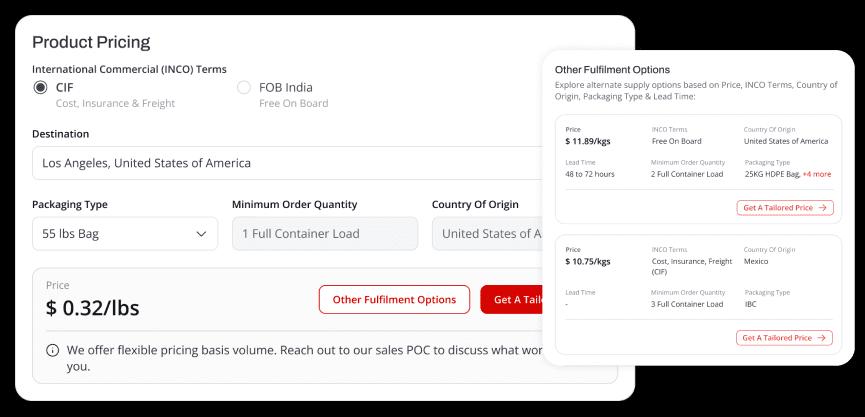
Access live, grade-specific pricing for every chemical, so your teams talks with data, not intuition on Elixir.
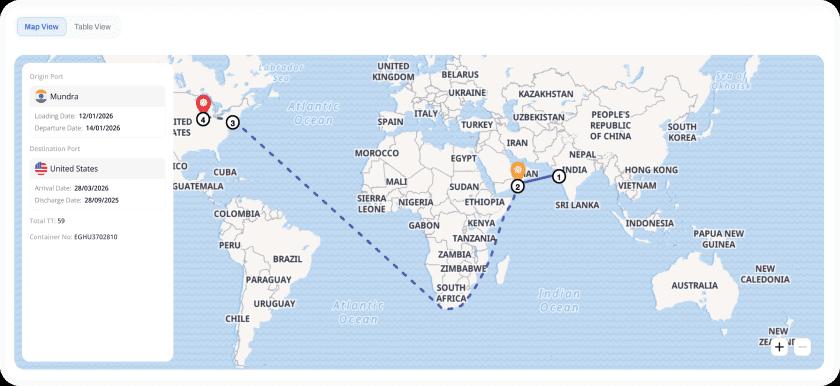
Compare fulfilment options across grades, INCO terms, origins, and lead times: all in one platform.

Live, transparent pricing
Real-time quotes across 12,000+ specialty chemicals.
About Cocamidopropyl Betaine
Manufacturing Process of Cocamidopropyl Betaine 35%
Cocamidopropyl betaine is produced in two steps. First, coconut fatty acids (or coconut oil) are reacted with dimethylaminopropylamine (DMAPA) to form cocamidopropyl dimethylamine. This intermediate is then quaternised by reaction with sodium monochloroacetate to form the betaine. The product is diluted to the target active concentration and adjusted for pH, sodium chloride and residual amine/amidoamine, which are the key quality parameters. As a quality-focused cocamidopropyl betaine manufacturer and sourcing tech partner, Elchemy tests every shipment for active matter, pH, sodium chloride and free amidoamine before dispatch, with a Certificate of Analysis travelling alongside each order.
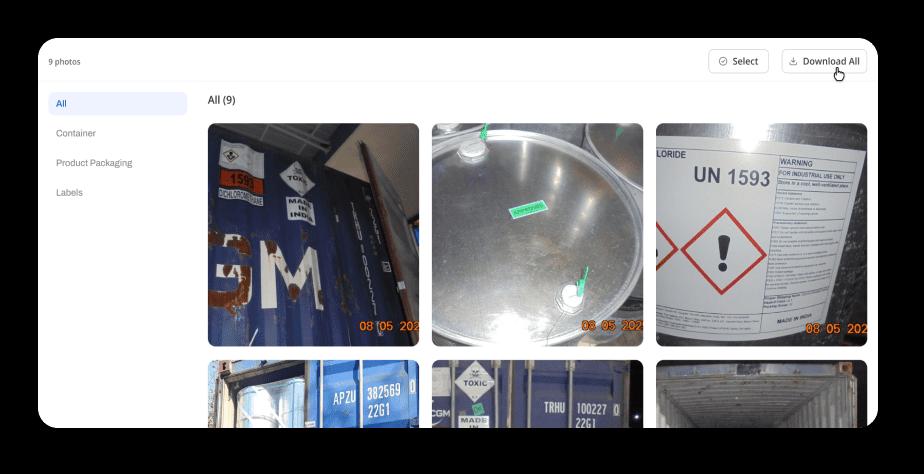
Packaging & Logistics for Bulk Cocamidopropyl Betaine 35%
35% ships in standard export packaging - bags, drums, IBCs or bulk as the material requires - with both metric and imperial weights, supplied to your specification. A typical 20' container holds a full commercial load depending on packaging. For US, UK and UAE buyers, Elchemy arranges compliant freight and customs documentation, offering EXW, FOB, CIF and DDP terms. Transit times and stock position are confirmed at quotation, and samples are dispatched within 24 to 48 hours. Store per the conditions on the TDS. As a global cocamidopropyl betaine distributor, Elchemy ships to 40+ countries with the documentation each destination market requires.
Why Choose Elchemy as a Trusted Cocamidopropyl Betaine 35% Supplier
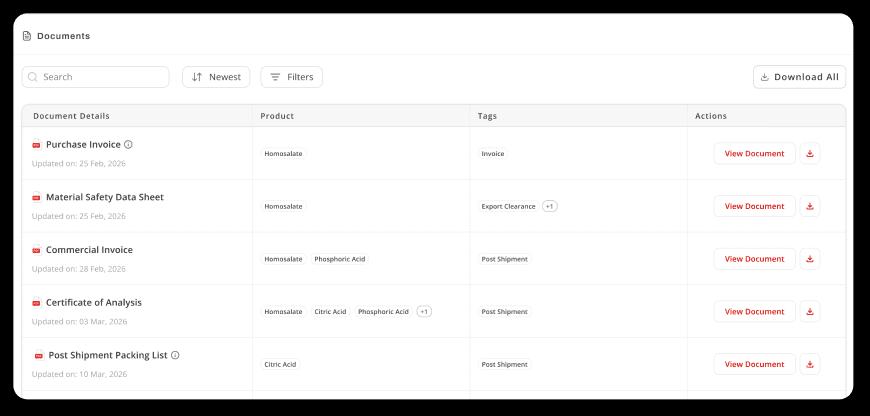
Elchemy makes sourcing CABP 35% straightforward for industrial buyers. Every order ships with a Certificate of Analysis, TDS and GHS-aligned SDS as standard, across the grades listed above. Because we source across multiple origins, we quote the best landed cost for your destination rather than a single cocamidopropyl betaine manufacturer's list price. Partner plants operate to recognised quality standards (ISO 9001, plus food/pharma certifications where relevant), with Halal and Kosher documentation on request. For buyers with specific formulation or production requirements, custom chemical manufacturing can provide a more tailored sourcing option. From the USA and UK to the UAE and beyond, Elchemy serves as a single cocamidopropyl betaine supplier, manufacturer and distributor relationship - with samples before bulk and pricing tailored to your volume and contract terms.
Safety & Handling
Classified under GHS as Eye Irritant Category 2 (concentrated). Not DOT-regulated (aqueous). Provide the SDS. Cocamidopropyl betaine is well tolerated and widely used in mild and baby cleansers, but it can act as a skin sensitiser in a small number of people - an effect linked to the residual impurities free DMAPA and cocamidopropyl dimethylamine rather than the betaine itself, which is why cosmetic grade controls these tightly. The concentrated liquid is mildly irritating to the eyes. Handle with basic PPE; it is not a significant environmental or flammability hazard. The full 16-section GHS-aligned SDS is available alongside every CAPB 35% order.
Production Technique and Raw Materials
Cocamidopropyl betaine is produced in two steps. First, coconut fatty acids (or coconut oil) are reacted with dimethylaminopropylamine (DMAPA) to form cocamidopropyl dimethylamine. This intermediate is then quaternised by reaction with sodium monochloroacetate to form the betaine. The product is diluted to the target active concentration and adjusted for pH, sodium chloride and residual amine/amidoamine, which are the key quality parameters.
Tentative Side Effects
Cocamidopropyl betaine is well tolerated and widely used in mild and baby cleansers, but it can act as a skin sensitiser in a small number of people - an effect linked to the residual impurities free DMAPA and cocamidopropyl dimethylamine rather than the betaine itself, which is why cosmetic grade controls these tightly. The concentrated liquid is mildly irritating to the eyes. Handle with basic PPE; it is not a significant environmental or flammability hazard.
- Consistent, specification-grade CAPB 35% with a Certificate of Analysis on every batch
- Multiple grades available CAPB 35% (standard), CAPB 30%, Low-salt CAPB and more
- Full documentation as standard: COA, TDS and GHS-aligned SDS
- Halal, Kosher and origin/non-GMO declarations on request where applicable
- Multi-origin sourcing from a single cocamidopropyl betaine supplier for competitive landed cost
- Samples in 24–48 hours; delivery to the USA, UK, UAE and 40+ countries
FAQs - Cocamidopropyl Betaine
Related Products
Related Products

Streamline
Your Chemical
Procurement
Get fast responses from real experts