
Chloroform
ELACTAVIATM – Cfm

Get Pricing for This Product
Need pricing? Request a quote for this product and we'll get back to you shortly.
 Free Samples Available
Speed Up Your Sample Testing Process
We deliver domestic samples within 24 - 48 hours, helping you evaluate product without delays.
Chloroform is a colorless, volatile liquid with a sweet smell, widely used as a solvent in laboratories and industries. It is also used in the production of refrigerants and as a precursor to various…
CAS Number
67-66-3
HS Code
29031300
INCI Name
-
Molecular Formula
CHCl3
Chloroform
ELACTAVIATM – Cfm
Chloroform is a colorless, volatile liquid with a sweet smell, widely used as a solvent in laboratories and industries. It is also used in the production of refrigerants and as a precursor to various chemical compounds. Chloroform is known for its anesthetic properties, although…
CAS Number
67-66-3
INCI Name
-
HS Code
29031300
Molecular Formula
CHCl3
Get Pricing for This Product
Need pricing? Request a quote for this product and we'll get back to you shortly.
Free Samples AvailableSpeed Up Your Sample Testing Process
We deliver domestic samples within 24 - 48 hours, helping you evaluate product without delays.
 By
By
Specialty chemicals, delivered right
Access live, grade-specific pricing for every chemical, so your teams talks with data, not intuition on Elixir.
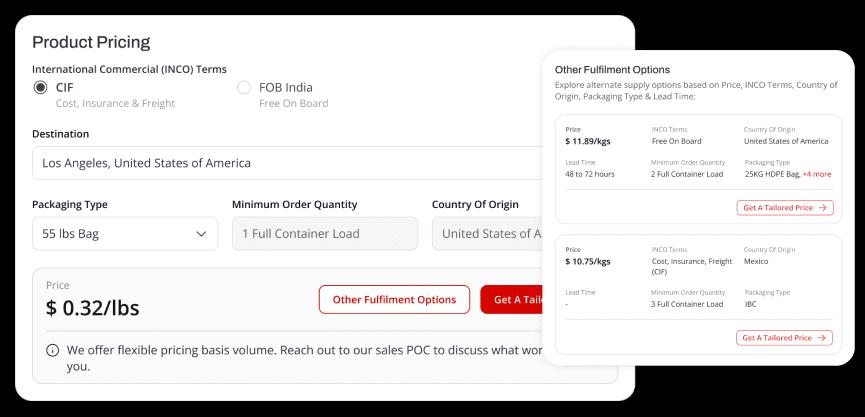
Compare fulfilment options across grades, INCO terms, origins, and lead times: all in one platform.

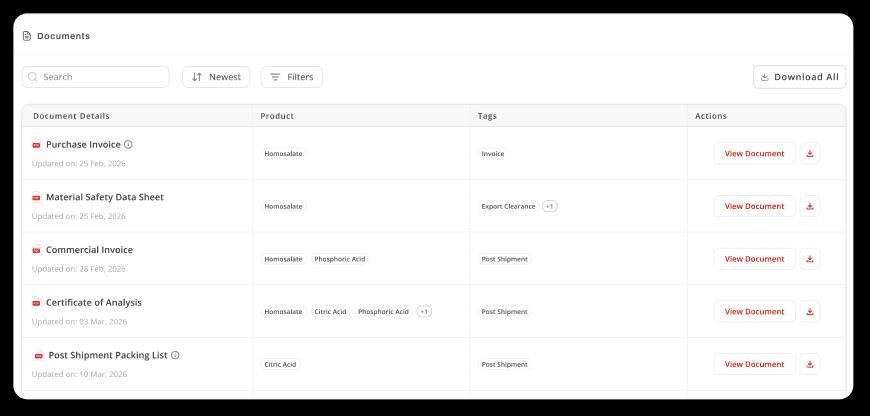
Live, transparent pricing
Real-time quotes across 12,000+ specialty chemicals.

About Chloroform
Chloroform, also known as trichloromethane, is a versatile chemical compound used in various industrial applications. As a solvent, it is highly effective in dissolving a wide range of substances, making it invaluable in laboratories and manufacturing processes. Chloroform manufacturers focus on producing high-purity grades to meet the stringent requirements of industries such as pharmaceuticals and chemicals. The compound's role as a precursor in the production of refrigerants underscores its importance in the cooling industry. Despite its historical use as an anesthetic, modern safety standards have limited its medical applications due to potential health risks. Chloroform suppliers emphasize safe handling and storage practices to mitigate these risks. The compound's unique properties, including its non-flammability and high volatility, make it a preferred choice in specific applications where alternatives may not perform as effectively. As global markets continue to demand efficient and reliable chemical solutions, Chloroform remains a critical component in the toolkit of industries ranging from pharmaceuticals to chemical manufacturing.
- Effective Solvent: Chloroform's ability to dissolve a wide range of substances makes it a preferred solvent in laboratories and industrial applications.
- Non-Flammable: Its non-flammable nature enhances safety in handling and storage, reducing fire hazards.
- High Volatility: The high volatility of Chloroform allows for rapid evaporation, which is beneficial in processes requiring quick drying or concentration.
- Versatile Chemical Intermediate: Used in the synthesis of various chemical compounds, Chloroform is a key intermediate in chemical manufacturing.
- Refrigerant Precursor: Essential in the production of refrigerants, Chloroform contributes to the efficiency of cooling systems.
About Chloroform
Chloroform, also known as trichloromethane, is a versatile chemical compound used in various industrial applications. As a solvent, it is highly effective in dissolving a wide range of substances, making it invaluable in laboratories and manufacturing processes. Chloroform manufacturers focus on producing high-purity grades to meet the stringent requirements of industries such as pharmaceuticals and chemicals. The compound's role as a precursor in the production of refrigerants underscores its importance in the cooling industry. Despite its historical use as an anesthetic, modern safety standards have limited its medical applications due to potential health risks. Chloroform suppliers emphasize safe handling and storage practices to mitigate these risks. The compound's unique properties, including its non-flammability and high volatility, make it a preferred choice in specific applications where alternatives may not perform as effectively. As global markets continue to demand efficient and reliable chemical solutions, Chloroform remains a critical component in the toolkit of industries ranging from pharmaceuticals to chemical manufacturing.
- Effective Solvent: Chloroform's ability to dissolve a wide range of substances makes it a preferred solvent in laboratories and industrial applications.
- Non-Flammable: Its non-flammable nature enhances safety in handling and storage, reducing fire hazards.
- High Volatility: The high volatility of Chloroform allows for rapid evaporation, which is beneficial in processes requiring quick drying or concentration.
- Versatile Chemical Intermediate: Used in the synthesis of various chemical compounds, Chloroform is a key intermediate in chemical manufacturing.
- Refrigerant Precursor: Essential in the production of refrigerants, Chloroform contributes to the efficiency of cooling systems.
FAQs - Chloroform
Related Products



Related Products

Streamline
Your Chemical
Procurement
Get fast responses from real experts