
Personal Care
Premium ingredients for personal care products including emulsifiers, preservatives, and active ingredients for cosmetics and skincare.
TOP OF THE LINE
Top Products
BROWSE EVERYTHING
Product Range
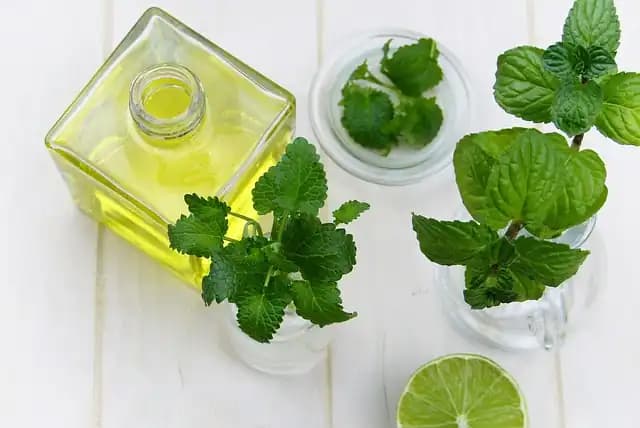
Pepermint Oil
Derived from Mentha piperita, peppermint oil is a versatile essential oil known for its nourishing and nourishing properties. With its minty and cooling scent, it’s a popular ingredient in aromatherap...

Hydroxy Citronellol
Hydroxy citronellol is a natural compound with a pleasant floral scent. Made from citronella oil, it is widely used in the fragrance and cosmetic industries for its fragrance and versatility. This smo...

Citronellal
Citronellal is a colorless natural liquid with a fresh lemon-like scent, derived from essential oils such as citronella, lemon grass, and lemon eucalyptus It is widely used in the perfumery and flavor...

Geranyl Acetate
Geranyl acetate is a naturally occurring ester known for its rich floral and fruity aromas. This organic compound is commonly found in various essential oils, especially geranium and rose oil. Because...

Geraniol
Geraniol is a naturally occurring monoterpenoid, and alcohol is found in essential oils, especially rose and citronella. Its sweet, floral fragrance makes it an important ingredient in the fragrance a...
Linalyl Acetate
Linalyl acetate is a naturally occurring ester and one of the main components of lavender essential oil. It is known for its sweet, light floral and fruity aromas, making it popular in the perfumery a...

Linalool
Linalool is a naturally occurring terpene alcohol that contributes to the pleasant floral aroma found in a variety of plants, especially lavender and coriander Widely used in the perfumery and perfume...
Citronellol
Citronellol is a natural acyclic monoterpenoid alcohol widely known for its sweet and floral aroma. Found in essential oils, especially rose and geranium, citronellol is a key ingredient in the fragra...

Benzyl Phenyl Acetate
Benzyl phenyl acetate, also known as phenylmethyl phenylacetate or BPA, is a naturally occurring chemical classified as an ester. It imparts an aromatic, sweet and floral scent, making it a sought-aft...

Sodium Benzoate
ELPROTECTTM – NaBZ
Sodium benzoate is the sodium salt of benzoic acid, which exists in this form when dissolved in water. This compound is produced by treating benzoic acid with sodium hydroxide. On a commercial level, ...
Methylchloroisothiazolinone (CMIT)
Methylchloroisothiazolinone (MCI) is a biocide that is effective against both gram-positive and gram-negative bacteria, yeast, and fungus. It is often found in water-based personal care and cosmetics,...

Methylisothiazolinone (MIT)
Methylisothiazolinone, a white solid chemical molecule, is utilized in personal care goods and industrial applications as a biocide. It is allergenic and is used to suppress microbial development in w...
FAQs - Personal Care
How does Elchemy ensure regulatory compliance for Personal Care ingredients?
Elchemy ensures regulatory compliance by sourcing only from audited facilities and providing documentation aligned with US and global standards such as FDA and EPA.
How can I access COAs and SDS for chemicals used in the Personal Care industry?
You can view the CoA and SDS directly on the product details page of any listed item. If you require additional documentation, it can be provided upon request.
What certifications should suppliers have for Personal Care grade chemicals?
Suppliers for Personal Care chemicals typically hold certifications such as ISO 9001, GMP, Kosher, Halal, and FDA registration.
How does Elchemy support sustainable sourcing in the Personal Care sector?
Elchemy supports sustainability by partnering with manufacturers who follow ethical sourcing practices and operate with environmental certifications like Ecovadis or Sedex.
What is the typical lead time for sourcing ingredients in the Personal Care category?
Typical lead times vary by product but range from 2 to 6 weeks depending on stock availability and shipping method.
Does Elchemy offer formulation support for Personal Care customers?
Yes, our technical team offers formulation guidance for clients in the Personal Care space based on application needs and performance targets.
How do you handle ingredient traceability for Personal Care applications?
Elchemy ensures traceability through its internal tech platform, tracking each batch and document from supplier to final delivery.
Which compliance standards are relevant to Personal Care chemicals in the US market?
Relevant standards for Personal Care include OSHA, FDA, REACH, TSCA, and industry-specific certifications based on application and geography.
What are the common challenges in chemical sourcing for the Personal Care industry?
Common sourcing challenges in the Personal Care industry include volatile pricing, regulatory shifts, limited global suppliers, and quality consistency.

Still have questions?
Our team is here to provide clarity or address any questions you may have
Versatility in Action
Explore Additional Industries
Personal Care
Home Care and Industrial Cleaning
Flavours and Fragrance
Food and Nutrition
Oil and Gas
Chemical Intermediates
Water Treatment & Mining
C.A.S.E.
RESOURCES
Blogs, Events & News at Elchemy

BLOG
Safer Alternatives to Titanium Dioxide in Skincare: What Actually Works
Concerned about titanium dioxide in your skincare? Discover science-backed alternatives that protect and perform — without the controversy. Find out what actually works.
Category
Chemical Market

EVENTS
IFT FIRST
Chicago, United States
July 11, 2026

BLOG
Titanium Dioxide vs Zinc Oxide Sunscreen: Which Mineral UV Filter Should You Actually Use?
Chemical Market

EVENTS
World Perfumery Congress 2026
San Francisco, United States
June 21, 2026
Streamline
Your Chemical
Procurement
Get fast responses from real experts