

At a Glance:
-
- Water reclamation systems now recover 85–95% of process water in advanced beverage facilities
-
- PLA and molded fiber packaging replace 30% of single-use plastics in sustainable beverage packaging strategies
-
- Energy consumption per litre has dropped 22% industry-wide since 2018 through heat recovery and process optimization
-
- Enzymatic brewing reduces fermentation time by 40–60% while cutting energy input 25–35%
-
- Membrane filtration eliminates 99.9% of pathogens without thermal pasteurization in cold-chain juice production
-
- Carbon capture integration at fermentation facilities now sequesters 2,000–5,000 tonnes CO₂ annually per plant
-
- Consumer demand drives adoption — 68% of US beverage buyers actively seek sustainable packaging claims
-
- ROI on sustainable beverage technologies ranges from 18 months (LED lighting) to 5 years (water reclamation)
A craft brewery in Colorado installed a water recovery system in late 2023. The system cost $240,000 and the CFO questioned the payback timeline. Eighteen months later, municipal water bills had dropped $185,000 annually and the system was already cash-positive. More importantly, the ‘Zero Waste Brewery’ label on every six-pack became the brand’s strongest marketing differentiator.
Sustainability shifted from cost centre to competitive advantage.
The rise of sustainable beverage technologies isn’t driven solely by regulation or corporate responsibility statements. It’s economics. Water costs are climbing. Energy prices remain volatile. Waste disposal fees increase annually. And consumers — particularly the 25–45 demographic that dominates premium beverage purchases — actively choose brands demonstrating measurable environmental commitments. This convergence of cost pressure and market demand is transforming how American beverage manufacturers formulate, process, and package their products.
Sustainable Beverage Technologies: Water Management Revolution
Water is the beverage industry’s primary raw material and largest waste stream. A typical facility uses 3–7 litres of water for every litre of beverage produced — covering ingredient processing, equipment cleaning, cooling systems, and sanitation. That ratio is dropping fast.
Closed-Loop Water Systems
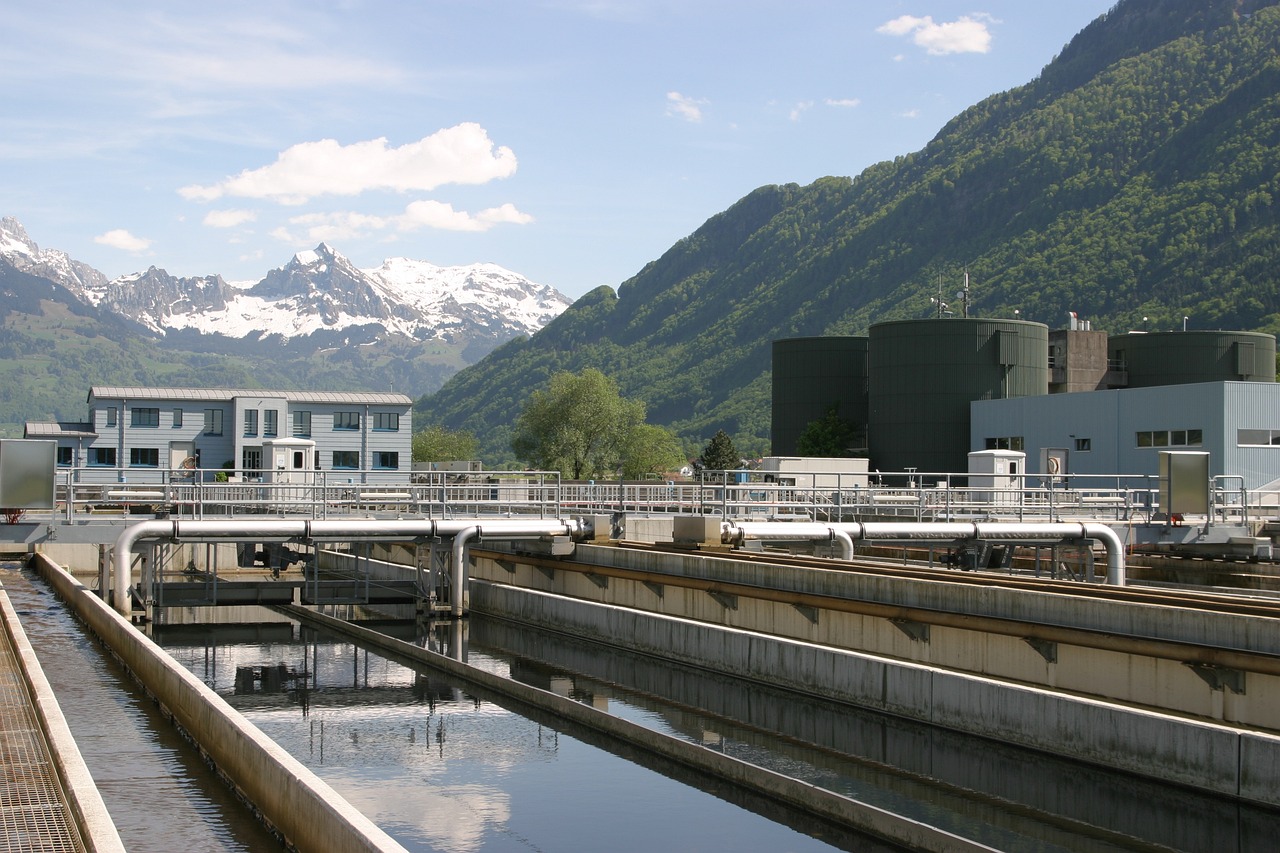
Advanced membrane filtration combined with reverse osmosis allows facilities to treat and reuse process water that was previously discarded. These systems remove dissolved solids, organic compounds, and microbial contaminants to potable standards.
Constellation Brands’ brewery in Mexicali achieves 98.5% water recovery through a multi-stage treatment process. Every litre of beer now requires just 2.8 litres of incoming water — down from 6.2 litres in 2016. The system paid for itself in 32 months through reduced water purchasing and sewage discharge fees.
Key water recovery technologies:
-
- Ultrafiltration membranes: 0.01–0.1 micron pore size removing suspended solids and bacteria
-
- Reverse osmosis: removes dissolved salts and organics, achieving >99% water purity
-
- UV disinfection: 254 nm wavelength destroys DNA in remaining microorganisms
-
- Electrocoagulation: removes colour, turbidity, and heavy metals without chemical additives
-
- Real-time monitoring: inline sensors ensuring consistent water quality across all recovery streams
Wastewater as Resource
Anaerobic digestion converts organic waste in beverage processing wastewater into biogas — primarily methane. This biogas can generate electricity, heat boilers, or fuel delivery vehicles. A mid-sized facility processing 50,000 litres daily produces enough biogas to offset 15–25% of natural gas consumption.
Turns out, what you discharge can power what you produce. The shift from ‘treat and release’ to ‘capture and convert’ transforms wastewater treatment from pure cost to partial energy offset.
| Technology | Water Savings | Typical ROI |
| Membrane filtration + RO | 85–95% recovery | 3–5 years |
| CIP (Clean-in-place) optimization | 30–40% reduction | 12–18 months |
| High-efficiency spray nozzles | 20–35% reduction | 6–12 months |
| Rinse water recapture | 40–60% of rinse water | 18–24 months |
| Cooling tower blowdown reuse | 10–15% facility total | 24–36 months |
Sustainable Beverage Packaging: Materials and Design Innovation
The most visible expression of sustainable beverage packaging is material selection. But the biggest impact often comes from design changes that reduce material use entirely — lightweighting, elimination of secondary packaging, and structural optimization that maintains performance with less input.
Bio-Based and Compostable Materials
PLA (polylactic acid) derived from corn starch or sugarcane offers a petroleum-free alternative to PET plastic. It’s compostable under industrial composting conditions (58°C for 90+ days) and carries significantly lower carbon footprint during production.
Molded fiber packaging — made from recycled paper pulp — replaces plastic clamshells, cup carriers, and secondary packaging across the industry. Material cost runs 15–25% higher than EPS foam, but the marketing value and waste diversion benefits justify the premium for premium brands.
Material alternatives gaining market share:
-
- PLA bottles: 30% carbon footprint reduction vs PET; used by brands like Honest Tea and CORE Water
-
- Aluminum cans: infinitely recyclable with 73% recycling rate in US (highest among beverage containers)
-
- Molded fiber: 100% recyclable and compostable; Coca-Cola’s CanCollar eliminates plastic ring carriers
-
- Paper bottles: Paboco pioneer paper shell with recyclable liner — pilot programs in Europe expanding to US
-
- Edible coatings: replacing plastic labels and shrink wraps with water-soluble or edible alternatives
Lightweighting and Material Reduction
A 500ml PET bottle that weighed 24 grams in 2010 now weighs 9–11 grams while maintaining identical structural performance. That 54% reduction across billions of bottles eliminates thousands of tonnes of plastic annually while cutting transportation fuel consumption.
Glass lightweighting follows similar trajectories. Premium wine bottles have dropped from 750 grams to 420 grams through finite element analysis optimizing glass distribution. The bottles look identical to consumers but require 44% less raw material and energy during production.
| Material | Carbon Footprint | Recyclability | Cost Premium |
| Virgin PET | Baseline (100%) | ~29% recycled (US) | — |
| rPET (recycled) | 75% of virgin | Same as virgin | +8–15% |
| PLA (bio-based) | 68% of virgin PET | Industrial compost only | +20–30% |
| Aluminum can | 190% of PET (virgin) | 73% recycled (US) | +5–10% |
| Glass (standard) | 115% of PET | 25% recycled | +15–25% |
| Molded fiber | 45% of PET | 100% recyclable | +25–40% |
Processing Efficiency: Energy and Waste Reduction
Non-Thermal Preservation Technologies
High-pressure processing (HPP) subjects packaged beverages to 87,000 psi for 90–180 seconds, inactivating pathogens without heat. Cold-pressed juices retain vitamins, enzymes, and fresh flavour that thermal pasteurization destroys.
HPP energy consumption runs 0.08–0.12 kWh per litre — roughly 70% less than tunnel pasteurization. The technology enables premium ‘raw’ juice products commanding 30–50% price premiums while reducing energy costs.
Pulsed electric field (PEF) technology offers similar benefits for liquid products. Microsecond electrical pulses disrupt microbial cell membranes without raising product temperature above 40°C. Energy consumption drops to 0.03–0.06 kWh per litre.
Fermentation Innovation
Enzymatic brewing accelerates fermentation through precision enzyme addition targeting specific sugars. Fermentation time drops from 7–10 days to 3–5 days while reducing temperature control energy by 25–35%. Heineken’s EverGreen brewery in Mexico City uses enzymatic processes achieving 40% energy reduction per hectolitre produced.
Energy efficiency technologies:
-
- Variable frequency drives (VFDs): reduce motor energy consumption 20–40% by matching speed to load
-
- Heat recovery systems: capture waste heat from pasteurization and refrigeration — 15–25% energy offset
-
- LED lighting retrofits: 60–75% lighting energy reduction with 18–24 month payback
-
- Smart sensors and automation: real-time optimization reducing energy waste from over-processing
-
- Thermal energy storage: shift energy consumption to off-peak hours reducing demand charges 30–50%
| Technology | Energy Reduction | Capital Cost Range |
| HPP systems | 70% vs thermal | $500,000–$2M |
| Heat recovery | 15–25% facility total | $50,000–$300,000 |
| VFD motor controls | 20–40% motor loads | $2,000–$8,000 per motor |
| LED lighting | 60–75% lighting | $15,000–$75,000 |
| Solar thermal (hot water) | 40–60% water heating | $80,000–$400,000 |
Carbon Management and Circular Economy Initiatives
CO₂ Capture from Fermentation
Breweries and wineries produce enormous quantities of carbon dioxide during fermentation — approximately 0.5 kg CO₂ per litre of beer. Rather than venting this to atmosphere, facilities install capture and purification systems that condense, filter, and store food-grade CO₂ for carbonation of finished products.
Sierra Nevada Brewing captures 98% of fermentation CO₂, eliminating external CO₂ purchases while preventing 2,400 tonnes of annual emissions. The system paid for itself in 4.2 years through avoided CO₂ purchases at $150–$250 per tonne.
Spent Grain and Byproduct Valorization
Brewers generate 14–20 kg of spent grain per hectolitre of beer produced. This wet, protein-rich material traditionally went to cattle feed at $20–$40 per tonne. New applications extract higher value.
Byproduct value streams:
-
- Protein extraction: isolating brewing proteins for food ingredients at $800–$1,200 per tonne
-
- Biogas production: anaerobic digestion generating 0.3–0.5 m³ biogas per kg spent grain
-
- Biochar production: pyrolysis converting spent grain to soil amendment worth $300–$600 per tonne
-
- Mushroom cultivation: spent grain as substrate for oyster and shiitake production
-
- Building materials: incorporation into composite building panels and insulation
| Byproduct | Traditional Value | Advanced Application Value |
| Spent grain (brewing) | $20–$40/tonne (cattle feed) | $300–$1,200/tonne (protein, biogas) |
| Grape pomace (wine) | $10–$25/tonne (compost) | $400–$800/tonne (polyphenol extract) |
| Citrus peels (juice) | $15–$30/tonne (animal feed) | $500–$900/tonne (pectin, d-limonene) |
| Coffee grounds | $5–$15/tonne (compost) | $200–$400/tonne (biochar, biofuel) |
Consumer Demand Driving Adoption
Sustainability initiatives that stay in the back office don’t drive consumer choice. But transparent, verifiable claims about sustainable beverage technologies and sustainable beverage packaging translate directly to purchase decisions.
A 2024 Nielsen study found 68% of US beverage consumers actively seek sustainability claims on packaging. More importantly, 41% pay 5–15% premiums for products with credible environmental certifications — B Corp, Carbon Neutral, 1% for the Planet, or Zero Waste facility verification.
This isn’t greenwashing tolerance. Consumers research claims. Brands caught exaggerating environmental benefits face immediate social media backlash and lasting reputation damage. The pressure rewards genuine investment in measurable sustainability while punishing superficial marketing.
What consumers value in sustainable beverage products:
-
- Recyclable or compostable packaging: 73% consider this ‘very important’
-
- Reduced plastic use: 68% factor this into purchasing decisions
-
- Water conservation claims: 52% awareness; 31% influence purchasing
-
- Renewable energy production: 47% awareness; 24% influence purchasing
-
- Local sourcing (reduced transport): 61% awareness; 38% influence purchasing
The integration of sustainable beverage technologies across water management, processing efficiency, and waste valorization — combined with measurable progress in sustainable beverage packaging — isn’t optional anymore. It’s competitive baseline. Facilities installing these systems see 18–48 month payback timelines through reduced utility costs, waste disposal fees, and raw material purchases. Brands communicating these investments transparently capture consumer preference and premium pricing power.
But here’s the thing: the technologies exist and the economics work. The barrier isn’t capability or cost. It’s decision-making inertia and the capital allocation process at established companies where ‘that’s how we’ve always done it’ mentality persists. The craft breweries, premium juice producers, and challenger brands adopting sustainable technologies fastest aren’t doing it despite the costs — they’re doing it because the combined financial and competitive advantages are undeniable.
The beverage industry’s sustainability transformation is happening. The question for individual companies is whether they’re leading it or watching it happen around them.
Elchemy Connection:
For beverage manufacturers implementing sustainable processing technologies, Elchemy connects you with reliable suppliers offering food-grade processing aids, cleaning compounds, water treatment chemicals, and natural preservatives in bulk quantities — along with technical support for optimizing sustainability metrics, regulatory compliance, and process efficiency across your specific production requirements.