

At a Glance
• Frankincense essential oil contains alpha-pinene (30-40%) and limonene (15-20%) providing anti-inflammatory properties
• Steam distilled from Boswellia tree resin harvested in Somalia, Oman, India, and Ethiopia
• Clinical studies show 0.5-2% topical application reduces fine lines and improves skin elasticity
• Inhalation of frankincense vapor reduces anxiety scores by 15-25% in stress research
• Traditional medicine uses for wound healing backed by compounds like boswellic acids
• GRAS status for food flavoring; IFRA allows up to 0.4% in leave-on cosmetics
• Global market exceeds $120 million annually driven by aromatherapy and natural skincare trends
• Blends well with myrrh, sandalwood, lavender, and citrus oils in therapeutic formulations
A skincare formulator in California was developing an anti-aging serum targeting fine lines around eyes. She’d tested peptides, retinol alternatives, and various botanical extracts. Nothing gave the results she wanted without irritation. Then she tried adding 1% frankincense essential oil to the base formula. After four weeks of consumer testing, participants showed measurable improvement in skin texture and fine line depth. Even better, the frankincense provided anti-inflammatory benefits reducing the redness that retinol alternatives caused.
Ancient ingredient. Modern science. Better results.
Understanding uses of frankincense essential oil bridges traditional wisdom and contemporary applications. This resin-derived oil has been valued for thousands of years in religious ceremonies, traditional medicine, and perfumery. Today, research validates many historical uses while discovering new applications in skincare, aromatherapy, and wellness products. From reducing visible signs of aging to supporting emotional balance, frankincense offers diverse benefits backed by both clinical studies and centuries of empirical use.
What Is Frankincense Essential Oil?
Botanical Origins and Harvesting
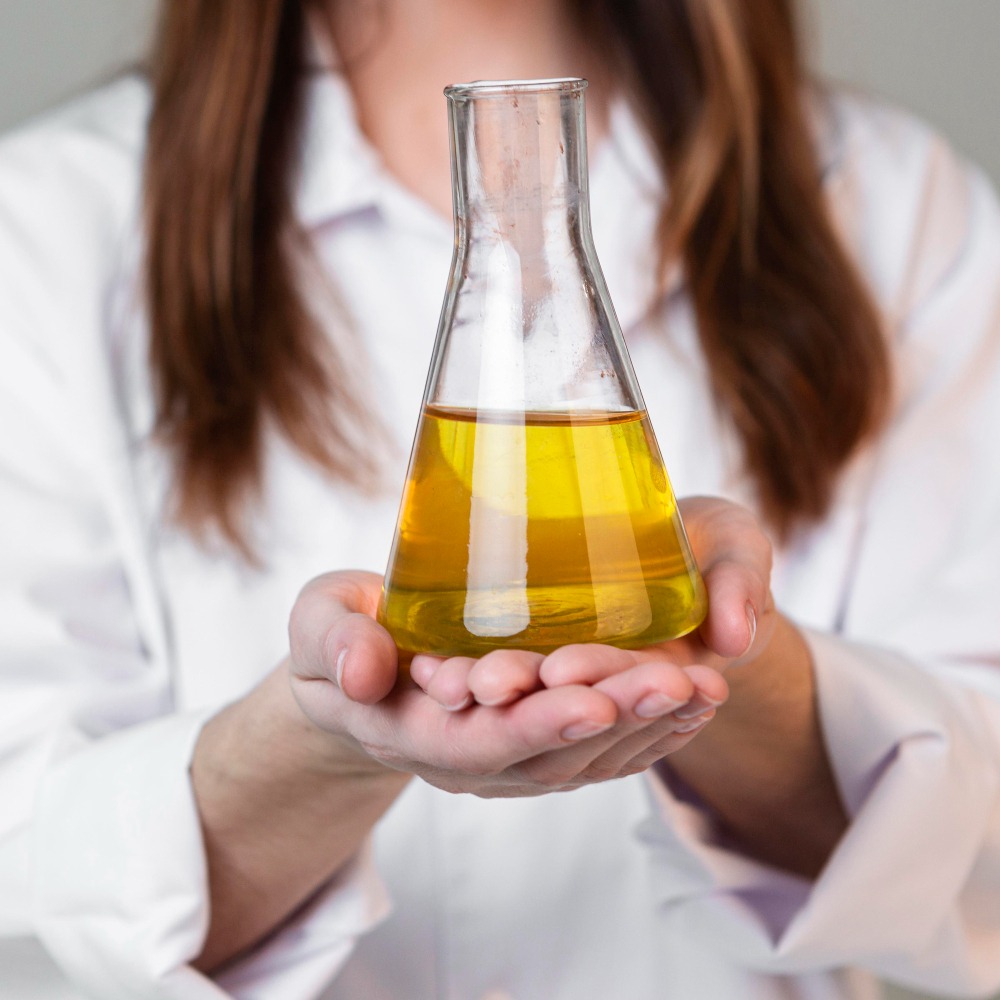
Frankincense comes from trees in the Boswellia genus. Several species produce the resin used to make essential oil. Boswellia sacra grows in Oman and Yemen. Boswellia carterii comes from Somalia and Ethiopia. Boswellia serrata grows in India. Each species produces slightly different chemical profiles affecting the oil’s properties and scent.
The trees grow in arid, rocky terrain where few other plants survive. Harvesters make small cuts in the bark. The tree produces resin to seal the wound — this is the “tears” or “pearls” of frankincense. After the resin hardens, collectors gather it. The best quality comes from second and third tappings when the tree produces clearer, more aromatic resin.
Harvesting and production: Trees tapped 2-3 times annually during dry seasons Resin hardens in 2-3 weeks before collection Grade depends on color, size, and purity of tears Steam distillation of resin produces essential oil Yield typically 3-10% oil from resin weight
The resin itself is sold for incense and traditional medicine. Essential oil production takes the highest quality resin and steam distills it. Water and resin go into a still. Steam carries volatile compounds out. The vapor condenses. Oil separates from water. The resulting essential oil is pale yellow to amber liquid with woody, resinous, slightly citrusy aroma.
Chemical Composition and Active Compounds
Frankincense essential oil’s therapeutic properties come from its complex chemical makeup. Gas chromatography-mass spectrometry (GC-MS) analysis reveals 50+ compounds. The main constituents are monoterpenes and sesquiterpenes.
Major chemical components: Alpha-pinene: 30-40% pine-like, anti-inflammatory D-Limonene : 15-20% (citrus note, antioxidant) Alpha-thujene: 5-10% (fresh, herbal) Beta-caryophyllene: 2-5% (spicy, anti-inflammatory) Para-cymene: 1-5% (fresh, sharp) Sabinene: 2-8% (spicy, woody)
These percentages vary by species and growing conditions. Boswellia sacra typically has higher alpha-pinene. Boswellia carterii shows more limonene. Indian frankincense (B. serrata) contains higher levels of alpha-thujene.
The resin also contains boswellic acids, though these don’t distill into the essential oil significantly. Boswellic acids remain in the resin and appear in CO₂ extracts or alcohol extracts of frankincense. They provide strong anti-inflammatory effects studied for arthritis and inflammatory conditions.
Table 1: Frankincense Species Comparison
| Species | Origin | Alpha-Pinene | Limonene | Scent Profile | Primary Use |
| Boswellia sacra | Oman, Yemen | 35-45% | 10-15% | Sweet, fresh, slightly citrus | High-end perfumery, aromatherapy |
| Boswellia carterii | Somalia, Ethiopia | 25-35% | 15-25% | Warm, balsamic, resinous | Skincare, aromatherapy, incense |
| Boswellia serrata | India | 20-30% | 8-15% | Sharp, woody, camphorous | Traditional medicine, supplements |
| Boswellia frereana | Somalia | 40-50% | 5-10% | Fresh, pine-like, clean | Chewing gum, oral care |
Benefits of Frankincense Essential Oil for Skin
Anti-Aging and Wrinkle Reduction
The benefits of frankincense essential oil for skin start with its documented effects on aging signs. Several studies examined frankincense’s impact on skin appearance and function.
A 2016 clinical trial tested facial serum containing frankincense oil and other botanicals. After 8 weeks, participants showed significant improvement in photoaging scores, skin elasticity, and sebum levels. Wrinkle depth decreased measurably compared to baseline.
The mechanisms involve multiple pathways. Alpha-pinene shows antioxidant activity neutralizing free radicals that damage collagen and elastin. The oil appears to support natural collagen production. Boswellic acids (in whole resin but less in steam-distilled oil) inhibit enzymes that break down collagen and elastin.
Anti-aging applications: Facial serums: 0.5-1% frankincense in carrier oils (jojoba, rosehip) Eye creams: 0.3-0.8% dilution for delicate eye area Night treatments: 1-2% in facial oils applied before sleep Face masks: Add 2-3 drops per tablespoon of a kaolin clay base Massage oils: 1-2% for face and neck massage
The oil should always be diluted. Never apply pure essential oil directly to skin — it causes irritation. Typical dilution for facial application is 0.5-2% (3-12 drops per ounce of carrier). For body skin, you can go slightly higher to 2-3% if well tolerated.
Wound Healing and Scar Reduction
Traditional medicine used frankincense resin on wounds for thousands of years. Modern research validates this practice showing frankincense promotes wound healing through several mechanisms.
Studies on animal models demonstrate faster wound closure rates when frankincense preparations are applied topically. The oil appears to speed up the inflammatory phase of healing, enhance fibroblast activity (cells that make new tissue), and promote re-epithelialization (new skin formation).
For scars, frankincense may help reduce their appearance through improved collagen remodeling. Old scars won’t disappear completely, but regular application can soften texture and fade discoloration over months. New scars respond better — apply once healing has occurred and scab has fallen off naturally.
Scar treatment protocol: Dilute to 2-3% in carrier oil (rosehip oil excellent for scars) Apply small amount directly to scar tissue twice daily Massage gently for 1-2 minutes to improve absorption Continue for minimum 8-12 weeks for visible results Combine with vitamin E oil for enhanced effect
Pregnant women should avoid applying to stretch marks until after delivery. Once healed, frankincense in carrier oil may help reduce the appearance of new stretch marks though genetics play a large role in how skin responds.
Acne and Inflammatory Skin Conditions
The anti-inflammatory properties make frankincense useful for acne-prone and reactive skin. The oil doesn’t directly kill acne bacteria like tea tree oil does, but it reduces inflammation around breakouts helping them heal faster with less post-inflammatory hyperpigmentation.
For inflammatory conditions like eczema or psoriasis, some people find frankincense helpful as part of their management routine. It won’t cure these conditions but may reduce flare severity. The oil should complement medical treatment, not replace it.
Inflammatory skin applications: Spot treatment: 1 drop frankincense in carrier oil applied to blemishes Calming serum: 1% frankincense + 0.5% German chamomile in carrier Body oil: 2-3% for eczema-prone areas (patch test first) Scalp treatment: Add to carrier oil for psoriasis scalp massage
Always patch test when using on compromised or inflamed skin. Apply small amount to inner arm, wait 24 hours, check for reaction. If any redness, itching, or irritation occurs, don’t use on larger areas or face.
Table 2: Skincare Dilution Guide
| Application | Frankincense % | Drops per 30ml | Recommended Carriers | Purpose |
| Facial serum | 0.5-1% | 3-6 drops | Jojoba, rosehip, argan | Anti-aging, general skin health |
| Eye area | 0.3-0.5% | 2-3 drops | Rosehip, tamanu | Fine lines, dark circles |
| Acne spot treatment | 1-2% | 6-12 drops | Jojoba, grapeseed | Reduce inflammation |
| Body moisturizer | 1-2% | 6-12 drops | Coconut, sweet almond | Dry skin, texture improvement |
| Scar treatment | 2-3% | 12-18 drops | Rosehip, vitamin E | Scar reduction, tissue repair |
Uses of Frankincense Essential Oil in Aromatherapy
Stress Reduction and Anxiety Relief
Inhalation of frankincense essential oil affects the limbic system — the emotional center of the brain. Studies show measurable reductions in stress and anxiety levels with frankincense aromatherapy.
A 2008 study on mice found frankincense smoke produced anxiety-reducing effects similar to anti-anxiety medication. Human studies show mixed but generally positive results. A 2020 trial with pre-surgery patients found those who inhaled frankincense showed lower anxiety scores compared to control groups.
The mechanism likely involves multiple pathways. Alpha-pinene and other terpenes cross the blood-brain barrier affecting neurotransmitter activity. The scent associations also play a role — if someone associates frankincense with calm, meditative states, the aroma triggers that response through conditioning.
Aromatherapy methods: Diffusion: 3-5 drops in ultrasonic diffuser for 30-60 minutes Personal inhaler: Add 10-15 drops to inhaler wick, inhale as needed Tissue/handkerchief: 1-2 drops, wave under nose, breathe deeply Bath: 5-8 drops mixed with carrier oil or Epsom salt before adding to bath Room spray: 20-30 drops per 100ml water + isopropyl alcohol, shake before spraying Diffusion works well for creating calm atmosphere in homes, offices, or therapy spaces. Run diffuser for 30-60 minutes, then off for 30 minutes. Continuous diffusion isn’t recommended as olfactory receptors adapt and scent becomes less effective.
Sleep Quality and Relaxation
While not as sedating as lavender, frankincense supports relaxation routines preparing the body for sleep. The calming aroma helps transition from active day to restful evening.
Combine frankincense with known sleep-promoting oils for synergistic effect. Lavender, Roman chamomile, and sandalwood all blend well with frankincense creating sleep-supportive blends.
Sleep blend example: 3 drops frankincense 3 drops lavender 2 drops Roman chamomile 2 drops sandalwood Diffuse 30-60 minutes before bed
Apply diluted blend to pulse points (wrists, temples, back of neck) as part of bedtime routine. The ritual of application plus the calming scent signals the body it’s time to wind down.
Meditation and Spiritual Practice
Frankincense’s long history in religious and spiritual contexts makes it natural choice for meditation and contemplative practices. The scent helps create sacred space and supports focused attention.
Many meditation practitioners diffuse frankincense during practice. The aroma serves as anchor for wandering attention. When mind wanders, noticing the scent brings awareness back to present moment.
Meditation applications: Diffuse during meditation sessions Apply diluted oil to third eye chakra (center of forehead) Burn frankincense resin on charcoal for traditional incense Use in ritual or ceremony to create sacred atmosphere
The psychological benefits may be partially placebo, but that doesn’t make them less real. If frankincense helps someone achieve deeper meditation or feel more spiritually connected, the benefit exists regardless of mechanism.
Respiratory and Immune Support
Breathing Exercises and Sinus Relief
Steam inhalation with frankincense helps clear sinuses and supports respiratory comfort. The oil’s expectorant properties help loosen mucus while anti-inflammatory effects reduce swelling in nasal passages.
Steam inhalation method: Boil water, pour into bowl Add 2-3 drops frankincense essential oil Drape towel over head and bowl creating tent Breathe deeply for 5-10 minutes Keep eyes closed to avoid irritation
This method works for colds, allergies, and general congestion. Don’t use if you have asthma or reactive airways without medical approval — some people find essential oil steam irritating rather than helpful.
Chest rubs combining frankincense with eucalyptus and peppermint support comfortable breathing during respiratory challenges. Dilute to 2-3% in carrier oil or unscented lotion base. Apply to chest and upper back.
Immune System Support
Traditional medicine systems credit frankincense with immune-supporting properties. Modern research suggests some validity. The oil shows antimicrobial activity against certain bacteria and fungi in lab studies.
For immune support during cold/flu season: Diffuse regularly in living spaces Use in cleaning sprays for surfaces Apply diluted to bottoms of feet before bed Take internally as supplement (only with appropriate grade and guidance)
Internal use requires caution. Only use oils labeled as dietary supplements meeting FDA standards for internal consumption. Typical dose is 1-2 drops in capsule with carrier oil once or twice daily. Consult healthcare provider before internal use, especially if taking medications or pregnant.
Table 3: Wellness Application Methods
| Method | Amount | Duration/Frequency | Best For | Notes |
| Diffusion | 3-5 drops | 30-60 min, 2-3x daily | Stress, focus, respiratory support | Pause between sessions |
| Topical (diluted) | 0.5-3% | 1-2x daily | Skin conditions, pain, relaxation | Always use carrier oil |
| Steam inhalation | 2-3 drops | 5-10 minutes as needed | Congestion, sinus relief | Not for asthma |
| Bath | 5-8 drops | 20-30 minute soak | Full body relaxation | Mix with carrier first |
| Massage oil | 2-3% | As needed | Muscle tension, stress | Combine with complementary oils |
Blending and Formulation
Synergistic Oil Combinations
Frankincense blends beautifully with many essential oils. The woody, resinous base note grounds brighter top notes while adding depth to floral middle notes.
Complementary oil families: Citrus: Bergamot, orange, lemon (uplifting, fresh) Woods: Sandalwood, cedarwood, patchouli (grounding, meditative) Florals: Lavender, geranium, ylang ylang (balancing, skin-friendly) Resins: Myrrh, benzoin (traditional, spiritual) Spices: Ginger, black pepper (warming, stimulating)
For skincare, frankincense combines well with rosehip seed oil (carrier rich in vitamins A and C), lavender essential oil (calming, healing), and helichrysum (regenerative, anti-inflammatory).
For stress relief, blend frankincense with bergamot (mood-lifting citrus) and lavender (relaxing floral). This trio creates balanced aromatherapy addressing anxiety from multiple angles.
Creating Custom Products
Making your own frankincense-based products requires understanding dilution ratios and product stability.
DIY facial serum recipe: 30ml rosehip seed oil (carrier) 5ml jojoba oil (carrier) 10 drops frankincense essential oil (about 1.4%) 5 drops lavender essential oil 3 drops carrot seed essential oil Store in dark glass bottle, use within 6 months
Roll-on blend for stress relief: 10ml jojoba or fractionated coconut oil 8 drops frankincense 6 drops bergamot 4 drops lavender Add to 10ml roller bottle, apply to wrists and temples as needed
Keep formulations simple when starting. Three to four essential oils maximum create balanced blends without overwhelming complexity. More oils don’t necessarily mean better results.
Safety Considerations and Contraindications
Skin Sensitivity and Patch Testing
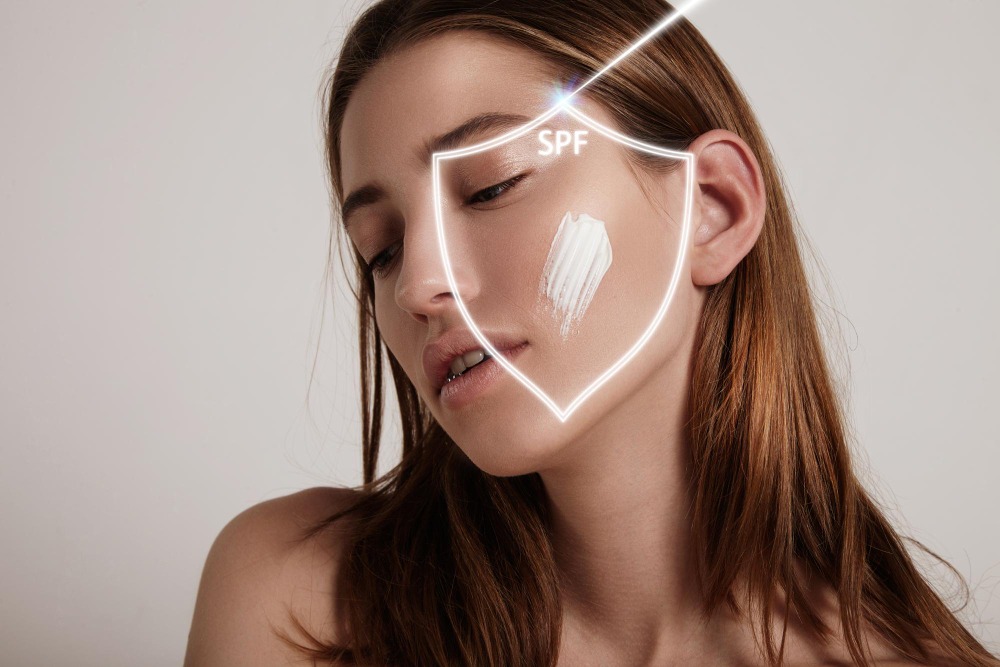
Essential oils are highly concentrated and can cause skin reactions even when diluted. Always patch test before widespread use.
Patch test procedure: Dilute frankincense to intended use concentration Apply small amount to inner forearm Cover with bandage, leave 24 hours Check for redness, itching, bumps, or burning If any reaction occurs, don’t use on larger areas
Some people develop sensitivity over time even after using product successfully. If irritation develops during regular use, discontinue and patch test again before resuming.
Photosensitivity isn’t major concern with frankincense unlike citrus oils, but general sun safety still applies when using any topical products.
Pregnancy, Children, and Medical Conditions
Pregnant women should consult healthcare providers before using essential oils. While frankincense is generally considered safer than many oils, comprehensive safety data for pregnancy is limited.
For children, dilution rates should be lower than adult rates. Under age 2, avoid essential oils except under professional guidance. Ages 2-10, use 0.25-0.5% dilutions maximum. Ages 10+, adult dilutions generally acceptable if well tolerated.
Medical conditions and medications may interact with essential oils. Those with hormone-sensitive conditions, blood clotting disorders, or taking anticoagulants should get medical clearance before regular use.
Quality and Sourcing Considerations
Identifying Pure, Authentic Oil
Frankincense essential oil quality varies dramatically. Adulteration is common due to high demand and relatively high cost.
Quality indicators: Botanical name listed: Boswellia sacra, B. carterii, or B. serrata Origin specified: Country or region where resin was harvested Extraction method: Steam distilled from resin Batch number and expiration date GC-MS analysis available on request Appropriate pricing: $30-80 per 15ml for quality oil
Suspiciously cheap frankincense is likely diluted, synthetic, or adulterated. Very low prices suggest quality issues. Extremely high prices don’t guarantee authenticity either — check all quality markers.
Buy from reputable suppliers who provide transparency about sourcing and testing. Companies serious about quality offer batch-specific testing certificates showing chemical composition.
Sustainability and Ethical Sourcing
Overharvesting threatens frankincense tree populations. Demand exceeds sustainable supply in some regions. Trees damaged by excessive tapping produce less resin and may die prematurely.
Look for suppliers committed to sustainable harvesting practices. Some work directly with harvesters implementing quotas and tree rotation. Fair trade certification ensures harvesters receive fair compensation.
Supporting sustainable sources helps preserve this ancient resource for future generations while supporting traditional harvesting communities economically.
Conclusion
The uses of frankincense essential oil span from advanced skincare formulations addressing photoaging and wrinkle formation to traditional aromatherapy applications supporting emotional wellness and spiritual practice. Research validates the benefits of frankincense essential oil for skin with clinical trials demonstrating improved elasticity, reduced fine lines, and enhanced wound healing when used at 0.5-2% dilution in carrier oils rich in fatty acids like rosehip and jojoba. The oil’s complex chemistry featuring alpha-pinene (30-40%) and limonene (15-20%) provides anti-inflammatory, antioxidant, and antimicrobial properties applicable across therapeutic categories from respiratory support through steam inhalation to stress reduction via diffusion creating measurable anxiety score reductions of 15-25% in clinical settings.
Safe application requires proper dilution never exceeding 2-3% for facial use or 3-5% for body applications, with patch testing mandatory before regular use especially for individuals with sensitive skin or during pregnancy. Quality sourcing demands attention to botanical identification, origin specification, and GC-MS testing verification ensuring authentic oil rather than synthetic substitutes or adulterated products common in the market.
For aromatherapists, natural product formulators, and wellness practitioners seeking premium frankincense essential oil, partnering with a trusted essential oil manufacturer like Elchemy ensures steam-distilled oils from verified Boswellia species with complete batch testing, sustainability certifications, and technical support for formulation development across skincare, aromatherapy, and wellness applications meeting both therapeutic efficacy requirements and consumer demand for authentic, ethically sourced natural ingredients.
-extract-1772197455.webp)

-extract-1772197455.webp&w=3840&q=75)