

At a Glance
- Jojoba oil provides completely neutral carrier base allowing essential oil fragrances to shine without interference
- Rosehip oil contributes subtle woody and earthy base notes adding depth and elegance to perfume compositions
- Both oils extend fragrance longevity through slow absorption and stable molecular structures
- Jojoba’s liquid wax nature creates exceptional shelf stability (several years) versus rosehip’s 6-12 month window
- Facial skin benefits differ: jojoba balances sebum for oily/acne skin while rosehip targets aging and hyperpigmentation
- Perfume layering techniques use jojoba for fresh top notes, rosehip for romantic floral heart notes
Mixing your own perfume seems simple enough. Essential oils plus carrier oil, right? Then you realize the carrier matters more than you thought. Some oils smell so strong they overpower everything else. Others go rancid fast, ruining batches. The wrong choice and your carefully selected essential oils get masked or distorted.
Jojoba and rosehip oils both work beautifully in perfume, but they play completely different roles. One stays invisible, letting fragrances speak for themselves. The other whispers its own woody character into the blend. Understanding rosehip oil versus jojoba oil helps perfumers, aromatherapists, and cosmetic formulators select the right base for specific fragrance profiles, skin benefits, and longevity goals.
Why Carrier Oils Matter in Perfume Making
Essential oils can’t go directly on skin undiluted. Too concentrated, they cause irritation or sensitivity reactions. Carrier oils dilute them to safe levels while providing additional benefits.
But carrier oils do more than just dilute. They affect how a perfume wears throughout the day. Some evaporate quickly, taking the fragrance with them. Others cling to skin, extending scent duration. The carrier’s own aroma (or lack of it) shapes the final fragrance profile.
Key functions of carrier oils in perfume:
- Dilute concentrated essential oils to skin-safe levels (typically 2-5% essential oil concentration)
- Influence fragrance longevity through absorption rates and volatility
- Contribute (or don’t contribute) aromatic characteristics to the blend
- Provide moisturizing and therapeutic skin benefits during wear
- Determine shelf stability and how long the perfume stays fresh
- Affect texture and application feel on skin
The molecular structure of carrier oils determines these properties. Jojoba’s liquid wax composition behaves differently than rosehip’s triglyceride structure. These differences matter when formulating perfumes.
Rosehip Oil Versus Jojoba Oil: Aroma Characteristics
The most fundamental difference between these oils is what they smell like. This single factor often determines which one a perfumer reaches for.
Jojoba Oil: The Invisible Carrier
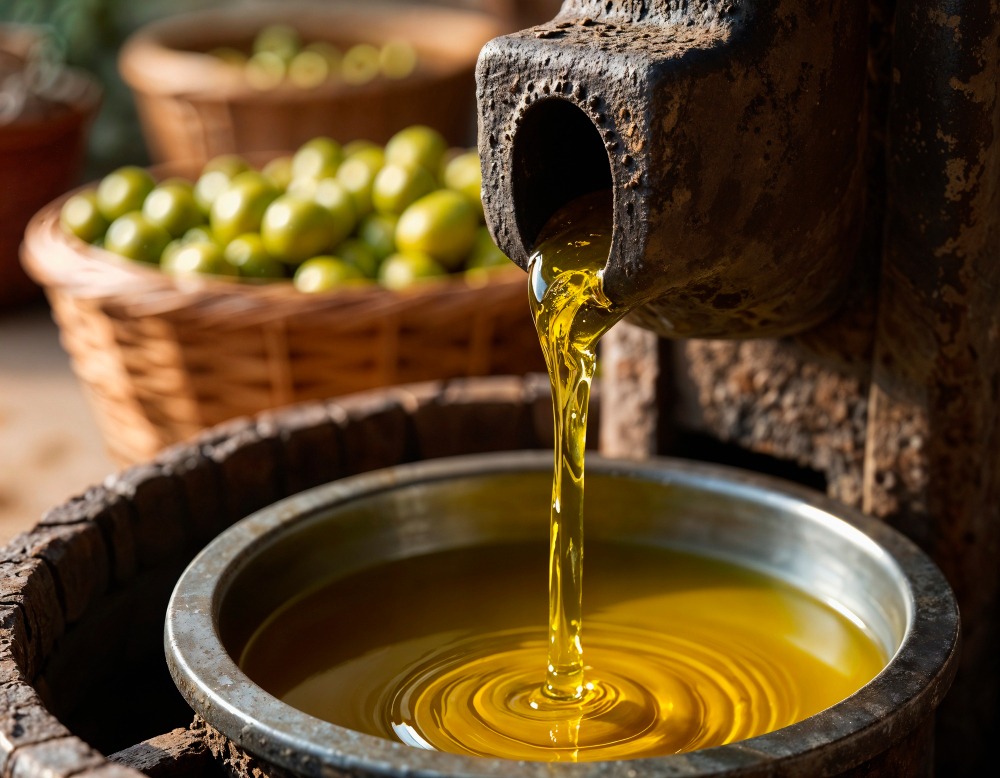
Jojoba oil has essentially no scent. Maybe the faintest nutty whisper if you really concentrate, but in practical use it’s odorless. This neutrality makes it perfect when you want essential oils to take center stage without any interference.
Professional perfumers appreciate jojoba because it won’t alter their carefully constructed fragrance pyramids. The top notes smell exactly as intended. Heart notes develop cleanly. Base notes linger without competing aromas. What you blend is what you get.
This makes jojoba ideal for:
- Citrus-based perfumes where freshness must dominate
- Single-note fragrances showcasing one essential oil
- Complex multi-layered compositions requiring precision
- Commercial perfume production needing consistent results
- Testing essential oil combinations before finalizing formulas
Think of jojoba as a blank canvas. Artists want white canvas, not pre-colored backgrounds. Perfumers want neutral carriers that don’t fight their fragrances.
Rosehip Oil: Adding Aromatic Complexity
Rosehip oil smells earthy and slightly woody. Some describe it as nutty. It definitely doesn’t smell like roses, despite the name. The aroma comes from the seeds and fruit, not the petals.
This subtle scent adds a grounding quality to perfumes. It’s not overpowering, but it’s there. You’ll notice it most in lighter formulations. In heavier oriental or woody blends, rosehip’s natural aroma integrates seamlessly with similar notes.
Perfumers use rosehip when they want:
- Natural base note depth without synthetic fixatives
- Earthy, grounding character in nature-inspired blends
- Sophisticated maturity in floral compositions
- Rustic or artisanal fragrance positioning
- Botanical complexity beyond just the essential oils
The key is matching rosehip’s character with compatible essential oils. It works beautifully with florals like rose, jasmine, and ylang ylang. Pairs well with woody notes like sandalwood and cedarwood. Less ideal for bright citrus or fresh aquatic scents where its earthy quality clashes.
| Aroma Factor | Jojoba Oil | Rosehip Oil |
| Scent Intensity | None to barely detectable | Subtle but noticeable |
| Aroma Profile | Neutral, possibly faint nutty | Earthy, woody, slightly nutty |
| Interference with Essential Oils | Zero | Minimal with compatible notes |
| Best Fragrance Families | All types, especially citrus | Floral, woody, earthy, oriental |
| Adds Complexity | No | Yes (base note character) |
| Professional Use | Testing and precision blending | Artisan and signature scents |
How Each Oil Affects Fragrance Longevity
Perfume that disappears in an hour frustrates everyone. Longevity depends partly on the carrier oil’s properties.
Jojoba oil extends fragrance duration through:
Exceptional stability prevents oxidation and rancidity. The liquid wax structure doesn’t break down easily. This stability means the perfume smells the same six months later as it did the day you made it. No off notes developing, no weakening fragrance.
Slow evaporation rate keeps perfume on skin longer. Unlike alcohol-based perfumes that flash off quickly, jojoba holds fragrances close to skin. The scent releases gradually throughout wear.
Skin compatibility promotes better adherence. Because jojoba mimics human sebum, skin accepts it readily. It doesn’t sit on the surface waiting to rub off. This integration means fragrance molecules stay put.
Rosehip oil contributes to longevity differently:
Slower absorption compared to very light oils creates a sustained release effect. The oil sits in upper skin layers longer, gradually penetrating deeper. As it moves through skin layers, it releases trapped fragrance molecules.
Rich nutrient content (vitamins, antioxidants) protects volatile fragrance compounds from degrading. The antioxidants in rosehip neutralize free radicals that would otherwise break down essential oil molecules.
Natural fixative properties from its earthy compounds help anchor more volatile top notes. The heavier molecular components in rosehip physically bind with lighter essential oil molecules, slowing their evaporation.
Practical longevity comparison:
Both oils extend fragrance significantly compared to alcohol bases or lighter carrier oils like grapeseed. In practical testing, perfumes made with either jojoba or rosehip typically last 6-8 hours on skin. Alcohol-based perfumes often fade within 2-4 hours.
The difference between jojoba and rosehip longevity is subtle. Jojoba might have a slight edge due to superior stability. However, rosehip’s richer composition can sometimes create longer tails where faint scent lingers beyond the main wearing period.
Rosehip Oil vs Jojoba Oil for Face: Skin Benefits During Wear

Perfume isn’t just about smell. It touches skin for hours. The carrier oil’s skincare properties matter.
Jojoba Oil Facial Benefits
Jojoba’s claim to fame is its resemblance to human sebum. Structurally, it’s a liquid wax ester, not a triglyceride oil. This unique composition gives it special properties for facial use.
Key benefits for facial skin:
- Sebum regulation: Skin thinks it’s produced enough oil, reducing overactive sebaceous glands
- Non-comedogenic: Won’t clog pores despite being an oil (rated 1 on 5-point comedogenic scale)
- All skin types: Works equally well for dry, oily, combination, and sensitive skin
- Anti-inflammatory: Reduces redness and calms irritated skin conditions like eczema
- Balancing: Neither too heavy nor too light, provides ideal moisture level
- Antibacterial: Helps control acne-causing bacteria naturally
For oily and acne-prone skin, jojoba is often the better choice between these two oils. It balances without adding excess oil. People with problematic skin can wear jojoba-based perfumes on face and neck without worry about breakouts.
The fast absorption means jojoba doesn’t leave greasy residue. Perfume applied in the morning absorbs quickly, letting you proceed with makeup or other products. This practical advantage matters for daily wear.
Rosehip Oil Facial Benefits
Rosehip seed oil targets different skin concerns, particularly those related to aging and damage.
Key benefits for facial skin:
- Vitamin A (retinol): Natural form stimulates cell turnover and collagen production
- Vitamin C: Brightens skin tone, fades hyperpigmentation and dark spots
- Anti-aging: Reduces appearance of fine lines and wrinkles through regeneration
- Scar healing: Proven effective for acne scars, surgical scars, and stretch marks
- Skin regeneration: Accelerates healing and repair of damaged tissue
- Even tone: Addresses uneven pigmentation and sun damage
For mature skin, rosehip oil delivers more targeted anti-aging benefits. The vitamin A content provides retinol-like effects without the irritation synthetic retinoids sometimes cause. This makes rosehip perfumes particularly appealing for older demographics seeking both fragrance and skincare in one product.
The lightweight “dry oil” texture absorbs well despite being richer than jojoba. It doesn’t feel heavy or greasy but does leave a slight nourished feeling. This works well for nighttime perfume application when heavier moisture is welcome.
| Skin Concern | Better Choice | Reason |
| Oily skin | Jojoba | Mimics sebum, regulates oil production |
| Acne-prone | Jojoba | Non-comedogenic, antibacterial, balancing |
| Dry skin | Either (slight edge to rosehip) | Both moisturize well; rosehip feels richer |
| Mature/aging | Rosehip | Vitamin A stimulates collagen, reduces wrinkles |
| Hyperpigmentation | Rosehip | Vitamin C brightens, evens tone |
| Scars | Rosehip | Proven effectiveness for scar reduction |
| Sensitive skin | Jojoba | Ultra-gentle, matches skin chemistry |
| Combination skin | Jojoba | Balances without adding oil to oily zones |
Perfume Layering Techniques
Advanced perfume making uses multiple carrier oils in one formula to capture different benefits. This is where understanding rosehip oil versus jojoba oil really pays off.
Classic layering approach:
Use jojoba as the main base (70-80% of carrier oil blend). Its stability and neutrality provide the foundation. Add rosehip at 20-30% to introduce subtle aromatic complexity and enhanced skin benefits. This ratio gives you jojoba’s stability with rosehip’s character.
Note-specific layering:
For citrus-heavy top notes, blend essential oils into 100% jojoba. The neutral carrier lets bright, fresh notes shine. For floral heart notes, use jojoba-rosehip blend or pure rosehip. The earthy undertones complement flowers beautifully. For woody base notes, rosehip percentage can increase to 40-50%. Its natural woody aroma reinforces similar notes in the essential oils.
Application layering:
Some perfumers create two separate blends. Apply jojoba-based light notes (citrus, herbs) first. Wait five minutes for absorption. Then apply rosehip-based deeper notes (florals, woods) as second layer. This technique creates evolving fragrance that changes through the day as layers reveal themselves differently.
Seasonal formulations:
Summer perfumes benefit from higher jojoba ratios. The lighter feel suits hot weather, and its complete absorption prevents sticky sensations. Winter blends can feature more rosehip. The richer texture provides extra moisture when skin needs it, and deeper aromatic character matches cold-weather preferences.
Shelf Life and Stability Considerations
Nothing ruins perfume inventory like rancidity. Understanding stability differences prevents waste and maintains quality.
Jojoba oil stability:
Extremely stable, lasting several years without refrigeration. The liquid wax structure resists oxidation. Stored properly (cool, dark place), jojoba-based perfumes remain fresh for 2-3 years minimum. Some sources report stability up to 5 years.
This longevity makes jojoba ideal for commercial production. Products sit on shelves for months before sale. Shipping takes time. Customers may use bottles slowly over a year. Jojoba handles all this without degrading.
Rosehip oil stability:
More delicate, with 6-12 month shelf life even when stored properly. The high essential fatty acid content makes it prone to oxidation. Once opened, refrigeration extends usability. Adding vitamin E (tocopherol) at 0.5-1% provides antioxidant protection, potentially doubling shelf life.
This shorter window suits small-batch artisan production. Make what you’ll sell within months. Customers should use bottles within 6-12 months of purchase. The fresher-is-better approach actually becomes a marketing advantage for natural, handcrafted positioning.
Blend stability:
Mixing jojoba with rosehip improves rosehip’s shelf life. The stable jojoba acts as protector for the more vulnerable rosehip. A 70/30 jojoba/rosehip blend might last 12-18 months compared to 6-12 for pure rosehip. Still shorter than pure jojoba but more manageable than pure rosehip.
Selection Framework for Perfume Formulators

Choosing between these oils depends on multiple factors beyond just smell.
Choose jojoba oil when:
- Creating commercial products needing long shelf life
- Making citrus or fresh aquatic fragrances
- Targeting oily or acne-prone skin demographics
- Precision fragrance balance is critical
- Cost efficiency matters (jojoba is economical)
- Large batch production requires consistency
- Testing new essential oil combinations
Choose rosehip oil when:
- Crafting artisan signature scents in small batches
- Building depth in floral or woody compositions
- Marketing anti-aging benefits alongside fragrance
- Targeting mature skin demographics
- Emphasizing botanical luxury positioning
- Creating seasonal or limited-edition releases
- Accepting shorter shelf life for enhanced complexity
Use both when:
- Wanting stability plus character
- Layering different note families
- Maximizing skin benefits across demographics
- Creating complex artisan formulations
- Balancing cost, performance, and positioning
Conclusion
Comparing rosehip oil versus jojoba oil for perfume reveals complementary roles rather than direct competition. Jojoba oil’s neutral aroma and exceptional stability make it the go-to carrier for commercial perfume production and precise fragrance blending where essential oils must shine unaltered. Rosehip oil contributes subtle woody base notes that add sophisticated depth to floral and earthy compositions while delivering anti-aging skin benefits from vitamins A and C. Both oils extend fragrance longevity through slow absorption rates, with jojoba offering multi-year shelf stability versus rosehip’s 6-12 month window requiring refrigeration. The choice between rosehip oil vs jojoba oil for face considerations depends on skin type, with jojoba’s sebum-mimicking properties ideal for oily and acne-prone skin while rosehip’s regenerative vitamins target mature and hyperpigmented complexions. Professional perfumers often blend both oils at 70/30 ratios capturing jojoba’s stability with rosehip’s aromatic complexity and enhanced skincare profile.
For perfume houses, aromatherapy brands, and cosmetic formulators sourcing botanical carrier oils, Elchemy is an essential oil bulk supplier connecting buyers with certified sources of cold-pressed jojoba and rosehip oils meeting purity specifications for fragrance and skincare applications, providing technical support for formulation optimization and stability testing.