

At a Glance
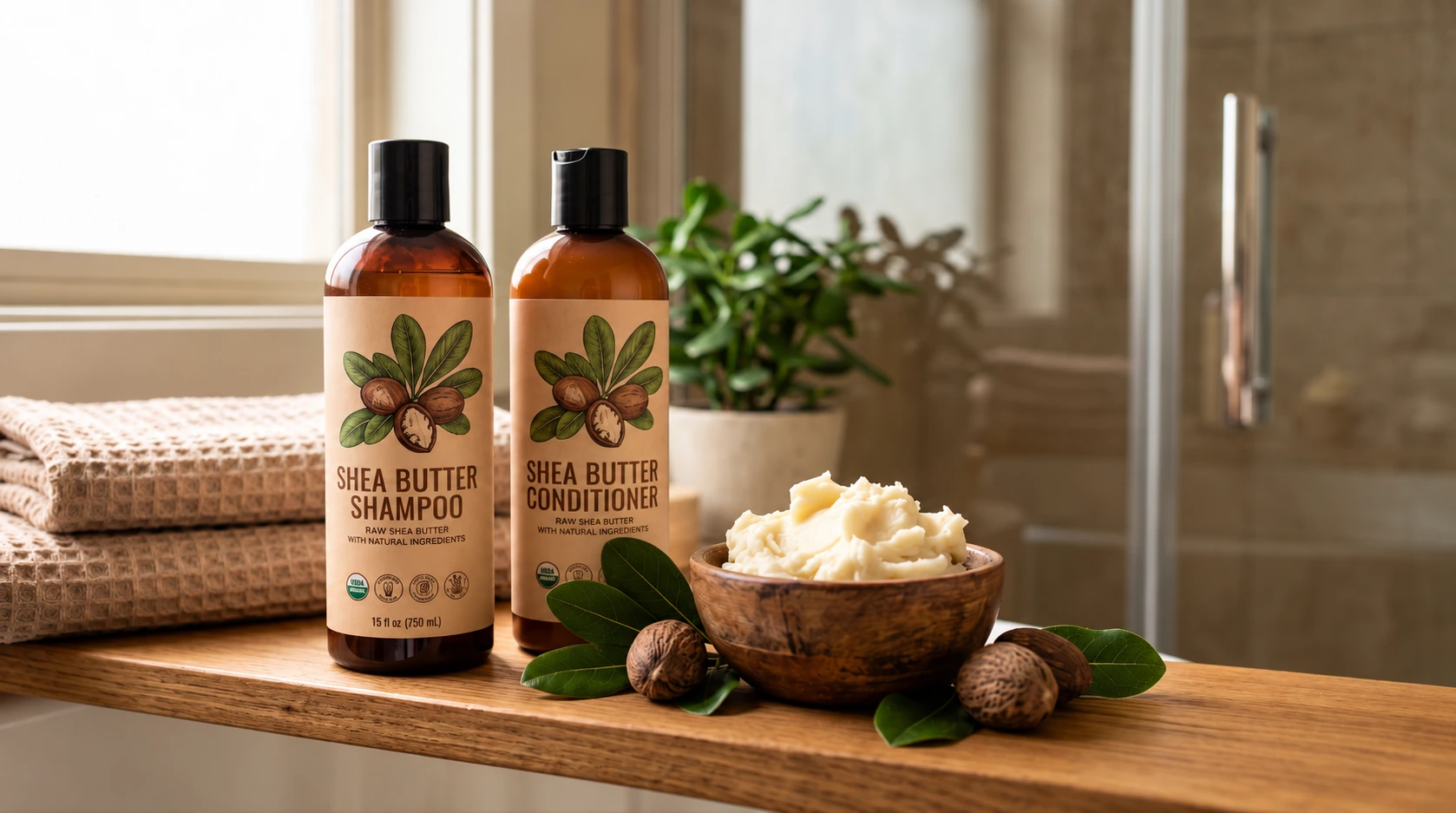
- In haircare: Shea butter is used as a hair-conditioning ingredient, but its contribution depends on the finished formula and how the product is used.
- In shampoo: It can be evaluated as part of a rinse-off cleansing system. Test its effect on cleansing, foam, viscosity, and after-feel.
- In conditioner: It can be evaluated as an emollient in the oil phase. Check stability, rinse feel, combability, and residue.
- Best fit: Choose by the product brief and controlled pilot results, not by a universal “best for” hair-type claim.
- Key limitation: Ingredient use alone does not show that a product grows hair or repairs damage. Do not make those claims without relevant evidence.
What you’ll learn
Learn how shea butter may fit in shampoos and conditioners, how the two product types differ, and which checks help a formulator decide whether to continue testing.
Introduction
Shea butter can be used in haircare products as a conditioning ingredient, but its role depends on the product around it. A shampoo must cleanse and rinse away. A conditioner is designed to leave hair feeling conditioned after washing. The same ingredient can therefore behave differently across the two formulas, and a raw material’s presence does not prove a finished-product benefit.
For formulators, the useful question is not simply whether shea butter is “good for hair.” It is whether a specific formula delivers the intended cleansing, feel, stability, and performance. This guide explains what to evaluate in each product type, where the main uncertainties lie, and what to test before scale-up. For broader context on the ingredient, see Elchemy’s shea butter benefits overview.
What does shea butter do in hair products?
Shea-derived ingredients are used in cosmetics for skin- and hair-conditioning functions, according to the Cosmetic Ingredient Review’s assessment. That describes a reported ingredient function, not a guarantee that every formula will moisturize, soften, detangle, or otherwise improve hair. Those outcomes depend on the ingredient grade, the full formula, the dose, manufacturing conditions, and how the finished product is used. CIR’s assessment of shea-derived ingredients also evaluates ingredient safety in cosmetic use; it does not establish hair-growth benefits.
Shea butter is a solid fat at ordinary room temperatures. Elchemy’s product page lists it as insoluble in water and gives a melting-point range of 32–40°C. These are product-page values, so formulators should confirm the current specification against the product’s technical data sheet before setting process conditions or a raw-material specification. The distinction matters because an oil-soluble ingredient does not simply dissolve into a water-based shampoo or conditioner.
The starting point is to define the role the product needs to perform. For example, a team might be exploring a richer sensory profile, a conditioning claim, or a particular rinse feel. Treat these as formulation targets to test, not established benefits of shea butter on its own. Teams new to the ingredient can also review how shea butter is made, then confirm which material and specifications apply to their project.
How is shea butter used in shampoo?
In shampoo, shea butter should be evaluated within the complete cleansing system. A shampoo is rinsed off, so the formulator needs to check what the ingredient changes during use and after rinsing. Adding a butter does not automatically improve cleansing or produce a lasting conditioning effect.
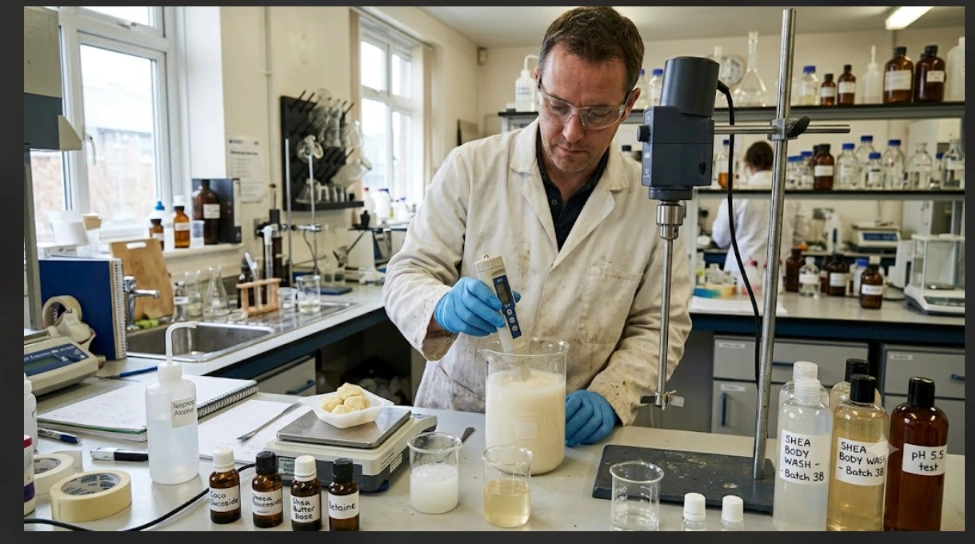
Start with the product brief. Is the shampoo intended to leave a particular after-feel, support a specific haircare concept, or simply cleanse? The answer defines which performance measures matter. A controlled comparison between a base formula and a shea-containing prototype can help isolate any change in cleansing, foam, viscosity, appearance, rinse feel, or residue.
Shea butter is not water-soluble, so the formulator must determine how it can be incorporated and remain compatible with the shampoo’s other ingredients. The appropriate process and any supporting emulsification or dispersion system depend on the formula. A cosmetic chemist should select and validate those conditions rather than relying on a generic recipe or a usage percentage copied from a different product.
Shampoo development also involves trade-offs. A prototype may meet a sensory target but alter cleansing, foam, stability, or ease of manufacture. Compare it with a control formula under the same test conditions, and record the process and raw-material details so the results can be repeated. For the wider role of surfactants and other ingredients, see shampoo cleansing system basics and Elchemy’s shampoo ingredient selection guidance.
How is shea butter used in conditioner?
Conditioner is a more direct context for evaluating shea butter as an emollient in the oil phase, but the finished formula still needs testing. A conditioner is designed to condition hair after cleansing; the product developer must decide what “conditioning” should mean for the target product, then measure or assess it using suitable methods.
The desired outcome might include a certain spread, slip, rinse feel, or level of richness. These are product targets, not guaranteed properties of shea butter. The balance of oils, conditioning agents, emulsifiers, and other ingredients can change the final feel. A prototype that feels too heavy or leaves an unwanted residue may not suit the intended product, even if the raw material fits the concept.
An oil-phase addition is a starting process hypothesis, not a complete manufacturing instruction. The formulator should confirm melting and mixing conditions against the material’s current technical data, then check that the emulsion remains uniform through the product’s stability program. Evaluate viscosity, appearance, odor, package compatibility, rinse feel, and combability against a control. Elchemy’s conditioner texture ingredient context can help explain a complementary ingredient role; it should not be read as a required pairing.
Do not assume that a higher shea butter level will improve performance. The amount that works, if any, depends on the whole composition and the product brief. No universal dosage is established in this guide. A qualified cosmetic formulator should set test levels and confirm stability and performance before a team makes a product claim or scales a batch.
Shampoo vs conditioner: how should a formulator decide?
Choose the product type according to its primary job, then test shea butter in that formula. Shampoo prioritizes cleansing and rinse-off performance. Conditioner focuses on post-wash conditioning and feel. The comparison below identifies questions to answer; it does not prescribe a dosage or a winning format.
| Decision factor | Shampoo | Conditioner |
| Product job | Cleanse, with a defined after-feel | Condition after cleansing, with a defined rinse feel |
| Role to evaluate | Possible conditioning contribution in a rinse-off system | Possible emollient contribution in the oil phase |
| Compatibility questions | Dispersion, surfactant system, foam, viscosity, rinse feel | Emulsion stability, viscosity, slip, combability, residue |
| Useful pilot checks | Cleansing, foam, stability, and after-feel | Stability, rinse feel, combability, and sensory profile |
| Product-specific dosage | Set by a qualified formulator and validated | Set by a qualified formulator and validated |
Use the decision this way:
- If cleansing is the priority, test the ingredient in a shampoo prototype only if the product brief supports a conditioning or sensory role. Confirm the cleansing and rinse-off targets remain acceptable.
- If post-wash feel is the priority, begin with conditioner prototypes and evaluate stability, combability, and residue against a control.
- If neither prototype meets the brief, compare other emollients or conditioning approaches rather than forcing shea butter into the formula.
Humectants and emollients also serve different formulation roles. A humectant is used to attract or retain water; an emollient is used to improve softness or smoothness. They may appear in the same product, but they are not interchangeable. See sorbitol’s haircare formulation role for a separate ingredient example.
What should teams test before scaling?
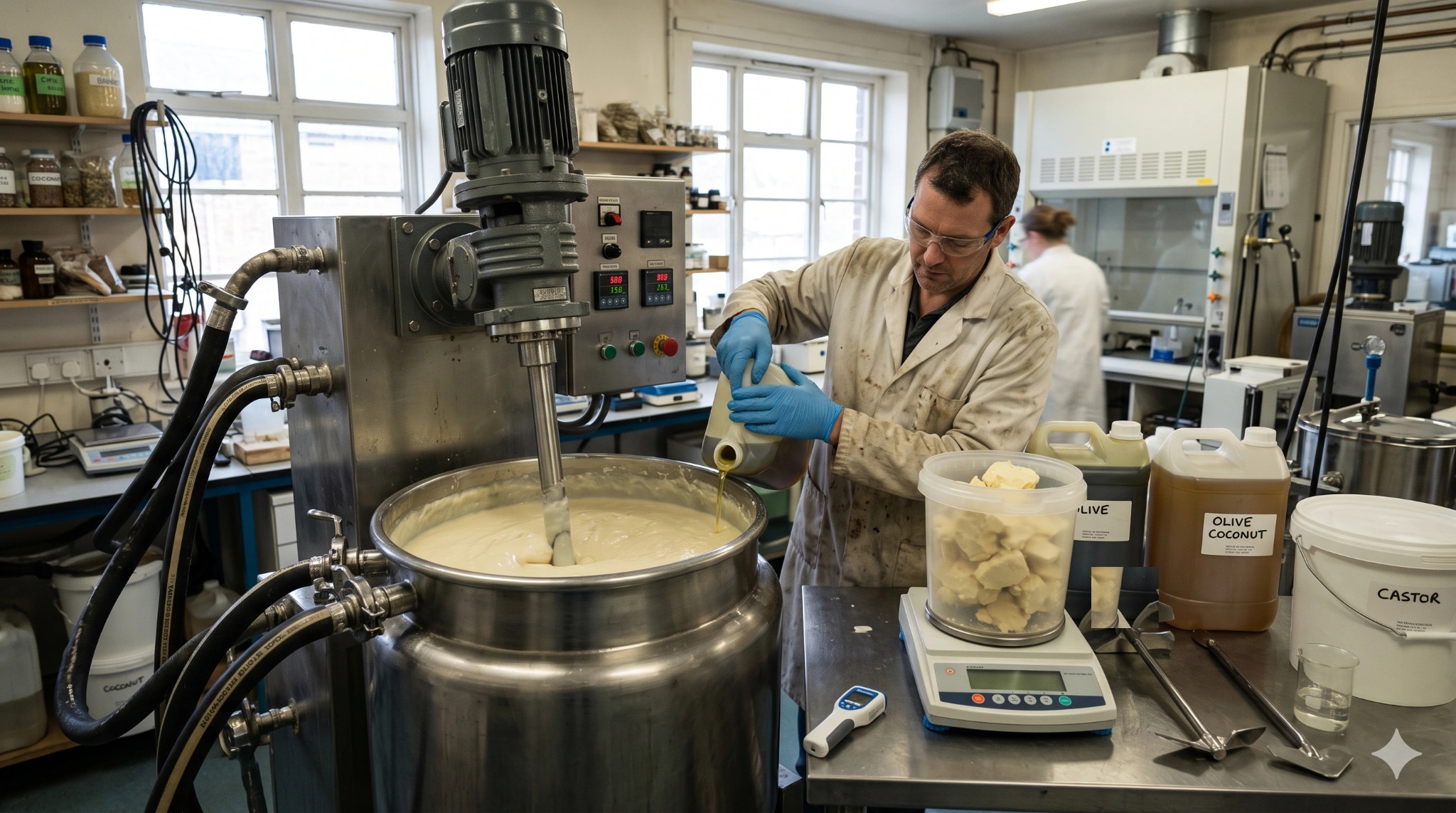
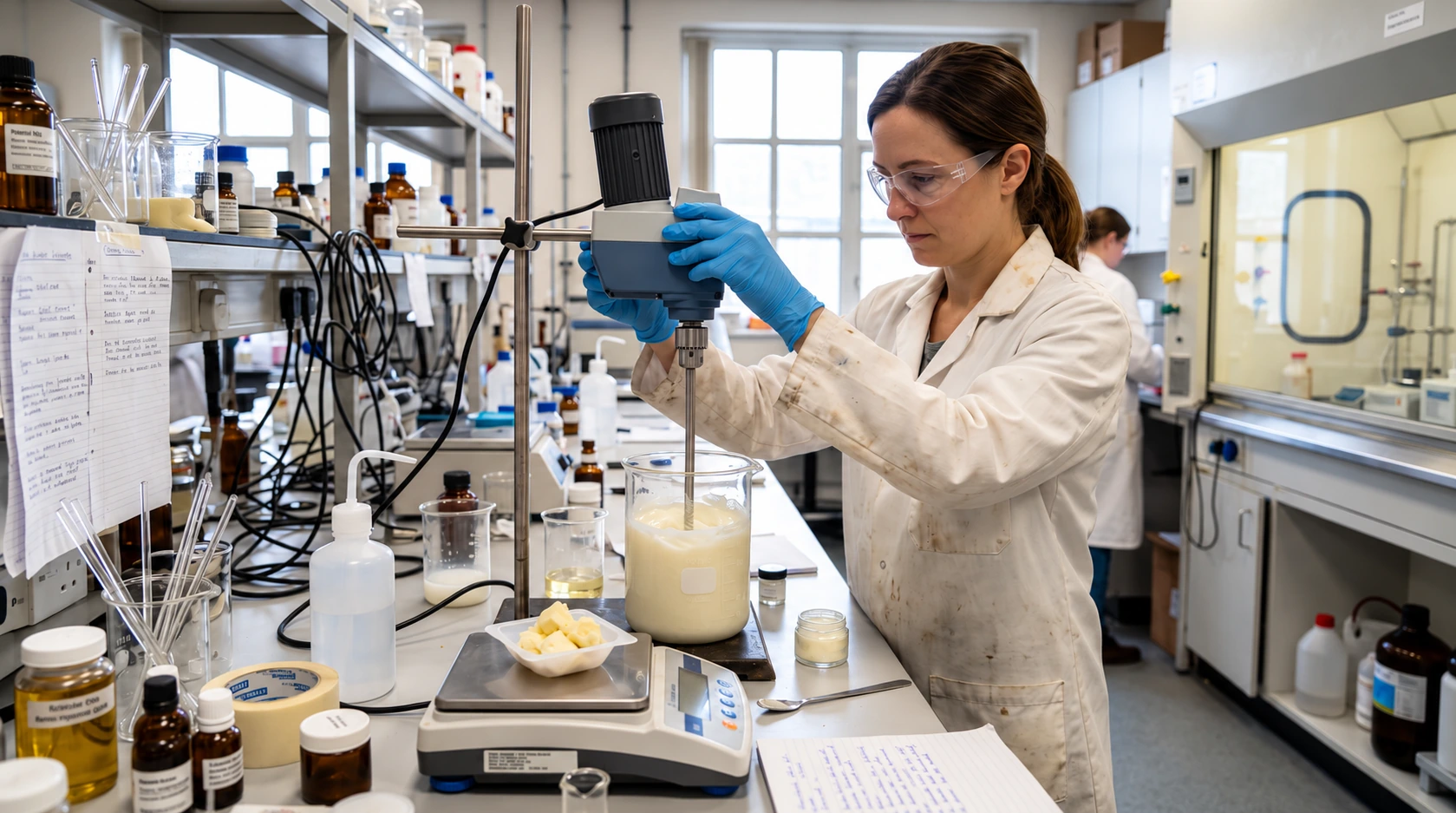
Run controlled lab or pilot batches and compare them with a matched control before setting a specification or making performance claims. Keep the formula, process, raw-material identity, and test conditions consistent so the team can tell whether a change came from shea butter or another variable.
- Define the product target. Record whether the prototype is intended to be a shampoo or conditioner, the target user experience, and the performance measures that will determine success.
- Confirm the material. Check identity, grade, appearance, odor, and relevant specification values against current supplier documentation. Do not infer refined or unrefined grade availability from general market descriptions.
- Document the process. Record order of addition, temperatures, mixing conditions, and any dispersion or emulsification steps selected by the formulator.
- Assess product quality. Use the team’s validated methods to review appearance, odor, viscosity, physical stability, package compatibility, and relevant microbiological or preservation requirements.
- Test the intended product job. Assess shampoo cleansing and rinse feel, or conditioner feel and combability, using a fit-for-purpose method and control formula.
- Review claims and labels. Confirm that product claims are truthful and supported. In the United States, FDA says cosmetic companies are responsible for product and ingredient safety, and cosmetic labeling claims must not be false or misleading. FDA’s cosmetic ingredient guidance and cosmetic claims guidance explain these responsibilities.
Do not use a generic formula as a substitute for this work. Elchemy’s live product page includes an example conditioner formulation, but it should not be treated as a validated reference formula unless the technical team confirms it. In particular, do not lift its listed percentage into a new product without review. For broader category context, explore Elchemy’s personal care ingredient range.
Frequently asked questions
1. Is shea butter good for hair?
Shea butter may be useful in haircare when a finished formula benefits from its conditioning or emollient role. That does not mean every hair type or product will respond the same way. Judge the complete formula through suitable testing, and avoid treating ingredient presence as proof of hair growth, repair, or a specific consumer outcome.
2. Can shea butter be used in shampoo?
It can be evaluated in a shampoo prototype, but compatibility and performance depend on the full cleansing system. Because shea butter is not water-soluble, a formulator must establish a suitable incorporation approach and check stability, foam, cleansing, viscosity, and rinse feel. No universal process or dosage is established here.
3. Is shea butter better in shampoo or conditioner?
Neither format is universally better. Shampoo is a rinse-off cleansing product, while conditioner is intended for post-wash conditioning. Choose the format that matches the product brief, then compare controlled prototypes against a base formula. If the desired performance is not achieved, consider another ingredient or formulation approach.
4. Does shea butter make hair grow faster?
This article does not identify evidence that topical shea butter makes hair grow faster. Cosmetic conditioning and hair growth are different claims. Do not infer a growth effect from an ingredient’s use in hair products; any growth-related claim requires appropriate evidence and regulatory review for the market where the product will be sold.
5. Can shea butter weigh fine hair down?
It may be a sensory concern in some finished formulas, but the outcome depends on the whole composition, amount used, application, and rinse behavior. A product developer should test on the intended use pattern and target users instead of making a universal hair-type rule from the ingredient alone.
6. Should a formulator use refined or unrefined shea butter?
Choose based on verified specification and sensory requirements, such as the product’s acceptable color and odor profile. Confirm which grades are available for the project and review their current technical documents with the supplier. Do not assume that a grade is available or that one grade performs better without comparative formulation data.
Conclusion
Shea butter may be evaluated in both shampoos and conditioners, but its role is not identical in each. Shampoo prototypes must meet cleansing and rinse-off targets. Conditioner prototypes must meet the intended stability, feel, and conditioning targets. In either case, test a controlled formula and avoid unsupported dosage or efficacy claims.
If you are developing a haircare product, review Elchemy’s Shea Butter product details and request a sample for evaluation against your application and specification needs.