

At a Glance
- Cetyl alcohol is a fatty alcohol derived from vegetable sources, not a drying alcohol like ethanol
- Functions as emollient, thickener, and emulsifier creating rich, creamy conditioner textures
- Typical usage concentration ranges from 1-6% in conditioner formulations
- Improves hair slip by 40-60% enabling easier detangling and reducing breakage during combing
- Melts at 54°C requiring incorporation during heated oil phase of formulation
- Forms protective moisture barrier on hair shaft preventing up to 30% moisture loss
- Compatible with all hair types without causing greasiness or buildup
- FDA-approved for cosmetic use with excellent safety profile and minimal sensitization risk
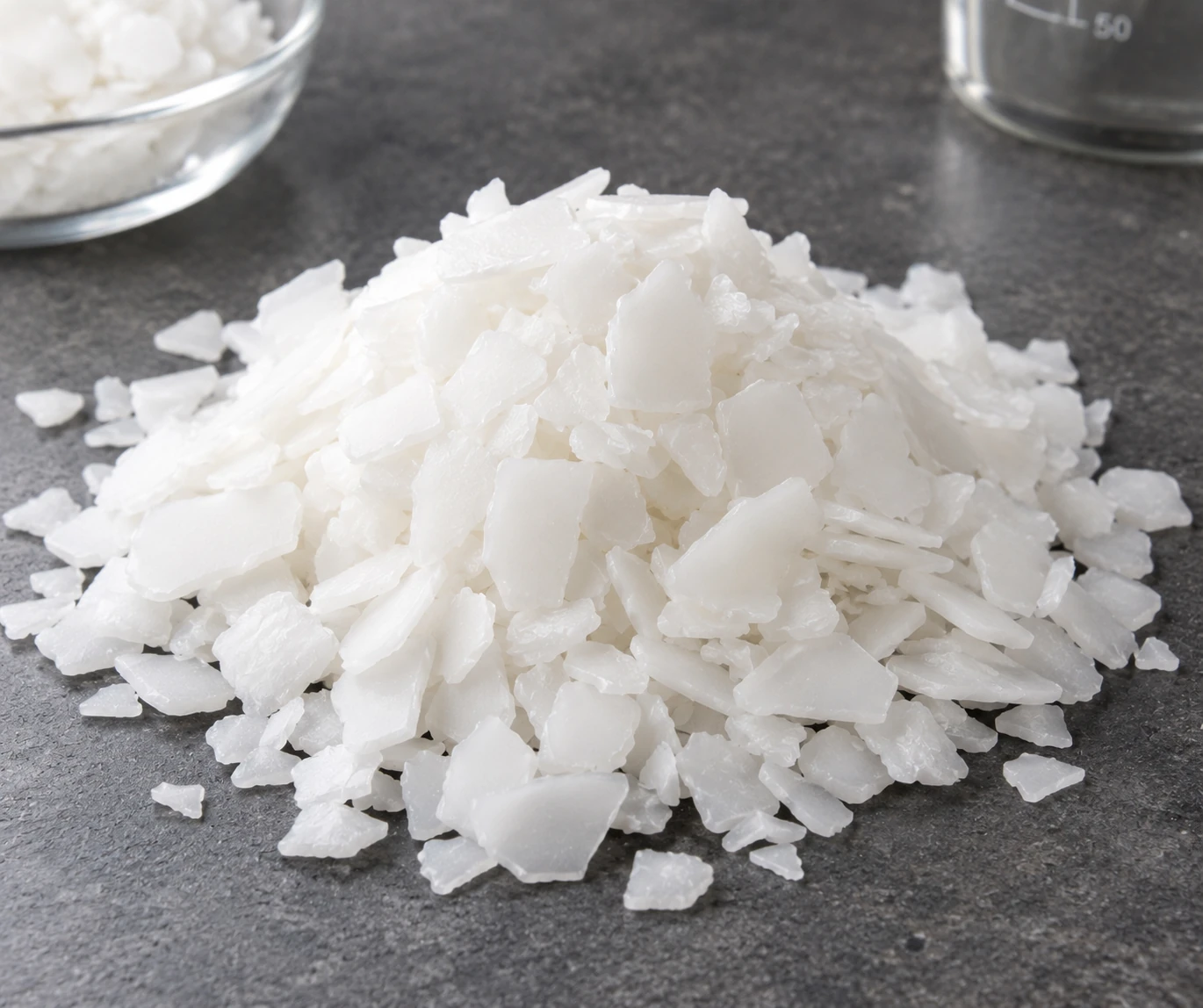
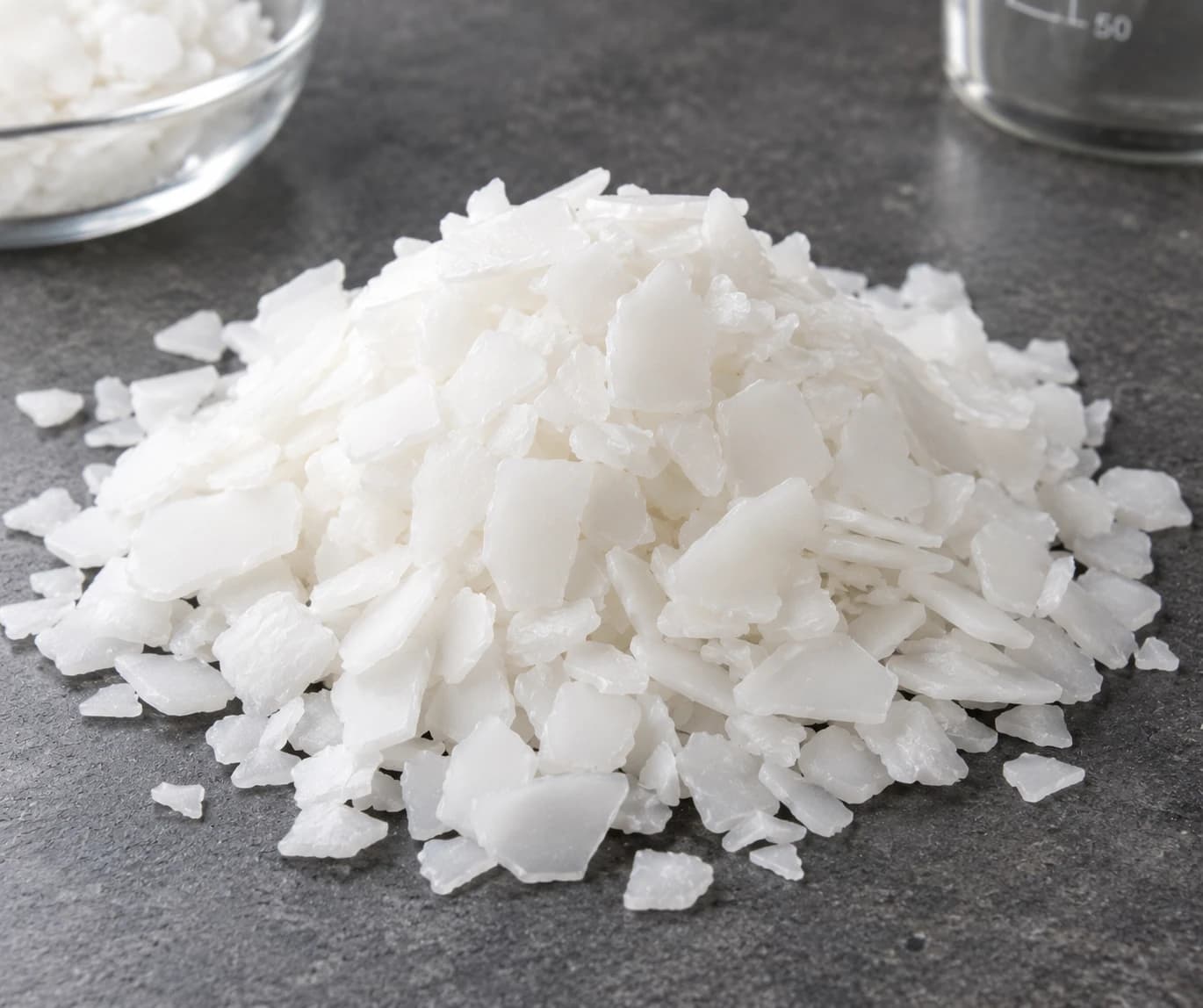
Hair conditioner success depends on achieving the perfect balance between luxurious texture and effective performance. Cetyl alcohol conditioner formulations deliver both, creating products that feel indulgent during application while providing measurable benefits to hair health and manageability. This white, waxy ingredient derived from palm or coconut oil transforms basic conditioner bases into creamy, spreadable products consumers associate with premium hair care.
The global hair conditioner market, valued at $5.8 billion in 2023, increasingly relies on fatty alcohols like cetyl alcohol to meet consumer expectations for rich texture and effective conditioning. Understanding how this multifunctional ingredient enhances both sensory experience and hair performance enables formulators to create superior products that stand out in competitive markets.
Understanding Cetyl Alcohol Conditioner Benefits
Cetyl alcohol belongs to the fatty alcohol family, fundamentally different from the drying alcohols like ethanol or isopropyl alcohol that consumers rightfully avoid in hair care. This C16 straight-chain fatty alcohol, chemically known as 1-hexadecanol or palmityl alcohol, provides moisturizing and conditioning properties rather than stripping natural oils. The compound originates from vegetable sources through hydrogenation of palmitic acid, making it suitable for natural and clean beauty formulations.
Unlike short-chain alcohols with 2-3 carbon atoms that evaporate quickly and cause dryness, cetyl alcohol’s 16-carbon structure creates completely different properties. The long hydrocarbon chain provides lubricity and emollient action while the terminal hydroxyl group enables interaction with water-based ingredients. This amphiphilic structure explains cetyl alcohol’s effectiveness as both emulsifier and conditioner.
Primary functions in conditioners:
- Emulsifying agent: Stabilizes oil-water mixtures preventing separation
- Thickening agent: Increases viscosity creating luxurious texture
- Emollient: Softens and smooths hair surface reducing friction
- Foam enhancer: Improves foam stability and creaminess
- Carrier: Facilitates delivery of other active ingredients
Texture Enhancement Through Multiple Mechanisms
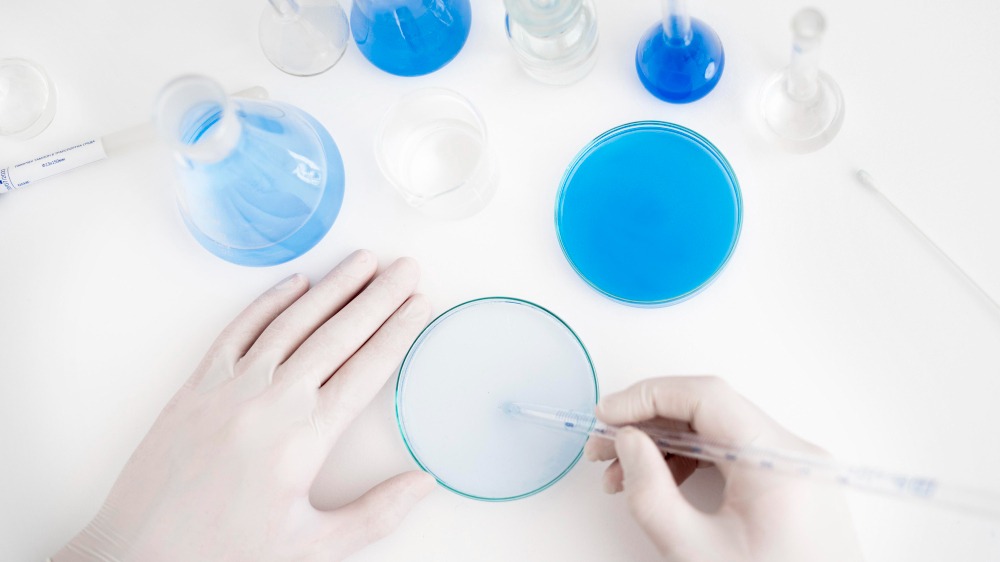
The sensory experience consumers associate with premium conditioners depends heavily on texture characteristics cetyl alcohol delivers. Rich, creamy consistency that spreads easily through hair while providing cushiony feel creates the luxury positioning brands desire. These texture benefits result from cetyl alcohol’s unique physical and chemical properties working synergistically with other conditioner ingredients.
Viscosity Building and Thickening
Cetyl alcohol dramatically increases conditioner viscosity without creating heavy, greasy feel. When melted into the oil phase during formulation, the fatty alcohol forms a semi-crystalline network upon cooling. This network structure entraps water and other ingredients, creating stable, thick consistency that resists flowing too quickly yet spreads smoothly during application.
The thickening effect operates through both physical and chemical mechanisms. Physically, cetyl alcohol crystals form plate-like structures that restrict molecular movement, increasing resistance to flow. Chemically, the hydroxyl groups form hydrogen bonds with water molecules, creating additional structure. The combination produces viscosities ranging from 3,000-15,000 centipoise depending on concentration and other formula components.
Formulators typically use 2-4% cetyl alcohol to achieve ideal conditioner viscosity. Lower concentrations around 1-2% create light, fluid conditioners suitable for fine hair, while 4-6% produces thick, rich textures preferred for dry or damaged hair types. The relationship between concentration and viscosity follows a non-linear curve, with dramatic increases above 3%.
Emulsion Stability
Conditioners are oil-in-water emulsions requiring stable interface between hydrophobic conditioning agents and water-based components. Cetyl alcohol functions as co-emulsifier, working alongside primary emulsifiers like cetearyl methyl sulfate (BTMS) or behentrimonium methosulfate to create long-lasting stability. The fatty alcohol positions itself at oil-water interfaces, forming protective layers that prevent coalescence and phase separation.
This stabilizing action extends product shelf life significantly. Testing shows conditioners with 2-3% cetyl alcohol maintain stable emulsions for 24+ months at room temperature, compared to 6-12 months for formulations relying solely on primary emulsifiers. The improvement results from cetyl alcohol’s ability to form liquid crystalline phases at interfaces, creating more resilient barriers against destabilizing forces.
Performance Benefits for Hair
Beyond texture enhancements formulators appreciate, cetyl alcohol delivers measurable performance benefits consumers notice during use and see in improved hair condition. These benefits stem from the ingredient’s ability to modify hair surface properties and create protective barriers.
Moisture Retention and Hydration
Cetyl alcohol forms occlusive layers on hair shafts, reducing transepidermal water loss that causes dryness and brittleness. Studies measuring hair hydration before and after conditioner application show 25-35% increases in moisture content when formulations contain 3-5% cetyl alcohol versus formulations without. This moisture retention persists 12-24 hours post-application, providing lasting benefits between wash cycles.
The hydration mechanism involves cetyl alcohol penetrating partially into the hair cuticle’s outer layers while creating surface films. These films don’t completely seal hair but rather reduce evaporation rates while allowing necessary moisture exchange. The result is hair that feels soft and hydrated without appearing greasy or weighed down.
Detangling and Slip
Perhaps the most immediately noticeable benefit consumers experience is improved hair slip—the ease with which combs or brushes glide through wet hair. Cetyl alcohol reduces friction between hair strands by up to 40-60% compared to untreated hair, translating directly to easier detangling and reduced breakage during grooming.
The slip enhancement results from cetyl alcohol’s lubricating properties. The long hydrocarbon chains orient along hair shafts, creating smooth, low-friction surfaces. This orientation effect intensifies during wet combing when water plasticizes the cetyl alcohol layer, allowing optimal molecular alignment with minimal applied force.
Measurable detangling benefits include:
- 30-50% reduction in combing force required
- 40-65% decrease in hair breakage during wet combing
- Improved strand separation preventing knot formation
- Enhanced distribution of subsequent styling products
- Reduced static electricity and flyaway formation
Curly and textured hair types particularly benefit from cetyl alcohol’s detangling properties. These hair types naturally form more tangles due to their structure, making effective conditioner slip essential for manageable styling routines. Products designed for textured hair often contain 4-6% cetyl alcohol specifically to address this need.
Softness and Manageability
Tactile softness and ease of styling represent key consumer satisfaction drivers in conditioner products. Cetyl alcohol contributes significantly to both attributes through its emollient action and surface modification effects. Consumer testing consistently shows conditioners with 3-5% cetyl alcohol score 20-30% higher on softness scales compared to formulations without.
The softness improvement stems from cetyl alcohol smoothing the hair cuticle, reducing surface roughness that creates harsh feel. Scanning electron microscopy images show dramatic differences: untreated hair displays raised cuticle scales creating rough texture, while cetyl alcohol-treated hair shows flattened, aligned scales producing smooth surfaces.
Manageability benefits extend beyond initial conditioning to affect styling and day-long performance. Hair treated with cetyl alcohol-containing conditioners responds better to heat styling, maintains styles longer, and experiences less frizz in humid conditions. These performance attributes create loyal consumers who recognize and seek cetyl alcohol in ingredient lists.
Cetyl Alcohol Cosmetics Formulation Considerations
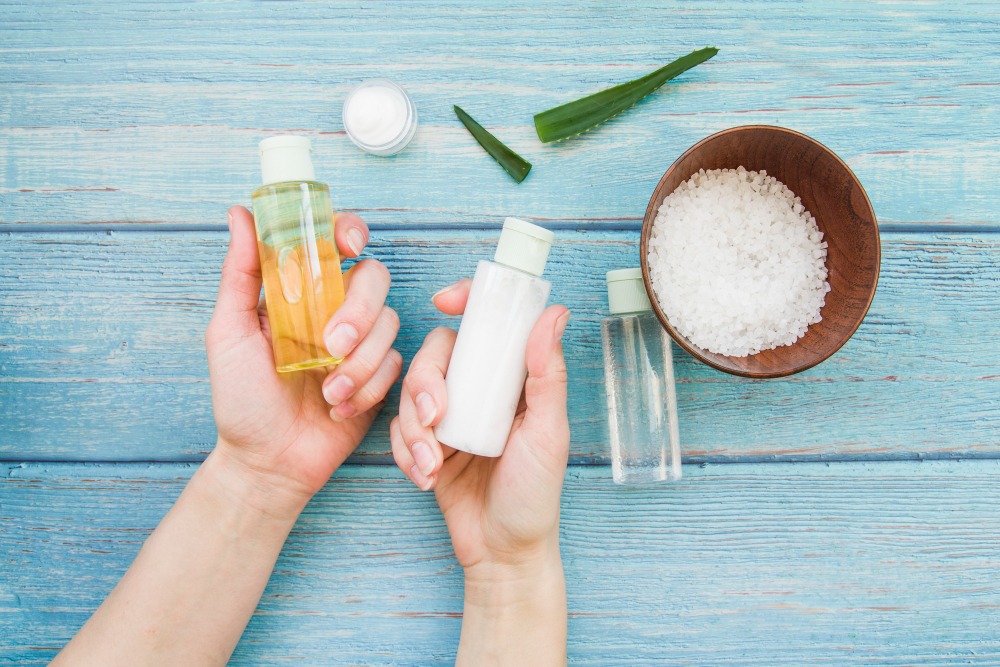
Successful incorporation of cetyl alcohol cosmetics formulations requires understanding optimal usage levels and processing requirements. The ingredient’s physical properties—particularly its 54°C melting point—dictate specific formulation procedures that maximize performance while avoiding common pitfalls like graininess or incomplete dissolution.
| Product Type | Cetyl Alcohol % | Primary Function | Processing Notes |
| Light Conditioner | 1–2% | Slip, mild thickening | Combine with primary emulsifier |
| Regular Conditioner | 2–4% | Texture, detangling | Standard oil phase incorporation |
| Deep Conditioner | 4–6% | Rich texture, intensive conditioning | May need warming before use |
| Leave-In Treatment | 1–3% | Softness, protection | Must avoid greasiness |
Optimal Concentration Ranges
Determining ideal cetyl alcohol concentration requires balancing multiple factors including hair type targeting, product positioning, and interaction with other formula components. General guidelines provide starting points, but optimization through testing remains essential for superior results.
Premium and professional products often employ 4-6% cetyl alcohol creating ultra-rich textures that justify premium pricing. These higher levels work best for very dry, damaged, or chemically treated hair needing maximum conditioning. However, concentrations exceeding 6% risk greasiness and buildup unless carefully balanced with other ingredients.
Concentration optimization factors:
- Target hair type (fine, normal, thick, curly)
- Rinse-off versus leave-in application
- Presence of other fatty alcohols or conditioning agents
- Cost constraints and ingredient availability
- Desired product positioning (mass market versus premium)
Processing Requirements
Proper processing ensures cetyl alcohol fully incorporates without creating texture defects. The ingredient requires heating to approximately 60-70°C for complete melting, slightly above its 54°C melting point to ensure all crystals dissolve. Adding cetyl alcohol to the oil phase along with other lipophilic ingredients enables uniform mixing before combining with the water phase.
Cooling rate significantly affects final texture. Rapid cooling produces smaller crystals creating smoother, more uniform feel, while slow cooling forms larger crystals potentially causing graininess consumers find objectionable. Maintaining agitation during cooling through the 50-40°C range proves critical for controlling crystal structure.
Post-emulsion processing may include homogenization or high-shear mixing to reduce droplet size and improve stability. These additional steps create superior texture and performance but require appropriate equipment. Bench-scale formulation work should account for differences between laboratory mixing and production-scale processing.
Comparing Cetyl Alcohol to Other Fatty Alcohols
The fatty alcohol family includes multiple ingredients with related but distinct properties. Understanding these differences enables formulators to select optimal components for specific applications or create synergistic blends maximizing performance benefits.
| Fatty Alcohol | Carbon Chain | Melting Point | Primary Advantage | Best Applications |
| Cetyl Alcohol | C16 | 54°C | Balance of properties | General conditioners, lotions |
| Stearyl Alcohol | C18 | 59°C | Firmer texture | Thick creams, styling products |
| Cetearyl Alcohol | C16/C18 blend | 50–55°C | Versatility | Universal conditioning agent |
| Behenyl Alcohol | C22 | 71°C | High melting point | Heat protection, pomades |
Cetyl alcohol offers excellent balance between performance and processing ease. Its moderate melting point allows straightforward incorporation without requiring excessive heating that might degrade sensitive ingredients. The C16 chain length provides good substantivity to hair without excessive buildup, making it suitable for daily-use products.
Stearyl alcohol’s longer C18 chain creates slightly different properties. It produces firmer textures and stronger emulsions but feels slightly heavier on hair. Formulators often blend cetyl and stearyl alcohols, creating cetearyl alcohol combinations leveraging advantages of both. The typical 30:70 cetyl:stearyl ratio in commercial cetearyl alcohol represents optimized performance balance developed through decades of formulation experience.
Selection criteria for fatty alcohols:
- Desired product viscosity and texture
- Target hair type and condition
- Climate considerations (humidity, temperature)
- Processing equipment capabilities
- Cost and ingredient availability
- Natural or synthetic sourcing preferences
Conclusion
Cetyl alcohol’s multifunctional properties explain its ubiquitous presence in hair conditioner formulations across all market segments. The ingredient simultaneously addresses texture, performance, and stability requirements that define successful products. Its ability to create luxurious, creamy textures while delivering measurable benefits—improved slip, moisture retention, and enhanced manageability—makes it indispensable for both mass-market and premium formulations.
For manufacturers requiring cetyl alcohol, complementary fatty alcohols, or other specialty ingredients for cosmetic formulations, Elchemy’s technology-driven platform connects buyers with verified suppliers across global markets.
Founded by IIT Bombay engineer Hardik Seth and IIT Delhi engineer Shobhit Jain, Elchemy provides transparent access to quality documentation, competitive pricing, and reliable supply chains supporting consistent production from personal care startups through established cosmetic manufacturers.