

At a Glance
- FDA’s MoCRA (2022) requires safety substantiation, adverse event reporting within 15 days, and product listing for all cosmetics
- Effective vitamin C concentrations run 8-20%, but stability challenges mean 60% of products contain insufficient active ingredients by Day 1
- Retinol shows efficacy at 0.25-1%, with concentrations above 1% increasing irritation risk without proportional benefit gains
- The “cocktail effect” from layering multiple actives creates cumulative exposure exceeding safe thresholds for individual ingredients
- Skin care formulators must document stability testing showing active ingredient concentration remains effective for 6-12 months minimum
- Consumer surveys show 55% check ingredient lists, but only 15% understand concentration vs. efficacy relationships
- Preservative systems require balance between microbial safety (0.5-1% typical) and sensitization risk affecting 5-8% of users
A startup brand launched their “high-potency retinol serum” last year with 2.5% retinol concentration. The claims were aggressive: “visible wrinkle reduction in three days.” Within two weeks, customer service was drowning in complaints. Redness, peeling, burning sensations. The return rate hit 40%. The formulation worked, technically. But skin care formulators missed the crucial balance between efficacy and safety that makes products actually usable.
This scenario repeats constantly as brands chase the “more is better” trend. Higher concentrations. Stronger actives. Faster results. But American consumers want products that deliver without destroying their skin barrier. The sweet spot exists where science meets skin tolerance, and finding it separates successful brands from cautionary tales.
Understanding how to navigate skin care products formulation for both effectiveness and safety determines whether your brand builds loyalty or faces recalls.
The New Regulatory Landscape: MoCRA Changes Everything
The Modernization of Cosmetics Regulation Act of 2022 represents the biggest shift in cosmetic regulation since 1938. For skin care formulators, this means accountability just got real.
Mandatory Safety Substantiation
Before MoCRA, safety substantiation was voluntary. Companies could (and did) skip comprehensive safety testing. Not anymore. Every responsible person must now maintain documented safety substantiation. This means:
- Existing toxicological data on ingredients
- Safety assessments on similar formulations
- Additional testing appropriate for your specific formula
- Records accessible for FDA inspection
The kicker? If you can’t substantiate safety, your label must carry a conspicuous warning stating “Warning: The safety of this product has not been determined.” That’s a marketing death sentence.
Adverse Event Reporting
Serious adverse events must be reported to FDA within 15 business days. “Serious” means hospitalization, permanent impairment, or life-threatening reactions. This reporting requirement holds skin care formulators accountable for real-world product performance, not just laboratory results.
Product Listing Requirements
Every cosmetic product sold in the U.S. must be listed with FDA, including complete ingredient disclosure. Annual updates are mandatory. Small violations create big problems during inspections.
Understanding Active Ingredient Concentration: The Efficacy Sweet Spot
More isn’t always better. Research consistently shows that active ingredients have optimal concentration ranges where efficacy peaks without proportional safety risks.
Vitamin C: The Stability Challenge
Studies demonstrate vitamin C efficacy at 8-20% concentration. Below 8%, biological activity drops significantly. Above 20%, you’re wasting material without improving results. But here’s the problem: vitamin C degrades rapidly.
Independent testing of top-selling vitamin C serums found shocking results. On Day 1 (when consumers first open the product), active ingredient concentrations averaged 30% lower than claimed. By week 8, degradation reached 40%. This means a product labeled as 15% vitamin C might deliver only 10.5% initially and drop to 6% after two months.
Skin care formulators solve this through:
- Stable derivatives like ascorbyl palmitate or magnesium ascorbyl phosphate
- Airless pump packaging preventing oxidation
- Anhydrous (water-free) formulations
- pH optimization below 3.5 for L-ascorbic acid stability
Retinol: Finding the Therapeutic Window
Retinol demonstrates anti-aging efficacy at concentrations as low as 0.25%. Studies show that 0.5-1% provides optimal benefit for most users. Increasing to 1.5-2.5% doesn’t double results but does double irritation rates.
The therapeutic window (effective dose without excessive side effects) for retinol is surprisingly narrow. Pushing concentrations higher appeals to marketing teams but creates customer service nightmares when skin reactions spike.
Prescription retinoids like tretinoin work at 0.025-0.1% concentrations. Over-the-counter retinol needs higher concentrations since it must convert to retinoic acid in skin, but formulators should resist pressure to create unnecessarily aggressive products.
Niacinamide: The Gentle Powerhouse
Niacinamide shows efficacy at 2-5% concentration for improving skin barrier function, reducing inflammation, and lightening hyperpigmentation. Studies using 10% show benefits, but concentrations above 5% don’t provide proportional improvements for most concerns.
The beauty of niacinamide is its safety profile. It’s well-tolerated across skin types with minimal irritation even at higher concentrations. This makes it an ideal ingredient for balancing efficacy with safety in skin care products formulation.
Active Ingredient Optimal Concentrations
| Active Ingredient | Effective Range | Optimal Concentration | Safety Concerns Above Range |
| Vitamin C (L-Ascorbic Acid) | 8-20% | 10-15% | Irritation, oxidation, pH issues |
| Retinol | 0.25-1% | 0.5-0.75% | Redness, peeling, photosensitivity |
| Niacinamide | 2-10% | 4-5% | Minimal (flushing rare above 10%) |
| Glycolic Acid | 5-10% (daily use) | 8% | Barrier disruption, irritation |
| Salicylic Acid | 0.5-2% | 1-2% | Dryness, sensitivity |
| Hyaluronic Acid | 0.5-2% | 1% | None (humectant may feel sticky) |
| Peptides | 0.01-5% | Variable by type | Minimal safety concerns |
The Cocktail Effect: When Layering Becomes Dangerous
Individual ingredient safety doesn’t guarantee formulation safety. The “cocktail effect” occurs when multiple products or multiple actives within one product create cumulative exposure exceeding safe thresholds.
Real-World Layering Scenarios
Consider a typical routine:
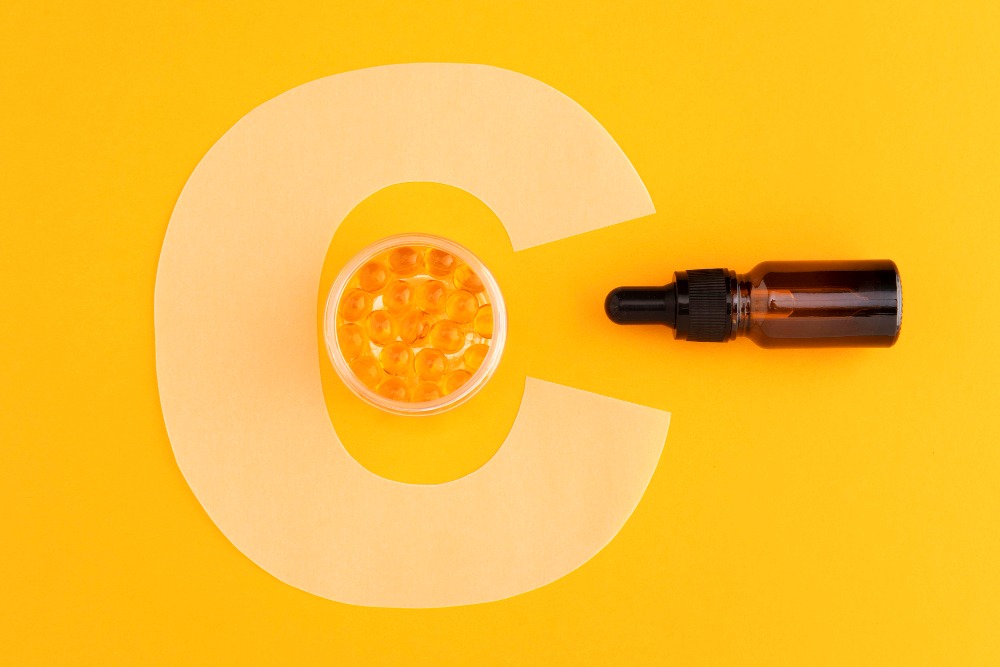
- Vitamin C serum (15% ascorbic acid)
- Retinol treatment (1% retinol)
- AHA toner (8% glycolic acid)
- Niacinamide moisturizer (5% niacinamide)
Each product individually might be safe. Together, they’re assaulting the skin barrier. The American Academy of Dermatology reports that over-exfoliation and barrier damage from aggressive routines have increased 34% since 2019.
Skin care formulators can’t control what consumers layer together, but they can design products with this reality in mind. Building in barrier-supporting ingredients like ceramides, cholesterol, and fatty acids helps formulations withstand real-world use patterns.
Formulation Synergy and Antagonism
Some ingredients work synergistically. Vitamin C and vitamin E together provide better antioxidant protection than either alone. Niacinamide and peptides complement each other’s barrier-repairing effects.
Others create problems. Retinol combined with AHAs/BHAs in the same formula increases irritation exponentially. Vitamin C (especially L-ascorbic acid at low pH) combined with niacinamide can cause flushing in sensitive individuals. Benzoyl peroxide deactivates retinol.
Understanding these interactions guides smart skin care products formulation that maximizes benefits while minimizing conflicts.
Preservative Balance: Safety vs. Sensitivity
Preservatives prevent microbial contamination that can cause serious infections, especially in products used near eyes or on compromised skin. But preservatives also rank among the top cosmetic allergens.
Preservation Efficacy Requirements
Challenge testing verifies preservation systems work. The test introduces bacteria, yeast, and mold into the product, then tracks microbial growth over 28 days. Passing criteria require significant microbial reduction within specific timeframes.
Typical preservative concentrations run 0.5-1% total. Common systems include:
- Phenoxyethanol (0.5-1%) – broad spectrum, generally well-tolerated
- Sodium benzoate + potassium sorbate (0.3-0.5% combined) – natural positioning, pH dependent
- Ethylhexylglycerin + caprylyl glycol (0.5-1%) – multifunctional, moderate efficacy
- Parabens (0.1-0.4%) – highly effective, controversial despite safety data
The Sensitization Trade-Off
Studies show 5-8% of the population reacts to common preservatives. Methylisothiazolinone (MIT), once popular, now faces bans in leave-on products due to high sensitization rates. Formaldehyde releasers work well but raise consumer concerns.
The formulator’s challenge is choosing preservation that prevents contamination without triggering allergic reactions. This often means combination systems using multiple preservatives at lower concentrations rather than single preservatives at maximum levels.
Natural Preservative Limitations
Consumer demand for “natural” preservatives is strong, but natural doesn’t mean safer or more effective. Plant-based preservatives like leucidal (radish root ferment) work in some formulations but struggle in others.
Many require higher use concentrations (1.5-3%) to achieve preservation comparable to synthetic alternatives at 0.5-1%. This increases cost and potentially irritation from higher overall preservative load.
pH Optimization: The Hidden Safety Factor
pH dramatically affects both safety and efficacy. Most active ingredients have optimal pH ranges where they work best without causing problems.
pH and Skin Barrier Health
Healthy skin maintains a slightly acidic pH around 4.5-5.5. This “acid mantle” protects against pathogens and maintains barrier function. Formulations with pH above 6 can disrupt this protective layer.
Alkaline products (pH 7-9) feel immediately soothing because they temporarily disrupt the acid mantle, reducing the sensation of tightness. But long-term use weakens barrier function, increasing sensitivity and transepidermal water loss.
Active Ingredient pH Requirements
L-ascorbic acid (vitamin C) requires pH below 3.5 for stability and penetration. This creates formulation challenges since low pH can irritate.
AHAs work best at pH 3-4. Below pH 3, irritation spikes. Above pH 4, efficacy drops.
Niacinamide prefers pH 5-7. Below pH 4, it can convert to niacin, causing flushing.
Balancing these requirements when combining actives requires careful formulation and sometimes accepting that certain ingredients shouldn’t coexist in one product.
Stability Testing: Ensuring Consistency
A product that tests safe and effective in the lab must maintain those properties through manufacturing, shipping, storage, and consumer use.
Required Stability Protocols
While FDA doesn’t mandate specific stability testing protocols for cosmetics, industry best practices include:
- Accelerated stability: 3 months at 40°C/75% RH
- Real-time stability: 6-12 months at ambient conditions
- Freeze-thaw cycling: Multiple cycles to simulate shipping
- Light exposure: Testing photostability of sensitive actives
- Microbial stability: Ensuring preservation throughout shelf life
Products failing stability testing undergo reformulation. Common failures include:
- Active ingredient degradation exceeding 10%
- pH drift outside acceptable ranges
- Emulsion separation
- Color or odor changes
- Microbial contamination
Packaging Impacts on Stability
Packaging choice directly affects formulation stability. Airless pumps protect oxygen-sensitive ingredients like vitamin C and retinol. Opaque containers shield light-sensitive actives. Glass prevents certain ingredient-packaging interactions that occur with plastic.
The trade-off is cost. Premium packaging protecting ingredient integrity costs 2-4X more than basic packaging. Formulators must work with product development teams to match packaging to formulation needs.
Consumer Education: The Missing Piece
Even perfectly formulated products fail when consumers misuse them. The gap between formulator intent and consumer behavior creates safety issues.
Concentration Confusion
Surveys show 55% of consumers check ingredient lists, but only 15% understand what concentrations mean for efficacy and safety. Brands advertising “20% vitamin C” outsell competitors with stable 12% formulations, even though the higher concentration likely degrades to ineffective levels quickly.
This creates pressure on skin care formulators to inflate concentrations for marketing rather than optimizing for real-world stability and efficacy.
The “More Actives = Better” Myth
Social media and beauty influencers promote layering multiple serums, each packed with actives. The belief that using five products with different actives accelerates results drives consumers toward over-treatment.
Studies on barrier disruption show that simplicity often outperforms complexity. Three well-formulated products addressing specific concerns beat ten products creating ingredient conflicts and overwhelming the skin’s repair capacity.
Formulation Strategies for American Consumers
Understanding U.S. market preferences helps skin care formulators create products that succeed commercially while maintaining safety.
Preference for Immediate Results
American consumers show less patience than European or Asian markets for gradual improvement. This pushes formulations toward higher active concentrations that deliver faster visible changes.
The formulator’s responsibility is resisting pressure to create products that work quickly but cause long-term damage. Educating brand partners about realistic timelines for different actives helps manage expectations:
- Hyaluronic acid: Immediate hydration
- Niacinamide: 4-8 weeks for barrier improvement
- Retinol: 8-12 weeks for wrinkle reduction
- Vitamin C: 4-12 weeks for brightening
Clean Beauty Demands
The clean beauty movement creates formulation challenges. Consumers want products free from “toxic” ingredients (parabens, sulfates, silicones, etc.) while maintaining effectiveness and safety.
Replacing these ingredients requires creative formulation. Silicones provide unique sensory benefits and skin-feel that natural alternatives struggle to match. Parabens offer unmatched preservation efficacy at low concentrations.
Formulators succeed by educating about ingredient safety science while respecting consumer preferences. Sometimes this means choosing ingredients based on perception rather than purely scientific merit.
Testing Beyond Compliance
Meeting minimum regulatory requirements isn’t enough for responsible skin care products formulation. Additional testing protects both consumers and brands.
Dermatologist Testing
Clinical studies with dermatologist assessment provide credible claims support. Studies should include:
- Minimum 30 participants (better studies use 50-100)
- Controlled conditions and baseline measurements
- Statistical analysis of results
- Assessment by qualified medical professionals
Results support marketing claims while demonstrating commitment to safety and efficacy.
Consumer Use Testing
Real-world use testing reveals problems laboratory testing misses. Participants use products as they normally would, not under controlled study conditions.
This catches issues like:
- Product performance in actual consumer routines
- Interaction with commonly layered products
- Sensory issues affecting compliance
- Package usability problems
Patch Testing
Repeat Insult Patch Testing (RIPT) on 50-200 subjects identifies sensitization potential before full market launch. While not FDA-required, it’s standard industry practice for responsible brands.
Products causing reactions in more than 2-3% of test subjects typically undergo reformulation.
Documentation and Record Keeping
MoCRA mandates maintaining safety substantiation records. For skin care formulators, this means comprehensive documentation of every formulation decision.
Required Documentation
- Raw material Safety Data Sheets
- Supplier certificates of analysis
- Formulation worksheets with exact concentrations
- Stability testing results
- Preservation challenge testing
- pH measurements and adjustments
- Any safety assessments or toxicology reviews
- Clinical or consumer testing results
Records must be maintained for at least 3 years (some experts recommend 6 years to align with statute of limitations).
Formulation Rationale Documentation
Document why you chose specific ingredient concentrations. This protects against liability claims and helps defend formulation decisions if questioned by regulatory authorities.
For example, using retinol at 0.5% rather than 1% should be supported by safety data showing the lower concentration provides efficacy with reduced irritation risk for your target demographic.
The Bottom Line on Formulation Balance
After 25 years in chemical formulation, I’ve seen the pendulum swing from barely-regulated to today’s accountability-focused landscape. MoCRA changes the game for skin care formulators in ways many brands haven’t fully grasped.
The days of slapping ingredients together based on marketing trends are over. Safety substantiation requirements mean formulation decisions need documented justification. Adverse event reporting means you’ll hear about problems you might have previously missed.
But these changes protect both consumers and responsible brands. Companies investing in proper formulation, testing, and documentation gain competitive advantage as regulations tighten.
The efficacy-safety balance isn’t about choosing one over the other. It’s about understanding that true efficacy includes tolerability. A product causing 40% of users to stop using it after two weeks isn’t effective, regardless of active ingredient concentrations.
Successful skin care products formulation in the American market requires:
- Active concentrations proven effective in published studies
- Stability systems maintaining those concentrations throughout shelf life
- Preservation preventing contamination without excessive sensitization
- pH optimization for both ingredient stability and skin barrier health
- Documentation supporting every formulation decision
- Testing confirming safety in real-world use conditions
This approach costs more upfront. Better ingredients, proper packaging, comprehensive testing all add expense. But the alternative is market failures, recalls, lawsuits, and damaged brand reputations that cost far more.
For brands seeking quality ingredients and formulation expertise for the American market, Elchemy connects you with reliable chemical suppliers offering cosmetic-grade actives, preservatives, and specialty ingredients backed by complete safety documentation, stability data, and technical support to help create products that balance efficacy and safety successfully.