

At a Glance
- Cetostearyl alcohol is a blend of cetyl (C16) and stearyl (C18) alcohols that moisturizes and stabilizes creams
- Unlike drying alcohols like ethanol, fatty alcohols actually help your skin retain moisture
- Cetyl alcohol spreads faster and feels lighter, making it better for oily or combination skin types
- Stearyl alcohol provides heavier moisture with longer carbon chains, ideal for very dry skin
- Both are FDA-approved and classified as safe by the Cosmetic Ingredient Review panel since 1988
- Products labeled “alcohol-free” can still contain these beneficial fatty alcohols legally
- Cetostearyl alcohol works at 2-5% in most formulations for optimal texture and hydration
- Allergic reactions are rare, occurring in less than 2% of users in clinical patch testing
Pick up your favorite face cream and check the ingredient list. Chances are you’ll see “cetostearyl alcohol” or “cetyl alcohol” somewhere near the top. But wait—isn’t alcohol supposed to dry out your skin? Not in this case. These fatty alcohols are completely different from the rubbing alcohol that stings cuts or the alcohol denat that strips your skin.
Understanding the differences between fatty alcohols helps you choose the right products for your specific skin needs. Some work better for oily skin, others for dry patches. The key is matching the right fatty alcohol to your skin type and the product’s purpose. Let’s break down what makes each one special and which might work best for you.
Understanding Cetostearyl Alcohol for Skin
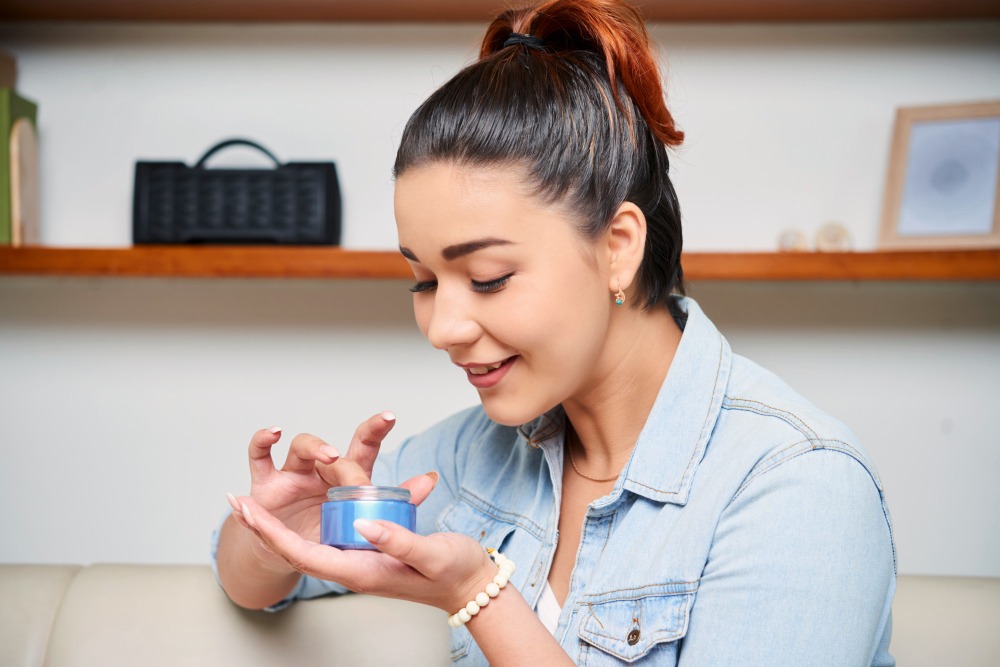
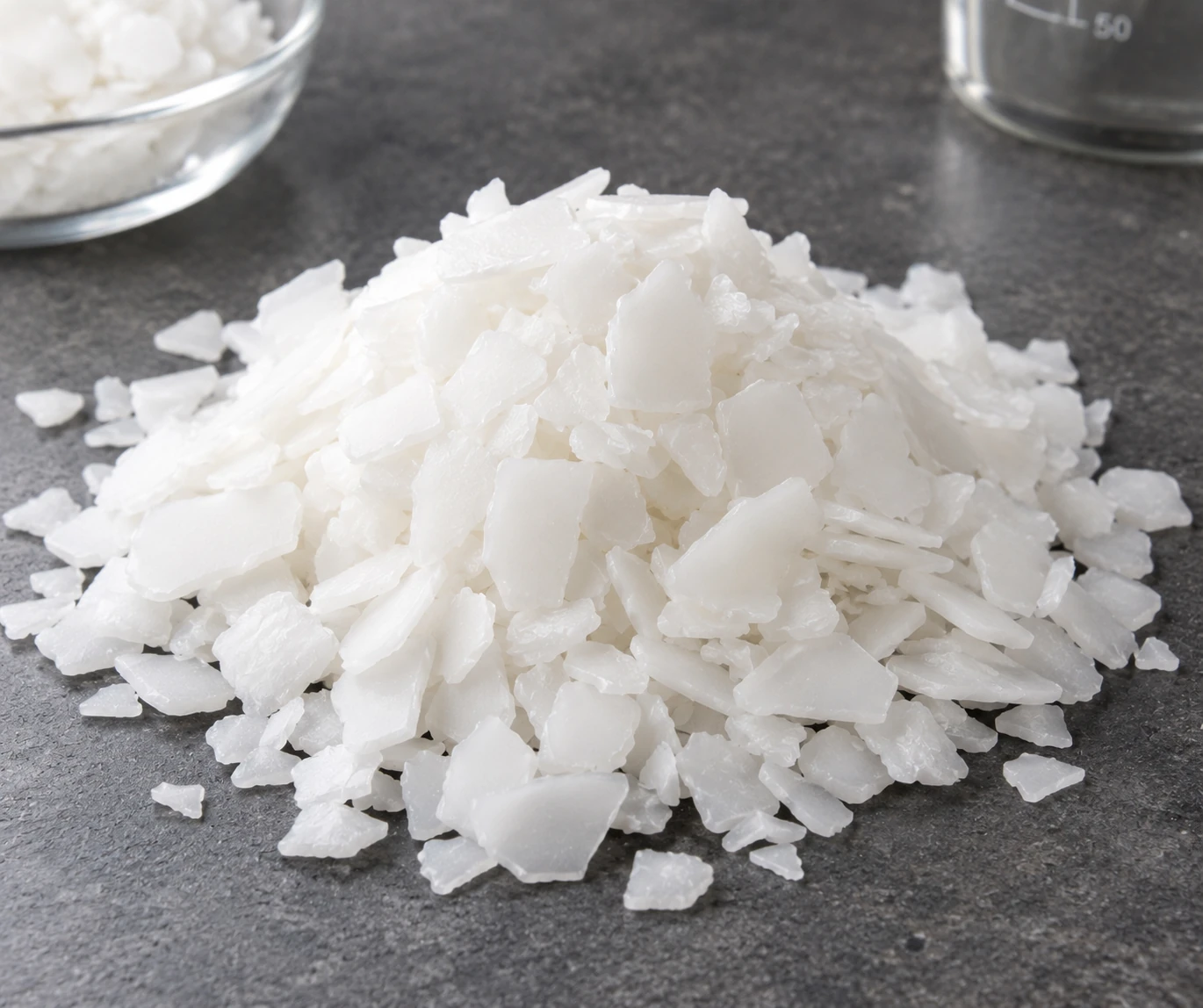
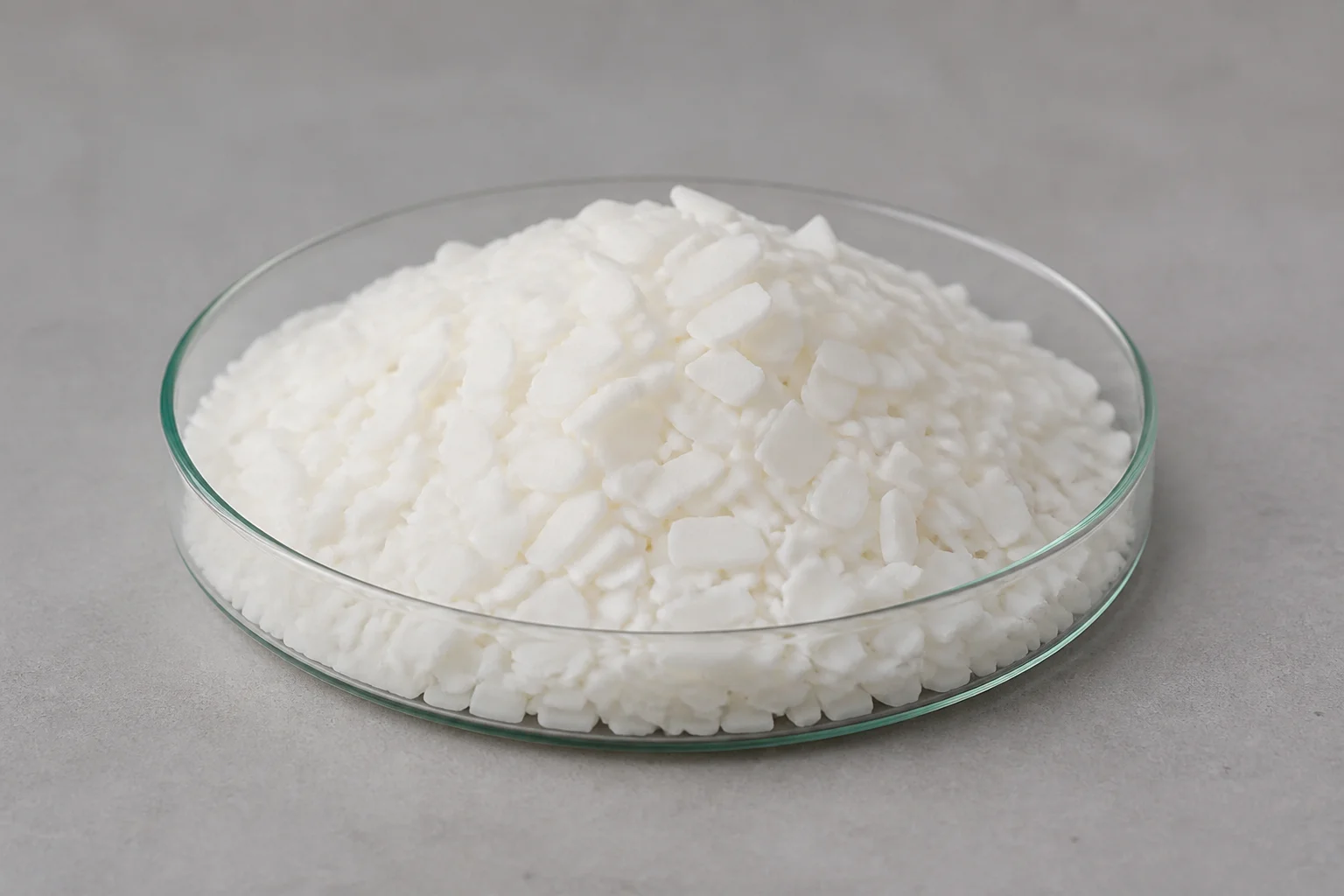
Cetostearyl alcohol — also written cetearyl alcohol (the INCI name) or cetyl stearyl alcohol — is a partnership between two fatty alcohols working together. It combines cetyl alcohol and stearyl alcohol, usually in a 50:50 or 30:70 ratio. Think of it like combining two good ingredients to get something even better—like mixing peanut butter and jelly.
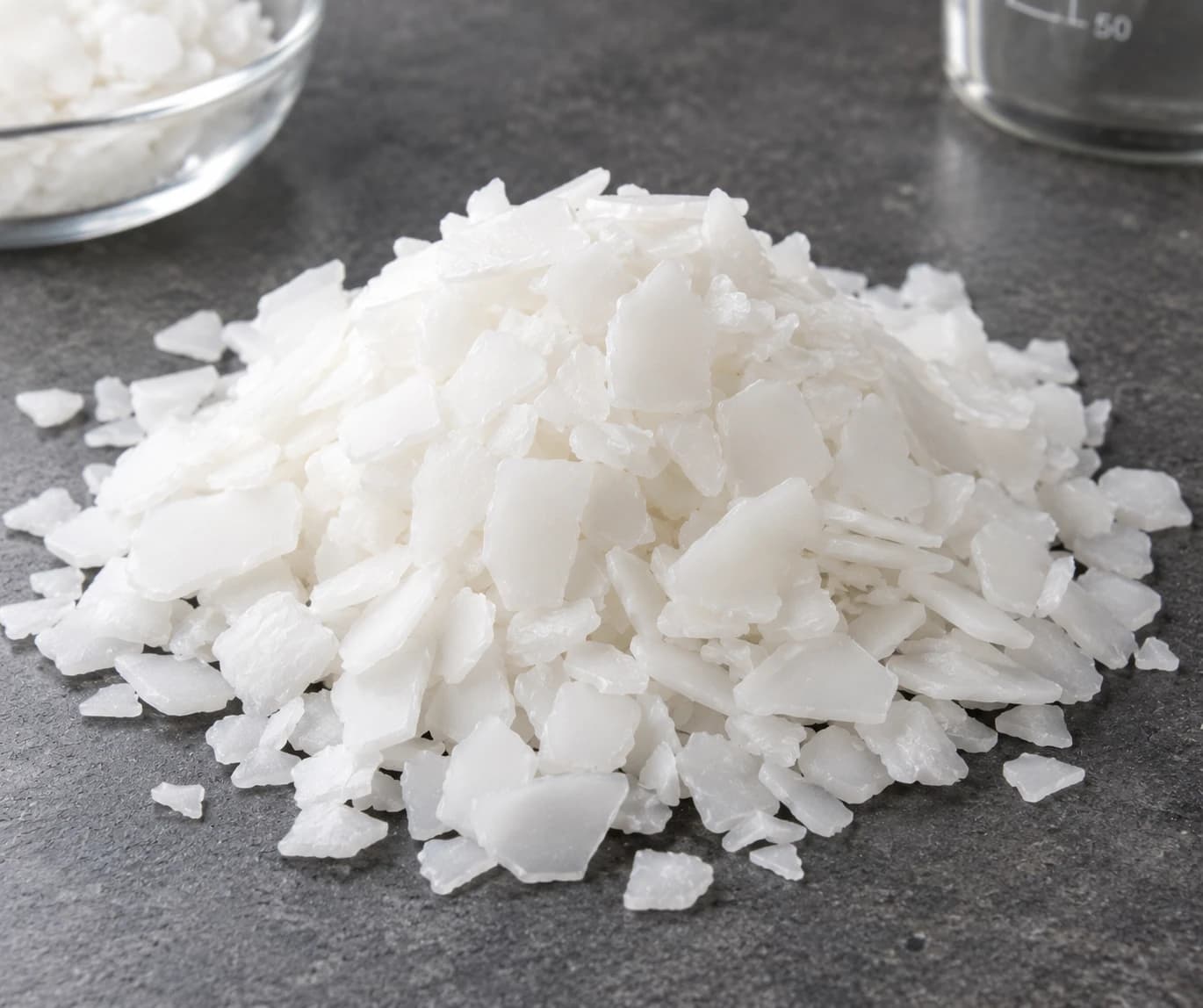
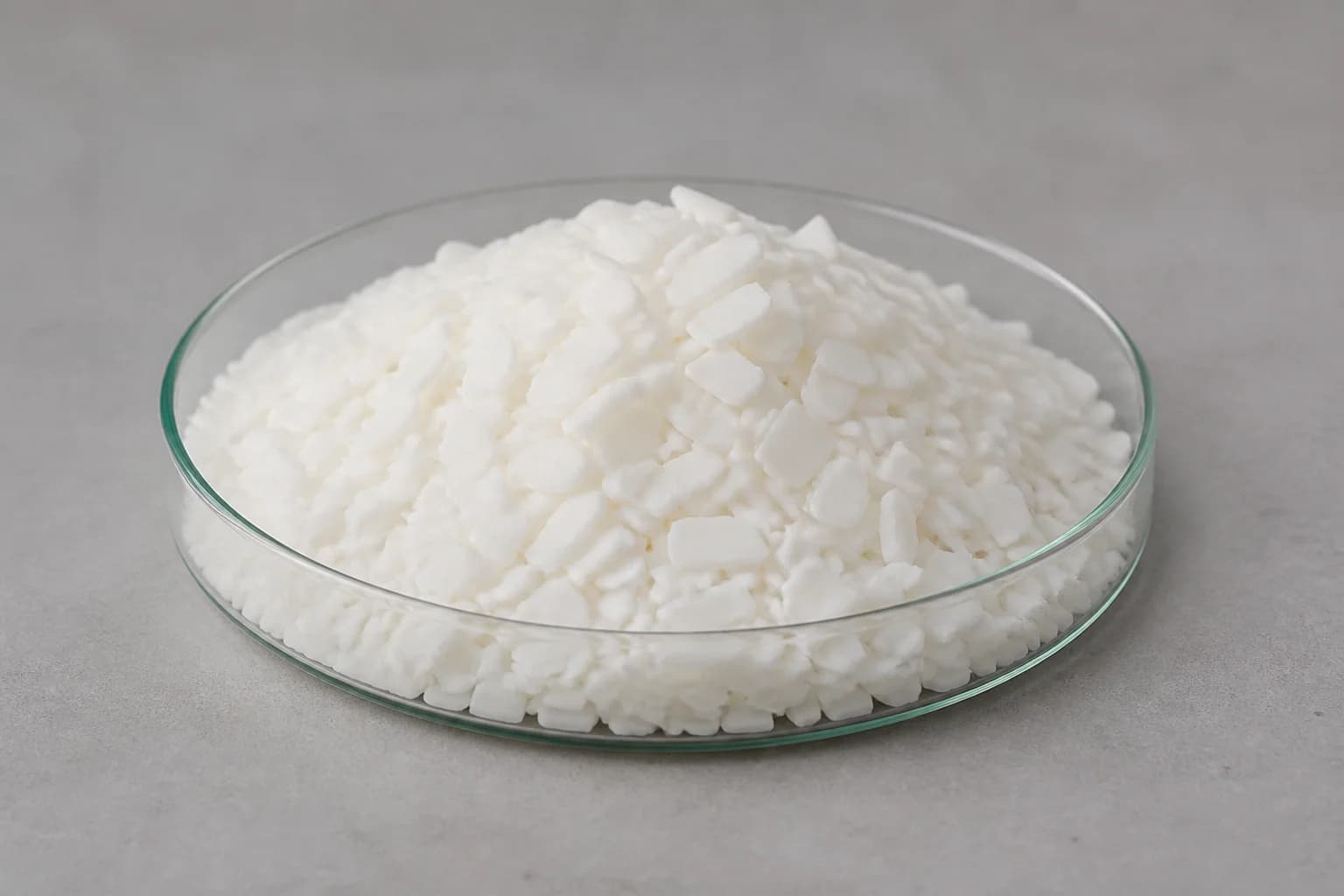
The “alcohol” part of the name confuses people constantly. Regular alcohols like the kind in hand sanitizer have short carbon chains (2-3 carbons) that evaporate quickly and strip oils from your skin. Fatty alcohols have long carbon chains (16-22 carbons) that behave more like oils than alcohols. They’re waxy solids at room temperature, not the clear liquids you’re thinking of.
How cetostearyl alcohol helps your skin:
- Forms a protective layer on your skin’s surface that locks in moisture
- Smooths and softens rough or flaky skin by filling in gaps between cells
- Helps blend oil and water ingredients together so creams don’t separate
- Thickens products to give them that luxurious, creamy texture
- Prevents moisture loss (transepidermal water loss) by creating an occlusive barrier
- Makes products spread more easily and evenly across your skin
Manufacturers love cetostearyl alcohol for its versatility. It works in everything from thick night creams to light day lotions, from body butters to facial cleansers. The blend of two different carbon chain lengths gives it flexibility that single fatty alcohols can’t match. You get the lighter feel of cetyl alcohol plus the richer moisture of stearyl alcohol in one ingredient.
The compound comes from natural sources—usually coconut or palm oil—though it can be made synthetically too. The process involves hydrogenating fatty acids, which converts them into fatty alcohols. This plant origin makes it acceptable for vegan formulations, though some brands specifically source from sustainable palm alternatives to avoid deforestation concerns.
Comparing Different Fatty Alcohols
The fatty alcohol family includes several members, each with slightly different properties based on their carbon chain length. Understanding these differences helps you read ingredient labels more effectively and choose products that match your needs.
Note on naming: you’ll see this blend labelled cetostearyl alcohol, cetearyl alcohol, or cetyl stearyl alcohol depending on the brand and region — they refer to the same cetyl-plus-stearyl combination.
| Fatty Alcohol | Carbon Atoms | Texture Feel | Best For | Common Use % | |—|—|—| | Lauryl Alcohol | C12 | Very light, fluid | Cleansers, light serums | 0.5-2% | | Myristyl Alcohol | C14 | Light, silky | Lightweight lotions | 1-3% | | Cetyl Alcohol | C16 | Smooth, moderate | Face creams, body lotions | 1-6% | | Cetostearyl Alcohol | C16+C18 blend | Rich, creamy | Moisturizers, conditioners | 2-5% | | Stearyl Alcohol | C18 | Heavy, waxy | Intensive creams, balms | 1-4% | | Behenyl Alcohol | C22 | Very thick, protective | Heavy-duty treatments | 0.5-2% |
Cetyl Alcohol in Skin Care
Cetyl alcohol (1-hexadecanol) is probably the most versatile of the fatty alcohols. With 16 carbon atoms, it hits that sweet spot between being moisturizing enough to help your skin but light enough not to feel greasy. Dermatologists often recommend it for people who find heavier creams too much but still need moisture.
The ingredient spreads faster than longer-chain alcohols because it’s more hydrophilic—meaning it holds more water. This property makes it excellent for facial products where you want quick absorption without residue. If you’ve ever used a moisturizer that sinks right into your skin without leaving shine, cetyl alcohol probably played a role in that texture.
Cetyl alcohol works particularly well in:
- Daily facial moisturizers for normal to combination skin
- Lightweight body lotions for summer use
- Serums that need texture without heaviness
- Sunscreens where fast absorption matters
- Hair conditioners for fine or oily hair
Studies show it’s safe even at concentrations up to 8.4%, though most products use 2-4%. The lower end (1-2%) provides light moisture, while higher amounts (4-6%) create richer textures. Formulators adjust the concentration based on whether they’re making a lotion (lower) or cream (higher).
One advantage cetyl alcohol offers is that it’s less likely to clog pores compared to heavier fatty alcohols. This non-comedogenic property makes it suitable for acne-prone skin, though everyone’s skin reacts differently. People with extremely sensitive skin sometimes handle cetyl alcohol better than the blended cetostearyl version, possibly because there’s less variation in a single ingredient.
Stearyl Alcohol Properties
Stearyl alcohol (1-octadecanol) has two more carbon atoms than cetyl—18 instead of 16. Those extra carbons might not sound like much, but they create noticeably different properties. Stearyl feels heavier, richer, and more protective on your skin. It’s the ingredient you want when you need serious moisture barrier support.
The longer carbon chain makes stearyl alcohol more lipophilic (fat-loving) and less hydrophilic (water-loving) than cetyl. This means it creates a stronger occlusive layer that prevents water loss more effectively. Dermatologists often recommend stearyl alcohol-rich products for conditions like eczema, psoriasis, or extremely dry skin where barrier repair is the priority.
You’ll find stearyl alcohol dominating in intensive treatments—thick hand creams for winter, overnight facial masks, body butters for after-shower use. It gives that substantial, “working hard” feeling that consumers with dry skin appreciate. The trade-off is that it can feel too heavy for oily skin types or hot weather.
Interestingly, stearyl alcohol on its own appears less frequently in formulations than cetyl alcohol. Manufacturers usually combine it with cetyl to create cetostearyl alcohol, getting the benefits of both carbon chain lengths. This combination approach explains why cetostearyl alcohol has become more popular than using either ingredient alone.
Behenyl and Other Long-Chain Alcohols
Behenyl alcohol (C22) sits at the longer end of the fatty alcohol spectrum. With 22 carbon atoms, it creates extremely thick, protective formulations. Think of it as the heavy artillery of moisturization—you bring it out when nothing else works.
The texture behenyl alcohol produces is substantial, almost waxy. It works brilliantly in solid products like lip balms, solid perfumes, and thick salves. The extreme occlusive properties make it ideal for preventing moisture loss in harsh conditions—chapped lips, windburned skin, cracked heels. However, it’s often considered too expensive for everyday use in body lotions or facial creams.
Lauryl (C12) and myristyl (C14) alcohols sit on the opposite end—shorter chains creating lighter textures. These find homes in cleansers and lightweight serums where you need some emollient action without heaviness. They’re less common in leave-on moisturizers because they don’t provide enough moisture retention for most skin types.
One interesting player is isostearyl alcohol—a branched version rather than straight-chain. The branching creates different spreading properties and feels unique on skin. Some high-end formulations use it for specific sensory effects, though it costs more than straight-chain alternatives.
Products and Applications
Fatty alcohols appear across virtually every category of skin and hair care products. Understanding where they show up helps you make informed choices about what you’re buying and whether it matches your needs.
| Product Type | Typical Fatty Alcohol | Concentration | Purpose | | Daily Face Moisturizer | Cetyl or cetostearyl | 2-4% | Balanced hydration, smooth texture | | Night Cream | Cetostearyl or stearyl | 3-6% | Intensive barrier repair | | Body Lotion | Cetyl or cetostearyl | 2-4% | Lightweight moisture, quick absorption | | Body Butter | Cetostearyl or stearyl | 4-8% | Rich hydration, protective layer | | Cleansing Balm | Cetyl or cetostearyl | 5-10% | Solid-to-oil texture transformation | | Hand Cream | Cetostearyl or stearyl | 3-6% | Long-lasting protection | | Lip Balm | Stearyl or behenyl | 2-5% | Prevents moisture loss, solid texture | | Hair Conditioner | Cetostearyl | 2-5% | Detangles, adds softness |
Face products tend toward cetyl or cetostearyl because facial skin is sensitive to heavy textures — our cetyl alcohol vs cetearyl alcohol guide covers which wins for a given formulation. You want something that absorbs fully, doesn’t interfere with makeup, and doesn’t make your face look shiny by midday. Body products can go heavier because body skin is less reactive and larger surface area benefits from richer moisture.
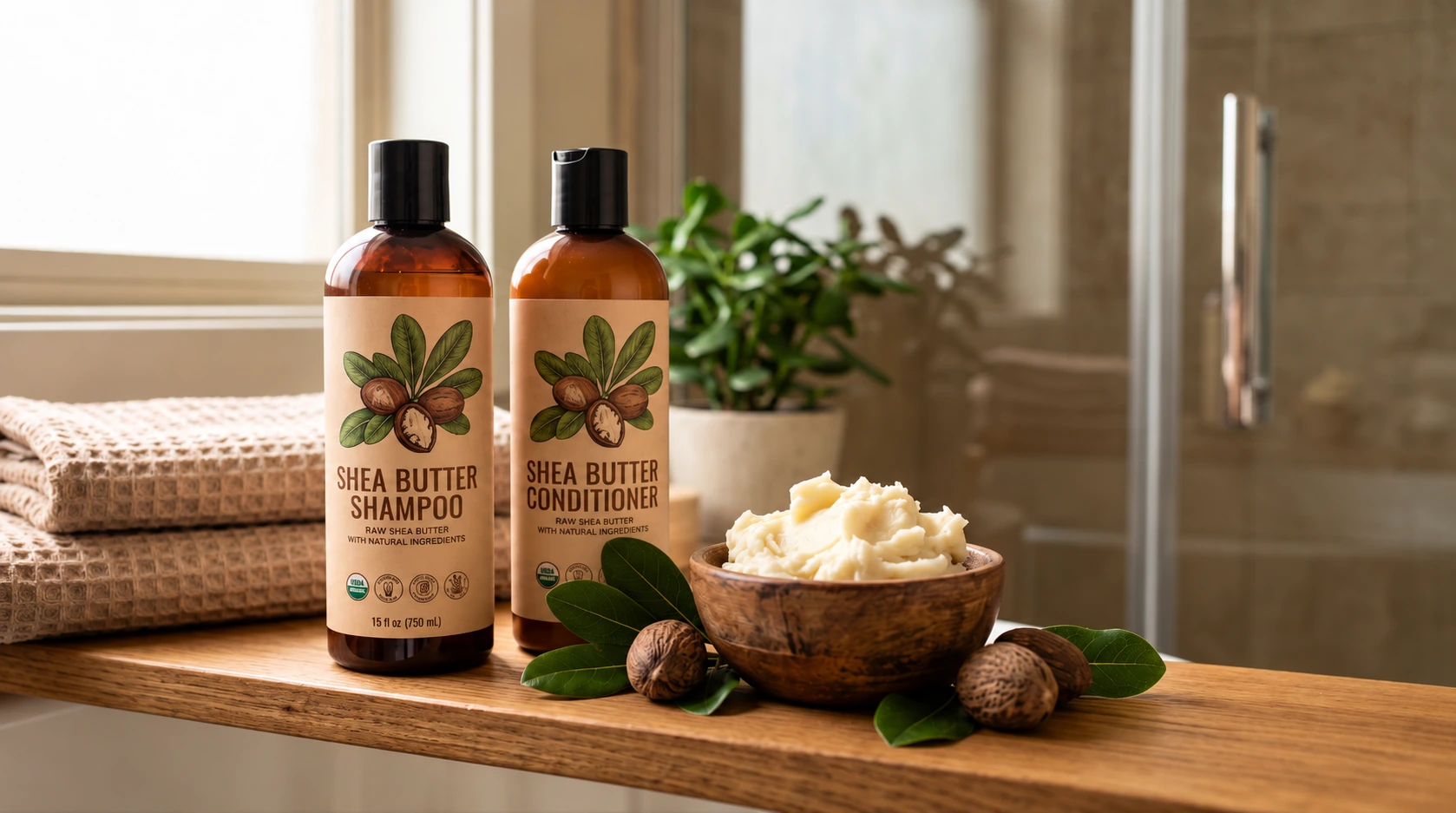
Hair care loves cetostearyl alcohol for its detangling properties. The ingredient coats hair shafts, reducing friction between strands and making combing easier. It’s especially valuable in conditioners for curly or coarse hair that tangles easily. The smoothing effect also adds shine by helping hair lie flatter and reflect more light.
One interesting application is cleansing balms—those solid products that melt into oil when you massage them on your face. Fatty alcohols provide the solid structure at room temperature while remaining soft enough to melt at body temperature. Without them, creating that satisfying texture transformation would be much harder.
Frequently Asked Questions
Is cetostearyl alcohol the same as cetearyl alcohol?
Yes. Cetostearyl alcohol and cetearyl alcohol are two names for the same ingredient — a blend of cetyl (C16) and stearyl (C18) fatty alcohols, usually in a 50:50 or 30:70 ratio. “Cetearyl alcohol” is the INCI name used on product labels; “cetostearyl alcohol” is the more chemical/pharmaceutical term. Some sources also write it as “cetyl stearyl alcohol.
Is cetostearyl alcohol bad for your skin?
No. Despite the word “alcohol,” cetostearyl alcohol is a fatty alcohol with a long carbon chain that behaves like an oil, not a drying solvent like ethanol. It helps skin retain moisture, is FDA-approved, and has been classified as safe by the Cosmetic Ingredient Review panel since 1988. Allergic reactions occur in under 2% of users.
What is the difference between cetyl and cetostearyl alcohol?
Cetyl alcohol is a single C16 fatty alcohol — lighter, spreads faster, better for oily or combination skin. Cetostearyl alcohol is a blend of cetyl (C16) and stearyl (C18), giving it richer moisture and better emulsion stability. Cetostearyl is more versatile; cetyl feels lighter.
Which fatty alcohol is best for dry skin?
For very dry skin, stearyl alcohol (C18) or behenyl alcohol (C22) give the heaviest, most protective barrier. Cetostearyl alcohol is a strong all-round choice, balancing moisture and texture. Cetyl alcohol alone is better for lighter hydration on oily or combination skin.
Is cetostearyl alcohol vegan and natural?
It can be. Cetostearyl alcohol is usually derived from coconut or palm oil (making it suitable for vegan formulations) but can also be made synthetically. Brands concerned about deforestation often source from sustainable palm alternatives. Check the supplier’s origin and certifications to confirm.
Conclusion
The battle between fatty alcohols isn’t really a competition—each has specific strengths that make it best for different situations. Cetostearyl alcohol wins for versatility and balanced performance across skin types. Cetyl alcohol takes the crown for lightweight moisture that won’t overwhelm oily or combination skin. Stearyl alcohol dominates when you need serious barrier repair for very dry conditions. Elchemy supplies cetostearyl alcohol in both 50:50 and 30:70 blends, plus cetyl and stearyl alcohol individually — view specifications and request a sample.
The “what’s best” answer depends entirely on your specific skin needs, climate, and product preferences. Someone living in humid Chennai with oily skin has different requirements than someone in dry Delhi with mature skin. The good news is that all these fatty alcohols are safe, well-studied, and effective when used appropriately.
Formulating with fatty alcohols? Elchemy supplies cetostearyl alcohol (50:50 and 30:70), cetyl alcohol, stearyl alcohol and behenyl alcohol in bulk — cosmetic and pharmaceutical grade, with COA, TDS and SDS on every order. Tell us your blend ratio and volume for a quote in 24 hours. [BUTTON] Request a Fatty Alcohol Quote View cetostearyl alcohol grades. Founded by IIT Bombay engineer Hardik Seth and IIT Delhi engineer Shobhit Jain, Elchemy provides transparent access to high-purity fatty alcohols with complete documentation including certificates of analysis, supporting consistent formulation from natural cosmetics through dermatological treatments and premium personal care brands.