

At a Glance
• Caprylyl glycol is 1,2-octanediol, an eight-carbon diol with molecular formula C₈H₁₈O₂
• Functions as preservative booster, moisturizer, penetration enhancer, and texture modifier simultaneously
• Effective against bacteria and fungi at 0.3-1% concentration when combined with other preservatives
• GRAS status from FDA and approved globally with no concentration restrictions in cosmetics
• Reduces need for traditional preservatives like parabens by 30-50% in formulations
• Improves skin feel creating silky, non-greasy texture at 0.5-2% concentration
• Clinical studies show no irritation or sensitization at typical use levels up to 5%
• Global cosmetic ingredient market for caprylyl glycol exceeds $150 million annually with 6-8% growth
A natural skincare brand in California had a problem. Their organic facial serum kept developing mold within 3-4 weeks despite using approved natural preservatives. Customers complained. Retailers threatened to delist the product. The formulator tried increasing preservative levels but this caused skin irritation. Then she added 0.5% caprylyl glycol to the formula. The preservative system worked better requiring 40% less traditional preservative. Shelf life extended to 24 months with no stability issues. Even better, the product felt silkier on skin improving customer reviews.
One ingredient. Multiple benefits. Problem solved.
Understanding caprylyl glycol for skin reveals why this ingredient appears in thousands of cosmetic formulations. It’s not just a preservative booster — it simultaneously moisturizes, enhances penetration of other actives, and improves sensory feel. For formulators navigating clean beauty trends while maintaining product safety and efficacy, caprylyl glycol offers solutions that single-function ingredients can’t match. The question is caprylyl glycol safe for skin gets asked frequently, and extensive safety data provides clear answers supporting its widespread use.
Chemical Structure and Properties
Molecular Composition
Caprylyl glycol is 1,2-octanediol with systematic chemical name octane-1,2-diol. The molecule has eight-carbon linear chain with hydroxyl groups (-OH) at positions 1 and 2. Molecular formula is C₈H₁₈O₂ with molecular weight 146.23 g/mol.
The two hydroxyl groups on adjacent carbons create a vicinal diol (1,2-diol). This structural feature gives caprylyl glycol both hydrophilic character from the hydroxyl groups and lipophilic character from the eight-carbon alkyl chain. This amphiphilic nature makes it miscible with both water and oils — valuable for cosmetic emulsions.
Structural features: Eight-carbon linear chain (octyl group) Two hydroxyl groups at positions 1 and 2 (vicinal diol) Amphiphilic balance between hydrophilic and lipophilic No chiral centers (unlike some diols with optical isomers)
The balanced structure sits in ideal range for cosmetic applications. Shorter chain diols (butylene glycol, hexylene glycol) are more hydrophilic and less effective as preservative boosters. Longer chain diols become too lipophilic and don’t dissolve well in aqueous formulations.
Physical and Chemical Properties
Caprylyl glycol appears as clear, colorless to pale yellow viscous liquid. It has mild characteristic odor barely detectable in finished formulations.
Key properties: Appearance: Clear, colorless to pale yellow liquid Odor: Mild, characteristic (minimal in formulations) Melting point: 24-26°C (near room temperature) Boiling point: 241°C at 760 mmHg Density: 0.920-0.925 g/mL at 25°C Solubility in water: 15-20 g/L (moderately soluble) Solubility in alcohol: Completely miscible pH (5% solution): 6.0-7.5 (neutral)
The melting point near room temperature means caprylyl glycol can solidify in cool conditions but liquefies easily with gentle warming. This doesn’t affect functionality — it remains effective whether liquid or slightly crystallized.
Water solubility is moderate. The ingredient dissolves better in emulsion systems or with solubilizers than in pure water. Most cosmetic formulations contain surfactants, emulsifiers, or co-solvents improving caprylyl glycol incorporation.
Table 1: Comparison with Related Glycols
| Glycol | Carbon Chain | Water Solubility | Antimicrobial | Skin Feel | Relative Cost |
| Butylene glycol | C4 | Very high | Minimal | Sticky at high % | Low (1×) |
| Pentylene glycol | C5 | High | Moderate | Light | Medium (2-3×) |
| Hexylene glycol | C6 | Moderate | Moderate | Light, slightly oily | Medium (1.5-2×) |
| Caprylyl glycol | C8 | Moderate | Good | Silky, dry | Medium-high (2-4×) |
| Ethylhexylglycerin | C8 (branched) | Low | Good | Dry, powdery | High (3-5×) |
Multifunctional Benefits for Skin
Preservative System Enhancement
The primary reason formulators use caprylyl glycol for skin care products is preservative boosting. Caprylyl glycol itself has mild antimicrobial activity but excels at enhancing other preservatives’ effectiveness.
The mechanism involves disrupting microbial cell membranes. The eight-carbon chain inserts into lipid bilayers while hydroxyl groups interact with membrane proteins. This compromises membrane integrity making microbes more susceptible to other preservatives.
At 0.3-1% concentration, caprylyl glycol allows 30-50% reduction in traditional preservative levels while maintaining or improving product stability. This matters tremendously for clean beauty brands wanting to minimize synthetic preservatives.
Preservative synergy data: With phenoxyethanol: 40-50% reduction possible at 0.5% caprylyl glycol With organic acids (sorbic, benzoic): 30-40% reduction at 0.5-1% With parabens: 30-45% reduction at 0.3-0.8% Broad spectrum: Active against bacteria, yeast, mold
Challenge testing (USP <51> or ISO 11930) demonstrates effectiveness. Formulations with caprylyl glycol plus reduced preservative concentrations pass antimicrobial tests that fail without the glycol booster.
Moisturization and Humectant Properties
The vicinal diol structure makes caprylyl glycol a humectant. Hydroxyl groups form hydrogen bonds with water molecules attracting and holding moisture. Unlike simple humectants like glycerin, caprylyl glycol’s eight-carbon chain provides emollient character too.
In vitro tests measuring water-holding capacity show caprylyl glycol retains moisture comparable to butylene glycol but with less tacky feel. The ingredient prevents transepidermal water loss (TEWL) when applied topically, supporting skin barrier function.
Moisturizing benefits: Attracts water to skin surface (humectant effect) Reduces TEWL maintaining hydration Provides emollient feel without greasiness Works in leave-on and rinse-off products Effective at 0.5-3% concentration for moisturization
Clinical measurements using corneometer (skin hydration) and evaporimeter (TEWL) show statistically significant improvements with caprylyl glycol-containing formulations compared to base formulations without it.
Penetration Enhancement
Caprylyl glycol enhances penetration of other active ingredients through stratum corneum. The amphiphilic structure interacts with lipid bilayers in skin creating temporary disruption that allows better penetration.
This penetration enhancement benefits vitamin C, retinoids, peptides, and other actives that normally struggle to penetrate well. At 1-2% concentration, caprylyl glycol can increase active delivery 15-30% depending on the compound.
Penetration mechanism: Disrupts lipid bilayer organization temporarily Increases fluidity of intercellular lipids Provides pathway for hydrophilic and lipophilic actives Reversible effect — skin barrier recovers fully No irritation at effective concentrations (0.5-2%)
Franz cell diffusion studies measure penetration enhancement. Formulations with caprylyl glycol show higher active ingredient flux through skin membranes compared to controls without the glycol.
Texture and Sensory Improvement
Caprylyl glycol for skin feel creates silky, dry-touch texture improving product aesthetics. Unlike glycerin or propylene glycol that feel sticky, caprylyl glycol’s longer carbon chain provides dry, powdery after-feel.
At 0.5-2% in lotions and creams, it reduces tackiness, improves spreadability, and creates smooth glide during application. The ingredient also reduces whitening effect in formulations containing high levels of zinc oxide or titanium dioxide.
Sensory benefits: Silky, non-greasy skin feel Reduces tackiness from other humectants Improves spreadability and glide Dries down quickly without residue Works synergistically with silicones for enhanced feel
Consumer perception studies rate formulations with caprylyl glycol higher for “luxurious feel,” “fast absorption,” and “non-greasy finish” compared to formulations without it.
Table 2: Functional Benefits Summary
| Function | Mechanism | Effective Concentration | Benefit to Formulation |
| Preservative booster | Membrane disruption | 0.3-1% | Reduce preservative load 30-50% |
| Humectant | Hydrogen bonding with water | 0.5-3% | Improve hydration, reduce TEWL |
| Emollient | Eight-carbon chain lubricity | 0.5-2% | Silky feel, non-greasy |
| Penetration enhancer | Lipid bilayer interaction | 1-2% | Increase active delivery 15-30% |
| Texture modifier | Reduce tackiness | 0.5-2% | Improved sensory profile |
| Solubilizer | Amphiphilic nature | 1-5% | Help dissolve actives |
Safety Profile and Skin Compatibility
Is Caprylyl Glycol Safe for Skin?
Extensive safety testing answers the question is caprylyl glycol safe for skin with strong affirmative data. The Cosmetic Ingredient Review (CIR) Expert Panel evaluated caprylyl glycol safety and concluded it’s safe for use in cosmetics at concentrations up to and including current practice levels.
Safety assessment findings: No skin irritation in human repeat insult patch tests (HRIPT) No sensitization in maximization tests No phototoxicity or photoallergy No mutagenicity in bacterial reverse mutation tests No developmental toxicity in animal studies NOAEL (No Observed Adverse Effect Level): >1,000 mg/kg body weight
The FDA includes caprylyl glycol on the GRAS (Generally Recognized As Safe) list for food use as flavoring agent. While cosmetic use differs from ingestion, GRAS status indicates very low toxicity profile.
Clinical Studies and Dermatological Testing
Multiple clinical studies evaluated caprylyl glycol’s effects on various skin types including sensitive skin.
A 2019 study tested formulations containing 2% caprylyl glycol on 52 subjects with self-reported sensitive skin. After 4 weeks of twice-daily application, no adverse reactions occurred. Skin tolerance scores remained excellent with no increase in erythema, scaling, or irritation.
Occlusive patch testing at concentrations up to 5% showed no irritation in any subjects tested. This includes leave-on conditions for 48-72 hours — far more challenging than typical product use.
Clinical data summary: Human safety studies: 0% adverse reactions at up to 5% concentration Compatible with sensitive skin, acne-prone skin, eczema-prone skin No comedogenic properties (doesn’t clog pores) Suitable for use around eyes at appropriate concentrations (<2%) Safe for all skin types including babies and elderly
Dermatologists frequently recommend formulations containing caprylyl glycol for patients with reactive skin because it allows reduced preservative levels that might otherwise cause sensitivity.
Regulatory Status Globally
Caprylyl glycol enjoys broad regulatory approval worldwide with no concentration restrictions in most jurisdictions.
Global regulatory status: US (FDA): GRAS for food use; no restrictions in cosmetics EU (EC Regulation 1223/2009): Approved with no concentration limits China NMPA: Approved for cosmetic use Japan: Listed on Standards for Cosmetics ASEAN: Approved for cosmetic applications Australia (TGA): Permitted in cosmetics
The ingredient appears on positive lists rather than restricted lists. This means formulators can use it without concentration caps, though typical usage rarely exceeds 2% in most applications and 5% maximum in specialized formulations.
Formulation Applications and Usage Levels
Typical Concentration Ranges
Caprylyl glycol concentration varies by product type and intended function. Lower levels (0.3-1%) provide preservative boosting. Higher levels (1-5%) add moisturization and texture benefits.
Recommended concentration by product type: Facial serums: 0.5-1.5% Moisturizers and lotions: 0.5-2% Cleansers: 0.3-1% Eye creams: 0.3-1% Body lotions: 0.5-2% Sheet masks and hydrogels: 1-3% Hair conditioners: 0.5-2%
Starting formulations at lower end of range (0.3-0.5%) provides preservative boost with minimal cost impact. Increasing to 1-2% adds sensory and moisturizing benefits. Above 2%, benefits plateau while costs increase without proportional improvement.
Compatibility with Other Ingredients
Caprylyl glycol shows excellent compatibility with most cosmetic ingredients. It works synergistically with other preservatives, doesn’t interfere with active ingredients, and stabilizes various formulation types.
Compatible ingredient classes: Preservatives: Enhances phenoxyethanol, organic acids, parabens Actives: Works with vitamin C, retinoids, peptides, AHAs/BHAs Emollients: Compatible with oils, esters, silicones Humectants: Combines well with hyaluronic acid, glycerin, aloe Thickeners: Works in gelled, emulsified, or solution formulations Surfactants: Compatible with anionic, cationic, nonionic systems
Some formulators combine caprylyl glycol with ethylhexylglycerin or pentylene glycol creating even more robust preservative systems. These glycol combinations provide broad-spectrum activity while maintaining clean ingredient profiles.
Incompatibilities are minimal: No known chemical incompatibilities with common cosmetic ingredients May reduce effectiveness if formulation pH is very high (>9) Works best in pH range 4-8
Formulation Tips and Best Practices
Incorporating caprylyl glycol requires standard cosmetic chemistry practices. The ingredient dissolves in water phase, oil phase, or can be added to emulsions.
Formulation best practices: Add during cool-down phase (below 60°C) to preserve antimicrobial activity Mix thoroughly ensuring uniform distribution Allow 24-48 hours equilibration before final viscosity and pH adjustment Conduct challenge testing confirming preservative system efficacy Store finished products at controlled temperature to prevent crystallization
For water-phase addition, pre-dissolve in warm water or glycerin before adding to formulation. For oil-phase addition, heat gently (40-50°C) until fully dissolved. In emulsions, add during cool-down after emulsification is complete.
Quality control testing should verify caprylyl glycol concentration in finished products. HPLC or GC methods quantify glycol content ensuring formulations meet specifications.
Table 3: Product Type Formulation Guide
| Product Type | Caprylyl Glycol % | Primary Function | Compatible Preservatives | Additional Benefits |
| Facial serum | 0.5-1.5% | Preservative boost, penetration | Phenoxyethanol, organic acids | Silky feel, active enhancement |
| Face cream | 1-2% | Moisturizing, texture | Phenoxyethanol, parabens | Dry-touch finish |
| Body lotion | 0.5-2% | Preservative boost, feel | Organic acids, phenoxyethanol | Non-greasy, fast absorption |
| Eye cream | 0.3-1% | Gentle preservation | Organic acids, mild preservatives | Safe for eye area |
| Cleanser | 0.3-1% | Preservative boost | Phenoxyethanol, organic acids | Mild on skin |
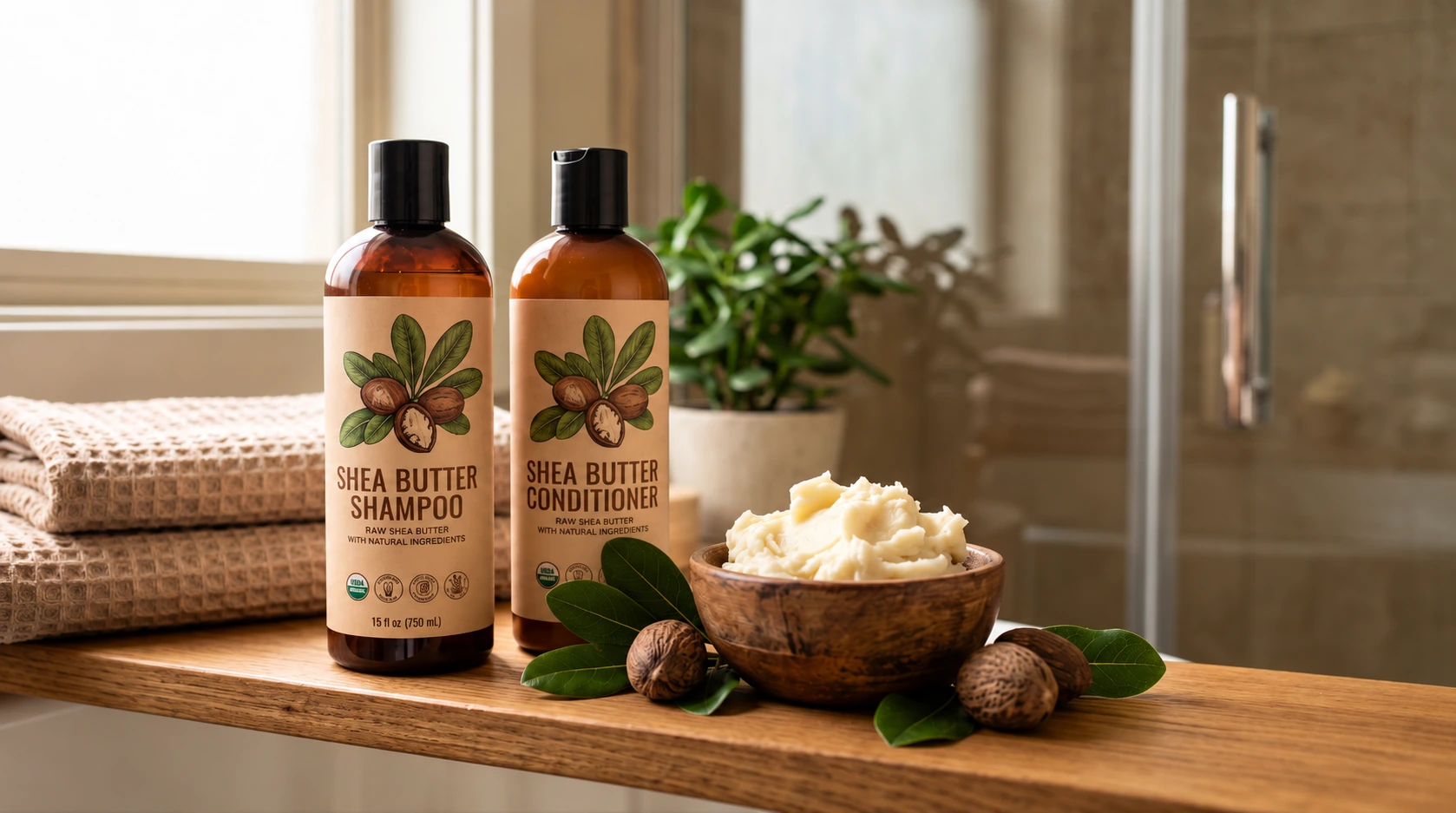
| Hair conditioner | 0.5-2% | Conditioning, preservation | Phenoxyethanol, parabens | Silky hair feel |
Clean Beauty and Natural Formulation Trends
Meeting Natural and Organic Standards
Clean beauty movement drives demand for ingredients perceived as safe, gentle, and minimally processed. Caprylyl glycol for skin care fits this trend better than many traditional preservatives.
The ingredient is typically produced through petrochemical synthesis but can also be derived from natural sources like coconut or palm kernel oil through hydrogenation of octanoic acid. Natural-origin caprylyl glycol costs 20-40% more but qualifies for natural and organic certifications.
Certification compatibility: COSMOS/Ecocert: Approved when naturally derived Natrue: Allowed in natural cosmetics USDA Organic: Can be used in organic cosmetics (if naturally derived) Whole Foods Premium Body Care: Acceptable ingredient
For brands marketing natural or organic products, specifying plant-derived caprylyl glycol on ingredient declarations resonates with consumers. Some suppliers offer palm-free versions from coconut addressing sustainability concerns.
Replacing Controversial Preservatives
Parabens, formaldehyde donors, and MIT/CMIT face consumer backlash despite regulatory approval. Caprylyl glycol enables formulations without these controversial ingredients.
Preservative alternatives using caprylyl glycol: Instead of parabens: Caprylyl glycol (0.5-1%) + phenoxyethanol (0.5-0.8%) Instead of formaldehyde donors: Caprylyl glycol (0.8-1.2%) + organic acids (0.2-0.4%) Instead of MIT/CMIT: Caprylyl glycol (0.5-1%) + pentylene glycol (1-2%)
These combinations pass challenge testing while avoiding ingredients consumers increasingly reject. The trade-off is cost — caprylyl glycol-based systems cost 15-30% more than traditional preservative combinations. But premium and natural brands willingly pay this premium for cleaner labels.
Market Trends and Consumer Acceptance
Growing Demand in Personal Care
Global caprylyl glycol market grows 6-8% annually driven by clean beauty trends and multifunctionality. The ingredient appears in increasing percentage of new product launches across all personal care categories.
Market drivers: Clean beauty movement favoring “safe” ingredient profiles Multifunctionality reducing need for multiple single-function ingredients Regulatory pressure on traditional preservatives Consumer awareness of ingredient safety Premium product segment growth
North America and Europe represent largest markets with highest growth rates. Asia-Pacific shows rapid adoption as international brands expand and domestic brands reformulate to meet rising consumer expectations.
Consumer Perception and Education
Consumer surveys show low awareness of caprylyl glycol by name but positive response when benefits are explained. The ingredient doesn’t face negative perception like parabens or sulfates.
Educational efforts by brands highlight caprylyl glycol’s multifunctional nature and safety profile. Transparent communication about ingredient functions builds consumer trust.
Effective messaging strategies: Emphasize plant-derived origin (when applicable) Explain preservative-boosting reducing overall preservative load Highlight gentle nature suitable for sensitive skin Note multifunctional benefits (moisturizing, texture improvement) Reference safety testing and dermatologist recommendations
Brands successfully marketing caprylyl glycol include it in “hero ingredient” lists alongside actives, positioning it as beneficial rather than just functional.
Sustainability and Sourcing Considerations
Environmental Impact
Caprylyl glycol production from petrochemical sources has environmental footprint typical of synthetic organic chemicals. Energy consumption, greenhouse gas emissions, and waste generation occur during manufacturing.
Natural-origin caprylyl glycol from coconut or palm involves agricultural impacts including land use, water consumption, and potential deforestation (palm). Responsible sourcing requires certified sustainable suppliers.
Sustainability factors: Petrochemical origin: Energy intensive, fossil fuel dependent Coconut origin: Renewable but agricultural impacts Palm origin: Renewable but deforestation concerns (need RSPO certification) Biodegradability: Good (readily biodegradable in aquatic environments) Aquatic toxicity: Low (not harmful to fish or aquatic invertebrates)
For sustainability-focused brands, specifying coconut-derived caprylyl glycol from certified sustainable sources addresses environmental concerns. Some suppliers provide carbon footprint data and LCA (life cycle assessment) supporting sustainability claims.
Future Developments
Biotechnology offers potential future production routes. Fermentation using engineered microorganisms could produce caprylyl glycol from renewable feedstocks with lower environmental impact than current methods.
Research explores enzymatic synthesis routes and improved purification methods reducing energy consumption. These technologies remain developmental but may become commercially viable within 5-10 years.
Conclusion
Caprylyl glycol for skin care represents the evolution toward multifunctional ingredients that simultaneously address preservation, moisturization, penetration enhancement, and sensory improvement in single component rather than requiring multiple specialized ingredients. The eight-carbon vicinal diol structure provides optimal amphiphilic balance enabling preservative system boosting at 0.3-1% concentration reducing traditional preservative loads by 30-50% while adding humectant properties that improve hydration and reduce transepidermal water loss at 0.5-3% concentration. Extensive safety data definitively answers is caprylyl glycol safe for skin with CIR Expert Panel conclusions confirming safety at concentrations up to current practice levels, clinical studies showing zero adverse reactions at 5% concentration in sensitive skin populations, and global regulatory approval with no concentration restrictions across major markets including FDA GRAS status for food use. The ingredient’s compatibility with clean beauty trends through naturally-derived versions qualifying for COSMOS, Natrue, and USDA Organic certifications while replacing controversial preservatives like parabens and formaldehyde donors positions it ideally for premium natural skincare formulations growing 8-12% annually. Formulators benefit from caprylyl glycol’s synergy with phenoxyethanol, organic acids, and other glycols creating robust broad-spectrum preservation while improving texture through silky, non-greasy skin feel and enhancing active ingredient delivery 15-30% through lipid bilayer interaction. For cosmetic chemists, brand managers, and ingredient buyers developing next-generation personal care products, Elchemy connects you with reliable suppliers offering both petrochemical-derived and plant-based caprylyl glycol with complete technical specifications, safety documentation, regulatory compliance certificates, and formulation support helping you create preserved, moisturizing, fast-absorbing products meeting consumer demands for safety, efficacy, and clean ingredient profiles in increasingly competitive skincare and personal care markets.