

At a Glance
- U.S. industrial cleaning manufacturers are reassessing traditional alkaline builders
- Sodium carbonate substitute options are gaining attention due to sustainability and wastewater concerns
- Eco-friendly alternatives offer alkalinity, buffering, and soil removal with lower environmental impact
- Substitutes are selected based on cleaning performance, compatibility, and regulatory acceptance
- Water treatment regulations and ESG goals influence formulation decisions
- This blog explains why sodium carbonate is being replaced and which alternatives are trending
Industrial cleaning products rely heavily on alkaline builders to remove grease, oils, and inorganic soils. For decades, sodium carbonate has been one of the most widely used ingredients in these formulations. It is effective, inexpensive, and readily available.
However, the U.S. industrial cleaning sector is changing. Environmental compliance, wastewater discharge limits, and sustainability goals are pushing manufacturers to reconsider long-standing ingredients. As a result, demand for a sodium carbonate substitute that delivers similar performance with a lower environmental footprint is steadily increasing.
This article explores why sodium carbonate is being replaced in certain applications, the eco-friendly substitutes gaining traction in the U.S. market, and how manufacturers evaluate alternatives without compromising cleaning efficiency.
Role of sodium carbonate in industrial cleaning
Sodium carbonate, also known as soda ash, is a strong alkaline salt. In industrial cleaning formulations, it performs several key functions.
It raises pH, allowing cleaners to break down fats, oils, and protein-based soils more effectively. It also acts as a builder, improving the efficiency of surfactants and preventing soil redeposition.
Because of its alkalinity and buffering capacity, sodium carbonate has been widely used in:
- Heavy-duty degreasers
- Metal cleaners
- CIP (clean-in-place) systems
- Institutional and commercial cleaners
Despite its effectiveness, its environmental profile has come under closer review.
Why manufacturers seek a sodium carbonate substitute
The shift away from sodium carbonate is not driven by performance failure. Instead, it reflects broader regulatory, environmental, and operational pressures.
Wastewater discharge concerns
High alkalinity in effluents can disrupt wastewater treatment processes. Facilities using large volumes of sodium carbonate often need neutralization steps before discharge, increasing operational cost and complexity.
Sustainability and ESG commitments
Many U.S. manufacturers have committed to reducing environmental impact across their product portfolios. Ingredients associated with high mineral extraction or elevated water treatment burden are being reevaluated.
Compatibility with modern formulations
As cleaning products evolve toward lower-temperature, lower-dose systems, some formulators find sodium carbonate too aggressive or less compatible with enzyme-based or biodegradable surfactants.
These factors have created interest in a substitute for sodium carbonate that delivers alkalinity and cleaning support with improved environmental handling.
What functions a substitute must replicate
Before replacing sodium carbonate, manufacturers define the technical role it plays in their formulation.
A viable alternative must support some or all of the following:
- Alkalinity for soil removal
- Buffering to stabilize pH
- Builder action to enhance surfactant efficiency
- Compatibility with enzymes and surfactants
- Acceptable wastewater profile
No single substitute addresses every function equally. In many cases, formulators use blends rather than one-to-one replacements.
Eco-friendly sodium carbonate substitutes gaining traction
Several alternatives are being adopted across U.S. industrial cleaning products. These options balance performance with improved environmental profiles.
Sodium bicarbonate
Sodium bicarbonate is one of the most common mild alkaline alternatives.
It provides moderate alkalinity and buffering while being easier to neutralize in wastewater systems. It is often used in applications where extreme pH is unnecessary.
Typical uses include:
- Light to medium-duty cleaners
- Surface cleaners
- Food-processing equipment cleaning
While less aggressive than sodium carbonate, it offers better environmental manageability.
Sodium citrate
Sodium citrate functions as a chelating agent and mild buffer.
It improves surfactant efficiency by binding hardness ions and stabilizing formulations. Because it is derived from citric acid, it aligns well with eco-friendly positioning.
Sodium citrate is frequently used in:
- Institutional cleaners
- Low-residue formulations
- Cleaners designed for sensitive wastewater systems
It does not deliver high alkalinity but supports cleaning through builder action.
Potassium-based alkalis
Potassium carbonate and potassium bicarbonate are sometimes used as substitutes where sodium load reduction is desired.
Potassium salts are often preferred in facilities managing sodium discharge limits. They offer similar alkalinity with different ionic behavior in wastewater treatment.
These alternatives appear in:
- Industrial degreasers
- CIP formulations
- Specialty cleaning systems
Cost and sourcing remain considerations.
Organic alkalinity builders
Organic salts such as gluconates and certain amino-acid-derived buffers provide mild alkalinity and chelation.
They are valued for:
- Biodegradability
- Low aquatic toxicity
- Compatibility with enzyme systems
While they do not fully replace sodium carbonate in heavy-duty cleaning, they play an important role in modern eco-designed formulations.
Comparison of common substitutes
| Ingredient | Alkalinity Strength | Builder Function | Wastewater Impact | Typical Applications |
| Sodium Carbonate | High | Strong | High neutralization demand | Heavy-duty cleaners |
| Sodium Bicarbonate | Medium | Moderate | Lower impact | General cleaners |
| Sodium Citrate | Low | High chelation | Favorable | Institutional cleaners |
| Potassium Carbonate | High | Strong | Moderate | Industrial degreasers |
| Organic Builders | Low to medium | Moderate | Very favorable | Eco-formulations |
This comparison shows why many manufacturers blend ingredients rather than rely on a single sodium carbonate substitute.
How application type influences substitute choice
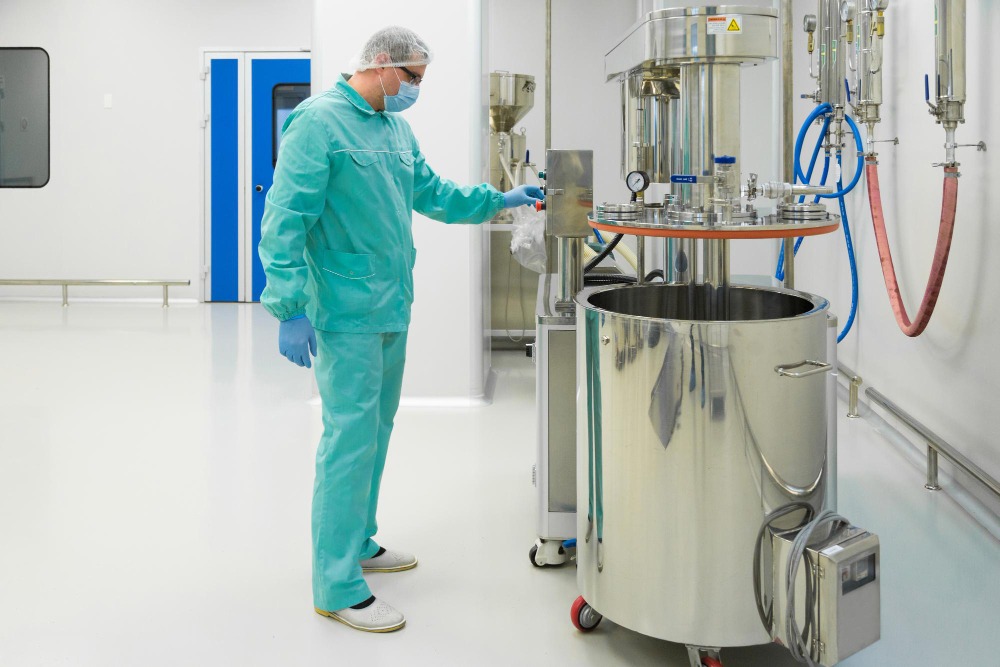
The cleaning environment strongly influences which alternative performs best.
Heavy-duty industrial cleaning
Applications involving baked-on grease or carbonized soils still require high alkalinity. In these cases, potassium-based alkalis or reduced-dose sodium carbonate systems combined with organic builders are common.
Food and beverage processing
Facilities prioritize rinseability, wastewater compatibility, and regulatory compliance. Sodium citrate and bicarbonate systems are often preferred here.
Institutional and commercial cleaning
Mild alkalinity, user safety, and surface compatibility are key. Organic builders and citrate-based systems dominate these formulations.
Regulatory drivers in the U.S.
Environmental regulation plays a central role in reformulation decisions.
Wastewater discharge permits often limit pH, total dissolved solids, and sodium load. These limits vary by municipality, making formulation flexibility valuable.
Manufacturers that supply products nationwide must account for differing regional requirements. This increases interest in a substitute for sodium carbonate that performs consistently across jurisdictions.
Additionally, eco-label programs and green procurement policies influence ingredient selection, especially for public sector contracts.
Performance versus sustainability trade-offs
Replacing sodium carbonate often involves trade-offs.
High alkalinity delivers fast cleaning but increases environmental burden. Lower-impact substitutes may require longer dwell time, higher surfactant levels, or mechanical action to achieve similar results.
Manufacturers balance these factors by:
- Optimizing surfactant systems
- Adjusting dosage instructions
- Combining multiple builders
The goal is to maintain cleaning effectiveness while reducing downstream environmental costs.
Compatibility with modern surfactant systems
Modern industrial cleaners increasingly rely on biodegradable surfactants and enzyme systems.
High alkalinity from sodium carbonate can reduce enzyme efficiency or destabilize certain surfactants. Milder substitutes improve compatibility and formulation stability.
This compatibility advantage is a major reason eco-friendly substitutes are gaining favor in next-generation cleaning products.
Cost and supply considerations
Sodium carbonate remains cost-effective, which is why it has not disappeared entirely.
However, rising emphasis on sustainability has shifted cost evaluation from ingredient price alone to total system cost. Neutralization, wastewater treatment, and compliance costs now factor into formulation decisions.
While some substitutes carry higher raw material costs, they may reduce operational expenses downstream.
Market trends shaping future adoption
Several trends are accelerating adoption of sodium carbonate alternatives in the U.S.
Green procurement policies
Large institutions and government buyers increasingly specify environmentally preferred cleaning products.
Corporate sustainability targets
Manufacturers align ingredient choices with public ESG commitments and lifecycle assessments.
Water stewardship initiatives
Reducing wastewater treatment burden has become a competitive advantage in industrial cleaning.
These forces suggest continued growth in demand for eco-friendly builders.
Formulation strategies used by U.S. manufacturers
Rather than eliminating sodium carbonate entirely, many manufacturers adopt hybrid systems.
Common strategies include:
- Lowering sodium carbonate dosage
- Supplementing with citrate or organic builders
- Replacing sodium with potassium salts
- Designing application-specific formulations
This flexible approach allows manufacturers to maintain performance while meeting sustainability goals.
Conclusion
Sodium carbonate has long been a cornerstone of industrial cleaning formulations, but changing environmental and regulatory expectations are reshaping its role. U.S. manufacturers are increasingly evaluating a sodium carbonate substitute that delivers effective cleaning with reduced wastewater impact.
Alternatives such as sodium bicarbonate, sodium citrate, potassium-based alkalis, and organic builders offer practical pathways toward more sustainable formulations. A well-chosen substitute for sodium carbonate balances alkalinity, builder function, compatibility, and environmental performance.
As industrial cleaning products continue to evolve, manufacturers that adopt flexible, eco-conscious builder systems will be better positioned to meet both performance demands and sustainability expectations in the U.S. market.