

At a Glance
- Sesame oil: 40% oleic acid + 41% linoleic acid; Olive oil: 52% oleic acid + 18% linoleic acid
- Sesame oil oxidative stability: High (due to sesamolin, sesamin, tocopherols); Olive oil oxidative stability: Highest (phenolic compounds, triacylglycerol composition)
- Sesame oil smoke point: 410°F (210°C); Olive oil smoke point: 320-375°F (160-190°C)—sesame oil better for high-heat applications
- Sesame oil ω6:ω3 ratio: 50:1 (omega-6 dominant); Olive oil ω6:ω3 ratio: 9.5:1 (more balanced)
- Sesame oil flavor: Strong, nutty (overpowers many applications); Olive oil flavor: Mild to robust (varies by grade)
- Sesame oil cost: $12-18/liter; Olive oil cost: $8-25/liter (wide range by grade)
- Sesame oil culinary use: Asian cuisine, dressings, finishing oil; Olive oil culinary use: Mediterranean cooking, salads, daily cooking
- Sesame oil industrial use: Cosmetics, pharmaceuticals, biodiesel feedstock; Olive oil industrial use: Skincare, soap production, food preservation
- Frying stability: Sesame oil suitable (23-40% linoleic acid ideal range); Olive oil acceptable (lower linoleic acid, less degradation)
- Storage stability: Sesame oil 12-18 months; Olive oil 18-24 months (sealed, cool conditions)
Knowing the difference between sesame oil and olive oil eliminates expensive formulation mistakes and opens up opportunities for optimization in food processing, cosmetics and industrial production.
Sesame Oil vs. Olive Oil: The Basics of Chemistry
Sesame oil is often mistaken for olive oil, because they share certain qualities: They are both plant-based oils, have comparable polyphenols and are both golden-colored. However, the fatty acid profile, bioactive compounds and oxidation mechanisms of these are quite different. This distinction affects suitability for certain applications and is the reason why substitute often leads to performance failure.
The Structural Difference Fatty Acid Composition

Oil properties, stability and nutritional profile is determined by the ratio of saturated, monounsaturated and polyunsaturated fatty acids.
Sesame Oil
The fatty acids present in sesame oil are about 14% saturated (palmitic acid), 41% oleic acid (monounsaturated) and 41% linoleic acid (polyunsaturated omega-6).
The resulting mixture will yield an oil that is fairly equal in mono and poly unsaturated fats. The high linoleic acid content supplies essential fatty acids that are beneficial for nutrition, but can be a problem of excessive oxidation when the oil is repeatedly fried at very high temperatures (above 400°F).
Sesame Oil Fatty Acid Profile:
- Palmitic acid (C16:0): 8-10%
- Stearic acid (C18:0): 4-5%
- Oleic acid (C18:1): 40-42%
- Linoleic acid (C18:2): 40-43%
- Linolenic acid (C18:3): <1%
- Saponification number: 208 (suggests a higher free fatty acid content)
Olive Oil
The most prominent fatty compound of olive oil is oleic acid (monounsaturated fat), accounting for about 52-70% of the total, depending on variety and time of harvest. Saturated fats make up 12-15% while polyunsaturated fats (linoleic acid) make up only 12-18%.
This composition produces an oil with considerably more stability as the majority of oleic acid, which has no multiple double bonds that are prone to oxidation, and the low PUFAs (polyunsaturated fatty acids) content results in fewer oxidation points. The lower level of linoleic acid is also responsible for superior heat stability, making olive oil the best choice for extended cooking.
Fatty Acid Profile of the olive oil:
- Palmitic acid (C16:0): 10-12%
- Stearic acid (C18:0): 2-3%
- Oleic acid (C18:1): 52-70%
- Linoleic acid (C18:2): 12-18%
- Linolenic acid (C18:3): <1%
- Iodine value: 81 (more stable than sesame)
Practical Implication:
In the case of industrial frying, such as potato chips, donuts and processed foods that are repeatedly heated, olive oil is better, because it contains less polyunsaturated fat, which results in less secondary oxidation products, or peroxides and aldehydes, formed during the heating process. The degradation of the oil is faster with repeated frying and more frequent oil change and filter replacement are needed in case of higher linoleic acid in the oil, such as sesame oil.
The Antioxidant Difference in Oxidative Stability
Fatty acid composition is not the only factor influencing oxidative stability; natural antioxidants which inhibit or retard oxidation reactions are also important. That’s where sesame and olive oils are vastly different.
Sesame Oil Antioxidants
Sesame oil is the unique source of powerful antioxidants called lignans, specifically sesamolin and sesamin, that are not present at the same level in olive oil. The action of these compounds is as follows:
- Preventing chain oxidation reactions (stabilizing lipid radicals)
- Regeneration of Vitamin E (tocopherols) which then continues to protect oil
- Cumulative antioxidant effect when synergized with tocopherols
Other compounds that promote oxidative stability:
- Tocopherols (vitamin E): 50-65 mg/100g oil
- Antioxidants: 0.1421 mg/kg oil
- Lignans (sesamolin and sesamin): 0.5-1.5% of the oil weight
Sesame Oil Stability Profile:
When stored at 65°C (warm conditions):
- Slow rise in peroxide value in first 3 months
- Sealed oil will keep for 12-18 months.
- Good flavor and color holding if kept out of light.
- For cosmetics and pharmaceuticals with a long shelf life.
Olive Oil Antioxidants
The main compounds that provide antioxidant protection in olive oil are phenolic compounds (polyphenols). These compounds are very different from the lignans found in sesame oil and are highly dependent on the variety of olive and time of harvest.
Early-harvest olives have 200-500+ mg/kg phenolic content, which is enhanced antioxidant protection, while late-harvest olives have 50-150 mg/kg phenolic content, which has reduced antioxidant power.
Additional protective compounds:
- Polyphenols (main antioxidant mechanism): 50-400+ mg/kg
- Phytosterols: 150-250 mg/100g
- Chlorophyll: 1.88 µg/g (extra antioxidant action)
- Carotenoids: 19.10 µg/g
Olive Oil Stability Profile:
When stored at 65°C (under the same conditions):
- Slow increase in peroxide value (excellent stability vs. sesame)
- Sealed oil can be used for 18-24 months.
- Actual stability depends on phenol content (high phenol early harvested oils >> low phenol refined oils).
- It is preferred in industrial frying because of its superior heat stability.
Practical Implication:
Early-harvest olive oil with high phenolic content is better for cosmetic formulations with a shelf life of 24+ months that do not require refrigeration. In the case of pharmaceutical products, the unique lignans offered by sesame oil offer different (complementary) antioxidant mechanisms, hence suitable for specific applications (e.g., sesame oil used in Ayurvedic medicines for this purpose).
Smoke Point and Heat Tolerance.
Smoke point” is the temperature at which the oil starts to break down and smoke, which is an important factor in cooking as well as in industrial processing.
Sesame Oil
Smoke point: 410°F (210°C)
This high smoke point is due to the antioxidant properties of sesame oil (sesamolin and sesamin protect against thermal degradation) and the presence of more oleic acid in it. This makes sesame oil an appropriate oil for:
- Cooking in the wok at high temperatures (Asian cuisine)
- Frying at medium to high heat for a short period of time
- Industrial processes that use up to 200°C.
- Cosmetics production (moderate heating needed for some processes)
Note: sesame oil can withstand high temperatures, however, due to the presence of polyunsaturated fatty acids (41% linoleic acid), it is more likely to break down when used repeatedly at high temperatures than olive oil. More suitable for single use or short term exposure to high temperatures.
Olive Oil
Smoke point: 320-375°F (160-190°C) (depends on the grade; the extra virgin grades have a lower smoke point and the refined grades have a higher smoke point).
- Refined olive oil: 375-410°F (190-210°C)
- Extra-virgin olive oil: 320-375°F (160-190°C)
This lower smoke point (vs. sesame) indicates that the antioxidant compounds are more volatile and hence burn off at lower temperatures. The catch: The smoke point is reduced, but the oil is less prone to oxidation in the cooking process.
Optimal use cases:
- Cooking for a long time at moderate heat (optimal cooking temperature below 350°F)
- Cooking and salad dressings at low temperatures
- Industrial applications where a continuous high heat is not needed.
- Food Preservation, the naturally slower oxidation rate means that foods stay fresher for longer.
Practical Implication:
In commercial food service, industrial frying (chips, donuts, etc.), refined olive oil is more desirable than extra virgin (higher smoke point). Sesame oil is better for very hot cooking, such as frying at a high temperature in the wok, at 400°F+. When it comes to low-temperature applications, the extra-virgin olive oil’s superior flavor and antioxidant properties justify its use.
Flavor and sensory profile
Substitution is sometimes not possible due to lack of sensory compatibility which has a very dramatic effect on suitability for culinary and industrial applications.
Sesame Oil
Flavor: Robust and prominent, with a nutty character.
The scent and flavor of sesame oil is very strong and distinctive, and it would overpower any dish. Compounds formed during roasting of the seeds (before the oil is pressed) provide the flavor.
Sensory characteristics:
- Nutty, toasted aroma (right away noticeable)
- Dark brown color – lighter for refined sesame oil, but still there.
- Flavor intensity: 1-2 teaspoons will season an entire dish.
- Continues cooking; tastes remain in cooked products
Application constraints:
- May not be suitable for use as neutral oil in delicate dishes (overpowering subtle flavors)
- Needs conscious food choice to consume
- Small quantities are effective (low cost)
- Using finishing oil instead of cooking oil (deliberately add flavor)
Industrial implications:
- Cosmetics: Sesame oil used in special formulations, cannot be a substitute for neutral oil.
- Pharmaceuticals: Flavor masking is necessary when sesame oil is used (increases cost)
- Sesame oil taste sometimes an issue; need encapsulation of supplements.
Olive Oil
Flavor: Light to strong (depending on the kind and harvest)
Extra-virgin olive oil (cold-pressed): Fruity, grassy, peppery notes; delicate to bold, depending on the olive variety and its time of harvest.
Refined olive oil (heat extracted): mild or neutral flavor; good for uses where a neutral flavor is desired.
Sensory characteristics:
- Extra virgin: Authentic fruity/grassy flavor, easily identified as olive oil
- Refined: Suitable for most cooking purposes; not too strong or too faint
- Light golden to dark green color (depends on the type)
- Flavor makes itself at home in dishes; it doesn’t overpower.
- Flavor is less pronounced, more often used for daily cooking.
Application flexibility:
- Can be used as neutral cooking oil (refined grade)
- Can be used as finishing oil with a distinct flavour (extra-virgin grade)
- Can be used in savory or sweet recipes
- Works well in mayonnaise, vinaigrettes, baking (no flavor clash)
Industrial implications:
- Fragrances: Neutral refined olive oil is perfect for mixing with perfumes
- Pharmaceuticals: No need to mask neutral flavor; easy formulation
- Food processing: Refined olive oil, which is very clear and used in many products without being aware of its composition.
- Skincare: Olive oil has a better combination with other actives
Practical Implication:
Because flavor is a key factor, sesame oil can’t be used in most of the applications where olive oil is used. The refined olive oil is more versatile for industrial applications, as it can be used in part to replace sesame oil if a strong sesame flavor is not desired. In the realm of Asian cooking, sesame oil is a must, not an option—flavor profile is part of the dish’s identity.
The ratio of omega 3 to omega 6.
The essential fatty acids, omega-3 and omega-6, play an important role in human nutrition and a good balance between them is of great importance for human health. This ratio also impacts the way that oils act in the body and their functional food applications.
Sesame Oil
ω6:ω3 ratio: 50:1
The extremely high ratio of omega-6 to omega-3 is due to the high content of linoleic acid (omega-6) and virtually nonexistent amount of linolenic acid (omega-3) in sesame oil. Implications:
- Sesame oil is very high in essential fatty acids (omega-6).
- Not a significant amount of omega 3 (negligible linolenic acid)
- Perfect for populations that require supplementation with omega-6, which is usually scarce in developed countries where omega-6 is usually quite common.
- Not recommended for use alone as an oil to balance essential fatty acids in the diet.
Practical concern: In developed nations, omega-6 may be over consumed, while omega-3 is under consumed, and sesame oil consumption makes the balance even more pro-inflammatory.
Olive Oil
ω6:ω3 ratio: 9.5:1
This more balanced ratio is a result of olive oil’s moderate proportion of linoleic acid and minimal amounts of linolenic acid. Implications:
- Better balanced essential fatty acid profile than sesame
- Still more omega-6 than omega-3 (also like sesame, but not as extreme)
- Better for populations with balance omega ratios
- One of the oils recommended for the Mediterranean diet due to less skewed ratio than sesame and sunflower oils.
Optimal ratio: Nutrition studies have indicated that the optimum ratio of omega 6 to omega 3 is 1:1 to 4:1. Both sesame oil and olive oil need to be mixed with omega-3 oils (flaxseed, walnuts, fatty fish).
Practical Implication:
Olive oil is preferred to sesame for functional foods formulations where balanced omega 3/6 fatty acid ratio is desired. Sesame oil is better for supplements that are intended to boost omega-6 (rare and required in some medical circumstances). In the case of average consumer blended oils, oil mixtures of 65% olive oil, 30% sesame oil and 5% flaxseed oil have a more balanced fatty acid profile than any single oil.
The phenolic and bioactive content were determined.
Oils contain hundreds of minor compounds in addition to fatty acids that have health benefits, influence stability and functional properties. Sesame and olive oils differ significantly in their phytochemical makeup at this point.
Sesame Oil Bioactives
Sesame oil is unique because it contains:
- Sesamolin: 0.5-1.5% of oil weight (powerful antioxidant; unique to sesame)
- Sesamin: 0.3-0.5% of the oil weight (synergizes with sesamolin)
- These lignans have been shown to have an anti-inflammatory and anti-cancer effect in studies
Additional compounds:
- Tocopherols (vitamin E): 50-65 mg/100g (which is more than olive oil)
- Phenols: 14.21 mg/kg oil (less than olive oil)
- High, due to the synergy between sesamolin/sesamin and tocopherols
Olive Oil Bioactives
Dominant compounds:
- Polyphenols: 50-400+ mg/kg (very variable depending on harvest time and variety)
- Phytosterols: 150-250 mg/100g (plant sterols that reduce cholesterol)
- Chlorophyll: 1.88 µg/g (extra antioxidant, gives colour)
- Carotenoids (beta-carotene, lutein): 19.10 µg/g (antioxidant protection)
Early-harvest olive oil: 300-500+ mg/kg phenols (superior antioxidant profile) Late-harvest olive oil: 50-150 mg/kg phenols (reduced bioactive content)
Antioxidants: Oils in early harvest have very high phenolic content which decreases with later harvest or refining
Practical Implication:
When cosmetic or pharmaceutical formulations are aiming at certain bioactives:
- When sesamolin/ sesamin benefits are desired, use sesame oil.
- When maximum antioxidant polyphenols are required (anti-aging cosmetics) then prefer olive oil harvested early.
- Refined olive oil preferred in case of neutral bioactive profile is required (standard cosmetics, pharmaceuticals).
Price and Availability
The choice of formulation can be affected by sourcing and cost considerations, especially for industrial applications.
Sesame Oil
Pricing: $12-18/liter (wholesale, 2026)
Cost drivers:
- Decreased acreage of cultivation (mainly in India, China and Africa)
- More labour intensive harvest (small seeds; mechanical harvest difficult)
- Less oil in each seed (50-52% of sesame seeds, must process large quantities)
- Specialized processing (roasting before pressing is an additional expense)
Supply stability:
- Less volatile pricing of olive oil (lower speculation/trading pressure)
- More regular availability (not like olives, which are subject to harvest failure)
- Concentrated sourcing from Asia/Africa, which means longer supply chain lead times.
Availability constraint:
- There are fewer suppliers of the product worldwide than olive oil
- Minimum order quantities higher (usually 50+ liter quantities)
- If specific quality is requested (roasted vs. phenol-standardized), then the price will increase.
Olive Oil
Price: $8-25/lit. (wholesale, very variable, depending on the grade)
Cost breakdown:
- Unrefined olive oil: $6-10/liter (commodity grade)
- Extra-virgin standard: $15-20/liter (quality grade)
- Premium early harvest extra-virgin: $25-50+/liter (specialty grade)
Cost drivers:
- When to harvest (early harvest is more labour intensive and can command a premium)
- The amount of oil per fruit varies (olives 18-25% oil; lower per fruit yield than sesame, but greater global production makes up for this).
- Speculative trading (the price of olive oil changes depending on the world supply of it; there is also commodity trading)
- Quality grading (several different certifications result in different price tiers)
Supply stability:
- Extremely volatile prices (frost/drought in Mediterranean – whole year’s crop)
- Many suppliers worldwide (provides price competition)
- Many suppliers offer orders of 5-20 liters, which is less than the minimum order quantity.
- Availability (compared to sesame which has flexibility in sourcing from a variety of producing countries)
Practical Implication:
Refined olive oil is the least expensive of the three types and is most cost-effective for industrial use ($8-12/liter). Sesame oil is a more stable product – no commodity speculation – and consistently good quality – so may be worth paying a premium for specialty applications that require specific bioactives. The availability of olive oil in smaller minimum quantities and from several suppliers, lessens the risk in the supply chain for large-scale production of cosmetics.
Each Oil’s Industrial Use Cases
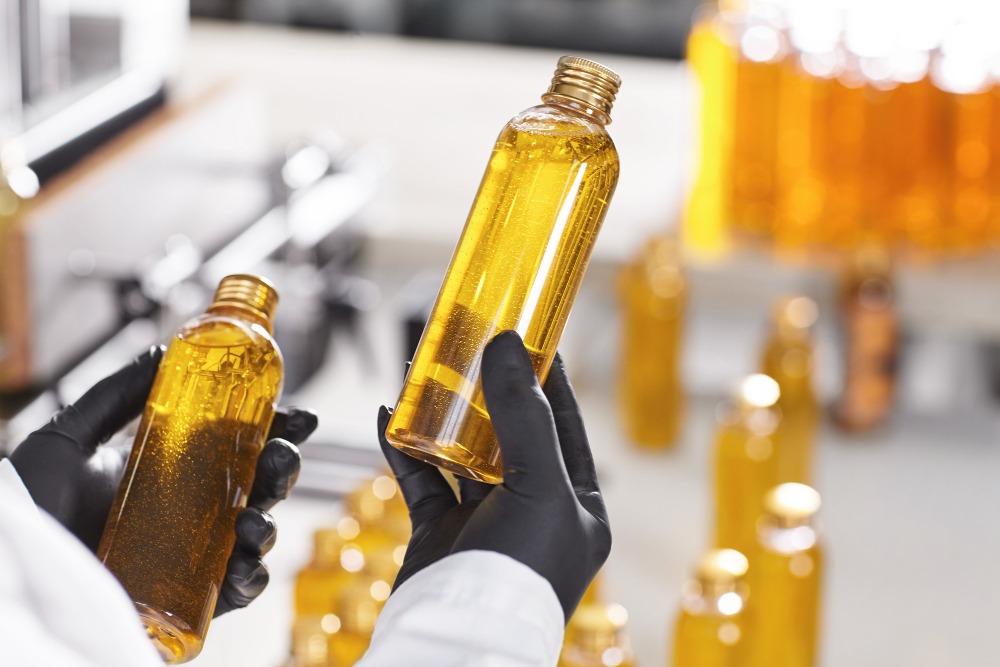
Knowing the best applications means avoiding misapplication and formulation failures.
Sesame Oil is ideal for:
Cosmetics and Skincare:
- Anti-inflammatory formulations (sesamolin is known to have anti-inflammatory properties).
- Facial serums (light absorption, prevents comedogenicity)
- Massage oils (traditional use, complementary medicine positioning)
- Asian-inspired skin care lines (niche products)
Pharmaceuticals:
- Ayurvedic medicines (Sesame oil is traditional carrier)
- Anti-inflammatory supplements
- Skin barrier repair formulations (tocopherol content supports barrier function)
Food Applications:
- Asian cuisine (finishing oil; flavour is deliberate).
- Dressings and condiments (sesame-tahini dressings)
- Products that promote health and wellness.
Industrial:
- Biodiesel feedstock (Sesame oil suitable for transesterification)
- Industrial processes that run at a high temperature (410°F smoke point allows 200°C operation).
Olive Oil: Best For
Cosmetics and Skincare:
- Skincare for mass market (neutral flavor suitable for fragrances)
- Dailies (long history of safety)
- Making soap (saponification chemistry is well-known)
- Formulations that are well tolerated and hypoallergenic.
Food Preservation:
- Food storage and preservation (superior shelf-life stability provides extended product freshness)
- Marinating and flavour preservation (oils preserve food without strong flavour domination)
Food Applications:
- Refined olive oil (can be used for all things) – daily cooking oil
- Oil for salad dressing (extra-virgin olive oil offers unique flavor value)
- For baking and sweet uses (neutral taste is good for desserts).
- Industrial food processing (refined olive oil does not cause any problem in terms of flavor).
Industrial:
- Biodiesel feedstock (with lower lipid content than sesame)
- Taste support for drug delivery (pharmaceutical excipient)
- Individual care on a large scale (large amounts available, predictable costs for larger orders)
Conclusion
There are significant differences in the fatty acid composition, antioxidant composition, taste and use in industry between sesame oil and olive oil. Sesame oil is best suited for Asian food, high-temperature cooking, and anti-inflammatory products due to its high smoke point, unique antioxidant properties of sesamolin/sesamin, and flavor. The oxidative stability, the balanced fatty acid profile, the richness in phenols and its versatility make olive oil, the ideal choice for daily cooking, mass market cosmetics and food preservation.
But the distinction between sesame oil and olive oil goes beyond taste – it’s about chemistry, performance, regulation and suitability of use. Making the right selection optimizes product performance, prolongs shelf life and facilitates authentic formulation.
Manufacturers who source for culinary or industrial oils can find verified specifications, regulatory documentation and technical support for application-specific optimization with Elchemy, for both sesame oil and olive oil (multiple grades: refined, extra-virgin, phenol-standardized, roasted).