

At a Glance
- Parsley oil is steam-distilled from the seeds or leaves of Petroselinum crispum, with seed oil being the more commercially valuable grade due to higher concentrations of active compounds
- The two dominant bioactive compounds are apiol (30-80% depending on variety) and myristicin (14-50%), both of which contribute antimicrobial, antioxidant, and anti-inflammatory activity
- Food grade parsley oil accounts for approximately 45% of global market demand, used primarily as a natural flavoring agent and increasingly as a preservative alternative
- Cosmetic applications are the fastest-growing segment, driven by the clean beauty movement and the oil’s documented skin-brightening and anti-aging properties
- The global parsley seed oil market was valued at roughly $2.17 billion in 2024 and is projected to reach $3.2 billion by 2032 at a CAGR of about 5%
- Parsley oil has FDA GRAS status for food use; cosmetic use is permitted under EU Cosmetics Regulation and FDA monographs with concentration limits due to photosensitivity potential
- Available in food grade, pharmaceutical grade, and cosmetic grade, each with different purity requirements and documentation standards
Parsley is one of those ingredients people associate with garnish. A sprig on the side of a plate that nobody eats. But the essential oil extracted from parsley seeds is a genuinely versatile industrial ingredient with functional applications across food manufacturing, pharmaceutical formulation, and cosmetic product development.
The parsley oil benefits that matter to manufacturers go well beyond the herb’s culinary reputation. Its antimicrobial activity makes it useful as a natural preservative system component. Its antioxidant profile supports shelf life extension in food and stability in skincare formulations. And its anti-inflammatory and skin-brightening properties have made it a rising ingredient in premium skincare, particularly in the anti-aging and hyperpigmentation segments.
This blog covers the functional applications of parsley oil across all three sectors, the chemistry behind its performance, sourcing considerations, and what manufacturers need to know about safety and regulatory compliance.
What Parsley Oil Is and What Makes It Work
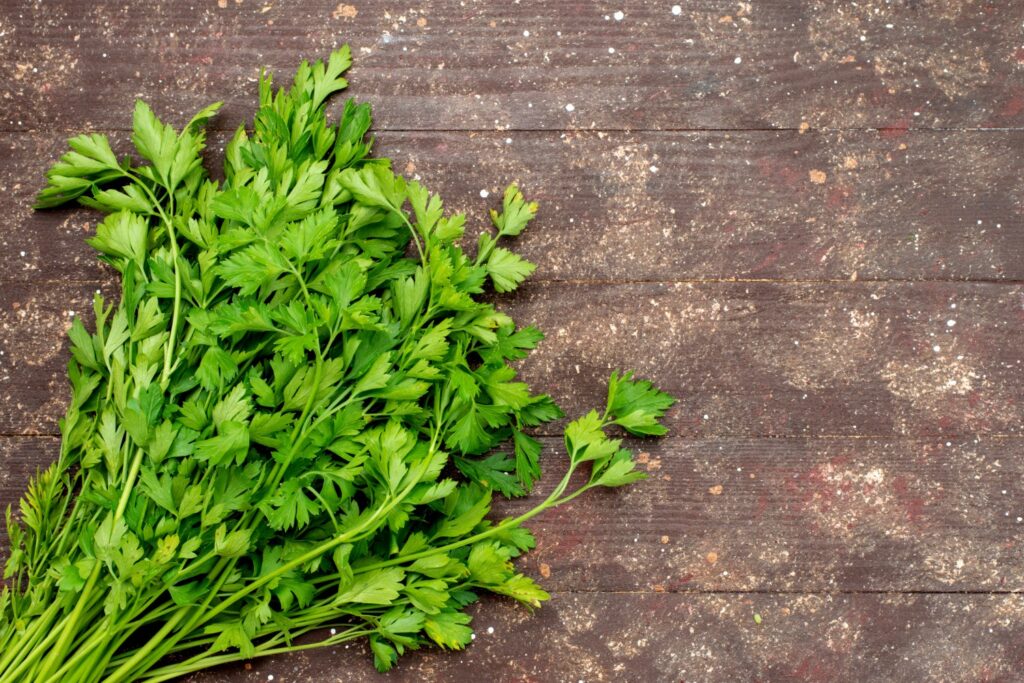
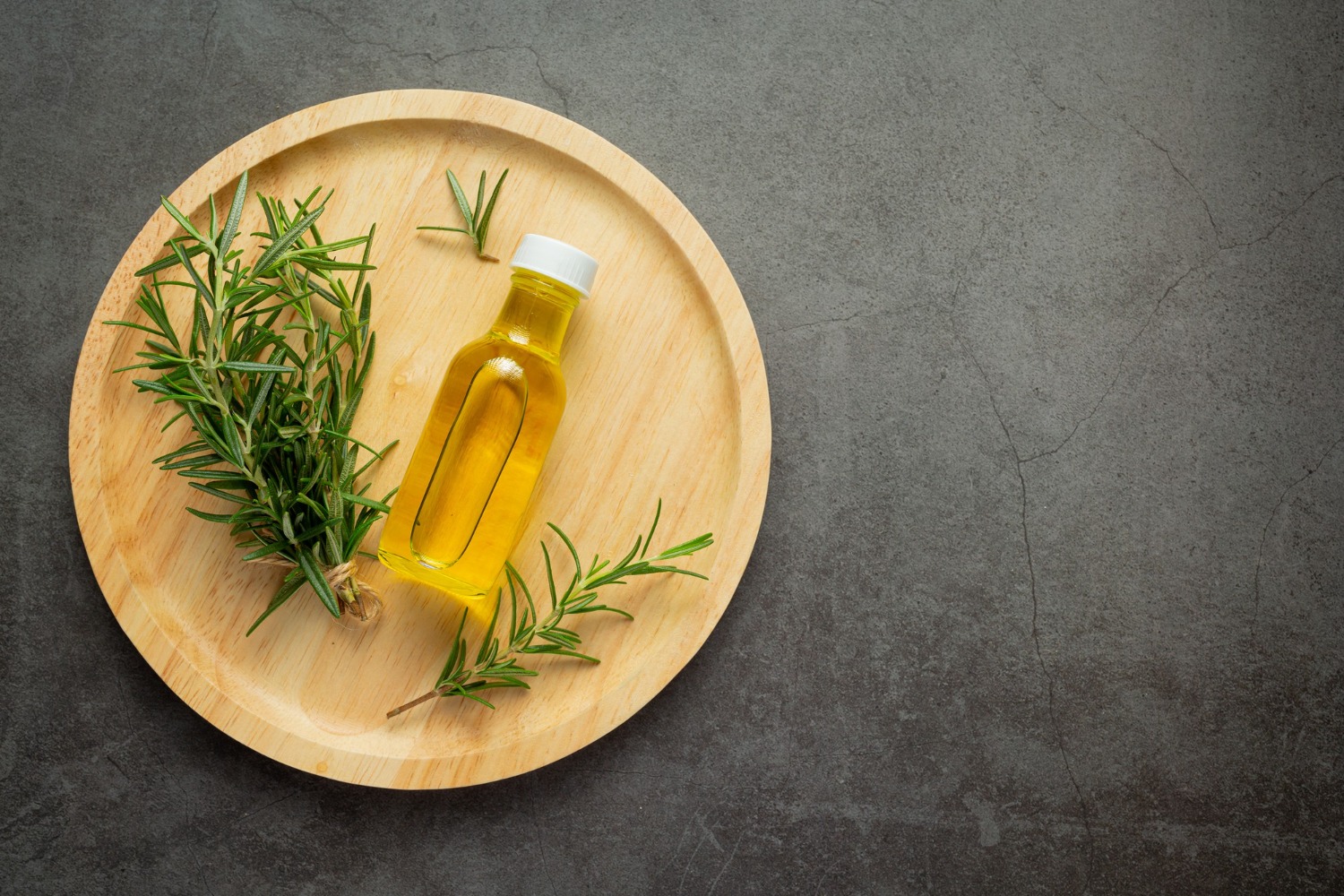
Parsley essential oil is extracted primarily through steam distillation of the seeds (fruits) of Petroselinum crispum. Leaf-derived oil also exists but has a different chemical profile and is generally considered lower value for industrial applications. The seed oil is where the concentrated bioactive compounds reside.
The composition varies significantly depending on variety and growing region. German parsley oil tends to contain 60-80% apiol with lower myristicin content. French parsley oil flips this ratio, containing 50-60% myristicin with less apiol. This variability matters for formulators because the ratio of these two compounds affects both the oil’s functional performance and its safety profile.
Key active compounds and what they do:
- Apiol is the primary active in most commercial parsley seed oil. It delivers antibacterial, antifungal, and diuretic properties. Its the compound responsible for much of the oil’s antimicrobial activity in food preservation and skincare applications
- Myristicin contributes antioxidant and anti-inflammatory effects. It also serves as a natural flavoring agent in food applications. At very high doses myristicin can be neurotoxic, which is why concentration limits exist for finished products
- Alpha-pinene provides anti-inflammatory and antimicrobial activity alongside the oil’s characteristic fresh, herbaceous scent
- Limonene adds citrus aroma notes and contributes to antioxidant performance
- Beta-caryophyllene supports anti-inflammatory activity and digestive function
Beyond these volatile compounds, parsley contains significant levels of vitamins A, C, and K, along with flavonoids like apigenin and luteolin that contribute to the antioxidant profile. The carotenoid content is notably high at roughly 25.7 mg per 100g of the edible plant portion.
Also Read: Sorbic Acid vs Potassium Sorbate: Understanding Their Role in Extending Food Preservative Shelf Life
Parsley Oil Benefits in Food Manufacturing
The food and beverage industry represents the largest consumption segment for parsley oil, accounting for roughly 45% of global demand.
Natural flavoring. This is the most straightforward application. Parsley oil provides a concentrated, consistent flavor profile that fresh or dried parsley can’t match at industrial scale. It shows up in savory sauces, dressings, marinades, seasoning blends, and ready-to-eat meals. The oil’s flavor intensity means very small amounts (typically 0.01-0.1%) deliver the desired herbaceous character without bulk ingredient handling.
Natural preservation. This is the growth application. As manufacturers reformulate to replace synthetic preservatives with clean-label alternatives, parsley oil’s antimicrobial properties make it a candidate for natural preservation systems. Apiol and myristicin both inhibit the growth of common food spoilage organisms and pathogens. Parsley oil won’t replace conventional preservatives entirely on its own, but as part of a hurdle approach (combining multiple mild antimicrobial interventions), it contributes meaningful protection while keeping the ingredient list clean.
Antioxidant functionality. The oil’s antioxidant compounds help prevent lipid oxidation in processed foods, extending shelf life and maintaining flavor quality. This is particularly relevant in products containing fats and oils where rancidity is a quality concern.
Functional beverages. Health-oriented beverage formulations are incorporating parsley oil for its digestive support claims and detoxification positioning. The oil appears in herbal teas, wellness shots, and supplement beverages at low concentrations where it contributes both flavor and functional benefits.
Parsley Essential Oil Benefits in Cosmetics and Personal Care
The cosmetic segment is where parsley essential oil benefits are generating the most commercial excitement right now. The clean beauty movement’s demand for plant-derived, multifunctional ingredients has put parsley oil on formulation teams’ radars in ways it wasn’t five years ago.
Skin brightening and hyperpigmentation. Parsley oil contains vitamin C and flavonoid compounds that inhibit melanin production and promote a more even skin tone. Anti-dark-spot serums and brightening treatments are the fastest-growing product category for parsley oil in cosmetics. The oil works well alongside other brightening actives like niacinamide and alpha arbutin without compatibility issues.
Anti-aging. The antioxidant profile combats free radical damage from UV exposure and environmental pollution. Apigenin and luteolin protect against oxidative stress that accelerates visible aging. In night creams and anti-aging serums, parsley oil helps maintain collagen integrity and supports cell turnover. Its emollient properties also temporarily smooth fine lines by conditioning the skin surface.
Acne and blemish control. The antimicrobial and anti-inflammatory properties make parsley oil useful in formulations targeting acne-prone and congested skin. Apiol’s antibacterial activity helps control Staphylococcus aureus and other acne-associated bacteria, while the anti-inflammatory compounds reduce redness and irritation. Typical concentrations for acne-targeted products run 0.5-2%.
Scalp and hair care. Parsley oil supports scalp health by controlling microbial overgrowth that contributes to dandruff and scalp irritation. Its also used in hair growth formulations for its circulation-stimulating properties. Added to shampoos and conditioners at 0.5-1%, it provides a fresh herbaceous scent while delivering functional scalp benefits.
Dark circle treatments. Vitamin K content makes parsley oil a natural fit for eye area products targeting dark circles. Vitamin K supports the body’s management of blood pooling under thin periorbital skin, which is a primary cause of dark circles.
Aromatherapy and fragrance. The fresh, green, herbaceous scent profile makes parsley oil a valued middle note in natural perfumery. It blends well with black pepper, coriander, anise, and citrus oils. In aromatherapy, its used for its calming and grounding properties.
Pharmaceutical and Nutraceutical Applications
Pharmaceutical-grade parsley oil has a narrower but meaningful set of applications.
Digestive health formulations. Parsley oil’s carminative properties (reducing gas and bloating) make it a component in digestive supplement blends. It supports healthy gut motility and is traditionally used for mild gastrointestinal discomfort. Capsule and liquid supplement formats are the most common delivery methods.
Diuretic formulations. Apiol has well-documented diuretic activity, promoting urine production and supporting kidney function. This application has historical roots going back centuries and continues in modern herbal supplement formulations targeting water retention and urinary tract health.
Anti-inflammatory applications. The combined anti-inflammatory activity of myristicin, alpha-pinene, and beta-caryophyllene positions parsley oil as a component in topical and oral anti-inflammatory supplement formulations. Joint health and muscle recovery products are emerging applications.
Antimicrobial pharmaceutical preparations. Parsley oil’s broad-spectrum antimicrobial activity against bacteria and fungi makes it a candidate for natural antimicrobial formulations, particularly in markets where consumer preference for plant-derived ingredients is strong.
Also Read: Food Manufacturing Regulations: Ensuring Safety, Quality, and Compliance
Safety Considerations and Concentration Limits
Parsley oil is functional and versatile, but it requires respect in formulation. Two safety considerations are non-negotiable for manufacturers.
Photosensitivity. Parsley contains psoralen and related furocoumarin compounds (bergapten, 8-methoxypsoralen, 5-methoxypsoralen) that can cause photodermatitis when skin treated with the oil is exposed to strong UV light. This means leave-on skincare products containing parsley oil need either concentration limits or clear usage instructions advising consumers to apply sunscreen. Wash-off products (cleansers, masks) carry lower risk.
Apiol and myristicin toxicity at high doses. Both compounds are safe at cosmetic and food-use concentrations but can cause adverse effects at very high doses. Apiol in particular has documented abortifacient properties at therapeutic doses, which is why parsley oil is generally contraindicated during pregnancy. Myristicin at extreme doses can cause neurological symptoms including headache, dizziness, and loss of balance.
Regulatory status:
- FDA: GRAS status for food use. Permitted in cosmetics under standard ingredient regulations
- EU: Permitted as a cosmetic ingredient under the EU Cosmetics Regulation. Furocoumarin content must be monitored and may trigger labeling requirements
- IFRA (International Fragrance Association): Sets concentration limits for parsley oil in fragrance applications based on furocoumarin content
For all applications, sourcing pharmaceutical-grade or cosmetic-grade parsley oil with a detailed certificate of analysis specifying apiol content, myristicin content, furocoumarin levels, and heavy metal testing is essential.
Sourcing Considerations
Parsley oil quality varies significantly based on botanical variety, growing region, harvest timing, and extraction method.
- Seed oil vs leaf oil. Seed oil commands a premium and delivers higher concentrations of bioactive compounds. Leaf oil is less expensive but has a different composition and weaker functional performance
- Steam distillation vs CO2 extraction. Supercritical CO2 extraction yields higher quality oil with better preservation of heat-sensitive compounds. It also produces higher yields. Steam distillation is more widely available and less expensive
- Origin. Major producing regions include India, France, Germany, Hungary, and the Netherlands. French and German varieties have the strongest commercial reputation, though Indian production is growing rapidly
- Grade matching. Food grade requires compliance with FDA 21 CFR and Codex standards. Pharmaceutical grade needs USP or EP compliance. Cosmetic grade needs adherence to IFRA guidelines and EU Cosmetics Regulation limits
- Documentation. COA (Certificate of Analysis), SDS (Safety Data Sheet), allergen declarations (limonene is a declared allergen in the EU), and organic certification if applicable
Conclusion
The parsley oil benefits that matter for manufacturers are practical: antimicrobial and antioxidant activity that supports natural preservation in food, skin-brightening and anti-aging properties that fit cleanly into the premium skincare narrative, and digestive and anti-inflammatory functionality that serves pharmaceutical and nutraceutical formulations. Its not a single-use ingredient. The same core chemistry (apiol, myristicin, pinene, flavonoids) delivers value across all three sectors, which is rare.
The parsley essential oil benefits driving market growth are real and backed by a solid functional profile. But formulators need to respect concentration limits, manage photosensitivity risk in leave-on products, and source the right grade with proper documentation. Done right, parsley oil is a versatile, clean-label ingredient with genuine cross-industry utility.
For food, pharmaceutical, and cosmetic manufacturers sourcing parsley oil, Elchemy provides food-grade, pharma-grade, and cosmetic-grade parsley seed oil with full COA documentation, purity specifications, and competitive pricing from verified global suppliers.