

At a Glance
- Bitter orange (Citrus aurantium) is a citrus fruit native to Asia containing p-synephrine as the primary protoalkaloid
- Primary active compound: p-synephrine (3-6% in dried peel, 3-8% in extract powders)
- Secondary alkaloids: N-methyltyramine, octopamine, hordenine, synephrine isomers (m-synephrine, norsynephrine)
- Bitter orange uses span dietary supplements, weight management, skincare, aromatherapy, food flavoring, and cosmetics
- Bitter orange extract benefits include mild thermogenic effect, appetite support, energy enhancement, and mental focus
- 30+ human studies show p-synephrine does not cause cardiovascular effects or stimulant action at standard doses (50-98 mg/day)
- FDA regulates bitter orange as a dietary supplement ingredient; not banned but requires ingredient disclosure
- NCAA classifies synephrine as a banned substance for collegiate athletes
- Regulatory status varies globally: approved in EU, restricted in some countries, uncontrolled in others
- Bitter orange is generally recognized as safe at 50-98 mg daily; contraindicated in hypertension, arrhythmia, hyperthyroidism, and glaucoma
Bitter orange occupies a complex position in global manufacturing and regulatory frameworks. It’s celebrated for its natural origin and functional properties, yet scrutinized for safety concerns inherited from ephedra’s history. Understanding bitter orange uses—from dietary supplements to cosmetics to food flavoring—requires understanding its chemistry, efficacy, and regulatory landscape across regions.
For manufacturers and formulators, sourcing bitter orange extract, standardizing synephrine content, and navigating approval pathways across markets demands technical knowledge and strategic planning. The ingredient delivers value, but only when applied correctly and marketed responsibly.
What Is Bitter Orange?
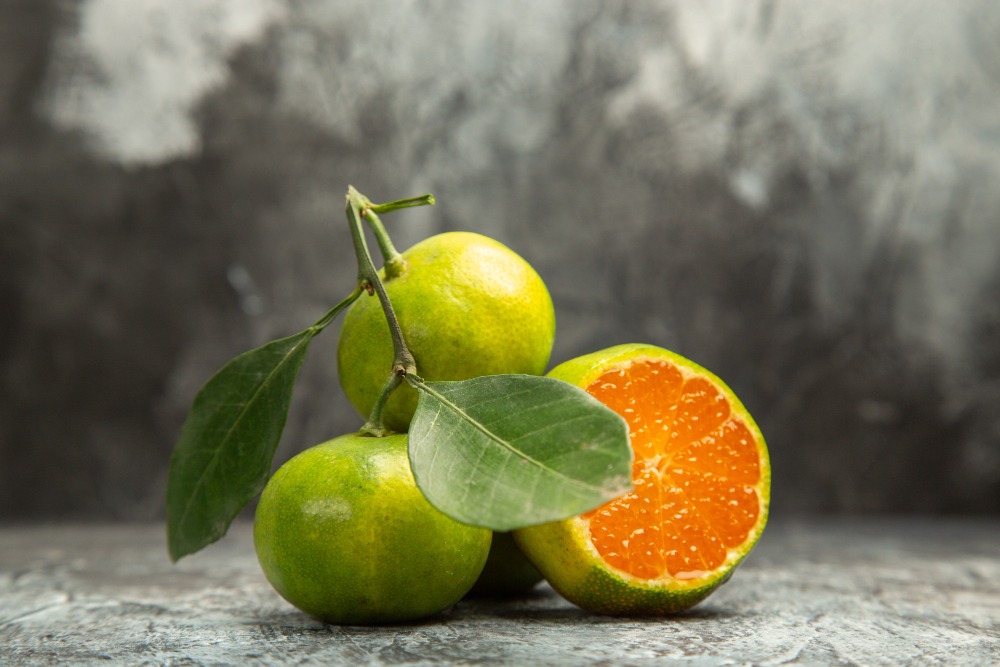
Bitter orange, scientifically known as Citrus aurantium and also called sour orange or Seville orange, is a citrus fruit native to Asia. The plant contains multiple alkaloids concentrated primarily in the peel and unripe fruit, making these sources the basis for commercial extracts.
Active Alkaloid Composition
Bitter orange contains several protoalkaloids (alkaloid precursors):
- P-synephrine: 3-6% in dried peel; 3-8% in standardized extract powders (the primary active compound)
- N-methyltyramine: 0.3-1% in dried peel
- Octopamine: Trace to 0.5%
- Hordenine: Trace amounts
- Synephrine isomers: m-synephrine (meta), norsynephrine, and others in small quantities
P-synephrine (para-synephrine) is the dominant alkaloid and the compound most studied for efficacy and safety. Unlike ephedrine (which was banned by the FDA in 2004), p-synephrine shows significantly different biochemistry and safety profile at standard doses.
Why the Ephedrine Comparison?
Bitter orange sometimes gets compared to ephedra because p-synephrine has structural similarity to ephedrine. However, mechanistic studies demonstrate that p-synephrine binds to adrenergic receptors differently than ephedrine and doesn’t produce the same cardiovascular stimulation at dietary supplement doses. This distinction is critical for regulatory and marketing clarity.
Bitter Orange Extracts: Forms and Standardization
Bitter orange is commercially available in multiple forms, each with distinct applications, standardization levels, and stability characteristics.
Extract Forms
Powder Extract (Standardized)
Most common form: 3-8% p-synephrine, spray-dried or fluid-bed dried Appearance: tan to brown powder Solubility: Dispersible in water; requires mixing Typical dose: 200-500 mg per serving (50-400 mg p-synephrine) Applications: Capsules, tablets, bulk powder supplements Shelf life: 24-36 months in proper storage Advantage: Consistent potency, easy formulation, cost-effective
Liquid Extract
Concentration: 3-8% p-synephrine in ethanol or glycerin base Appearance: Dark brown liquid Dosing: 0.5-2 mL per serving Applications: Liquid supplements, tinctures, functional beverages Shelf life: 24+ months Advantage: Rapid absorption, easy blending, no excipients needed
Essential Oil
Extracted from peel via steam distillation Composition: Volatile compounds (limonene ~95%), trace alkaloids Applications: Aromatherapy, cosmetics, fragrance, flavoring Shelf life: 12-24 months in cool, dark storage Advantage: Aromatic benefit alongside trace active compounds
Whole Fruit Powder
Ground whole bitter orange fruit including peel Concentration: 0.5-2% p-synephrine (less standardized than extracts) Applications: Culinary use, marmalade, baking, traditional herbal medicine Shelf life: 12 months Advantage: “Whole fruit” marketing appeal; contains fiber and other fruit components
Standardized Pure Synephrine
Isolated p-synephrine compound: 95-99% purity White crystalline powder Dosing: 10-50 mg per serving Applications: Research, precise formulations, clinical trials Shelf life: 36+ months Advantage: Precise dosing, no extraction variability
Bitter Orange Uses: Industrial Applications
Dietary Supplements and Weight Management
Weight loss and metabolism support: Bitter orange extract (40-98 mg p-synephrine) combined with caffeine, green tea extract, or other thermogenic compounds Energy and focus: Standalone or combined with other nootropics Athletic performance: Pre-workout formulations and sports supplements Appetite support: Combined with glucomannan, conjugated linoleic acid (CLA), or other satiety agents
Mechanism: P-synephrine activates beta-3 adrenergic receptors, promoting lipolysis (fat breakdown) and increasing thermogenesis (heat production). Effects are modest but measurable at standardized doses.
Skincare and Cosmetics
Topical formulations for localized fat reduction and skin toning: Bitter orange extract combined with caffeine, niacinamide, or retinol Anti-inflammatory and antioxidant skincare: Extract in serums, creams, and facial masks Cellulite reduction products: Limonene (from peel) combined with other cellulite-fighting ingredients Fragrance and scent compounds: Essential oil in perfumes, colognes, and body care products
The limonene in bitter orange has demonstrated mild lipolytic activity in skin tissue when applied topically, particularly when combined with caffeine. Anti-inflammatory compounds also support skin health.
Food and Beverage Applications
Flavor enhancement: Dried peel or extract in marmalade, jams, confectionery, and baked goods Functional beverages: Extract in energy drinks, sports drinks, and weight management shakes Natural bitters: Essential oil or extract in alcoholic and non-alcoholic beverages Food coloring: Slight orange pigment from peel extract (mild, not suitable as primary colorant)
Aromatherapy and Essential Oils
Stress reduction and mood support: Inhalation of essential oil vapor Digestive support: Traditional use, though scientific evidence is limited Perfumery and fragrance: Component in colognes, room sprays, diffusers
Pharmaceutical and Nutraceutical
Research and clinical applications: Standardized extracts in controlled dosage formulations Combination products: Bitter orange in multi-ingredient formulas for metabolism, energy, and focus
Bitter Orange Extract Benefits: What the Science Shows
Understanding actual benefits requires distinguishing clinical evidence from marketing claims.
Weight Management and Metabolism
P-synephrine increases resting metabolic rate by approximately 3-5% at standard doses (50-98 mg) Modest appetite suppression observed in some studies, primarily at higher doses Lipolysis (fat breakdown) is enhanced, particularly in combination with caffeine Overall weight loss across studies is modest (1-3 kg over 8-12 weeks) and often from combination products, not bitter orange alone
Energy and Mental Focus
P-synephrine is not a stimulant at standard doses; does not produce jitteriness or anxiety Mild energy enhancement observed, attributed to modest increase in thermogenesis and catecholamine activity Cognitive enhancement claims lack strong supporting evidence Athletic performance: Mixed results; modest improvements in some studies, no benefit in others
Cardiovascular Safety
30+ human studies show p-synephrine at standard doses does not increase heart rate, blood pressure, or QT interval Does not produce arrhythmias or other cardiac complications at dietary supplement doses (50-98 mg) Beta-3 receptor selectivity (preferential to fat cells) differs from ephedrine’s beta-1 and beta-2 effects on heart and smooth muscle
Digestive and Anti-Inflammatory
Traditional use for digestive support, but limited modern clinical evidence Antimicrobial and antifungal properties demonstrated in laboratory studies Anti-inflammatory compounds present, but systemic absorption and clinical effects unclear More research needed for definitive claims
Regulatory Status and Considerations Across Markets
Regulatory approval and restrictions for bitter orange vary significantly by region and product category.
United States
Status: Recognized as a dietary supplement ingredient; not banned by FDA Regulation: Falls under Dietary Supplement Health and Education Act (DSHEA) Labeling requirements: Must declare p-synephrine content on supplement facts panel if standardized Safety history: NCCIH and FDA have not issued warnings for use at standard doses Adverse events: Rare at recommended doses; reported cases typically involved high doses or contraindicated populations (hypertension, arrhythmia) Marketing: Cannot make disease claims (e.g., “treats obesity”); can make structure-function claims (e.g., “supports metabolic rate”)
European Union
Status: Approved as a food additive and herbal ingredient Regulation: Falls under EU Herbal Medicines Directive and food additive regulations Standardization: Extracts must be standardized to declared alkaloid content Labeling: Must declare p-synephrine content; warning labels required for cardiovascular contraindications Maximum doses: Typically 50-98 mg p-synephrine per day recommended Marketing: Permitted health claims regarding energy and metabolism (within EU regulatory framework)
Canada
Status: Regulated as a natural health product NPN (Natural Product Number) required for market approval Standardization: Extract must meet standardized alkaloid specifications Dosage limits: 50-98 mg p-synephrine per daily dose recommended
Australia
Status: Listed on ARTG (Australian Register of Therapeutic Goods) as a listed medicine TGA (Therapeutic Goods Administration) oversight Standardized products only; whole fruit preparations require higher scrutiny Labeling: Warning labels for cardiovascular contraindications required
India
Status: Recognized in traditional Ayurvedic medicine; modern manufacturing regulated AYUSH (Ministry of Ayurveda, Yoga & Naturopathy, Unani, Siddha and Homoeopathy) oversight Limited standardized extract market; whole fruit or traditional preparations more common
Global Summary
Approved/Available: US, EU, Canada, Australia, India, most countries with supplement regulations Restricted: Some specific product forms or high-dose formulations in certain regions Banned: Only in sports settings (NCAA bans synephrine for collegiate athletes)
Safety Profile and Contraindications
Bitter orange is generally safe at standard doses, but specific populations should avoid it.
Safe Dosing
Standard recommendation: 50-98 mg p-synephrine daily Divided doses: 25-50 mg, 2-3 times daily (with meals to reduce GI irritation) Duration: Limited data beyond 12 weeks; longer-term safety not well-established Combination products: Account for p-synephrine from all sources when calculating total daily intake
Contraindications (Avoid Bitter Orange)
Hypertension (high blood pressure): P-synephrine can elevate blood pressure Cardiac arrhythmia (irregular heartbeat): Risk of exacerbation Hyperthyroidism: Thyroid patients should avoid beta-adrenergic stimulation Narrow-angle glaucoma: P-synephrine can increase intraocular pressure Anxiety disorders: Potential for exacerbation at higher doses Diabetes: May affect blood glucose management Pregnancy and lactation: Insufficient safety data; avoid
Adverse Effects (Rare at Standard Doses)
Mild gastrointestinal upset: Nausea, stomach irritation (more common at higher doses) Tremor or jitteriness: Typically only at high doses or in sensitive individuals Headache or dizziness: Uncommon at standard doses Insomnia: If taken late in day due to mild stimulant-adjacent effects
Drug Interactions
Synephrine may interact with sympathomimetic drugs (decongestants, stimulants) Monoamine oxidase inhibitors (MAOIs): Avoid; potential for serious interaction Appetite suppressants: Additive effects, avoid combination Blood pressure medications: May reduce efficacy; requires medical supervision
Sourcing and Quality Specifications for Formulators
When selecting bitter orange extract for formulation:
Quality Markers
P-synephrine content: ≥3% minimum (preferably 4-8% for standardized extracts) Total alkaloid content: ≥5-6% (confirms extract quality and potency) Identity verification: HPLC or LC-MS confirmation of alkaloid profile Microbial testing: <1000 CFU/g bacteria, <100 CFU/g mold, <10 CFU/g pathogens Heavy metal limits: Pb <0.1 ppm, As <0.05 ppm, Cd <0.05 ppm, Hg <0.01 ppm Solvent residues: If ethanol extracted, <0.5% ethanol remaining Batch consistency: Coefficient of variation <5% for p-synephrine across lots
Supplier Selection
Choose suppliers providing:
- Full chromatography data (HPLC/LC-MS) confirming alkaloid profile
- Certificate of analysis for each lot
- Third-party testing documentation
- Compliance certifications (GMP, ISO 17025, etc.)
- Technical support for formulation optimization
- Regulatory guidance for target markets
Form Selection for Formulation
Powder extract: Best for capsules, tablets, bulk powders; cost-effective; stable Liquid extract: Best for beverages, liquid supplements, tinctures; faster absorption; more complex logistics Essential oil: Best for aromatherapy, cosmetics, fragrance; aromatic benefit; limited alkaloid concentration
Formulation Considerations
Synergy and Combination Products
Bitter orange + caffeine: Synergistic thermogenic effect; enhanced energy and fat loss Bitter orange + green tea extract: Combined polyphenols for antioxidant and weight management benefit Bitter orange + L-carnitine: Enhanced fat mobilization Bitter orange + conjugated linoleic acid (CLA): Complementary appetite and metabolism support Bitter orange + capsaicin: Additional thermogenic boost
Combined formulations typically show better results than bitter orange alone.
pH and Stability
P-synephrine is most stable at pH 5-7 Acidic formulations (<pH 4) can cause degradation Protect from heat (>40°C accelerates breakdown) Light protection: Use opaque packaging or amber bottles Shelf life expectation: 24-36 months in proper storage
Dosage Standardization
If using standardized extract (5% p-synephrine): 500 mg extract = 25 mg p-synephrine If using concentrated liquid (8% p-synephrine): 12.5 mL = 100 mg p-synephrine Account for p-synephrine from all sources in combination products Dosing instructions should clearly state total p-synephrine per serving
Regulatory Compliance and Marketing Strategy
Documentation Required
- Source material identification and supplier information
- Extraction method and parameters
- Standardization specifications (p-synephrine %)
- Stability data under normal storage conditions
- Third-party testing results
- Safety and adverse event monitoring data
Claim Substantiation
Weight management claims: “Supports metabolic rate” or “supports energy expenditure” (structure-function) NOT “Burns fat” or “Promotes weight loss” (disease claims, regulatory violation) Energy claims: “Supports energy and mental focus” (acceptable) Performance claims: “Supports athletic performance” or “supports endurance” (acceptable in most markets)
Labeling Requirements
Ingredient declaration: “Bitter Orange Fruit Extract (standardized to X% p-synephrine)” Supplement facts: Declare p-synephrine amount in mg per serving Warning label: “Caution: Not recommended for individuals with hypertension, heart conditions, thyroid disease, or taking sympathomimetic drugs” Allergen statement: May contain tree nuts/citrus Contraindication statement: Pregnancy/nursing warning
Conclusion
Bitter orange uses span supplements, cosmetics, food, and beverages, with p-synephrine as the primary active compound driving thermogenic and metabolic effects. The ingredient is safe at standard doses (50-98 mg p-synephrine daily) and well-tolerated by most populations when used appropriately.
For manufacturers formulating with bitter orange, understanding extraction methods, standardization requirements, stability parameters, and target market regulations determines success. Combination products show superior results to standalone formulations. Third-party testing and complete regulatory documentation are non-negotiable for responsible market entry.
For food and supplement companies sourcing bitter orange extract, Elchemy provides standardized extracts (3-8% p-synephrine), regulatory guidance for multiple markets, and technical support for formulation optimization across supplement, cosmetic, and food applications.