

At a Glance:
- Neroli comes from steam distillation of bitter orange flowers — orange blossom is the solvent-extracted absolute from the same flowers
- Both products originate from Citrus aurantium (bitter orange) blossoms, not sweet orange flowers
- Neroli oil yields 0.05–0.1% from fresh flowers — takes 1,000 kg flowers to produce 1 kg oil
- Orange blossom absolute yields 0.15–0.2% — slightly higher extraction but different chemical profile
- Neroli contains more linalool and linalyl acetate — lighter, fresher, more volatile top notes
- Orange blossom absolute has higher indole and methyl anthranilate — deeper, richer, longer-lasting base
- Both show anxiolytic and sedative properties in clinical aromatherapy studies
- Neroli costs $80–150 per 10ml retail — orange blossom absolute runs $60–120 per 10ml
A Mumbai aromatherapist was making a custom blend for a client to help them with their anxiety. She went for her neroli oil and then saw an orange blossom absolute on the shelf. They both came from the same flower, smelled the same, and were supposed to help with stress. She thought about whether they could be used in place of each other.
After looking into the differences in extraction and trying both in formulations, she realized that neroli worked better for her client’s acute panic attacks and orange blossom absolute worked better for someone who needed long-term emotional support. Same flower, but the way it is extracted and how it helps are different.
In aromatherapy training, the question “Is neroli the same as orange blossom?” comes up all the time. The short answer is no, they are different products that come from the same plant.
Is Neroli the Same as Orange Blossom?
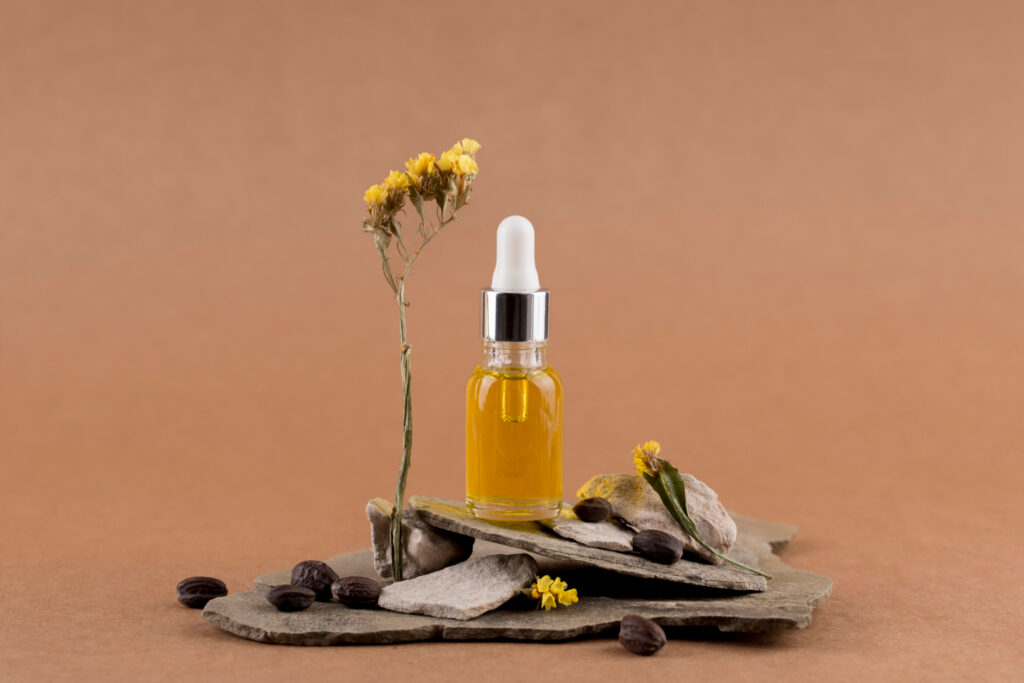
Well, not exactly as The bitter orange tree, or Citrus aurantium, is where both come from. But the way tte extraction is done makes two different materials with different chemical profiles and properties.
Steam distillation is used to make neroli. You put fresh flowers in a distillation machine. Steam goes through them, picks up volatile compounds, and then turns back into water. The end result is an essential oil that is pale yellow and floats on water.
To make orange blossom absolute, you use solvent extraction. Hexane or other solvents that dissolve more compounds, including heavier molecules, are used to wash the flowers. When the solvent dries, you get a thick, dark orange paste that looks like concrete. When you wash this with alcohol, it pulls out the absolute, which is a thick, dark orange-brown liquid.
Same Source, Different Processing
It’s like getting juice and zest from the same orange. The source is the same, but the way you get it out is different. Steam distillation gets rid of lighter, more unstable compounds. Solvent extraction pulls out a wider range of molecules, including heavier ones that don’t easily turn into gas.
This difference in processing changes everything: the smell, the chemicals in it, how long it lasts on the skin, and the health benefits it has.
Key differences at a glance:
- Extraction: neroli uses steam distillation, orange blossom uses solvent extraction
- Appearance: neroli is pale yellow and thin, orange blossom is dark orange-brown and thick
- Scent: neroli is lighter and fresher, orange blossom is richer and more indolic
- Volatility: neroli evaporates faster (top note), orange blossom lasts longer (base note)
- Yield: neroli gives 0.05–0.1%, orange blossom gives 0.15–0.2%
- Price: neroli costs slightly more per ml due to lower yield and higher demand
| Aspect | Neroli | Orange Blossom Absolute |
| Botanical source | Citrus aurantium flowers | Citrus aurantium flowers |
| Extraction method | Steam distillation | Solvent extraction |
| Appearance | Pale yellow, thin | Dark orange-brown, viscous |
| Yield from flowers | 0.05–0.1% | 0.15–0.2% |
| Perfume classification | Top to middle note | Middle to base note |
| Shelf life | 2–3 years | 4–5 years |
Neroli vs Orange Blossom: Chemical Composition
What’s Actually in Each Oil
The chemicals that make up these oils decide how they smell and what health benefits they have. Different molecules are pulled out by steam distillation and solvent extraction.
Neroli oil has a lot of linalool (30–45%) and linalyl acetate (8–15%). These are lighter alcohols and esters that smell fresh, flowery, and a little bit like citrus. They also evaporate quickly. You also get limonene, alpha-pinene, and beta-pinene, which are terpenes that make things brighter.
These compounds are also in orange blossom absolute, but in different amounts. It has more methyl anthranilate (2–5%), which gives it a sweet, grape-like flavor. More indole (1–3%) gives it that deep, slightly animalic, very floral quality. Adding more phenylethyl alcohol gives it a rose-like smell.
Why These Compounds Matter
Linalool shows up in dozens of studies for its calming effects. It reduces stress markers in both animal and human trials. Linalyl acetate adds to this sedative effect. Both are major components in neroli, making it particularly good for acute anxiety.
Indole has different properties. It’s intensely aromatic at low concentrations — just a tiny bit creates powerful floral notes. At higher levels it becomes unpleasant. Orange blossom absolute’s indole content gives it that rich, complex, almost narcotic floral depth that neroli lacks.
Main chemical components:
- Neroli: linalool (30–45%), linalyl acetate (8–15%), limonene (6–12%), alpha-pinene (4–8%)
- Orange blossom: linalool (20–30%), methyl anthranilate (2–5%), indole (1–3%), phenylethyl alcohol (3–7%)
- Shared compounds: both contain linalool, geraniol, nerolidol, farnesol
- Unique to neroli: higher terpene content, more citrus-like aldehydes
- Unique to orange blossom: higher indole, anthranilate esters, heavier alcohols
| Compound | Neroli (%) | Orange Blossom (%) |
| Linalool | 30–45 | 20–30 |
| Linalyl acetate | 8–15 | 5–10 |
| Limonene | 6–12 | 2–5 |
| Methyl anthranilate | <1 | 2–5 |
| Indole | <0.5 | 1–3 |
| Phenylethyl alcohol | 1–3 | 3–7 |
Therapeutic Properties and Clinical Uses
Sleep and Relaxation
The sedative effects of both oils make them popular for sleep issues. Neroli shows particular promise. A Japanese study found that inhaling neroli oil increased parasympathetic nervous system activity — the relaxation response. Heart rate variability improved, indicating better stress recovery.
Orange blossom absolute appears in many traditional sleep remedies. The richer, heavier scent creates a sense of comfort and security. It’s less about immediate sedation and more about creating emotional conditions for restful sleep.
Therapeutic applications:
- Acute anxiety relief: neroli (2–3 drops in diffuser or inhaler)
- Panic attacks: neroli (1 drop on tissue, inhale deeply)
- Sleep preparation: orange blossom (1–2 drops in evening bath)
- Emotional trauma work: orange blossom (diluted in massage oil at 1–2%)
- Depression support: combination of both (neroli for uplift, orange blossom for grounding)
- Meditation: orange blossom (deeper, longer-lasting presence)
Skin Care Applications
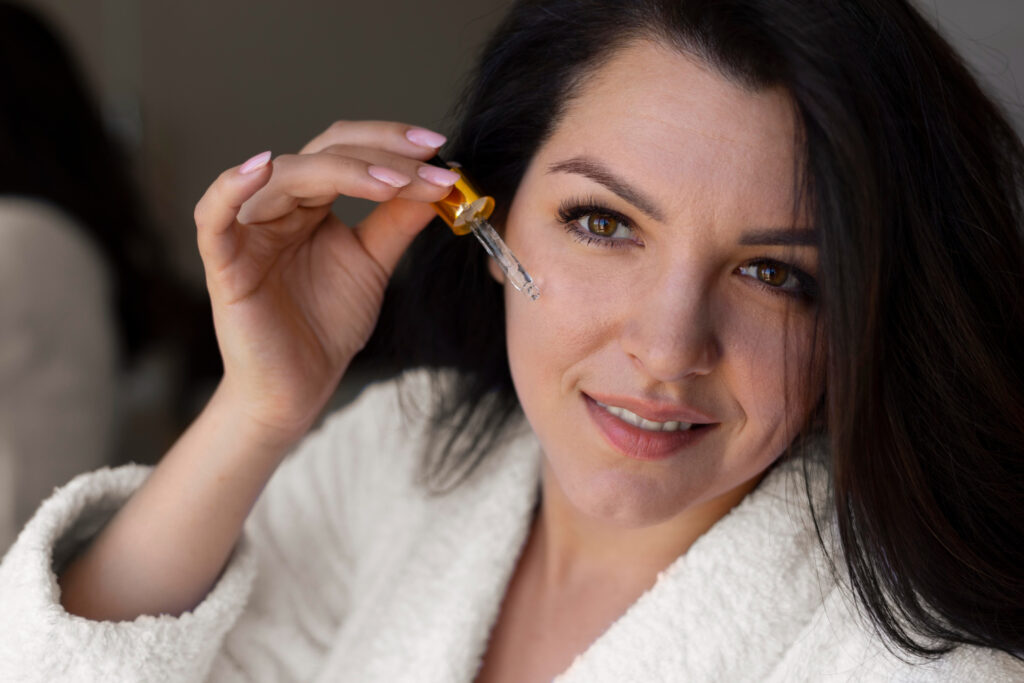
Both oils show up in cosmetic formulations for skin benefits. Neroli has regenerative properties. Studies suggest it promotes skin cell turnover and helps with scarring. The high linalool content has mild antimicrobial effects useful in acne-prone skin.
Orange blossom absolute is prized in high-end skin care for mature skin. The richer composition of alcohols and esters provides deeper moisturization. It appears in facial serums, night creams, and anti-aging products. The intoxicating scent is a bonus.
For practical use, neroli works better in water-based products since it’s more hydrophilic. Orange blossom absolute blends better into oil-based formulations. Both need dilution — direct application can sensitize skin.
| Therapeutic Use | Best Choice | Why |
| Acute anxiety/panic | Neroli | Fast-acting, lighter molecules |
| Chronic stress | Orange blossom | Deeper, lasting effect |
| Sleep onset | Neroli | Quick sedative response |
| Sleep maintenance | Orange blossom | Longer-lasting presence |
| Skin regeneration | Neroli | Higher linalool content |
| Mature skin care | Orange blossom | Richer moisturizing profile |
Practical Application and Blending
Dilution & Safety
Both neroli and orange blossom are generally pretty safe when you’re diluting them right. But remember to never put undiluted essential oils or absolutes on your skin – they’re way too strong. When it comes to using them on your face, a 0.5 to 1% dilution is usually plenty. For body work – like massage, a 1 to 2% dilution is a good starting point.
To make a 1% dilution: you’ll need to add about 6 drops of oil to a 30ml of carrier oil. For a 2% dilution double that and add 12 drops per 30ml. Start with the lower amount and only go up if you find you need a stronger one.
Blending with Other Oils
Getting a feel for the difference between neroli and orange blossom really helps when it comes to blending them with other oils. Neroli is pretty light and works well with other citrus oils, lavender and woody scents like sandalwood – it really adds a nice freshness without overpowering anything.
Orange blossom absolute on the other hand needs a bit more care when it comes to blending. Because its so strong, just a tiny bit goes a long way – often only 2 to 5% of the whole blend. It pairs really well with jasmine, rose otto and vanilla though – the rich, deeper notes actually complement the absolute really well.
Blending suggestions:
- Anxiety blend (neroli-based): 4 drops neroli, 3 drops lavender, 2 drops bergamot, 1 drop vetiver
- Deep relaxation (orange blossom): 2 drops orange blossom, 3 drops sandalwood, 2 drops frankincense
- Sleep blend: 3 drops neroli, 1 drop orange blossom, 3 drops Roman chamomile
- Uplifting blend: 5 drops neroli, 2 drops sweet orange, 2 drops ylang ylang
- Meditation blend: 2 drops orange blossom, 3 drops frankincense, 1 drop myrrh
| Method | Neroli Amount | Orange Blossom Amount | Notes |
| Diffuser | 3–5 drops | 1–2 drops | Use less orange blossom |
| Personal inhaler | 8–10 drops | 5–6 drops | On cotton wick |
| Bath | 5–8 drops | 3–5 drops | Mix with milk first |
| Massage oil (30ml) | 9–12 drops (1.5–2%) | 6–9 drops (1–1.5%) | In carrier oil |
| Facial serum (30ml) | 3–6 drops (0.5–1%) | 3–6 drops (0.5–1%) | Low dilution for face |
Conclusion
So when you’re pitting Neroli against Orange Blossom, it’s not about deciding which one is the clear winner but about understanding the unique qualities of each and choosing the one that’s going to suit your needs best. Neroli really brings a burst of brightness, a quick pick-me-up, and some pretty speedy anxiety-reducing effects thanks to its high levels of linalool. Orange Blossom on the other hand brings a much deeper level of depth, a strong sense of emotional grounding, and a longer-lasting therapeutic presence , all thanks to the richer and more complex mix of chemicals in there, like indoles & anthranilates.
If you’re looking to get your hands on both of these beauties, Elchemy can connect you with some reliable suppliers who source Neroli essential oil and Orange Blossom absolute from places like Tunisia, Morocco & France. These suppliers come through good and true, providing all the paperwork you need to feel confident you’re getting the real deal – that’s GC-MS analysis, botanical verification, and all the details on how the essential oils are extracted, all wrapped up in one neat package.