

At a Glance
- Raspberry seed oil contains highest alpha-linolenic acid concentration of any fruit seed oil for anti-inflammatory benefits
- Cold-pressed extraction preserves vitamins A and E, ellagic acid, phytosterols, and essential fatty acids
- Natural UV absorption properties compare to SPF 28-50 though not tested as standalone sunscreen replacement
- Non-comedogenic lightweight texture suits all skin types including acne-prone and sensitive complexions
- Clean beauty formulations use 1-100% concentration in serums, cleansers, lotions, and sun care products
- Two-year shelf life with proper storage makes it viable for commercial product development
Pull any trendy serum off the shelf lately and you’ve probably noticed ingredient lists getting shorter. Three ingredients instead of thirty. Names you can actually pronounce. That’s clean beauty in action, and raspberry seed oil fits right into this movement.
This tiny seed produces an oil packed with more beneficial compounds than most people realize. We’re talking omega fatty acids, vitamins, antioxidants, all extracted through cold pressing that keeps everything intact. Formulators love it because it delivers real results without synthetic additives. Consumers love it because they recognize the ingredient. Understanding raspberry seed oil benefits helps beauty brands, formulators, and ingredient buyers position products in the growing natural skincare market where transparency and efficacy both matter.
Raspberry Seed Oil Benefits: What Makes It Special
The chemistry behind raspberry seed oil explains why it works so well in personal care formulations. Cold-pressing the seeds of Rubus idaeus (red raspberries) produces an oil that’s naturally rich in compounds your skin actually needs.
Core beneficial components:
- Alpha-linolenic acid (omega-3): Highest concentration of any fruit seed oil, reduces inflammation
- Linoleic acid (omega-6): Up to 80% omega content, regulates sebum production
- Vitamin E (tocopherols): Powerful antioxidant, protects against oxidative damage
- Vitamin A (carotenoids): Promotes skin cell regeneration, improves texture
- Ellagic acid: Unique antioxidant that prevents tissue damage and inflammation
- Phytosterols: Reduce transepidermal water loss, repair damaged skin barrier
- Oleic acid: Assists wound healing and skin barrier repair
The combination creates what researchers call a “bioactive” oil. Each component contributes to skin health through different mechanisms. Vitamin E fights free radicals. Alpha-linolenic acid calms inflammation. Phytosterols lock in moisture. They work together rather than in isolation.
Research published in scientific journals confirms these aren’t marketing claims. Studies document raspberry seed oil’s ability to absorb UV radiation, reduce oxidative stress, and improve skin hydration measurably. A 2000 study by Oomah found UV absorption similar to sunscreen with SPF 28-40, though this hasn’t been verified through official SPF testing protocols.
Raspberry Seed Oil Benefits for Skin: Evidence-Based Results
Different skin concerns respond to different components in raspberry seed oil. The multi-functional nature means one ingredient addresses several issues simultaneously.
Anti-Aging and Collagen Support
Vitamins A and E work together to slow visible aging. Vitamin A (retinol in plant form) encourages healthy skin cell turnover. Old damaged cells shed faster. New cells generate quicker. This process smooths texture and reduces fine line appearance.
Vitamin E protects existing collagen from breaking down. Collagen gives skin its structure and firmness. As we age, collagen production drops while breakdown accelerates. Antioxidants like vitamin E slow this degradation. Studies show people with higher antioxidant levels have fewer and less pronounced wrinkles.
The ellagic acid in raspberry seed oil adds another layer of protection. Research demonstrates it reduces collagen destruction and protects against UV damage. This dual action makes raspberry seed oil particularly valuable in anti-aging formulations targeting multiple pathways.
Deep Hydration Without Heaviness
Dry skin often resists heavy oils that sit on the surface feeling greasy. Raspberry seed oil solves this problem through its unique absorption profile. It’s classified as a light to medium absorption oil, meaning it penetrates without leaving heavy residue.
Hydration mechanisms:
- Phytosterols create a nano-lipid layer sealing moisture into skin
- Essential fatty acids supplement skin’s natural lipid barrier
- Lightweight texture allows layering with other products
- Non-comedogenic properties prevent pore clogging even with regular use
The phytosterol content deserves special attention. These plant compounds reduce transepidermal water loss (TEWL), the measurement of how quickly moisture evaporates from skin. Lower TEWL equals better hydration that lasts throughout the day. Clinical measurements show raspberry seed oil improves TEWL readings significantly.
Anti-Inflammatory Properties for Sensitive Skin
Alpha-linolenic acid gives raspberry seed oil its anti-inflammatory punch. Inflammation underlies many skin problems including acne, rosacea, eczema, and psoriasis. It also accelerates aging by breaking down collagen and elastin.
The oil works by reducing inflammatory markers in skin cells. This calms redness, reduces swelling, and soothes irritation. People with inflammatory skin conditions often see improvement with consistent topical application. The effect isn’t immediate but builds over weeks of regular use.
Research specifically documents benefits for eczema and psoriasis. These conditions involve chronic inflammation disrupting the skin barrier. The combination of anti-inflammatory fatty acids plus barrier-repairing phytosterols addresses both underlying inflammation and resulting damage.
Acne Management Through Sebum Regulation
Sounds counterproductive to put oil on acne-prone skin. But linoleic acid actually helps balance oil production. Skin that’s deficient in linoleic acid often overcompensates by producing excess sebum. Supplementing through topical application normalizes this.
The ellagic acid content adds antibacterial properties. It inhibits growth of acne-causing bacteria without the harshness of benzoyl peroxide or salicylic acid. This makes raspberry seed oil suitable for people who find traditional acne treatments too drying or irritating.
The non-comedogenic rating confirms it won’t clog pores. Laboratory testing shows raspberry seed oil doesn’t block pores even with heavy application. This combination of sebum regulation, antibacterial action, and non-clogging properties makes it valuable in natural acne formulations.
Innovation Applications in Clean Beauty Products
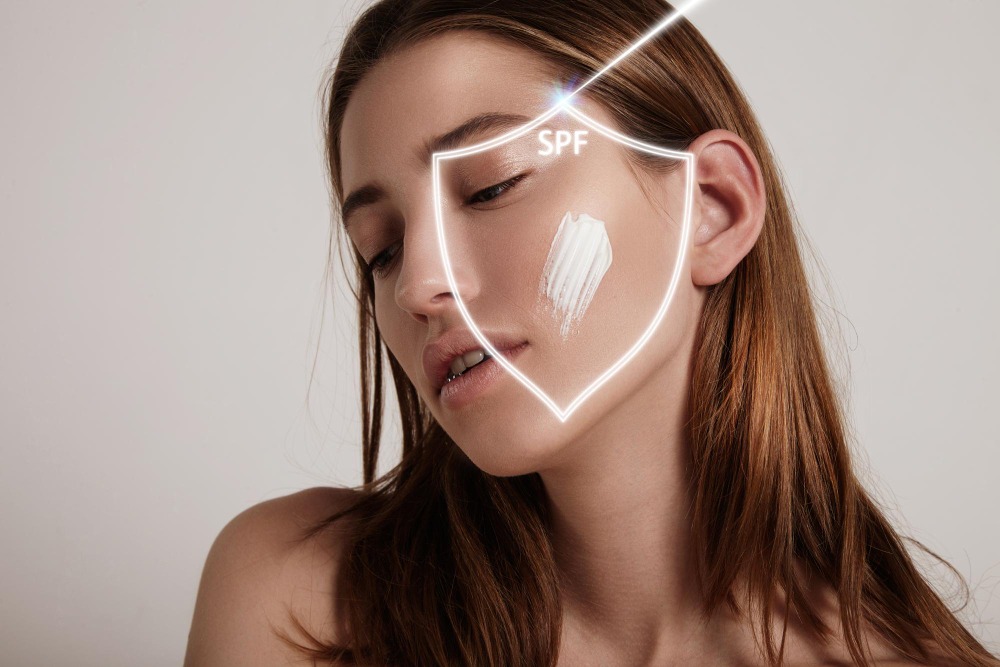
Formulators incorporate raspberry seed oil across product categories, adjusting concentration and combination with other ingredients based on desired outcomes.
| Product Type | Typical Concentration | Primary Function | Formulation Benefits |
| Facial serums | 10-50% | Intensive treatment delivery | Lightweight penetration, high active content |
| Face oils | 20-100% | Pure oil or blend base | Showcases oil benefits, layerable texture |
| Cleansers | 5-30% | Gentle makeup dissolution | Non-stripping, leaves protective layer |
| Moisturizers | 3-15% | Hydration enhancement | Complements emulsion, improves feel |
| Sun care | 5-20% | UV absorption boost | Natural SPF enhancement, antioxidant layer |
| Body lotions | 5-15% | Skin softening, moisture | Cost-effective for large format products |
| Anti-aging treatments | 15-40% | Targeted wrinkle reduction | High antioxidant delivery, collagen support |
| Eye creams | 5-20% | Delicate area care | Gentle enough for sensitive eye area |
Oil Cleansers: The Double Cleanse Revolution
Clean beauty embraced oil cleansing as a gentler alternative to foaming surfactants. Raspberry seed oil works perfectly here. It dissolves makeup and sunscreen (oil dissolves oil) while delivering skin benefits during the cleansing process.
The lightweight texture rinses clean without leaving heavy residue. Many oil cleansers feel great going on but require extensive rinsing. Raspberry seed oil emulsifies nicely with water, transitioning to a milky texture that rinses away easily. This makes it suitable for daily double cleansing routines.
Formulators often blend it with other oils targeting specific needs. Combining raspberry seed oil with jojoba mimics sebum for balanced cleansing. Pairing it with rosehip seed oil enhances anti-aging benefits. The versatility allows custom formulations for different skin types.
Serums: Concentrated Active Delivery
Face serums demand ingredients that penetrate and perform. Raspberry seed oil’s medium absorption rate positions it perfectly. It’s not so light that it evaporates before delivering actives. Not so heavy that it sits on the surface.
High-end serums use 30-50% raspberry seed oil as the base carrier. This concentration delivers substantial amounts of vitamins and fatty acids. Additional active ingredients like vitamin C or peptides blend into the oil matrix. The result is a treatment product that feels luxurious while delivering clinical-level ingredients.
The natural golden-orange color from carotenoids gives serums an appealing visual appearance. Consumers associate the color with natural ingredients and efficacy. Some brands highlight this as “nature’s glow in a bottle” in marketing materials.
Sun Care: Natural UV Protection Layer
Here’s where things get interesting but require careful messaging. Raspberry seed oil does absorb UV radiation. Studies confirm this. But it hasn’t undergone official SPF testing required for sunscreen claims. The FDA has strict rules here.
Smart formulations use raspberry seed oil as an additional protective layer rather than primary sun defense. Apply the oil under or mixed with actual SPF-rated sunscreen. This approach provides:
- Antioxidant protection against UV-induced free radicals
- Additional UV absorption as supplementary defense
- Skin conditioning that improves sunscreen application
- Post-sun repair from anti-inflammatory and healing compounds
Some brands market this as “sun care” rather than “sunscreen,” navigating regulatory requirements while emphasizing protective benefits. The distinction matters legally but the skin still benefits from the added protection layer.
Why Clean Beauty Brands Choose Raspberry Seed Oil
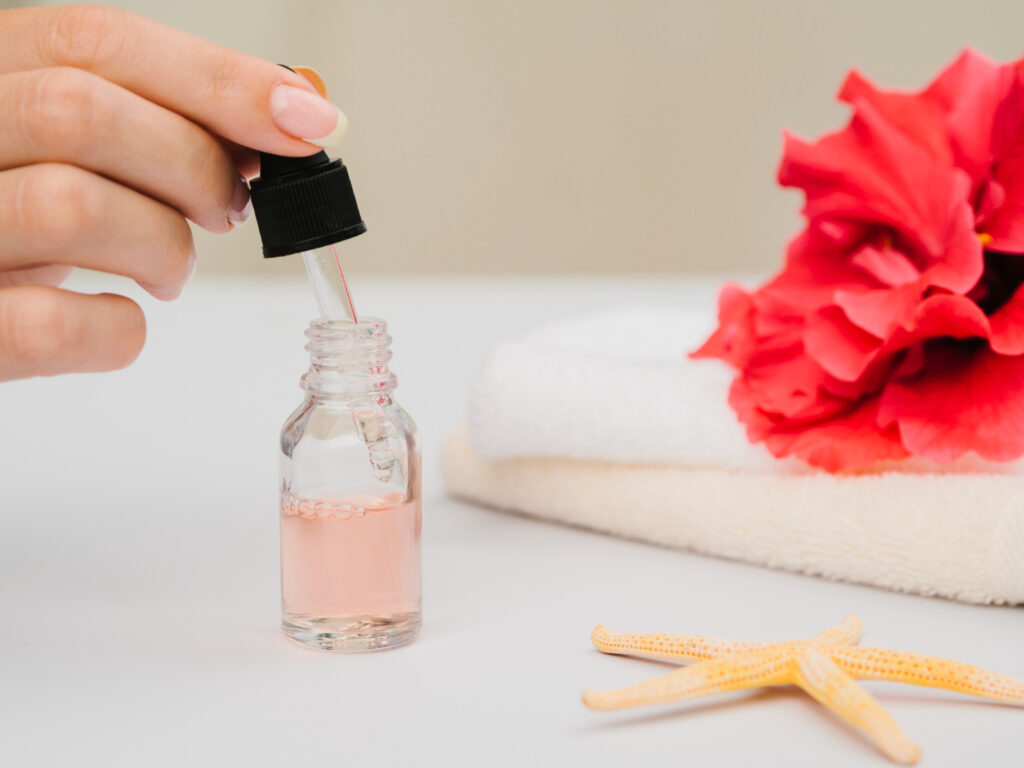
The ingredient checks multiple boxes that clean beauty consumers and formulators prioritize.
Clean beauty credentials:
- Cold-pressed extraction preserves nutrients without chemical processing
- Single-ingredient sourcing (just raspberry seeds, nothing else)
- Vegan and cruelty-free by nature
- Biodegradable with low environmental impact
- Recognizable name consumers understand without chemistry degrees
- Often available with organic certification
- No need for synthetic preservatives in pure oil form
- Transparent supply chain from farm to formulation
The cold-pressing process deserves emphasis. Seeds are mechanically pressed at temperatures below 50°C. No hexane extraction, no chemical solvents, no high heat degrading beneficial compounds. What comes out is pure seed oil with all its natural components intact.
This processing aligns with clean beauty philosophy emphasizing minimal processing and maximum nutritional value. It’s the botanical oil equivalent of eating whole foods versus processed foods.
Formulation advantages:
Beyond marketing benefits, raspberry seed oil offers practical formulation advantages. The two-year shelf life provides adequate time for product development, manufacturing, distribution, and consumer use. Adding vitamin E (tocopherol) extends stability further.
It blends well with other popular clean beauty ingredients. Pairs nicely with hyaluronic acid in serums. Works in emulsions with aloe and plant extracts. Compatible with essential oils for added fragrance and benefits. This versatility simplifies formulation work.
The ingredient cost positions it in the premium but accessible range. More affordable than argan or marula oil. More expensive than basic carrier oils like sweet almond. This pricing supports premium positioning without reaching luxury price points that limit market size.
Sourcing and Quality Considerations
Not all raspberry seed oil is created equal. Quality varies based on source berries, extraction methods, and handling.
Quality indicators:
- Cold-pressed processing confirmed by supplier documentation
- Deep golden-orange color (pale yellow suggests oxidation or dilution)
- Characteristic mild berry scent (no rancid or fishy smell)
- Clear liquid without sediment or cloudiness
- Batch-specific certificates of analysis (CoA) documenting composition
- Organic certification where claimed
- Storage in dark glass bottles protecting from light degradation
Rancidity is the main quality concern. The high omega fatty acid content makes raspberry seed oil prone to oxidation if exposed to heat, light, or air. Proper storage in cool, dark conditions extends usable life. Refrigeration after opening adds extra protection.
Suppliers should provide fatty acid profiles showing expected ranges:
- Linoleic acid: 50-55%
- Alpha-linolenic acid: 25-35%
- Oleic acid: 12-18%
Significant deviation from these ranges suggests adulteration or degradation.
Practical Application Guidelines
For brands developing products with raspberry seed oil, these guidelines ensure optimal results:
Direct application (pure oil):
- Apply 2-4 drops to clean damp skin for maximum absorption
- Use morning or evening based on other routine products
- Pat and press rather than rubbing for better penetration
- Works well mixed with other facial oils for custom blends
- Layer under heavier moisturizers or over lightweight serums
In formulations:
- Start testing at 5-10% concentration, adjust based on desired intensity
- Consider cost implications at higher percentages in mass-market products
- Combine with occlusives (dimethicone, squalane) for enhanced hydration
- Pair with water-based actives (hyaluronic acid, niacinamide) in emulsions
- Add at cool-down phase to preserve heat-sensitive components
Conclusion
Raspberry seed oil benefits position it as a multifunctional ingredient driving innovation in clean beauty and personal care formulation. The oil delivers anti-aging support through vitamins A and E stimulating collagen production, anti-inflammatory properties from highest fruit seed concentration of alpha-linolenic acid, and hydration through phytosterols reducing transepidermal water loss. Natural UV absorption properties documented in research studies make it valuable in sun care products as supplementary protection layer.
The raspberry seed oil benefits for skin extend across all skin types due to lightweight non-comedogenic texture that regulates sebum while providing intensive moisturization. Clean beauty brands leverage cold-pressed extraction, recognizable ingredient name, and proven efficacy to meet consumer demand for transparent effective formulations using 1-100% concentration across serums, cleansers, moisturizers, and specialty treatments.
For personal care brands and formulators sourcing botanical ingredients for clean beauty innovation, Elchemy connects buyers with certified suppliers of cold-pressed raspberry seed oil meeting quality specifications for cosmetic and skincare applications, providing technical support for formulation development and ingredient optimization.