

At a Glance
- Extracted through steam distillation of lavender flowers (Lavandula angustifolia)
- Main active compounds: linalool (25-38%) and linalyl acetate (25-45%)
- Shows antibacterial, antifungal, anti-inflammatory, and antioxidant properties
- Proven to reduce anxiety and improve sleep quality in clinical studies
- Non-comedogenic, making it safe for acne-prone skin
- Promotes hair growth and scalp health when properly diluted
- Always dilute before skin application (2-5% in carrier oil)
- Generally safe but can cause allergic reactions in sensitive individuals
The purple flowers of lavender have been prized for over 2,500 years, making lavender essential oil one of the oldest and most versatile botanical extracts still used today. Lavender essential oil is the most used essential oil across the globe for more than 2500 years. From ancient Greek physicians treating wounds to modern aromatherapists promoting relaxation, this floral oil has maintained its reputation as a multipurpose remedy.
What makes lavender essential oil benefits so broad? The answer lies in its chemical composition. The primary bioactive components found in lavender essential oil include linalool, linalyl acetate, 1,8-cineole, lavandulol, terpinene-4-ol, and camphor. These compounds endow the oil with antimicrobial, antifungal, antidepressant, anti-inflammatory, antibacterial, analgesic, and sedative characteristics. This combination of properties explains why lavender works across such diverse applications.
Chemical Composition: What Makes Lavender Work
The oil is extracted from the lavender flowers through the process of distillation. Steam distillation preserves the volatile compounds responsible for both the scent and therapeutic properties.
Key Active Compounds and Their Effects:
| Compound | Percentage | Primary Benefits |
| Linalyl acetate | 25-45% | Calming, anti-inflammatory, skin healing |
| Linalool | 25-38% | Antimicrobial, pain relief, sedative |
| 1,8-cineole | 2-5% | Anti-inflammatory, expectorant |
| Camphor | 1-2% | Stimulating, antimicrobial |
| Terpinene-4-ol | 0.5-2% | Antibacterial, antifungal |
The precise percentages vary based on lavender variety, growing conditions, and harvest timing. The origin of Lavender greatly determines the quality and effectiveness of the essential oil derived. High-altitude lavender from regions like Kashmir or French Provence typically contains higher concentrations of therapeutic compounds.
Aromatherapy Applications: Mind and Mood Benefits
Lavender’s reputation for relaxation isn’t just folk wisdom. Multiple clinical studies validate its effects on the nervous system.
Anxiety and Stress Reduction
Research indicates that inhaling the oil through aromatherapy can help diminish anxiety and depression. The linalool in lavender interacts with neurotransmitter systems in the brain, particularly affecting GABA receptors that regulate anxiety.
Lavender’s anti-anxiety prowess is scientifically recognized. Its soothing properties help reduce feelings of stress and anxiety. The calming compounds in lavender interact with the brain to create a sense of peace.
Ways to Use Lavender for Aromatherapy:
- Add 4-6 drops to an ultrasonic diffuser
- Place 2-3 drops on a cotton ball near your workspace
- Add 4-5 drops to pillow before bedtime
- Mix 10 drops into bathwater for a relaxing soak
- Apply diluted oil (2% solution) to pulse points
Sleep Quality Improvement
Probably one of the best known benefits of lavender oil is its impact on sleep. Several studies have found that inhaling lavender oil before going to bed can improve the quality of your sleep.
Studies have shown lavender essential oil may be a safe alternative to other medications for mild to moderate sleep disturbances. Using lavender essential oil can promote healthy, peaceful slumber.
The sleep benefits work through multiple mechanisms. Lavender reduces anxiety that prevents falling asleep. It also increases slow-wave sleep, the deep restorative phase where the body repairs itself. Some research suggests it increases time spent in REM sleep as well.
Skincare Benefits: From Acne to Anti-Aging
Lavender oil can benefit the skin in numerous ways. It has the ability to lessen acne, help even skin tone, and reduce wrinkles.
Acne Treatment
Lavender oil works to kill bacteria, and this can prevent and heal acne breakouts. It unclogs pores and reduces inflammation when you put it on your skin.
Studies have shown that lavender oil is naturally antibacterial and antiseptic, making it ideal for those with acne-prone skin. Pustules in particular can be reduced by using antibacterial and antiseptic ingredients.
The non-comedogenic nature provides another advantage. The oil is also non-comedogenic, meaning that it will not clog your pores. As many types of acne are caused by dead skin cells, bacteria and other debris being trapped in your pores, using non-comedogenic skin care ingredients is essential.
How to Use Lavender for Acne:
- Dilute 2-3 drops lavender oil in 1 teaspoon carrier oil (jojoba, argan, or coconut)
- Apply to cleansed skin in the evening
- Alternatively, mix 2 drops with 1 teaspoon witch hazel as a toner
- For spot treatment, use 1 drop diluted with carrier oil directly on blemishes
Anti-Inflammatory Properties
Lavender oil possesses a calming effect that aids in alleviating itching, swelling, and redness resulting from infections, insect bites, and skin conditions such as eczema and psoriasis.
For those with sensitive scalps or facial skin conditions, inflammation can make things worse. Incorporating lavender oil in your skincare can help keep your skin feeling its best.
The anti-inflammatory action works on several levels. It inhibits enzymes involved in inflammation pathways. The antioxidants neutralize free radicals that trigger inflammatory responses. The cooling sensation provides immediate relief while active compounds reduce underlying inflammation.
Anti-Aging and Wrinkle Reduction
Free radicals are partly responsible for fine lines and wrinkles on the face. Lavender oil is full of antioxidants, which help protect you from the free radicals.
Lavender essential oil is rich in antioxidants and could relatively slow down the skin’s aging process and prevent the formation of wrinkles. This oil even contains useful phytochemicals that can battle against premature signs of aging.
Beyond preventing wrinkle formation, lavender supports collagen production. Applying lavender oil topically promotes collagen production and stimulates fibroblasts, which aids in faster wound healing and diminishes acne scars.
Healing Properties
During the ancient days, the Greeks believed that Lavender oil could be utilized to clean injuries, skin burns, and wounds. The oil contains antiseptic components that can heal the skin quicker and prevent any possible infections.
Lavender essential oil enhances collagen production and encourages the regeneration of skin tissues. The wound-healing activity is promoted in the early stage of the treatment itself.
Haircare Applications: Growth and Scalp Health
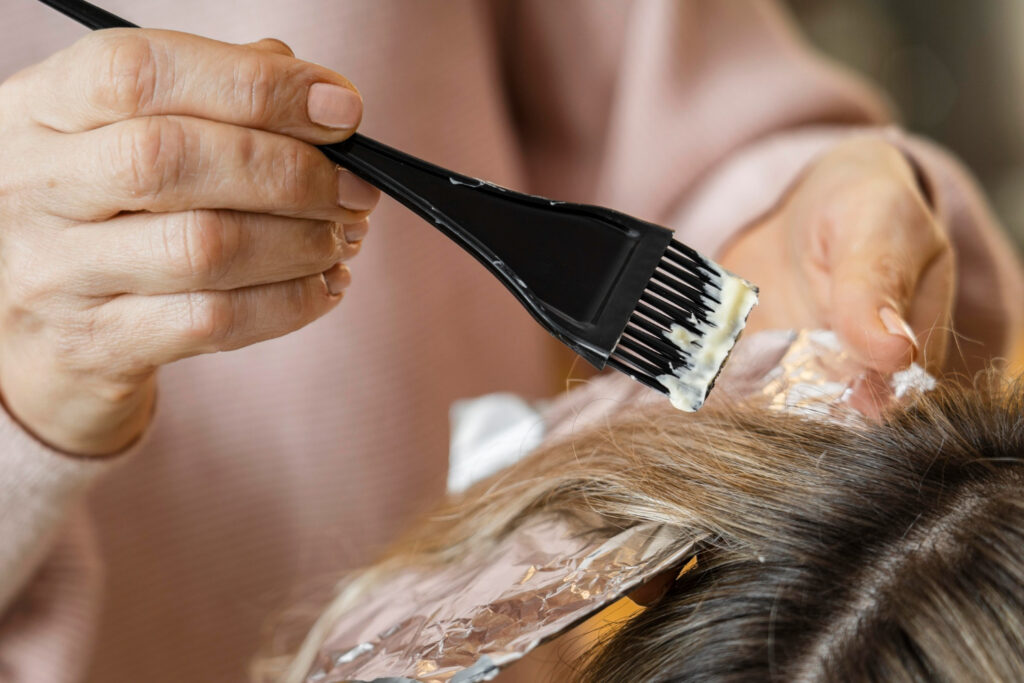
For hair, lavender oil holds potential for promoting growth and improving scalp health. Its nourishing properties stimulate follicles, encouraging lush, healthy hair.
Hair Growth Stimulation
The Lavender essential oil can stimulate the growth of hair. It supports thicker and quicker hair growth. Some studies state that lavender essential oil could benefit those suffering from pattern-based baldness or alopecia.
A study in Scotland found that combining lavender with other oils, like Rosemary and Jojoba, significantly increases its potential for preventing hair loss and encouraging hair growth.
The mechanism involves multiple factors. Lavender improves blood circulation to the scalp, delivering more nutrients to hair follicles. Its antimicrobial properties create a healthier scalp environment. The antioxidants protect follicles from oxidative stress that contributes to hair aging and loss.
Scalp Health and Dandruff Control
Lavender essential oil is filled with antiseptic and antibacterial properties that protect the scalp against dirt and bacteria. It also helps improve blood circulation in the scalp, which revitalizes the hair follicles.
Lavender essential oil is high in antioxidants that help neutralize free radicals, so the scalp’s pH stays within the normal range.
For dandruff and itchy scalp, lavender addresses both symptoms and causes. It reduces inflammation causing itchiness. The antifungal properties combat Malassezia, the yeast associated with dandruff. The oil helps balance sebum production, preventing both dryness and excessive oiliness.
Lavender Hair Treatment Recipe:
- Mix 5-8 drops lavender oil with 2 tablespoons carrier oil (coconut, jojoba, or sweet almond)
- Massage into scalp and through hair lengths
- Leave for 30-60 minutes (or overnight for intensive treatment)
- Wash out with gentle shampoo
- Repeat 2-3 times weekly
Lavender Essential Oils Uses: Practical Applications
Skincare Formulations:
- Facial serums (2-3% dilution)
- Body lotions and creams (1-2%)
- Face masks (2 drops per tablespoon clay)
- Bath oils (8-10 drops per bath)
Haircare Products:
- Shampoo additive (5 drops per ounce)
- Leave-in conditioner (3-4% dilution)
- Scalp treatments (4-5% in carrier oil)
- Hair rinse (4 drops in final rinse water)
Aromatherapy Methods:
- Diffusion (4-6 drops per 100ml water)
- Personal inhalers (10-15 drops on wick)
- Room sprays (20 drops per 4oz water with dispersant)
- Massage oils (2-3% dilution)
Safety Guidelines and Precautions
While lavender oil is relatively safe, it can cause discomfort for some. Stop using the oil if you experience any negative side effects.
Important Safety Considerations:
Pregnancy and Children: If you’re pregnant, avoid any use of essential oils during the first trimester, as they may expose the fetus to toxic substances. After that, use lavender oil only as aromatherapy, and don’t ingest any essential oil or use it topically during your pregnancy.
It can be safe for children, but it is important to dilute it properly before applying it to their skin or using it for aromatherapy. Consult a healthcare professional before using the oil on children.
Dilution Requirements: Never apply undiluted lavender oil directly to skin. Standard dilution ratios:
- Facial application: 1-2% (1-2 drops per teaspoon carrier)
- Body application: 2-3% (2-3 drops per teaspoon carrier)
- Scalp treatment: 3-5% (3-5 drops per teaspoon carrier)
- Aromatherapy: No dilution needed for diffusion
Potential Side Effects:
- Skin irritation or rash (test patch first)
- Allergic reactions in sensitive individuals
- Photosensitivity (though less than citrus oils)
- Hormonal effects with excessive use
Sourcing Quality Lavender Oil
Quality varies dramatically between lavender oil products. Look for these indicators of high-quality oil:
Quality Markers:
- 100% pure (no synthetic additives or dilution)
- Steam distilled (not solvent extracted)
- Botanical name listed (Lavandula angustifolia)
- Country of origin specified
- GC/MS testing results available
- Dark glass bottle to protect from light
- Clear expiration date
For businesses formulating personal care products requiring lavender essential oil or other botanical ingredients, partnering with essential oil manufacturers who provide consistent quality and complete documentation makes a difference. Elchemy’s technology-driven platform connects manufacturers with verified suppliers of essential oils meeting industry specifications.
Founded by engineers from IIT Bombay, IIT Delhi, and IIM Ahmedabad, Elchemy leverages technology to transform chemical industry distribution and custom manufacturing. Whether you need lavender essential oil for cosmetic formulation, aromatherapy products, or therapeutic applications, our customer-centric approach addresses supply chain challenges through transparent sourcing from both Indian and global suppliers. We provide certificates of analysis, organic certifications where available, and quality assurance that traditional distribution struggles to deliver efficiently.
Conclusion
Lavender essential oil benefits extend across mental health, skin wellness, and hair vitality. The scientific validation of traditional uses confirms what herbalists have known for millennia: this purple flower produces one of nature’s most versatile healing compounds. From reducing anxiety and improving sleep to treating acne and promoting hair growth, lavender’s broad therapeutic profile makes it indispensable in modern personal care.
The key to harnessing these benefits lies in proper usage. Always dilute before topical application. Choose high-quality, pure oil from reputable sources. Start with lower concentrations and adjust based on individual response. Used correctly, lavender essential oil offers a natural, effective way to support wellbeing across multiple dimensions of personal care.