

At a Glance:
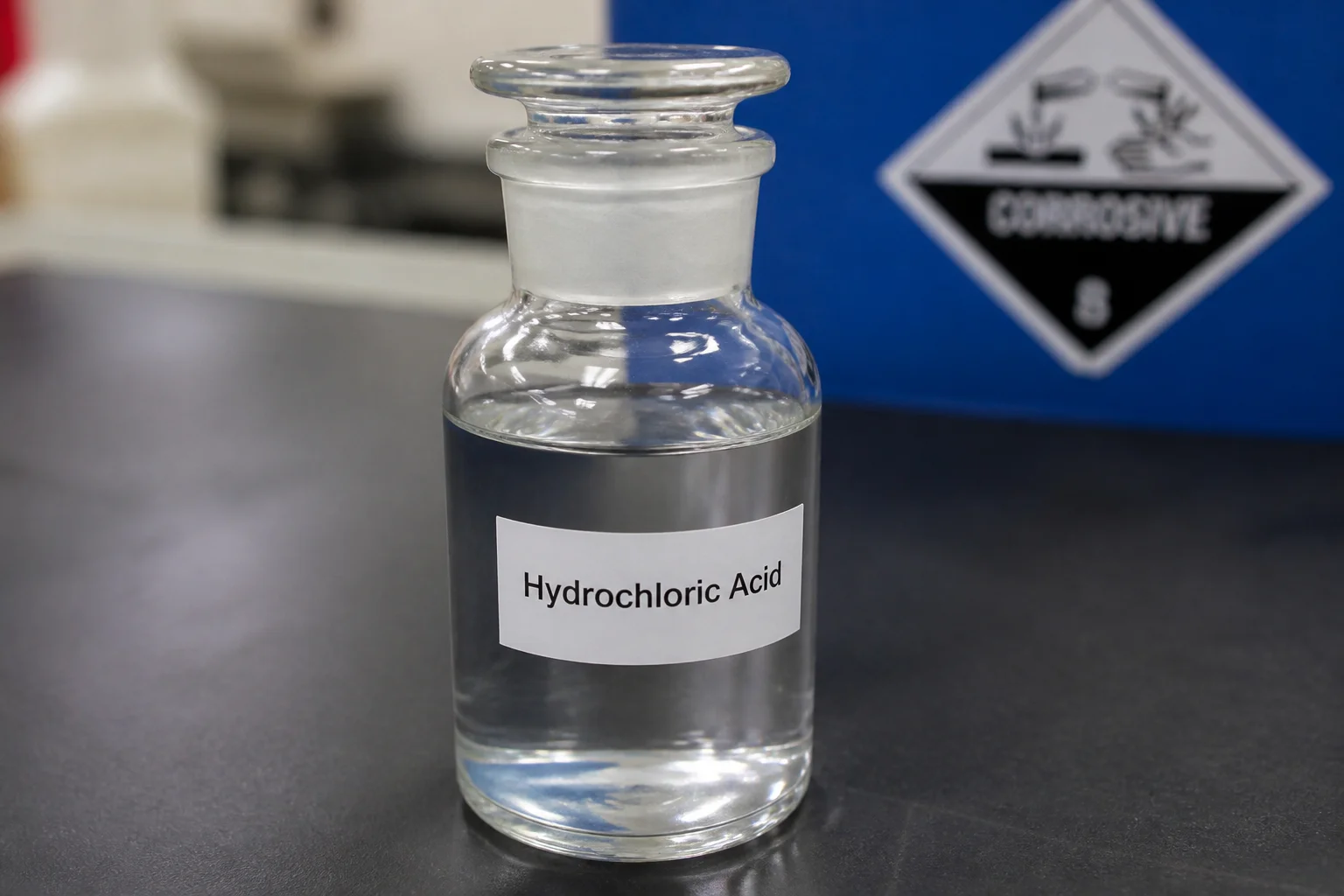
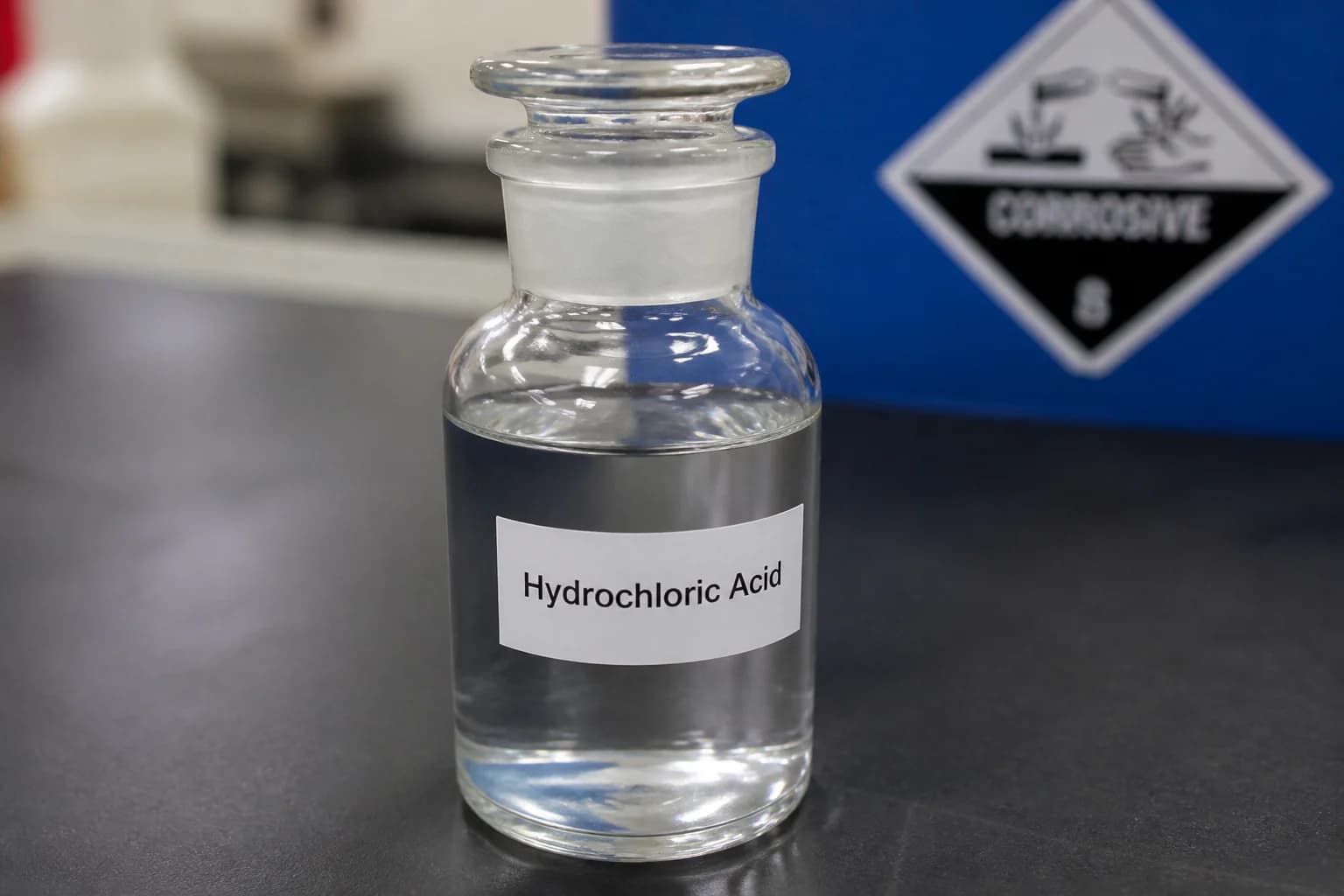
Hydrochloric acid is the common name for a chemical compound called HCl. It is a strong corrosive acid that is widely acknowledged for its variety of utilization in the industrial, domestic, and food sectors. Hydrochloric acid is used in many areas: it is used in steel production, water treatment processes for pH regulation, food production, and household cleaning applications. Its availability exists in both commercial and residential markets, where it is sold in assorted concentrations suited to various applications. Due to its corrosive nature, proper handling and storage according to safety guidelines must be followed to ensure safe application.
What is Hydrochloric Acid Used For?
Hydrochloric acid (HCl), also known as muriatic acid, is one of the most commonly applied and versatile chemicals in modern industry and life. HCl is also a very strong acid produced by the dissolution of hydrogen chloride gas in water, hence having a sharp smell and being highly corrosive. It is used mainly to control pH levels and dissolve materials; hence its application is also essential in most manufacturing processes, water treatment, food production, and cleaning.
Industrially, HCl is important in steel production in the pickling of metal surfaces to remove impurities; in the oil and gas industry, it accelerates extraction because it helps dissolve mineral deposits. It also adds swimming pools a needed pH, but its corrosive nature thus requires proper care and protection.
Hydrochloric acid has diverse applications, though most common uses are in industrial and households. This article discusses the utility of hydrochloric acid and safety precautions.
Key Industrial Applications of Hydrochloric Acid
- Steel Production: Pickling Process
Hydrochloric acid is considered a must-have in the steel industry, particularly during the pickling process. This involves the removal of rust, scale, and other impurities from the iron or steel surface, leaving it clean and smooth. Dissolving unwanted oxides helps the metal prepare for other processes, including galvanizing, plating, or coating, in the event of inefficient and low-quality production in construction and automobile manufacturing.
- Petroleum Industry
Hydrochloric acid is an important tool of oil well acidization, which is a method of oil and gas extraction enhancement. By injecting the acid into wells, it can dissolve mineral deposits and sediments that hinder the free flow of crude oil through the well. The outcome is the increased permeability of the reservoir rocks, which makes crude oil easier to extract and efficiently produce more by the well. Its application in this process makes hydrochloric acid such an important chemical in the promotion of higher energy yield, with an economic advantage for oil and gas operations.
- PVC (Polyvinyl Chloride) Production
Hydrochloric acid is an important reagent in the production of organic compound during PVC. Polyvinyl chloride is one of the most widely used plastics, known for its strength and durability. It finds broad applications in construction, electrical insulation, and plumbing because it is cost-effective and durable. This involvement of hydrochloric acid in the synthesis of PVC clearly points out its importance in the manufacture of plastic materials.
- Water Treatment
Hydrochloric acid plays a major role in water treatment processes for municipal and industrial purposes in terms of pH adjustment. It eliminates alkaline substances to make the water safe and qualitative. Hydrochloric acid is used in drinking water, control of waste water, and disinfection of the industrial water systems. Hydrochloric acid can help its customers effectively purify water and, therefore impact public health and environmental sustainability.
- Revitalizing Ion Exchangers
Hydrochloric acid is utilized to regenerate cation exchange resins in water softening processes. These resins capture hardness-provoking ions, such as calcium and magnesium, and the acid helps rejuvenate these resins by exchanging the captured ions with hydrogen or sodium ions. This process is essential for keeping the efficiency of water softeners to achieve consistent quality of water for industrial use as well as residential use.
Food and Beverage Industry
Hydrochloric acid is one of the most widely applied chemicals in the food and beverage industry. It is used mainly as an acidifier, flavor enhancer, and preservative. Its application in the production of high-fructose corn syrup, a common sweetener for soft drinks and processed foods, is also considerable. The hydrochloric acid helps in the starch breakdown process into glucose and fructose for efficient syrup production. Hydrochloric acid is also used to neutralize the pH value of many food preparations, like sauces, canned preparations, and vegetable juices, to make them taste and last longer. Its versatility makes hydrochloric acid indispensable in ensuring food quality, safety, and consistency in the manufacturing processes.
Household and Everyday Applications of Hydrochloric Acid

- Maintenance of Swimming Pools
Hydrochloric acid, which is another name for muriatic acid, is mostly used in the maintenance of swimming pools. It adjusts pH levels to ensure that chlorine will work properly in pool water. Proper levels of pH cut down water blurriness due to extreme Solublety, algae growth, and effects on skin or eyes because of extreme acidity for swimmers who use it. Moreover, muriatic acid prevents the development of calcium deposit buildup, so the health of pool systems is sustained. Its role in ensuring clean, safe, and balanced pool water makes it a critical chemical for owners and maintenance services that manage pools.
- Cleaning Products
Dilute hydrochloric acid is one of the active ingredients found in most cleaning products available in the market. Its incorporation is intended to remove and clean grime and tough stains from surfaces, especially when having lime scale, rust, and grout stains on tiles, bathtubs, or toilets. As the acid dissolves mineral buildup and organic matter, surfaces are left to their former glow. Although effective, products containing hydrochloric acid should be used with care because they are considered corrosive. Therefore, safety for its users prevails in its deluge of cleanliness on all surfaces.
- Leather Processing
Hydrochloric acid plays a significant role in preparing hides in the tanning process of the leather industry. It neutralizes alkaline agents used in the earlier stages of processing while ensuring desired pH levels for effective leather treatment. This helps to ensure that the hides are adequately softened and preserved, providing high-quality, durable leather products. This acid is very important in attaining uniform and consistent tanning outcomes by balancing the pH levels, hence making it one of the more essential chemicals in modern leather manufacture.
Safety Considerations
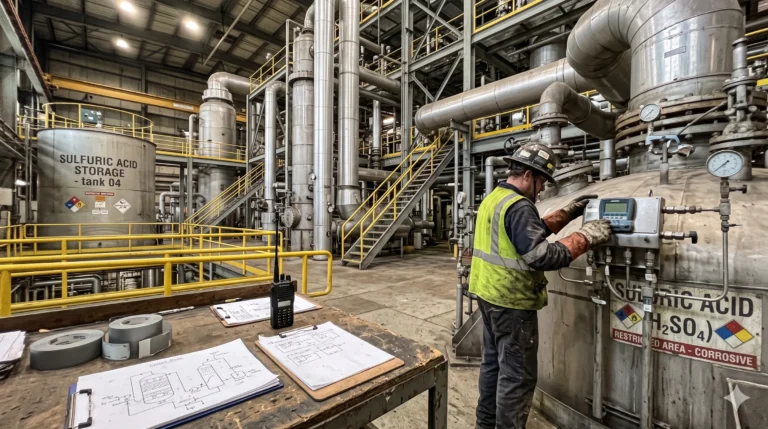
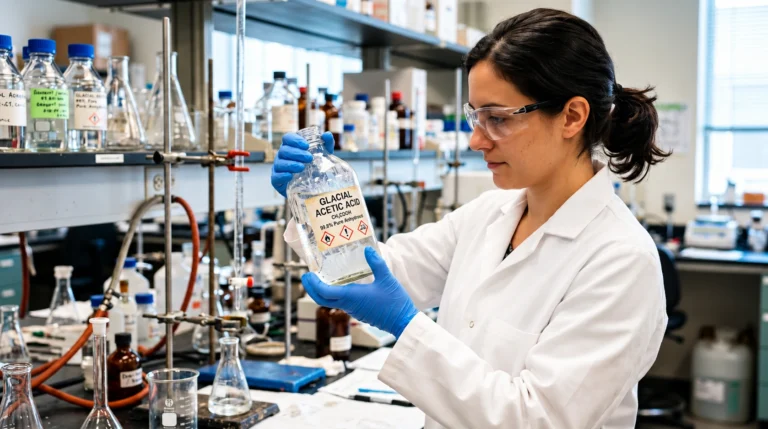
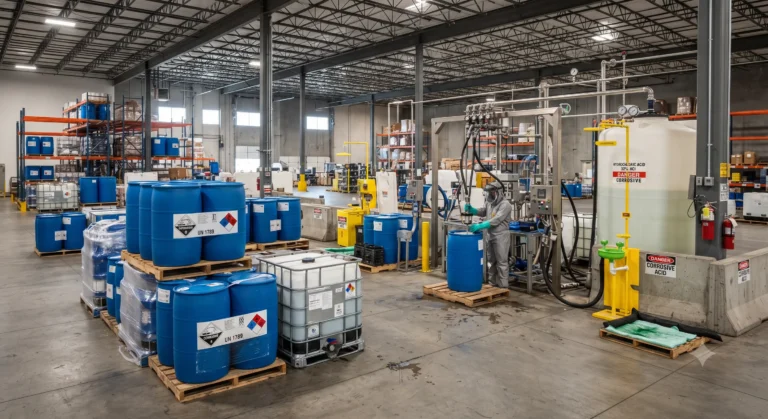
Hydrochloric acid is an effective compound for various applications but is also dangerous because it is corrosive. Its improper handling can result in severe burn injuries and respiratory difficulties in addition to the damage that can occur to surfaces. Storage should, therefore, be proper; it must be in non-reactive containers made of PVC to avoid dangerous reactions. Industries and households must also follow safety rules, such as that of PPE including gloves and goggles, along with protective clothing. In workplaces where hydrochloric acid is used, safety measures should include strict adherence to regimes such as ventilation and emergency procedures.
Where to Buy Hydrochloric Acid?
- Online Vendors
Hydrochloric acid can readily be purchased from several online suppliers, including various concentrations that can be adapted to specific residential or industrial applications. E-commerce also offers the possibility of making either small or large purchases. Most websites and online stores ship goods directly to the doorstep, which is especially convenient for home applications as well as commercial ones. The buyer must ensure that the seller follows appropriate shipping and safety guidelines because hydrochloric acid is poisonous.
- Chemical Stores
Muriatic acid is a diluted hydrochloric acid and should be readily available at local chemical stores or hardware retailers. It is normally sold for household cleaning purposes like removing lime scale, rust, and other pool balancing purposes. Consumers who wish to acquire the smaller quantities can easily visit such stores. The staff will also be able to advise on the handling and proper precautions that need to be taken with the use of the substance for several applications around the home.
- Industrial Suppliers
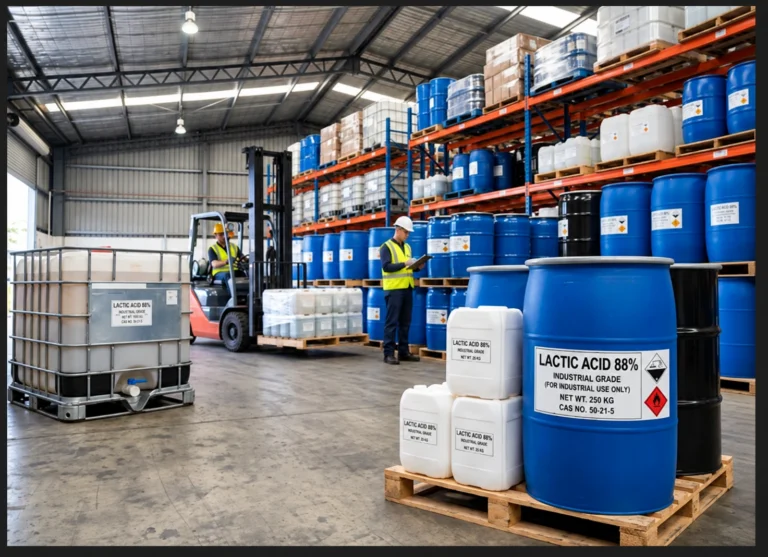
Hydrochloric acid is sold to industrial-scale manufacturing or industry for bulk industrial application through commercial suppliers of industrial products. Sigma-Aldrich or other chemical distributors, by your local province, will also sell high-concentration hydrochloric acid for industrial processes such as metal cleaning, oil well acidization, or PVC production. Proof of business or industrial use and all necessary safety protocols are usually demanded before these supplies can be made.
Environmental and Health Effects
Hydrochloric acid can cause environmental harm if not managed well. If it spills into water bodies, pH levels are affected and alter aquatic ecosystems. For an individual, exposure will result in irritation to the respiratory system, chemical burns, or eye damage. It is thus of prime importance that appropriate control and neutralizing measures are practiced.
Conclusion
Hydrochloric acid is an indispensable part of modern industry and daily usage. It has everything that has been used from the manufacture of steel to oil refining, and food processing to mere pool maintenance. Its pH adjustment, surface cleaning, or the catalyzation of chemical processes make it a prime necessity for many industries. However, extreme corrosiveness makes proper handling and adherence to safety procedures vital to mitigate risks.
If you are curious about what hydrochloric acid is or where to purchase hydrochloric acid, make sure you get it from the best and most trusted sources and handle it with care. For safe and pure chemicals, visit Elchemy, and their team will help you tackle chemical handling safely.