

Introduction
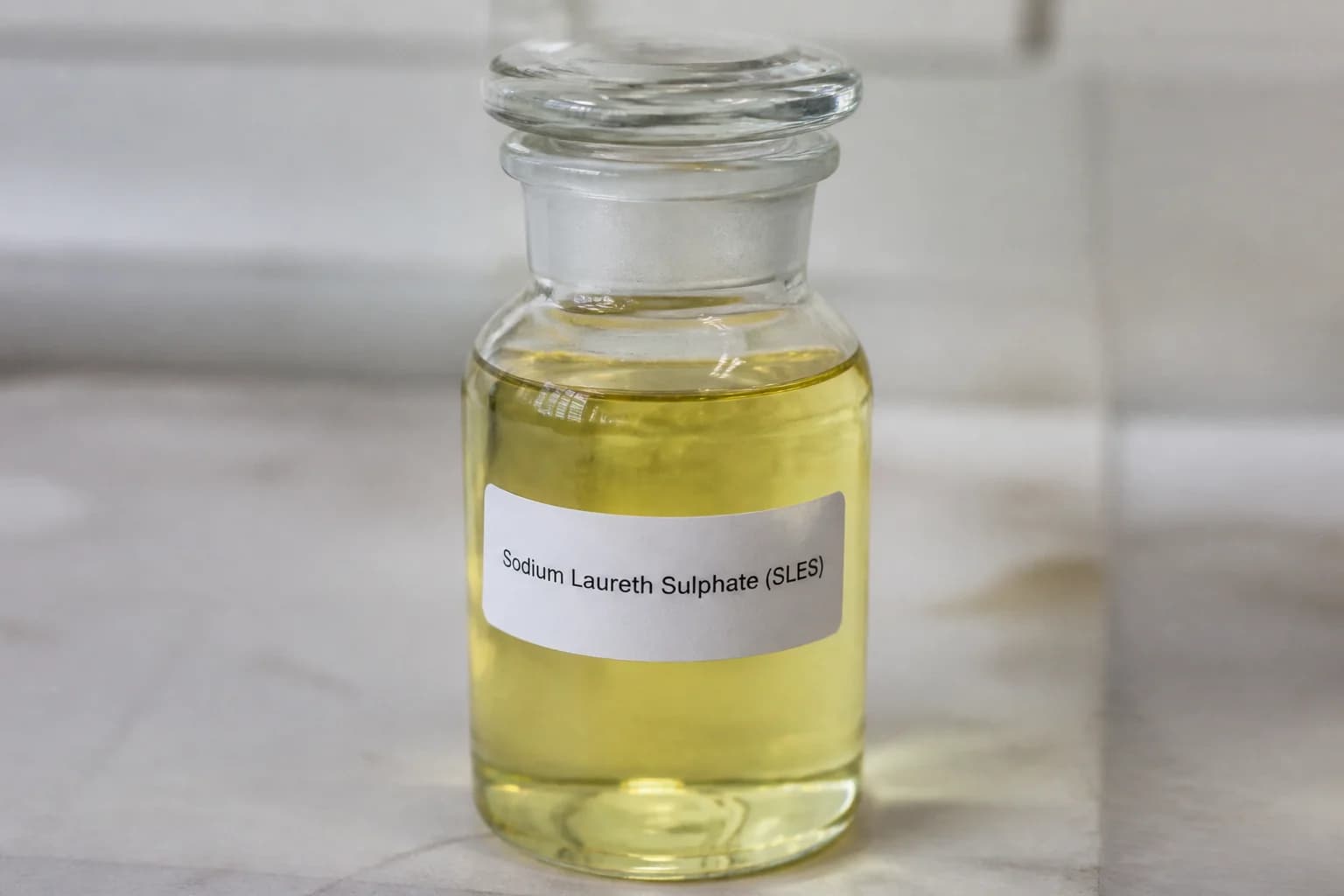
SLES price (Sodium Laureth Sulfate) represents a critical cost factor for manufacturers of personal care products, household detergents, industrial cleaners, and cosmetic formulations, as this widely used surfactant directly impacts formulation costs and product pricing across global markets.
As one of the most widely used anionic surfactants, sodium laureth sulfate price fluctuates based on raw material costs (ethylene oxide, lauryl alcohol from palm kernel or coconut oil), regional production dynamics, energy expenses, and global supply-demand balance.
The SLES market analysis shows pricing varies significantly across regions: Asian markets typically offer competitive rates due to production concentration, while European and North American markets command premium pricing reflecting stricter quality standards. SLES price trends have been influenced by palm oil volatility, crude oil movements, supply chain disruptions, and growing emerging market demand. This guide examines current global pricing ranges, key cost drivers, regional price variations, and practical strategies for evaluating supplier quotations.
At a Glance
SLES price ranges vary by region, grade, and volume: Asia-Pacific offers competitive rates (typically 20-30% below Western markets), Middle East provides mid-tier pricing, Europe commands premium rates for high-purity grades, and Africa/Latin America shows higher costs due to import dependency. Key drivers include palm oil and ethylene oxide raw material costs (60-70% of production expenses), active matter concentration (28%, 70% grades), product specifications, order volume (bulk 15-25% cheaper), packaging type, and shipping costs. The SLES price index tracks these variations monthly. Price evaluation requires comparing specifications, total landed costs, supplier certifications, and payment terms.
Current Global SLES Prices
|
About SLES |
Elchemy Provides Best Solution |
|
What is the current SLES price globally? |
SLES price varies by region, grade, and concentration. Asia-Pacific markets generally offer the most competitive sodium laureth sulfate prices due to large production capacity, while Europe and North America typically command higher pricing because of stricter regulatory compliance and quality standards. |
|
What factors influence SLES price trends? |
SLES price is mainly influenced by raw material costs such as palm kernel oil, coconut oil derivatives, and ethylene oxide. Energy costs, global demand from personal care and detergent industries, logistics expenses, and regional production capacity also impact sodium laureth sulfate price movements. |
|
Why does sodium laureth sulfate price vary by region? |
Regional price differences occur due to variations in raw material availability, production capacity, regulatory standards, and transportation costs. Asia generally offers the lowest SLES pricing, while European and North American markets have higher costs due to energy and compliance requirements. |
|
How does SLES price change by concentration? |
SLES price increases with higher active matter concentration. SLES 28% represents the baseline industrial grade, while SLES 70% typically costs 30–50% more per kilogram but offers better value per unit of active surfactant. |
|
Where can companies buy SLES in bulk? |
Companies typically purchase SLES from SLES manufacturers, distributors, or global sourcing platforms. |

Sodium laureth sulfate price varies substantially across global markets, with typical ranges reflecting regional production capacity, feedstock availability, and quality standards.
Pricing by Region
Asia-Pacific maintains the most competitive SLES price structure, benefiting from concentrated production in China, Malaysia, Thailand, and Indonesia with direct palm feedstock access. Industrial-grade SLES 28% represents baseline pricing, with cosmetic-grade concentrations commanding 10-25% premiums.
Middle East markets show mid-tier SLES pricing trends, with expanding local production in Saudi Arabia, UAE, and Turkey. Prices generally fall 5-15% below European levels while remaining 10-20% above Asian quotes.
European markets reflect premium SLES price driven by stringent REACH compliance, higher energy costs, and quality certifications. Cosmetic-grade SLES meeting EU standards typically costs 20-35% more than Asian industrial grades.
North America follows European pricing patterns with additional factors including USMCA trade dynamics and FDA compliance requirements.
Africa and Latin America generally show the highest regional price due to import dependency, smaller market volumes, and logistics challenges. Prices often exceed Asian rates by 30-50%.
Concentration Impact
SLES 28% represents standard industrial concentration, offering baseline SLES price for detergent applications. Water content (~72%) means buyers pay for lower active surfactant per kilogram.
SLES 70% commands premiums (30-50% higher per kg) but delivers better value when calculated per active matter unit. The SLES price chart shows concentrated grades reduce shipping costs and storage space despite higher initial pricing.
SLES 26% and lower concentrations typically price slightly below 28% grades, appealing to price-sensitive applications.
Grade Specifications
Industrial/Technical Grade offers the most competitive sodium laureth sulfate price, suitable for heavy-duty detergents and industrial cleaners.
Cosmetic/Personal Care Grade requires tighter specifications and typically costs 15-30% more than industrial grades, essential for shampoos and body washes.
Premium/Natural Grades with organic approvals command the highest premiums (40-60% above industrial) for natural cosmetics brands.For formulation context, read Sodium Laureth Sulfate in Shampoo: A Guide for Cosmetic Product Manufacturers.
What Affects SLES Prices
Multiple factors drive SLES price trend movements, with raw materials representing the dominant influence.
Raw Material Costs
Palm Kernel Oil and Coconut Oil derivatives provide lauryl alcohol, the primary feedstock affecting SLES price. Volatility stems from:
- Weather impacts on palm plantations
- Agricultural policy changes and export restrictions
- Sustainability concerns affecting certified palm premiums and competing demand from food and biodiesel industries impact pricing. For sustainability context, explore Palm Oil Alternatives in the Flavor & Fragrance Industry: Sustainable Solutions.
- Competing demand from food and biodiesel industries
When palm oil prices rise 20%, SLES pricing trends show typical increases of 12-15% with 2-3 month lag.
Ethylene Oxide derived from petroleum undergoes ethoxylation with lauryl alcohol. Pricing follows crude oil trends:
- Direct feedstock correlation to crude prices
- Ethylene cracker operating rates
- Regional production capacity
- Competing demand from other surfactants
Crude oil swings of 30% typically translate to 10-15% SLES price adjustments over 3-6 months.
Product Grade and Concentration
Active Matter Percentage directly impacts pricing structure. While 70% SLES shows higher SLES price per kilogram, the cost per active matter unit often favors concentrated grades:
- 28% SLES: Lower $/kg but higher $/active matter
- 70% SLES: Higher $/kg but lower $/active matter
Specification Tightness influences production complexity:
- Color requirements (Klett or Hazen scale)
- pH tolerance ranges
- Impurity limits (1,4-dioxane, unreacted alcohol)
- Odor specifications
Each constraint typically adds 3-8% to production costs affecting sodium laureth sulfate price. Review SLES safety data sheet for comprehensive quality and safety specifications.
Order Quantity and Packaging
Volume Discounts follow predictable patterns:
- Small orders (<1 tonne): Premium pricing, 20-30% above bulk
- Medium orders (5-20 tonnes): Moderate discounts, 10-20% below small
- Large orders (100+ tonnes): Best rates, 15-25% below medium
- Contract volumes (500+ tonnes annually): Maximum discounts
Packaging Format impacts delivered SLES price:
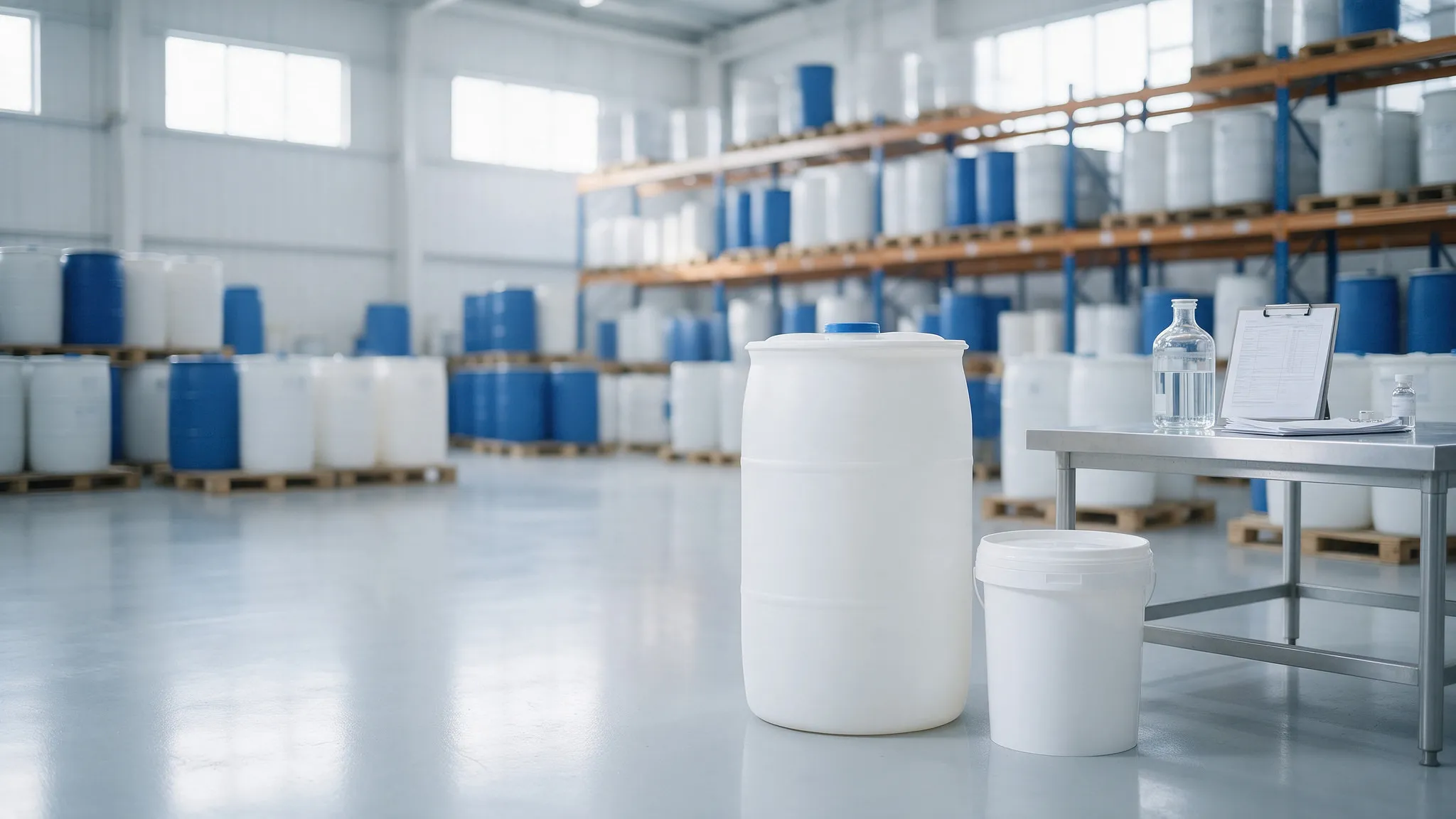
- IBC Totes (1,000L): Standard medium volume pricing
- Drums (200L): Premium pricing (+10-20%)
- Flexitanks (20,000L): Most economical, lowest $/kg
- Small containers (1-25kg): 40-100% premiums
Shipping and Logistics
Incoterms Selection determines cost allocation:
- FOB: Buyer arranges all shipping
- CIF: Seller covers ocean freight to port
- DDP: Seller handles all costs to destination
Distance impacts vary by route:
- Asia to North America: Adds 10-20% to FOB SLES price
- Asia to Europe: Adds 12-25%
- Intra-regional: Lower costs, 3-8% addition
SLES Price Trends Over Time

SLES price index analysis reveals cyclical patterns influenced by commodity markets and industry dynamics.
Recent History
2019-2020: Relatively stable SLES pricing trends with gradual decline through Q1 2020 as COVID-19 reduced industrial demand.
2021-2022 Surge: Significant increases (30-50% in some markets) driven by palm oil spikes, crude oil recovery, and container shipping crisis.
2023-2024 Normalization: Gradual moderation as supply chains stabilized, though prices remained 15-25% above 2019 levels.
Seasonal Patterns
Q1: Reduced industrial activity, potential softening
Q2: Demand pickup for summer products
Q3: Peak season, highest demand from detergent manufacturers
Q4: Mixed patterns with year-end inventory management
Long-Term Drivers
Emerging Market Growth increases per-capita consumption, supporting 3-5% annual demand growth.
Sustainability Transitions add cost premiums for certified sustainable palm oil.
Regulatory Changes tighten restrictions on impurities, increasing production costs.
Understand these dynamics in Sustainable Practices In The Personal Care Industry.
SLES Prices by Region
|
Global SLES Price Insights |
Explanation |
|
Lowest Pricing Regions |
Asia-Pacific markets such as China, Malaysia, and Indonesia generally offer the lowest SLES prices due to strong production capacity and access to palm-based feedstocks. |
|
Mid-Tier Pricing Regions |
Middle Eastern markets typically provide mid-range pricing supported by petrochemical infrastructure and growing regional production capacity. |
|
Premium Pricing Regions |
European and North American markets often have higher sodium laureth sulfate prices due to regulatory compliance, sustainability standards, and higher energy costs. |
|
Global Procurement Strategy |
Many personal care and detergent manufacturers source SLES through global chemical sourcing platforms like Elchemy to compare suppliers across regions and secure competitive pricing. |
Regional price variations reflect local production capacity, feedstock availability, and regulatory environments.
Asia
Production Dominance: China, Malaysia, Thailand, Indonesia represent 60-70% of global production.
Characteristics:
- Lowest global SLES price
- Direct feedstock access
- Export-oriented (50-60% exported)
- Variable quality standards require careful supplier vetting. For regional sourcing insights, see How Speciality Chemicals Are Transforming India Into A Global Superpower.
Middle East
Growing Production: Expanding capacity reduces import dependency.
Position:
- Mid-tier between Asia and Europe
- Petrochemical feedstock advantages
- Targeting African and European markets
Europe
Premium Market:
- Highest quality standards (REACH compliance)
- Strong sustainability focus
- Limited local production
- Premium sodium laureth sulfate price reflects highest quality standards and sustainability focus. For compliance details, review Navigating FDA Requirements for Food: Tips for U.S. Producers and Importers.
Africa and Latin America
Import-Dependent:
- Limited local production
- Higher logistics costs
- 20-40% above Asian levels
- Significant country variation
Bulk vs Packaged SLES Pricing
Volume and packaging dramatically impact effective SLES price.
Bulk Advantages
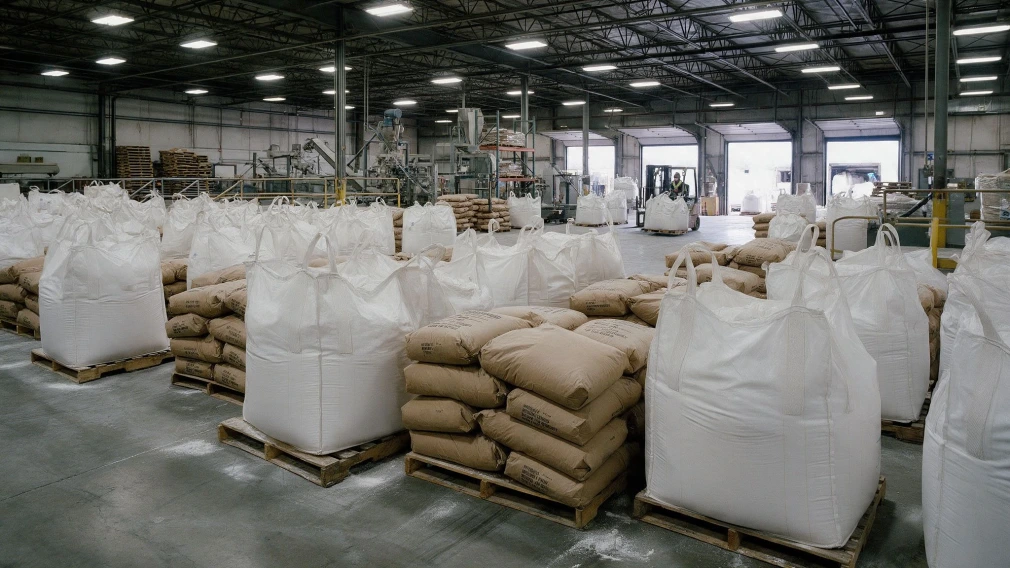
Flexitank Shipments (20+ tonnes): Lowest packaging cost, best $/kg pricing
IBC Tote Deliveries (1-20 tonnes): Balanced cost and handling
Pricing Gradient: Moving from drums to flexitanks can reduce costs by 25-40%
Packaged Premiums
Drum Quantities: Premium reflecting packaging materials (+10-20%)
Small Containers: Highest per-kg rates (often double bulk prices)
Spot Prices vs Long-Term Pricing
Purchasing strategy significantly impacts SLES price and supply security.
Spot Market
Advantages: Flexibility, potential savings during downturns
Disadvantages: Price volatility (10-30% swings), supply uncertainty
Best For: Flexible demand, small volumes
Contract Pricing
Advantages: Stability, volume discounts (10-20% vs spot), guaranteed supply Disadvantages: Locked in if market declines, volume commitments
Best For: Large consumers, predictable demand
Hybrid Strategies
Many buyers combine 70-80% contract volume with 20-30% spot purchases for balance. For strategic procurement guidance, read Minimum Order Quantity Strategies: Reducing Lead Time Without Compromising Profitability.
How to Check If an SLES Price Is Reasonable
Effective evaluation requires systematic analysis beyond $/kg comparisons.
Normalize Specifications
Compare equivalent products:
- Same concentration (28% vs 70% requires adjustment)
- Equivalent grade (industrial vs cosmetic)
- Similar specifications
- Matching certifications
Calculate $/kg active matter for true comparison.
Calculate Total Landed Cost
Include all elements:
- FOB product price
- Ocean/air freight
- Insurance, duties, tariffs
- Port handling, customs
- Inland transportation
- Financing costs
Benchmark Against Market
Use industry pricing reports, trade publications, supplier trends, and historical data.
Red Flags:
- Pricing 20%+ below market averages
- Pricing 30%+ above market
- Unwillingness to justify pricing structure should raise concerns. For comprehensive supplier evaluation, consult Key Factors For Buying Chemicals in Bulk Quantities.
Evaluate Total Value
Consider quality consistency, delivery reliability, technical support, payment terms, and supplier stability beyond just SLES price.
Common Pricing Mistakes Buyers Make
Mistake 1: Comparing Incompatible Specs
Selecting lowest $/kg without verifying concentration and grade match needs.
Solution: Create a detailed specification sheet for identical material quotes.
Mistake 2: Ignoring Total Landed Cost
Choosing FOB price without calculating freight and duties.
Solution: Request DDP quotes or calculate complete landed costs.
Mistake 3: Prioritizing Price Over Consistency
Switching suppliers chasing 3-5% differences.
Solution: Solution: Qualify reliable suppliers, prioritize consistency. For quality assurance guidance, see Quality Control for Chemical Methods: Policies & Certifications.
Mistake 4: Inadequate Quality Verification
Accepting supplier COA without independent testing.
Solution: Conduct third-party testing, establish acceptance criteria.
Mistake 5: Neglecting Supply Security
Single-sourcing without backup alternatives.
Solution: Maintain dual-sourcing strategy, pre-qualify backups.
Get Competitive SLES Pricing with Reliable Supply
Partner with top chemical supplier offering transparent quotes, comprehensive documentation, flexible volumes, and fast delivery.
Why Choose Elchemy:
- Competitive pricing with specification matching
- Multiple grade options (industrial, cosmetic, certified)
- Complete COA and regulatory documentation
- US-based technical support
- Transparent total cost quotes
CTA: Request SLES Quote with Specifications
Email: sales@elchemy.com
SLES Price FAQs
What is the current price of sodium laureth sulfate (SLES)?
Sodium laureth sulfate price varies by region, grade, and volume. Asia-Pacific offers competitive rates, Europe commands premium pricing for cosmetic grades, Middle East shows mid-tier levels. Industrial SLES 28% costs 20-30% less than cosmetic SLES 70% per kilogram. Current conditions, raw materials, and volumes significantly impact final pricing.
How does SLES price vary by concentration and grade?
SLES price increases with concentration—70% costs 30-50% more per kg than 28% but offers better active matter value. Cosmetic-grade commands 15-30% premiums over industrial due to tighter specifications. Premium grades with organic certifications cost 40-60% more. Calculate per active matter rather than per kilogram.
What is the difference in price between SLES and SLS?
Sodium lauryl sulfate price (SLS) typically runs 10-20% lower than SLES for equivalent grades due to simpler production. SLES offers gentler performance justifying premium. Industrial applications may use either based on performance and cost optimization. Regional availability influences relative pricing.
Why do SLES prices vary by region and supplier?
Regional price differences reflect production capacity (Asia lowest), feedstock availability, energy costs, regulatory compliance (European premiums), and logistics. Supplier variations result from efficiency, quality positioning, volume discounts, certifications, technical support, and payment flexibility. Total delivered cost matters most.
Is SLES cheaper when bought in bulk quantities?
Yes, bulk purchases deliver significant savings. Volume discounts range 15-25% comparing large orders (100+ tonnes) to small quantities (<5 tonnes). Flexitank shipments offer lowest $/kg, IBC totes mid-tier, drums 10-20% more, small containers 40-100% premiums. Annual contracts secure additional 10-20% discounts.
How often does the price of sodium laureth sulfate change?
SLES pricing trends show quarterly adjustments in contract markets, monthly in spot markets. Major shifts occur when raw materials experience 15-20%+ movements, with 2-3 month lag. Seasonal patterns influence pricing (Q3 typically strongest). Long-term trends reflect demand growth, sustainability transitions, capacity expansions. Volatility periods see weekly fluctuations.
What factors should buyers check before comparing SLES prices?
Verify identical specifications (concentration, grade, color, pH), include total landed costs (freight, duties, insurance), confirm certifications match requirements, evaluate payment terms, assess MOQs and packaging, check supplier reliability and consistency, compare delivery times, review technical support. Lowest $/kg often isn’t the best value.