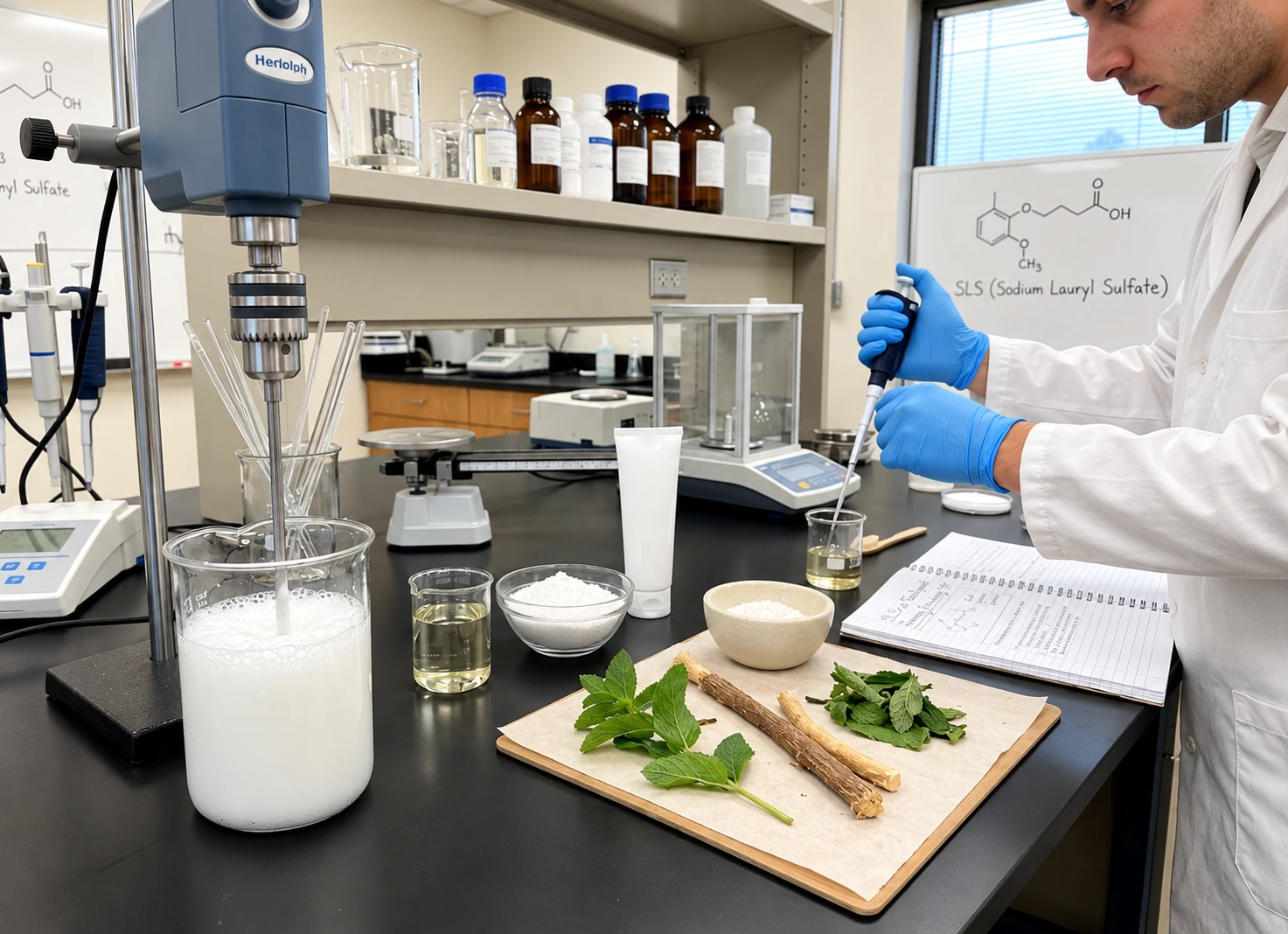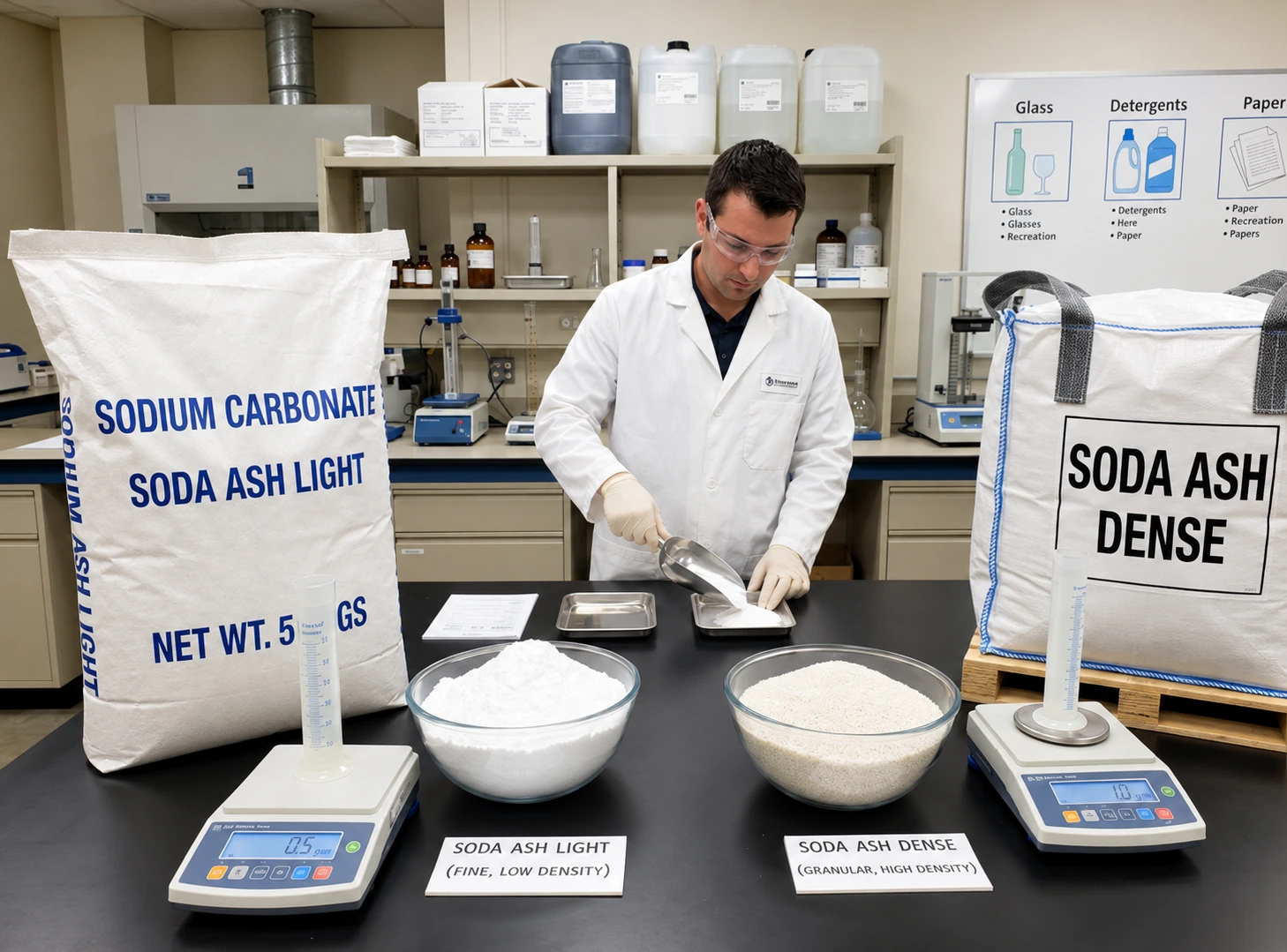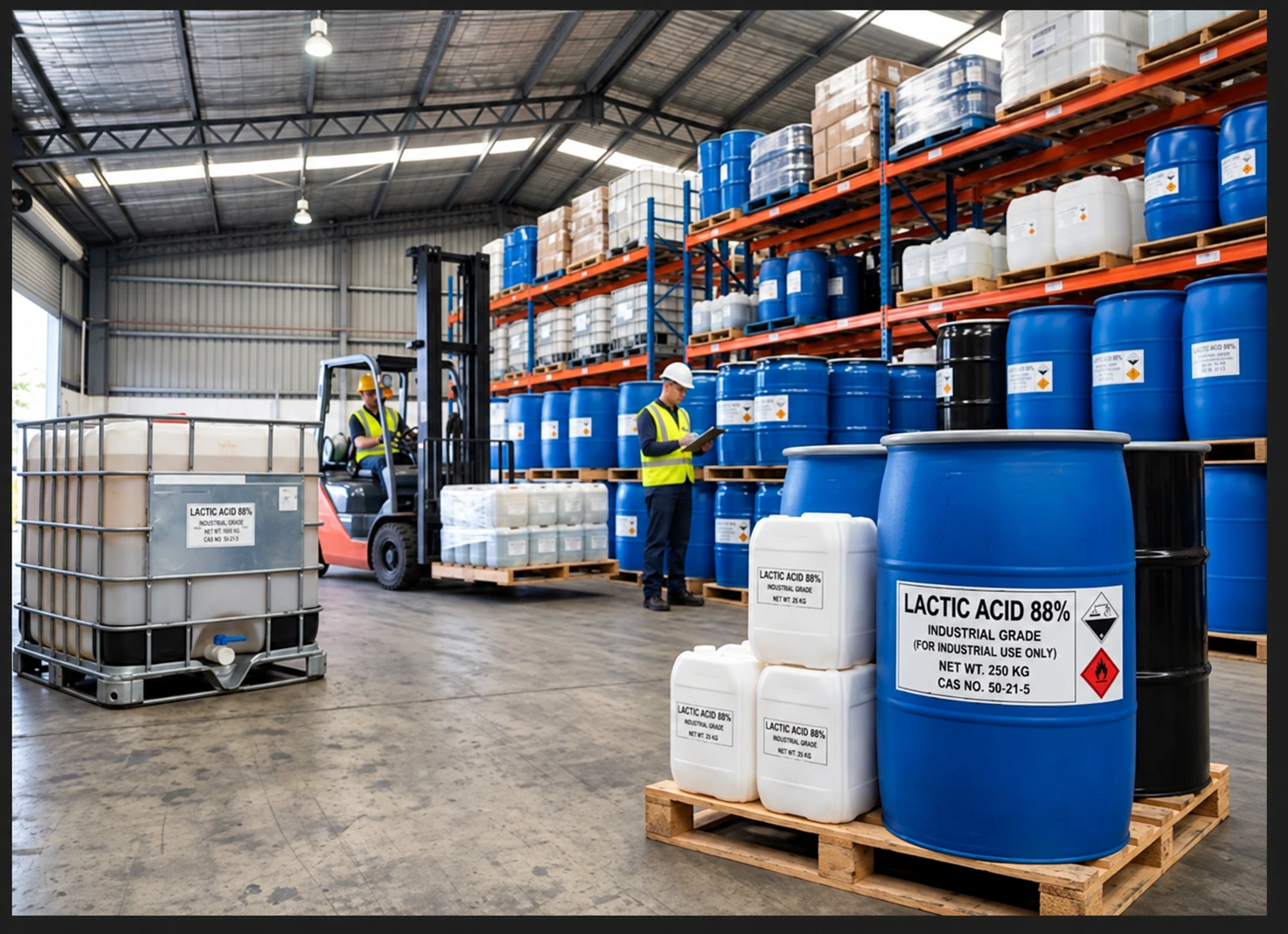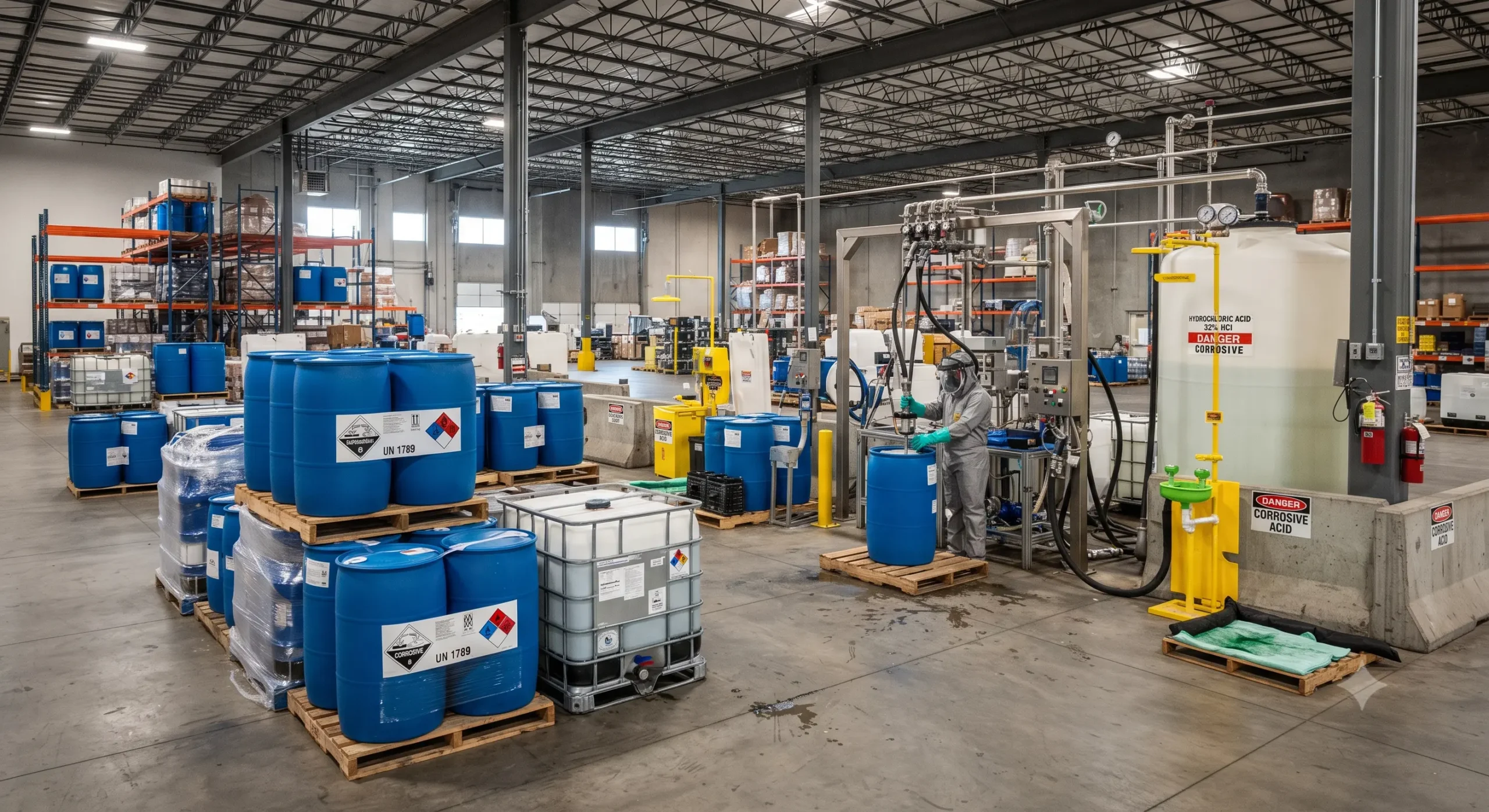


The global personal care and cosmetics industry is evolving faster than ever, driven by rising consumer expectations for product safety, performance, transparency, and sustainability.
Behind every successful cosmetic formulation lies the critical decision of choosing the right personal care ingredient supplier that can provide high-quality raw materials, regulatory documentation, and reliable supply for cosmetic manufacturing.
For cosmetic manufacturers, brands, and private-label producers, ingredient sourcing is no longer just a procurement task. It directly impacts regulatory compliance, formulation stability, production scalability, and brand credibility. As ingredient complexity increases and regulatory scrutiny tightens, the role of a reliable cosmetic ingredients supplier has become more strategic than operational.
According to recent industry insights, the personal care ingredients market is expected to grow steadily over the next decade, fueled by:
- Increased demand for high-performance cosmetic formulations
- Growing adoption of specialty cosmetic chemicals
- Higher emphasis on traceability, documentation, and compliance
- Rapid innovation in skin care, hair care, and functional beauty products
At the same time, manufacturers are facing new challenges:
- Volatile raw material availability
- Stricter quality and documentation requirements
- Pressure to reduce formulation risk and time-to-market
- Need for suppliers who offer more than just raw materials
This shift has made the choice of a personal care ingredients distributor or specialty ingredient supplier a defining factor in long-term manufacturing success.
At a Glance: Why the Right Supplier Matters
- Impacts product safety, quality, and consistency
- Determines regulatory readiness and audit success
- Influences formulation efficiency and innovation speed
- Reduces supply chain risk and production downtime
- Supports long-term scalability and market expansion
Find More : Best Products of Personal Care Supplier
What Is a Personal Care Ingredient Supplier?
|
Personal care ingredient supplies |
Elchemy Provides Best Solution |
|
What is a personal care ingredient supplier? |
A personal care ingredient supplier provides cosmetic-grade raw materials such as surfactants, emollients, active ingredients, preservatives, and functional additives used in skincare, haircare, and hygiene formulations. |
|
What ingredients do cosmetic suppliers provide? |
Cosmetic ingredient suppliers typically provide surfactants, conditioning agents, emollients, active ingredients, preservatives, stabilizers, thickeners, and specialty functional additives used in personal care formulations. |
|
Why do cosmetic manufacturers work with ingredient suppliers? |
Cosmetic manufacturers rely on ingredient suppliers to ensure consistent product quality, regulatory documentation, formulation support, and reliable sourcing of cosmetic-grade raw materials. |
|
What makes a reliable personal care ingredient supplier? |
Reliable suppliers provide regulatory-ready documentation, batch consistency, technical support, scalable supply, and a broad ingredient portfolio aligned with cosmetic formulation needs. |
|
How do brands source cosmetic ingredients globally? |
Many brands source ingredients through specialized suppliers or sourcing platforms like Elchemy that connect manufacturers with verified ingredient producers and compliant cosmetic raw materials. |
A personal care ingredient supplier is a company that provides raw materials and specialty ingredients used in the formulation of cosmetic, skin care, hair care, and personal hygiene products. These suppliers support manufacturers by offering quality-tested ingredients, regulatory documentation, and supply reliability required for commercial cosmetic production.
Unlike generic chemical vendors, personal care ingredient suppliers focus on cosmetic-grade materials, ensuring compliance, consistency, and performance across different formulations and production scales.
Read More : How to choose a personal care ingredient supplier ?
Difference Between Manufacturer, Distributor, and Specialty Ingredient Supplier
| Aspect | Ingredient Manufacturer | Ingredient Distributor | Specialty Ingredient Supplier |
| Primary Role | Produces raw materials at source | Sources and supplies ingredients from multiple manufacturers | Supplies high-performance, application-specific ingredients |
| Product Range | Limited to own manufactured products | Broad portfolio from multiple producers | Curated, specialized cosmetic ingredients |
| Technical Support | Minimal or internal use only | Limited, mostly commercial | Strong formulation & application support |
| Regulatory Documentation | Available but not always market-ready | Provided on request | Proactively provided and regularly updated |
| Best For | Large-volume, direct procurement | Flexible sourcing & availability | Innovation-driven cosmetic manufacturing |
| Relationship Type | Transactional | Supply-focused | Strategic partnership |
Cosmetic manufacturers often benefit most from working with a specialty ingredient supplier or personal care ingredients distributor that combines product availability with technical and regulatory expertise.
Types of Cosmetic Ingredients Typically Supplied
- Surfactants : Essential for cleansing and foaming, surfactants like Sodium Laureth Sulphate (SLES) help remove dirt, oil, and impurities in skin and hair care formulations.
- Emollients : Used to soften and smooth the skin, emollients such as Cetyl Alcohol improve texture, spreadability, and sensory feel in cosmetic products.
- Active Ingredients : These deliver targeted benefits such as hydration, anti-aging, brightening, or scalp care, forming the functional core of many formulations.
- Preservatives & Stabilizers : Critical for product safety and shelf life, preservatives like Phenoxyethanol prevent microbial growth and maintain formulation stability.
- Functional Additives (Thickeners, Conditioning Agents) : Additives like Guar Gum improve viscosity, texture, and performance, ensuring consistent product appearance and user experience.
Key Factors to Evaluate When Choosing a Cosmetic Ingredients Supplier
Selecting a cosmetic ingredients supplier requires more than checking product availability or pricing. The right partner must demonstrate consistent quality, regulatory readiness, and traceable sourcing, especially as compliance expectations continue to rise across global cosmetic markets.
Among all evaluation criteria, product quality and compliance standards form the foundation of a reliable supplier relationship.
Regulatory Compliance & Documentation
A trustworthy personal care ingredient supplier provides complete, up-to-date regulatory documentation for every ingredient supplied. This documentation is essential for formulation approval, safety assessments, audits, and market entry.
Key documents cosmetic manufacturers should expect include:
- INCI Names – Standardized ingredient naming required for product labeling and regulatory filings
- Certificate of Analysis (COA) – Confirms batch-specific quality parameters and specifications
- Material Safety Data Sheet (MSDS/SDS) – Provides safety, handling, and storage information
- Allergen Statements – Identifies potential allergens to support risk assessment and labeling compliance
In addition to documentation, suppliers should demonstrate alignment with global cosmetic regulations, including:
- FDA cosmetic guidelines for ingredient safety and labeling
- EU Cosmetic Regulation requirements for product safety and compliance
- ISO standards related to quality management systems
- Good Manufacturing Practices (GMP) to ensure controlled and repeatable production
Suppliers that proactively maintain regulatory compliance reduce the risk of formulation delays, product recalls, and regulatory rejections.
Batch Consistency & Traceability
Consistency across production batches is critical for maintaining product performance, appearance, and safety. A reliable cosmetic ingredients supplier implements robust systems to ensure batch-to-batch uniformity.
Lot tracking plays a central role by:
- Linking every shipment to a specific production batch
- Enabling quick identification during quality investigations
- Supporting recall readiness and regulatory audits
Strong quality assurance processes further reinforce reliability, including:
- Defined quality control checkpoints
- Standardized testing protocols
- Documentation of deviations and corrective actions
- Ongoing supplier audits and performance monitoring
Suppliers with strong batch consistency and traceability systems help manufacturers minimize formulation variability, reduce quality risks, and maintain long-term brand trust.
Read More : How to Source High-Quality Chemicals for Cosmetic Formulations: Key Considerations
Range of Cosmetic Chemicals & Ingredient Portfolio

A strong cosmetic ingredients supplier should offer a diverse and well-balanced ingredient portfolio that supports multiple formulation needs under one roof. This reduces supplier dependency, simplifies procurement, and improves formulation efficiency.
An effective portfolio typically includes:
- Cleansing and conditioning agents
- Functional and performance-enhancing ingredients
- Specialty cosmetic chemicals for targeted applications
- Ingredients suitable for skin care, hair care, and personal hygiene products
Beyond range, depth matters. Suppliers with a broad yet curated portfolio can support:
- Product line extensions
- Reformulation due to regulatory or market changes
- Faster innovation without onboarding new vendors
Working with a supplier that understands application-specific ingredient selection helps manufacturers achieve consistent performance and scalability.
Technical Support & Formulation Expertise
Modern cosmetic manufacturing requires suppliers who go beyond material supply and act as technical partners. Access to formulation and application expertise can significantly reduce development timelines and formulation risks.
Key technical support capabilities to look for include:
- Formulation guidance during product development
- Ingredient compatibility and performance insights
- Assistance with reformulation and optimization
- Support during scale-up from pilot to commercial production
Suppliers with in-house technical teams help manufacturers troubleshoot challenges related to stability, texture, sensory performance, and regulatory alignment, enabling faster and more confident product launches.
Supply Chain Reliability & Scalability
Supply chain resilience is a critical factor in cosmetic manufacturing, particularly as ingredient availability and logistics remain volatile. A reliable personal care ingredient supplier ensures consistent availability, predictable lead times, and scalable sourcing.
Important indicators of supply chain strength include:
- Multiple sourcing options or manufacturer partnerships
- Inventory planning and demand forecasting
- Ability to support both small batches and large-scale production
- Strong logistics and distribution networks
Suppliers that can scale with growing brands help avoid production disruptions and support long-term manufacturing continuity.
Transparency, Ethics & Sustainability
Transparency has become a key expectation in the personal care industry. Cosmetic manufacturers increasingly prioritize suppliers that demonstrate ethical sourcing, responsible manufacturing, and clear communication.
Key areas of transparency include:
- Clear ingredient sourcing and origin information
- Ethical supplier and manufacturing practices
- Sustainability-related documentation and disclosures
- Honest communication on pricing, lead times, and limitations
Suppliers aligned with sustainability and ethical standards help manufacturers meet evolving market expectations while strengthening brand credibility and consumer trust.
Common Mistakes Cosmetic Manufacturers Make When Selecting a Supplier
Even experienced cosmetic manufacturers can face setbacks when supplier selection is rushed or based on incomplete evaluation. These mistakes often lead to formulation delays, compliance risks, and supply chain disruptions.
Common mistakes include:
- Choosing based on price alone
Lower-cost ingredients may lack consistent quality, documentation, or long-term availability. - Overlooking regulatory readiness
Missing or outdated INCI names, COA, MSDS, or allergen statements can delay product approvals. - Ignoring technical support capabilities
Suppliers without formulation expertise offer limited help during development or scale-up challenges. - Not validating batch consistency and traceability
Inconsistent batches can lead to performance variations and quality complaints. - Working with suppliers that lack scalability
Suppliers unable to support growing production volumes create bottlenecks as brands expand.
Avoiding these pitfalls helps manufacturers build resilient, compliant, and scalable ingredient sourcing strategies.
How to Compare Personal Care Ingredient Suppliers Effectively
Comparing cosmetic ingredient suppliers requires a structured approach that balances quality, compliance, technical expertise, and supply reliability. A well-defined evaluation framework ensures informed decision-making and long-term partnership value.
Supplier Evaluation Checklist
|
Key Factor |
Why It Matters |
|
Regulatory Documentation |
Ensures compliance with FDA, EU Cosmetic Regulation, and global cosmetic standards. |
|
Batch Consistency |
Maintains product performance and formulation stability across production cycles. |
|
Ingredient Portfolio |
Enables manufacturers to source multiple formulation ingredients from one supplier. |
|
Technical Support |
Helps with formulation development, troubleshooting, and scale-up. |
|
Supply Reliability |
Prevents production delays caused by ingredient shortages. |
Use the following checklist when assessing potential personal care ingredient suppliers:
- Proven compliance with global cosmetic regulations
- Complete and readily available regulatory documentation
- Consistent product quality with batch traceability
- Broad and relevant cosmetic ingredient portfolio
- Strong technical and formulation support
- Reliable supply chain and scalable sourcing capabilities
- Transparent communication and ethical practices
- Industry experience and proven track record
This checklist helps manufacturers objectively compare suppliers beyond commercial terms.
Best 5 Personal Care Ingredient Suppliers for Cosmetic Manufacturing
Selecting the right ingredient supplier depends on a manufacturer’s scale, innovation goals, and need for technical and regulatory support. Below are five globally recognized personal care ingredient suppliers, each serving different manufacturing needs.
1. Elchemy
Elchemy stands out as a next generation personal care ingredient supplier built specifically for modern cosmetic manufacturers. Unlike traditional suppliers that focus on either manufacturing or distribution, Elchemy combines curated sourcing, technical expertise, regulatory readiness, and supply chain transparency into a single platform-driven ecosystem.
Why Elchemy is a top choice:
- Comprehensive ingredient portfolio covering surfactants, emollients, actives, preservatives, and functional additives
- Regulatory-ready documentation, including INCI names, COA, MSDS, and allergen statements
- Strong technical and formulation support, helping brands move faster from concept to scale
- Reliable global sourcing network, supporting consistent quality and availability
- Manufacturer-friendly approach, designed for flexibility, clarity, and long-term partnerships
How Elchemy compares to traditional suppliers:
- More agile and accessible than large multinational chemical corporations
- More technically and compliance-focused than generic distributors
- Better suited for both emerging and established cosmetic brands
Global advantage:
Elchemy’s sourcing and distribution model is designed to support international cosmetic manufacturing, making it a strong choice for brands operating across multiple markets or planning global expansion.
2. BASF Care Chemicals
BASF Care Chemicals is a division of BASF, offering a vast range of cosmetic and personal care ingredients backed by strong R&D capabilities.
Strengths:
- Extensive global manufacturing footprint
- Deep research and innovation resources
- Wide portfolio of functional and specialty ingredients
Considerations:
- Best suited for large-scale manufacturers
- Less flexibility for smaller or mid-sized brands
3. Croda Personal Care
Croda is known for its high-performance specialty ingredients and strong sustainability-driven innovation.
Strengths:
- Advanced specialty cosmetic ingredients
- Strong focus on performance and sustainability
- Well-established global presence
Considerations:
- Premium pricing structure
- More selective product access
4. Ashland Personal Care
Ashland offers a range of personal care ingredients with a strong emphasis on formulation science and application support.
Strengths:
- Robust technical expertise
- Functional ingredient innovation
- Strong formulation-focused solutions
Considerations:
- Narrower ingredient portfolio compared to diversified suppliers
- Often requires multi-supplier sourcing
5. Clariant Personal Care
Clariant provides functional and specialty ingredients with a focus on compliance and global regulatory alignment.
Strengths:
- Strong regulatory and compliance expertise
- Global manufacturing and supply capabilities
- Reliable functional ingredient solutions
Considerations:
- Portfolio primarily focused on select functional categories
- Less customization flexibility for niche formulations
Why Elchemy Is the Best Choice for Global Cosmetic Suppliers

Compared to traditional multinational suppliers, Elchemy offers a balanced combination of flexibility, technical depth, compliance readiness, and global scalability. It bridges the gap between innovation-driven brands and reliable ingredient sourcing, making it ideal for:
- Manufacturers seeking end-to-end ingredient support
- Brands operating in or expanding across multiple global markets
- Teams that value speed, transparency, and technical collaboration
Elchemy’s ability to deliver consistent quality, regulatory confidence, and scalable supply positions it as a future-ready personal care ingredient supplier for cosmetic manufacturing worldwide.
Conclusion
Choosing the right personal care ingredient supplier is a strategic decision that directly affects product quality, regulatory compliance, supply stability, and long-term brand growth. In today’s highly regulated and innovation-driven cosmetic industry, manufacturers need more than just raw materials they need partners who understand formulation science, compliance requirements, and scalable sourcing.
By evaluating suppliers based on quality standards, technical expertise, ingredient portfolio, supply chain reliability, and transparency, cosmetic manufacturers can reduce risk, accelerate development, and build products that perform consistently in the market.
Forward-thinking brands increasingly prioritize suppliers that offer regulatory-ready ingredients, formulation support, and global sourcing capabilities. Working with a reliable partner like Elchemy enables cosmetic manufacturers to move faster, stay compliant, and scale confidently in a competitive global landscape.
Frequently Asked Questions (FAQs)
1. What should I look for in a personal care ingredient supplier?
A reliable supplier should offer consistent quality, complete regulatory documentation, technical support, batch traceability, and scalable supply capabilities.
2. What is the difference between a cosmetic ingredient supplier and a distributor?
A cosmetic ingredient supplier may provide manufacturing, technical, and compliance support, while a distributor primarily focuses on sourcing and supplying ingredients from multiple producers
3. Why is regulatory compliance important in cosmetic ingredients?
Regulatory compliance ensures product safety, smooth approvals, and market access, while reducing the risk of recalls, delays, or reformulation.
4. How do I verify the quality of cosmetic raw materials?
Quality can be verified through COA, MSDS, INCI names, allergen statements, batch consistency checks, and supplier quality assurance processes.
5. Can one supplier provide all cosmetic ingredients?
Some suppliers offer a broad portfolio that covers most formulation needs, but manufacturers should evaluate portfolio depth, technical support, and scalability before consolidating sourcing.
6. Why choose a specialty ingredient supplier for cosmetic manufacturing?
Specialty ingredient suppliers provide application-specific ingredients, formulation expertise, and regulatory readiness, helping manufacturers innovate faster and reduce development risk.