

At a Glance
-
- HF penetrates skin rapidly causing deep tissue destruction and bone damage
-
- Symptoms may be delayed 8+ hours making exposure deceptively dangerous
-
- Fluoride ions bind calcium and magnesium causing life-threatening systemic toxicity
-
- Deaths reported from concentrated HF burns covering as little as 2.5% of body surface area
-
- Mandatory protocols include specialized PPE and on-site calcium gluconate emergency treatment
-
- Immediate medical attention required for any exposure regardless of initial pain levels
Understanding the Question: Is Hydrofluoric Acid Dangerous
Yes, hydrofluoric acid is extremely dangerous and represents one of the most hazardous chemicals in industrial and laboratory settings. Unlike typical acids that cause surface burns, HF penetrates tissue rapidly causing deep destruction. The question “is hydrofluoric acid dangerous” has a clear answer supported by decades of medical evidence and workplace incidents.
The unique properties of HF create hazards that extend far beyond normal corrosive acid risks. Fluoride ions bind essential minerals in your body causing systemic toxicity. Small exposures can prove fatal if not treated immediately. Even experienced chemical handlers respect HF’s extraordinary danger potential.
What Makes HF Uniquely Hazardous
Hydrofluoric acid differs fundamentally from other acids in toxicity and damage mechanisms. Most acids burn tissue surfaces creating visible damage immediately. HF molecules remain undissociated allowing rapid skin penetration into deep tissue layers. This penetration occurs without immediate pain warning.
The fluoride ion seeks calcium and magnesium in tissues, bones, and blood. This binding creates insoluble salts depleting essential electrolytes. Your heart depends on proper calcium and magnesium levels for normal rhythm. Severe disruption causes cardiac arrest even from relatively small exposures.
HF attacks glass, ceramics, and concrete unlike typical acids. This reactivity limits safe container options to specific plastics like polyethylene. The chemical reacts violently with bases and many common materials. These properties complicate safe handling and emergency response.

Concentration Levels and Risk Assessment
Domestic cleaning products contain approximately 0.5% HF presenting manageable risks with proper precautions. Industrial applications use concentrations approaching 100% where danger escalates dramatically. Even dilute HF remains hazardous due to fluoride ion toxicity despite lower immediate burn severity.
| Concentration Range | Primary Applications | Exposure Risk Level | Required Safety Measures |
| <5% | Rust removal, household cleaning | Moderate | Standard chemical gloves, eye protection |
| 5-20% | Metal etching, glass frosting | High | Neoprene gloves, face shield, apron |
| 20-40% | Semiconductor manufacturing | Very high | Double gloves, full face protection, ventilation |
| >40% | Petroleum refining, fluorochemicals | Extreme | All PPE plus respirator, buddy system mandatory |
Deaths have occurred from concentrated HF burns covering just 2.5% of body surface area. This equals roughly the size of your palm. The systemic toxicity from fluoride absorption proves more dangerous than the local tissue damage. Understanding this concentration-danger relationship guides appropriate safety protocols.
The Mechanism Behind Hydrofluoric Acid Dangers
HF damages tissue through dual mechanisms creating compounded injury. The hydrogen ion causes acid corrosion like other strong acids. The fluoride ion then penetrates deeply binding essential minerals. This combination produces injuries far worse than acid concentration alone would suggest.
| Exposure Timeline | Tissue Damage Process | Systemic Effects | Pain Level |
| 0-30 minutes | Undissociated HF penetrates skin layers | Fluoride begins calcium binding | Often minimal or absent |
| 30 min – 8 hours | Liquefactive necrosis in deep tissues | Hypocalcemia develops | Pain intensifies dramatically |
| 8-24 hours | Bone destruction if untreated | Cardiac arrhythmias possible | Excruciating, unrelenting |
| 24+ hours | Permanent tissue damage | Multi-organ failure risk | Medical emergency |
Skin Penetration and Tissue Destruction

The small HF molecule passes through skin undissociated. Your skin’s lipid barriers that block most chemicals fail against HF’s structure. Once through the epidermis, HF dissociates releasing fluoride ions into deeper tissue layers. This occurs before you feel significant pain.
Fluoride ions bind calcium in cell membranes, blood vessel walls, and bones. The binding causes liquefactive necrosis where tissue literally liquefies. Nerves die eliminating natural pain response until extensive damage occurs. By the time severe pain develops, deep tissue destruction has progressed significantly.
Systemic Toxicity Effects
Absorbed fluoride depletes calcium and magnesium throughout your body. Hypocalcemia affects muscle function, nerve transmission, and blood clotting. Your heart’s electrical system depends critically on proper calcium levels. Severe hypocalcemia triggers life-threatening cardiac arrhythmias.
Systemic effects from HF exposure:
-
- Hypocalcemia causing muscle spasms, seizures, and cardiac arrest
-
- Hypomagnesemia contributing to irregular heart rhythms
-
- Hyperkalemia from cellular destruction and electrolyte shifts
-
- Metabolic acidosis overwhelming body’s buffering systems
-
- Multi-organ failure in severe exposures despite local treatment
ECG monitoring becomes essential for exposures exceeding 2.5% body surface area. QRS widening and prolonged QT intervals signal dangerous electrolyte disturbances. Medical teams must address systemic toxicity alongside local burn treatment. The dual threat makes HF exposures uniquely challenging to manage.
Exposure Symptoms and Warning Signs
Delayed symptom onset creates false security after HF contact. You may feel nothing initially despite ongoing tissue destruction. This deceptive characteristic makes HF particularly dangerous. Workers sometimes delay treatment thinking minor exposures are harmless.
Dermal exposure symptoms:
-
- Initial contact may produce no immediate pain or visible damage
-
- Whitening or blanching of skin at contact site develops gradually
-
- Pain onset typically 1-8 hours post-exposure, becoming severe
-
- Deep aching pain disproportionate to visible skin damage
-
- Tissue under affected area becomes firm and swollen
Inhalation exposure indicators:
-
- Throat and nasal passage irritation immediately after exposure
-
- Coughing, difficulty breathing, and chest tightness
-
- Pulmonary edema developing hours after exposure
-
- Glossitis potentially causing airway obstruction
-
- Respiratory distress requiring emergency medical intervention
Eye exposure effects:
-
- Severe pain and tearing upon contact with HF vapors or liquid
-
- Rapid corneal damage even from dilute solutions
-
- Vision impairment or loss without immediate treatment
-
- Permanent eye damage possible within minutes of exposure
Dermal Exposure Indicators
Skin contact with HF above 20% concentration may cause immediate burning sensation. Below 20%, you might feel nothing for hours. Concentrated HF creates whitish discoloration at contact points. The surrounding tissue appears normal initially but pain escalates relentlessly.
The classic presentation involves minimal visible damage with extreme pain. Emergency responders often underestimate injury severity based on appearance. The pain character differs from typical burns with deep aching rather than surface burning. This reflects fluoride penetration into nerve-rich deep tissues.
Untreated exposures progress to tissue necrosis visible as blackened, dead tissue. Swelling extends beyond the contact area. Blistering occurs in later stages. The full extent of damage becomes apparent only after 24-48 hours.
Inhalation and Ingestion Effects
HF vapors irritate respiratory passages immediately. The irritation progresses to pulmonary edema as fluoride ions damage lung tissue. High concentration exposures cause acute respiratory distress requiring mechanical ventilation. The airway may swell causing life-threatening obstruction.
Ingestion of HF creates catastrophic injuries. The acid burns the mouth, throat, esophagus, and stomach. Fluoride absorption from the GI tract causes rapid onset systemic toxicity. Victims experience severe abdominal pain, vomiting blood, and cardiovascular collapse. Ingestion carries extremely high mortality even with immediate treatment.
Personal Protective Equipment Requirements
Working with HF demands rigorous PPE protocols matching concentration and task hazards. Standard latex or vinyl gloves provide zero protection against HF. The chemical penetrates most common materials rapidly. Proper PPE selection requires understanding material compatibility and exposure scenarios.
| HF Concentration | Glove Material | Additional PPE | Respiratory Protection | Special Requirements |
| <5% | Nitrile (14 mil minimum) | Safety glasses, lab coat | Not required for brief use | Change gloves every 30 min |
| 5-20% | Neoprene or nitrile (18 mil) | Face shield, acid apron | Recommended for extended work | Double gloving required |
| 20-40% | Silver Shield/4H laminate | Full face shield, acid suit | Mandatory for all activities | Buddy system, emergency shower |
| >40% | Silver Shield/4H (double) | Full face shield, PVC suit | Full-face respirator with acid cartridge | Never work alone, antidote on-site |
Minimum PPE Standards
Never handle HF in any concentration without proper hand protection. Neoprene gloves resist HF penetration better than most materials. The glove thickness matters critically with thinner gloves failing within minutes. Inspect gloves before each use for holes or degradation.
Face shields protect against splashes that could reach your eyes or face. Safety glasses alone provide insufficient protection given HF’s severe eye damage potential. The shield must cover your entire face and overlap protective clothing.
Acid-resistant aprons or suits prevent HF from soaking through regular clothing to your skin. Polyvinyl chloride and neoprene materials offer suitable protection. Ensure the apron covers your torso completely and extends below your knees. Contaminated clothing must be removed immediately and handled as hazardous waste.
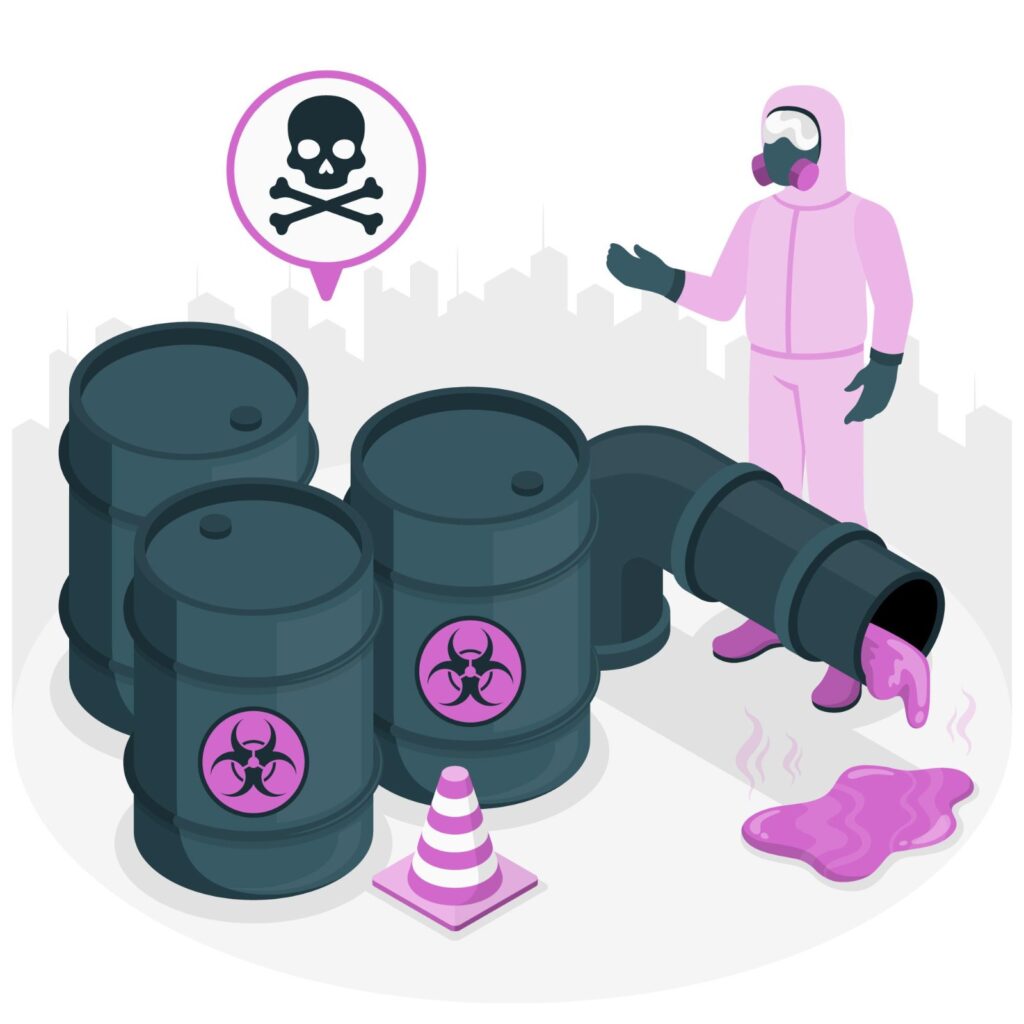
Safe Handling Protocols
HF handling demands strict procedural discipline. One mistake can result in life-altering injury or death. These protocols exist because of lessons learned from tragic incidents. Following them exactly prevents becoming another HF injury statistic.
Essential handling procedures:
-
- Never work alone when using HF at any concentration
-
- Ensure calcium gluconate gel is immediately accessible before starting work
-
- Conduct operations in fume hoods or well-ventilated areas
-
- Use polyethylene or Teflon containers exclusively
-
- Add acid to water slowly, never water to acid
-
- Keep emergency eyewash and shower within 10 seconds travel time
-
- Brief all personnel in the area about HF hazards and emergency protocols
Container and Material Compatibility
Glass containers shatter when exposed to HF as the acid etches and weakens the structure. Ceramic and concrete suffer similar degradation. Use only polyethylene, Teflon, or other fluoropolymer containers. These materials resist HF attack providing safe containment.
Secondary containment catches leaks or breaks preventing spills from spreading. The secondary container must also be HF-compatible material. Ensure adequate capacity to hold the entire primary container volume. Inspect both containers regularly for damage or degradation.
Metal containers react with HF producing hydrogen gas that can explode. Certain plastics like polycarbonate degrade rapidly. Check compatibility charts before using any container material. When uncertain, consult your safety officer or the manufacturer’s recommendations.
Dilution and Mixing Procedures
Always add HF to water, never water to HF. This rule applies to all acids but becomes critically important with HF given its toxicity. Adding water to concentrated acid generates intense heat causing splattering and vapor release.
Mix HF solutions in a fume hood using mechanical stirring if available. Add the acid slowly allowing heat dissipation between portions. Monitor temperature to avoid excessive heating. Violent reactions from rapid mixing can project HF onto you or colleagues.
Prepare only the quantity needed for immediate use. Storing mixed solutions increases handling risk. Label all diluted HF solutions with concentration, date, and hazard warnings. Dispose of excess properly rather than storing it indefinitely.
Storage and Containment Guidelines
HF storage requires dedicated areas with appropriate safety features. Segregation from incompatible chemicals prevents dangerous reactions. Proper signage alerts personnel to hazards even when containers are closed.
Segregation Requirements
Store HF separately from bases, oxidizers, and metals. The chemical reacts violently with these materials even through vapor contact. Maintain minimum 8-foot separation or use separate storage cabinets. Never store HF on shelves above other chemicals where leaks could contaminate items below.
Incompatible materials requiring segregation:
-
- Strong bases (sodium hydroxide, potassium hydroxide)
-
- Oxidizing agents (peroxides, nitric acid, permanganates)
-
- Reactive metals (sodium, potassium, calcium)
-
- Glass or ceramic containers
-
- Organic materials that could react
Designate storage areas with clear “Hydrofluoric Acid – Extremely Corrosive and Toxic” signage. Using only “HF” fails to communicate danger to unfamiliar personnel. Post emergency contact information and first aid procedures at storage locations.
Secondary Containment Specifications
Every HF container must sit in secondary containment made from compatible material. The containment should hold 110% of the container volume accounting for expansion or foam. Polyethylene trays or tubs work well for small bottles.
| Container Size | Secondary Containment Type | Additional Requirements |
| <500 mL | Polyethylene tray (2L capacity) | Individual container for each bottle |
| 500 mL – 4L | Polyethylene tub (6L capacity) | Non-slip surface, drain plug |
| 4L – 20L | Polyethylene drum basin | Forklift access, spill kit nearby |
| >20L | Dedicated storage room | Ventilation, eyewash, emergency shower |
Inspect secondary containment regularly for cracks or damage. HF slowly attacks even compatible plastics over time. Replace deteriorated containment before failure occurs. Keep containment clean and dry between uses to detect leaks quickly.
Conclusion
Is hydrofluoric acid dangerous? Absolutely, without question, and in ways that make it uniquely hazardous among industrial chemicals. The combination of skin penetration, delayed symptoms, systemic toxicity, and bone destruction creates extraordinary danger. Even small exposures can prove fatal without immediate proper treatment.
Safe HF handling requires comprehensive protocols including specialized PPE, buddy systems, and on-site antidotes. The chemical’s reactivity with common materials complicates containment and emergency response. Understanding hydrofluoric acid dangers guides appropriate respect and precautionary measures.
Organizations using HF must invest in proper training, equipment, and emergency preparations. Calcium gluconate availability is mandatory, not optional. Regular safety drills ensure workers react correctly during actual emergencies. The investment in safety pays dividends preventing devastating injuries.
For businesses requiring HF or seeking safer alternative chemical solutions, Elchemy connects you with qualified suppliers and technical expertise. We support safe chemical sourcing across industrial applications ensuring regulatory compliance and worker protection.