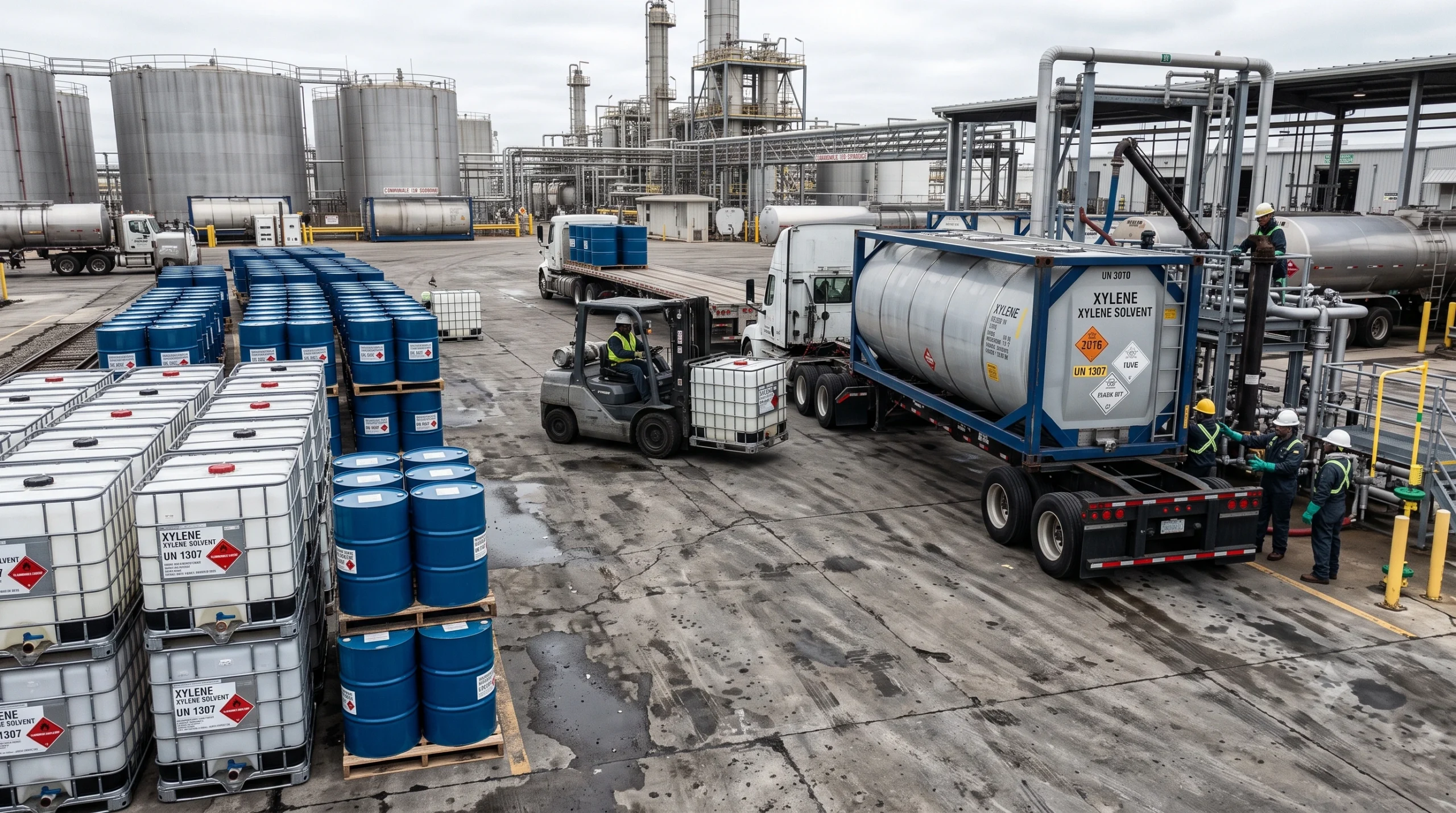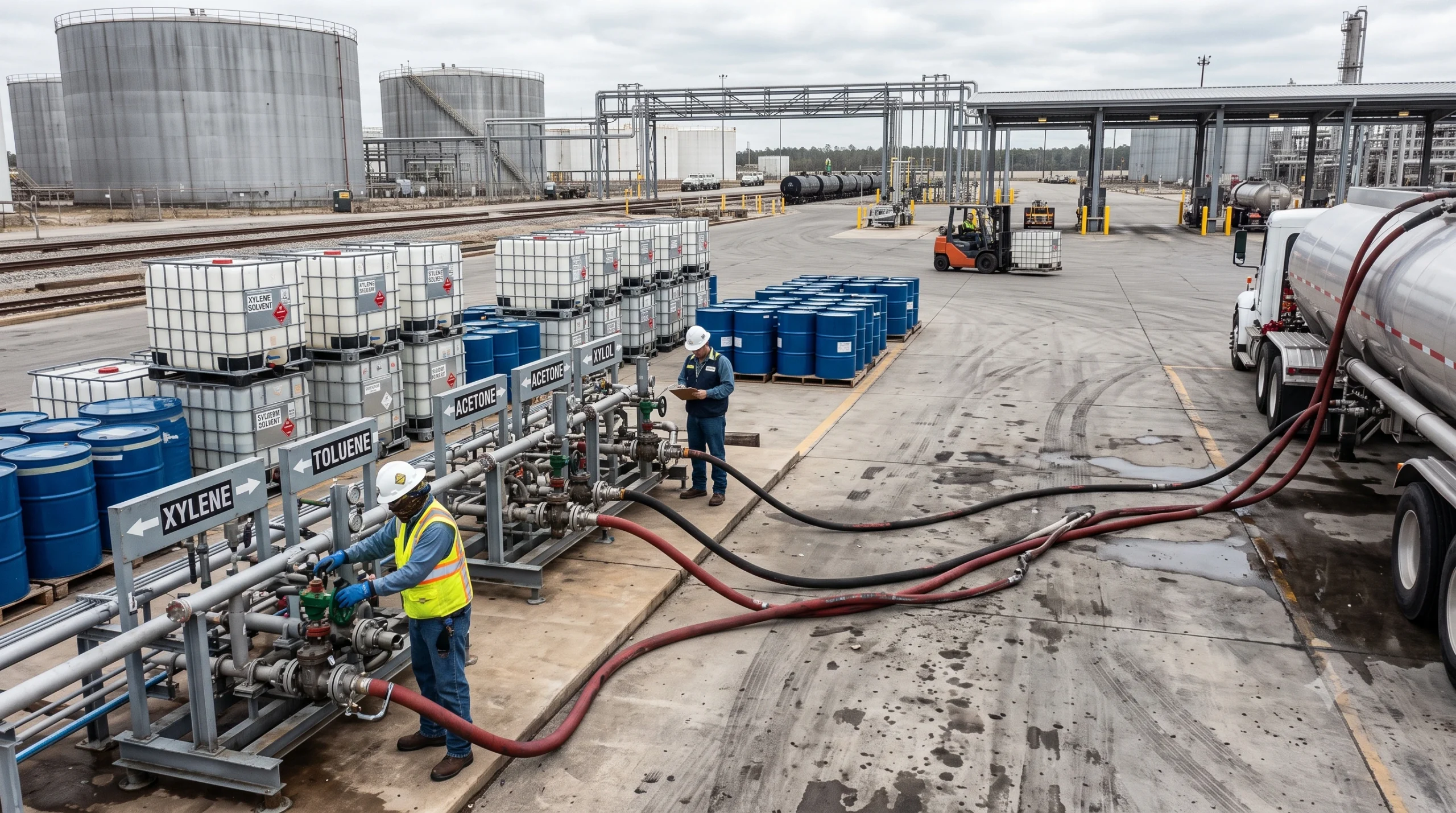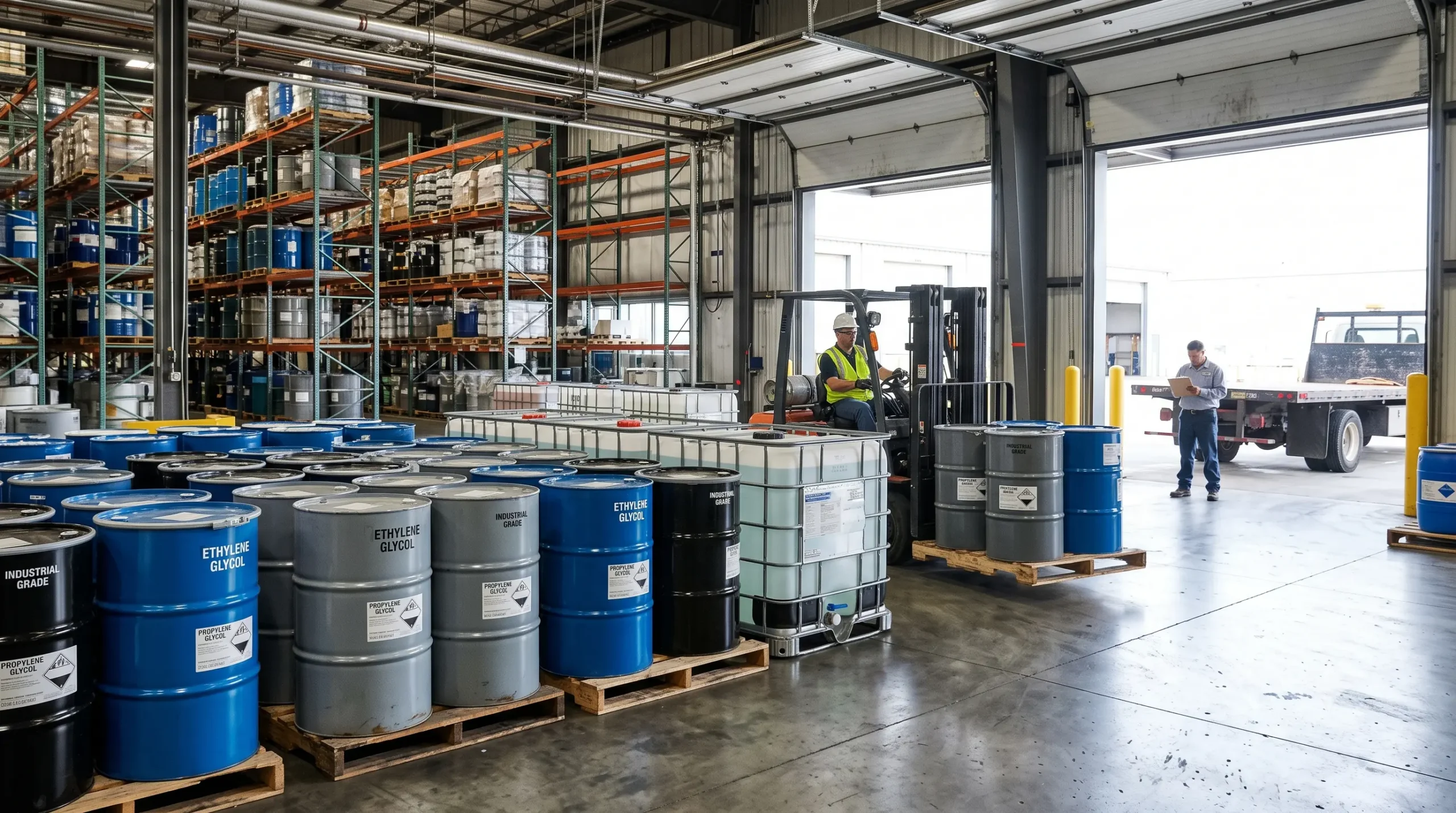


At a Glance
- Buy the specification, not the label: “Glycol” can mean ethylene glycol, propylene glycol, polyethylene glycol, glycol ethers, or related materials with very different uses and requirements.
- Start with the intended application: Your end use determines the appropriate chemical family, grade, inhibitor package, documentation, and packaging.
- Grade is not optional: Technical, USP, inhibited, and application-specific glycol products should not be treated as interchangeable.
- Compare delivered supply, not only price: A meaningful quote comparison includes documentation, lot consistency, packaging, freight, and qualification support.
- Use a product-specific route: Buyers can review industrial ethylene glycol options or propylene glycol product requirements before approaching suppliers.
What you’ll learn
This guide explains how industrial buyers can identify the right glycol, qualify a suitable supplier, prepare a complete RFQ, and avoid common sourcing mistakes before placing a bulk order.
Introduction
Buying glycol sounds simple until the purchasing team has to define what “glycol” means for a specific process. An HVAC system, a personal-care formulation, a food-related process, and a coatings operation may all use materials described as glycol. They do not necessarily require the same chemical, grade, inhibitor package, documentation, or supplier capability.
The practical answer is to buy glycol from a supplier that can match the full requirement: chemical identity, application, grade, quantity, packaging, delivery location, and required documents. A low unit price does not solve a specification mismatch, missing documentation, or unsuitable pack format.
For industrial buyers, the first decision is not where to buy glycol. It is which glycol to buy and what evidence the supplier must provide before the order is approved.
First, identify which glycol you actually need
The right glycol supplier depends on the exact chemical required, not on the generic word “glycol.” Glycols are a family of compounds, and the term is often used loosely in product listings, internal purchasing requests, and maintenance discussions.
For a procurement request, identify the full chemical name and CAS number where possible. Then state the end use. This prevents a buyer from comparing prices for materials that look similar in name but are unsuitable for the same process.
| Buyer question | What to specify | Why it matters |
| What chemical is required? | Full name and CAS number | Prevents substitution errors |
| What is the end use? | Process, formulation, or system | Determines acceptable grade |
| Is an inhibitor required? | Yes, no, or technical review needed | Affects performance and compatibility |
| What grade is needed? | Technical, USP, or approved specification | Controls qualification requirements |
| What quantity is needed? | First order and annual demand | Determines sourcing and packaging route |
| Where is delivery required? | Site, country, and receiving limits | Affects freight and pack selection |
Ethylene glycol vs. propylene glycol
Ethylene glycol and propylene glycol should be evaluated as separate purchase decisions. They may appear in overlapping heat-transfer or industrial contexts, but they have different safety, regulatory, and end-use implications.
Ethylene glycol is commonly associated with industrial heat transfer, antifreeze, and chemical intermediate applications. Propylene glycol is used across industrial, personal-care, food-related, pharmaceutical, and heat-transfer contexts, but the appropriate grade still depends on the precise use case. Buyers considering MPG can review mono propylene glycol details before issuing an RFQ.
Do not make the choice based on a generic description such as “non-toxic glycol” or “food-grade antifreeze.” Confirm the exact grade, applicable documentation, formulation requirements, and technical suitability with the responsible technical team.
Choose the grade and formulation before comparing suppliers
A supplier comparison becomes meaningful only after the grade, concentration, and formulation requirements are clear. Two quotes for “propylene glycol” may represent products with different purity, documentation, inhibitor status, packaging, or intended applications.
Technical grade may be suitable for a defined industrial process, while a higher-purity or application-specific grade may be required for a regulated or sensitive formulation. An inhibited product may be necessary for some closed-loop heat-transfer systems, while another buyer may need an uninhibited material for chemical processing or formulation.
Technical, USP, inhibited, and specialty requirements
The required grade should match the controlled specification for the end product or process. Technical language on a product listing is not a substitute for reviewing the current product documentation and confirming fit with quality, regulatory, and formulation stakeholders.
Before approving a source, ask for the documentation required by your internal quality process. This may include an SDS, TDS, COA, product specification, lot traceability information, or an application-specific statement. OSHA’s Hazard Communication Standard requires safety data sheets for hazardous chemicals supplied downstream, and an SDS should be reviewed as part of the buyer’s qualification process. See OSHA’s safety data sheet guidance for the standard U.S. SDS format and content.
Concentrate, premix, and inhibited glycol
The correct concentration depends on the system specification, not on what is easiest to source. Premixed or inhibited glycol can simplify procurement when the requirement is already defined, but it may be the wrong choice if the customer needs to control water quality, concentration, or additive selection internally.
For heat-transfer applications, the engineering team should define the operating temperature, system materials, inhibitor requirement, target concentration, and any relevant equipment guidance. For formulation applications, technical teams should instead confirm chemical identity, grade, compatibility, and permitted use before purchasing.
Where industrial buyers can purchase glycol
Industrial buyers can source glycol through manufacturers, distributors, sourcing partners, specialist coolant suppliers, and retail channels. The best route depends on volume, qualification complexity, delivery geography, and whether the buyer needs only material or also documentation and sourcing coordination.
A retail channel can be useful for a small, non-production requirement. It is usually a poor fit for a plant-scale procurement program that needs consistent specifications, formal documents, repeat supply, or delivery planning. A distributor or sourcing partner may be more useful when the buyer needs support across documentation, logistics, supplier coordination, or multiple locations.
| Purchase route | Best suited to | Buyer should verify |
| Direct manufacturer | Large, stable demand | Minimums, allocation, technical support |
| Industrial distributor | Repeat regional supply | Stock position, grade, documentation |
| Sourcing partner | Complex or multi-market demand | Supplier qualification and coordination |
| Specialist coolant supplier | Defined heat-transfer systems | Inhibitor package and system fit |
| Retail seller | Small non-production purchases | Product identity and documentation |
A strong sourcing process does not assume that one route is always better. Choose the route that can meet the documented requirement with an acceptable commercial and operational path.
How to qualify a glycol supplier
A qualified glycol supplier can show the buyer what material is being supplied, how it is documented, and how it will reach the receiving site. The supplier should be able to answer basic questions before the buyer commits to an order.
Start with a chemical supplier evaluation checklist, then apply glycol-specific controls. This is especially important when a product will enter a controlled manufacturing process or a system with defined performance requirements.
Evaluate the following areas:
- Product identity, grade, and specification alignment
- Current SDS, TDS, COA, and lot documentation
- Packaging options compatible with your receiving operation
- Supply continuity and ability to support repeat purchases
- Sample or qualification route when internal testing is required
- Clear quote terms, freight assumptions, and quote-validity period
- A contact path for technical and commercial questions
For ethylene glycol, safety review should be part of the sourcing process. NIOSH’s ethylene glycol profile provides occupational hazard and handling reference information that can support internal EHS review. It does not replace your site-specific risk assessment or product SDS.
What to include in a glycol RFQ
A complete RFQ gives suppliers enough information to quote the correct material and gives buyers a fair basis for comparison. It also reduces the chance that a supplier responds with a technically different product because the original request was incomplete.
Include these seven items in every industrial glycol RFQ:
- Chemical identity: Full chemical name, product name, and CAS number if available.
- Application: State the manufacturing process, formulation use, or equipment system.
- Required specification: Identify grade, purity, inhibitor status, concentration, or approved standard.
- Volume: Provide the immediate order quantity, expected annual volume, and delivery frequency.
- Packaging: State whether you require drums, IBCs, bulk transport, or another approved pack format.
- Delivery details: Include the ship-to location, preferred delivery date, receiving hours, and any unloading constraints.
- Documents and qualification: List required SDS, TDS, COA, sample, quality agreement, or approval process.
This RFQ format is the article’s main decision tool. It turns a vague request for glycol into a sourcing request that technical, quality, logistics, and procurement stakeholders can evaluate consistently.
Cost, packaging, and logistics factors that change the delivered price
The most useful glycol price is the delivered, qualified cost for your actual requirement. A headline price per gallon can be misleading when it excludes packaging, concentration, documentation, freight, delivery limitations, or the cost of an unsuitable product.
Price can change with chemical family, grade, order size, inhibitor package, packaging, destination, and market conditions. Buyers should also clarify whether freight, handling, testing, taxes, and delivery-site requirements are included in the quote.
For low-volume or fragmented purchasing programs, tail-spend management procurement support may help teams establish a more consistent buying process. For production-critical materials, focus first on specification and supply continuity, then use the final quote to compare total delivered cost.
Which glycol buying path fits your application?
The best buying path starts with the application and works backward to the chemical specification. Buyers should not select a material solely because another department uses “glycol” in a different process.
| Application scenario | Decision questions | Recommended next step |
| Heat-transfer system | Is an inhibitor or premix required? | Confirm system specification |
| Personal-care formulation | Which ingredient grade and documents are required? | Review personal care ingredient sourcing |
| Food or nutrition process | What specification and regulatory review apply? | Review food and nutrition sourcing |
| Industrial formulation | Is glycol a solvent, humectant, or processing aid? | Review chemical intermediates supply context |
| Fragrance or specialty formulation | Is DPG the specified carrier or solvent? | Review dipropylene glycol product details |
| Polymer or specialty process | Is PEG the intended material and molecular-weight range? | Review polyethylene glycol product details |
Choose ethylene glycol when the approved process specification calls for ethylene glycol and the site can meet its handling requirements. Choose propylene glycol when the application specification, grade, and internal quality review require it. Choose DPG, PEG, or another derivative when the formulation or process explicitly requires that material.
How to choose an industrial supplier [Where to Buy Acid: How to Choose an Industrial Chemical Supplier] is a relevant future resource for buyers building a broader chemical-vendor qualification framework. For MPG-specific procurement, preserve the future link opportunity: propylene glycol procurement guide [Where to Buy Propylene Glycol: B2B Guide].
Frequently asked questions
1. Where can I buy glycol in bulk for industrial use?
Buy bulk glycol through a manufacturer, industrial distributor, sourcing partner, or specialist supplier that can meet your defined specification. The best route depends on volume, grade, documentation, packaging, and delivery location. Start with a complete RFQ so suppliers quote the right material rather than a generic glycol product.
2. What information do I need before requesting a glycol quote?
You need the chemical identity, intended application, required grade, inhibitor or concentration requirement, quantity, packaging preference, delivery destination, and required documents. Including those details allows a supplier to assess fit and helps your team compare quotes on a consistent basis rather than comparing incomplete offers.
3. Is propylene glycol the same as ethylene glycol?
No. Propylene glycol and ethylene glycol are different chemicals with different use cases, safety considerations, and qualification requirements. They may both be associated with heat-transfer or industrial applications, but they should not be substituted without approval from the responsible technical, quality, and EHS stakeholders.
4. What kind of glycol is food grade?
A food-related application requires a product grade and documentation that are appropriate for the specific use and market. “Glycol” alone is not a food-grade designation. Buyers should state the intended use, required standard, and documentation needs, then have quality or regulatory personnel approve the proposed product.
5. Can I buy glycol in drums, IBC totes, or bulk?
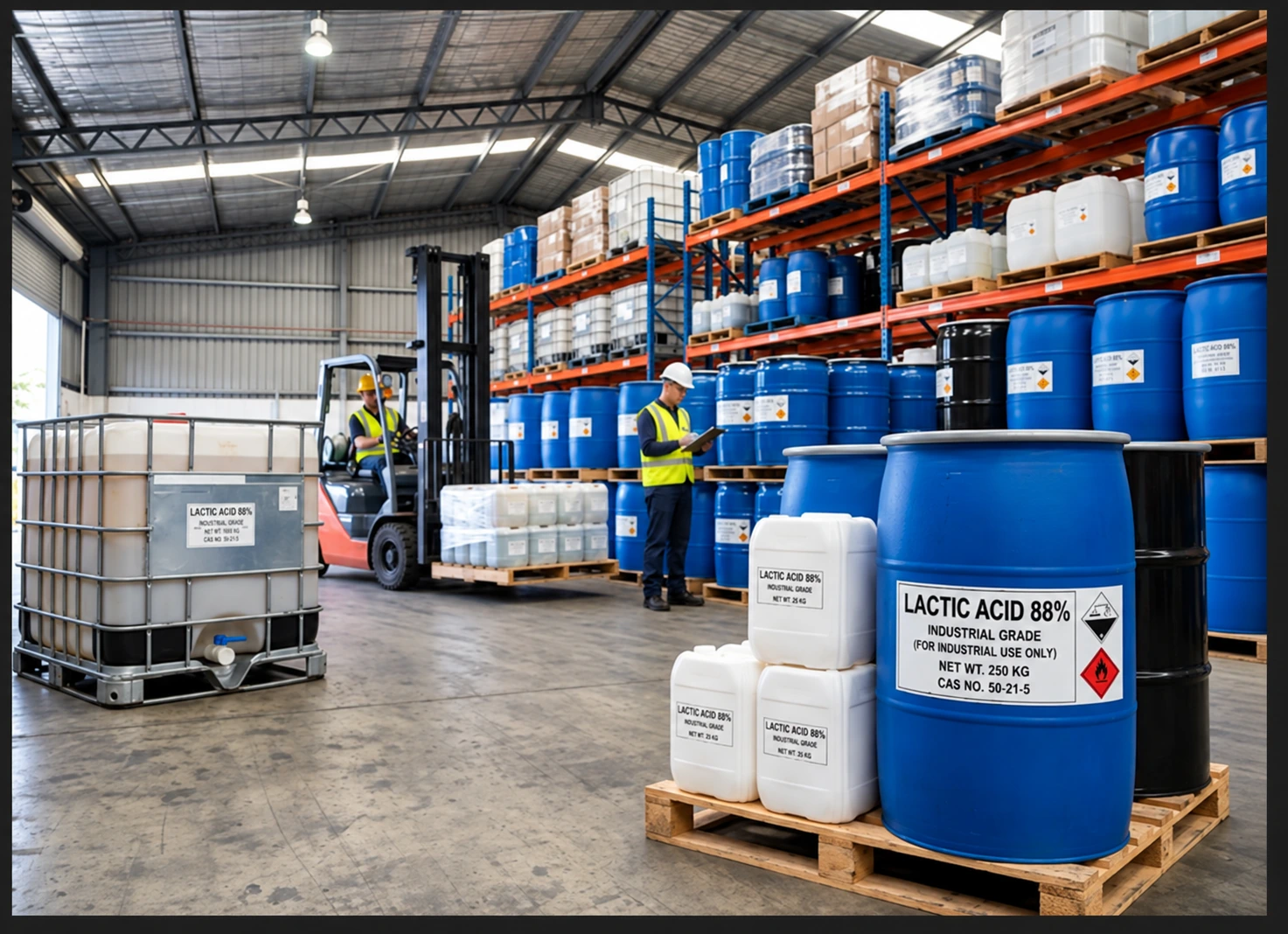
Packaging depends on the material, supplier, destination, order volume, and receiving capability. Drums and IBCs may fit lower-volume or staged consumption, while bulk options can suit larger and repeat demand. Confirm pack size, container compatibility, unloading equipment, and waste-handling requirements before ordering.
6. What documents should an industrial glycol supplier provide?
The required document set depends on the application, but commonly includes an SDS, TDS, COA, specification sheet, and traceability information. Regulated or controlled applications may need additional documentation. Define these requirements in the RFQ so the supplier can confirm what is available before your qualification process begins.
7. How much does glycol cost per gallon or litre?
Glycol pricing depends on chemical family, grade, concentration, additives, quantity, packaging, freight, and market conditions. Compare the total delivered quote for the approved specification, not a generic per-gallon figure. A lower listed price may not include the documentation, packaging, or logistics required for your actual order.
8. Is glycol the same as antifreeze?
Not always. Glycol can be a component of an antifreeze or heat-transfer formulation, but “antifreeze” can also describe a finished product with water, inhibitors, dyes, or other additives. Buyers should confirm whether they need neat glycol, inhibited glycol, or a specified finished fluid before requesting quotes.
Choose the specification first, then source with confidence
The right place to buy glycol is the supplier route that can meet your full technical and commercial requirement. Start by identifying the exact glycol family, grade, application, documentation, packaging, and delivery needs. Then compare suppliers against those same criteria.
That approach protects the buying team from low-price comparisons that hide material, documentation, or logistics differences. It also gives technical and quality stakeholders a clear approval path.
Where a sample is part of your qualification process, request a sample for qualification after confirming the required glycol specification.