

Sodium citrate shows up everywhere – sports drinks, processed cheese, IV fluid formulations, skincare products, industrial cleaning agents. And yet, when buyers actually try to source it in volume, things get complicated fast. Wrong grade. Unclear MOQs. Suppliers who quote one price and invoice another. Manufacturers in China or India who stop responding after the first inquiry.
If you’re searching for a reliable sodium citrate supplier and you want a straight picture of what the process actually involves, this guide is for you. You’ll find a breakdown of product grades, a realistic look at pricing per kg, a clear comparison of manufacturer versus distributor sourcing, and a walkthrough of how companies like Elchemy are simplifying global procurement for chemical buyers. By the end, you’ll know what to ask, what to watch out for, and where to actually spend your time.
Getting the Grade Right Before You Think About Price

This is where most buyers go wrong first. They start comparing prices before they’ve confirmed which grade they need. That almost always creates problems downstream.
Sodium citrate isn’t a single product. It comes in several forms and grades, each with different purity requirements, regulatory certifications, and appropriate applications.
Food Grade (E331) is the most widely sourced type. It’s used as an emulsifier, buffering agent, and preservative across beverages, dairy products, and packaged foods. If you’re buying for food processing, this is your grade. Look for E331 compliance and, depending on your market, Halal and Kosher certification.
Pharmaceutical Grade (USP/BP) requires 99%+ purity, tight heavy metal limits, and batch-level traceability. Documentation needs are strict. Don’t try to substitute food grade here – the purity gap matters, and it’ll show up in a regulatory audit.
Technical or Industrial Grade tolerates lower purity and is appropriate for water treatment, industrial cleaning, or metal processing applications. Pricing is notably lower per kg. If you’re buying for non-consumable industrial use, there’s no reason to pay food grade premiums.
One thing that catches buyers off guard: trisodium citrate comes in both anhydrous and dihydrate forms. The dihydrate is standard and widely available. Anhydrous is used in applications where moisture content is tightly controlled. They’re not interchangeable in formulations, so check your spec sheet before you place any order.
Get the grade confirmed before you start the supplier conversation. Everything else follows from that.
Manufacturer vs. Distributor: What the Difference Actually Costs You
This question comes up in nearly every procurement conversation. And the honest answer is – it depends on your volume, your timeline, and how much documentation burden you can handle yourself.
Going direct to a sodium citrate manufacturer gets you better pricing at scale, direct access to production and testing documentation, and the ability to negotiate custom specifications. Sounds straightforward. But manufacturers typically set high minimum order quantities. We’re talking 1 to 20 metric tons in many cases. And if you’re sourcing from overseas manufacturers in China or India, communication timelines stretch, and navigating export documentation on your own is a real operational lift.
Distributors are the opposite problem. They carry stock. They’ll ship 25 kg bags this week. They often have pre-tested inventory and existing compliance paperwork ready to go. But you’re paying a margin layer – typically 10 to 20% above manufacturer pricing, sometimes more depending on where you’re buying.
For most mid-sized buyers, the smartest move is working with a distribution partner that has direct manufacturing relationships. That’s different from a pure distributor. companies like Elchemy operate this way – connecting buyers to vetted manufacturers while handling the coordination layer. You get pricing that’s closer to manufacturer-direct, with the documentation access and logistical support that a pure manufacturer relationship doesn’t always offer.
It’s not glamorous, but for buyers who don’t want to manage a six-month supplier vetting process from scratch, it’s the practical path.
What to Look For Before You Commit to Any Supplier
There are a lot of listings online. A lot of them look credible on the surface and aren’t. Before you move forward with any company – manufacturer, distributor, or platform – here’s what actually matters.
Documentation you should ask for upfront:
· Certificate of Analysis (CoA) – per batch, not just a one-time sample
· Safety Data Sheet (SDS)
· ISO 9001 certification for the manufacturing or distribution facility
· GMP certification if you’re sourcing for pharmaceutical use
· Halal/Kosher certificates if required for your end application
· FSSAI, FDA, or EFSA compliance documentation depending on your target market
MOQ clarity. If your procurement need is 500 kg and the supplier’s minimum is 5,000 kg, that’s not a starting-point negotiation – that’s a mismatch. Confirm this before you invest two weeks in conversations.
Sample availability. Any legitimate food grade sodium citrate manufacturer or distributor will send samples without drama. If they hesitate on samples before a sizable order, that tells you something about how the relationship will go once you’re locked in.
Pricing structure. Ask whether pricing is fixed per PO or indexed to market rates. Raw material costs fluctuate – citric acid feedstock prices in particular can move – and some suppliers adjust invoices after confirmation. It’s more common than it should be, and finding out after the fact is genuinely annoying.
One more thing: watch out for brokers who present themselves as manufacturers. They’re not always dishonest, but they add a markup and often can’t provide the production-level traceability documentation that regulated buyers need. If your application requires a documented chain of custody, work with someone who actually has access to manufacturing records.
Sodium Citrate Pricing: What You’ll Actually Pay
Let’s get specific. Pricing varies based on grade, volume, origin, and inconvenience. Here’s a realistic snapshot of market pricing as of 2026:
| Grade | Price Per Kg (Small Volume) | Price Per Kg (1 MT+ Bulk) | Typical MOQ |
| Food Grade Dihydrate | $1.80 – $3.20 | $1.20 – $2.00 | 25 – 500 kg |
| Pharmaceutical Grade (USP/BP) | $4.00 – $8.00 | $2.80 – $5.50 | 100 kg |
| Technical / Industrial Grade | $0.90 – $1.60 | $0.70 – $1.20 | 500 kg+ |
| Anhydrous (Food/Pharma) | $2.20 – $4.50 | $1.60 – $3.00 | 100 kg |
Chinese producers dominate the lower end of food grade pricing. At container-load volumes (20+ MT), ex-works pricing can drop below $1.20/kg from manufacturers in Shandong or Jiangsu provinces. European and US-based suppliers run higher – sometimes 40 to 60% above Asian sources – but they simplify compliance documentation significantly for buyers targeting Western regulated markets.
The number buyers consistently underestimate is landed cost. Buying at $1.30/kg FOB Shanghai looks appealing until you factor in ocean freight, customs duties, inland transportation, and insurance. Your real cost lands closer to $1.80 to $2.10/kg in most cases. Always work backward from a landed cost calculation, not an ex-works quote.
Pricing also drops in meaningful steps. There’s usually a noticeable discount above 1 MT, and again above 5 MT. If you’re a regular buyer still purchasing 25 kg bags at near-retail pricing, you’re overpaying. A conversation with a bulk sodium citrate supplier about volume pricing is worth having even if you don’t immediately need a full pallet.
How Elchemy Helps With Sodium Citrate Sourcing
Finding a credible sodium citrate sourcing partner from scratch is time-consuming in a way that most buyers don’t anticipate until they’re already three weeks into it. That’s the core problem Elchemy was built to address.
Elchemy operates as a technology-driven chemical distribution and custom manufacturing platform, currently working with buyers across 25+ countries. Here’s what distinguishes it from a standard listing directory:
Verified supplier network. Elchemy works with vetted manufacturers, not open listings. When you’re looking to buy sodium citrate online for commercial or industrial use, that verification layer matters more than most buyers realize until something goes wrong.
Grade-specific product listings with real specifications. You can search for food grade, pharmaceutical grade, or industrial sodium citrate and get specifications that match what you actually need – not a generic catch-all entry that requires ten follow-up emails to clarify.
Transparent bulk pricing. As a bulk sodium citrate supplier network, Elchemy connects buyers to competitive pricing across regions. The pricing transparency built into the platform reduces the back-and-forth that makes traditional B2B procurement slow and frustrating.
Documentation included. CoA, SDS, and compliance certificates are available alongside product listings, not something you have to chase down separately after payment.
Custom manufacturing capability. If your formulation requires a specific particle size distribution, a particular purity threshold, or non-standard packaging, Elchemy’s manufacturing arm can accommodate that. This is genuinely useful for specialty chemical buyers who aren’t sourcing off-the-shelf commercial grades.
For businesses evaluating where to buy sodium citrate at scale, it’s worth exploring what’s available through the platform before defaulting to a traditional procurement process.
→ Book a demo or explore bulk sodium citrate pricing and specifications directly at Elchemyproduct/sodium-citrate-1029
Where Global Buyers Actually Source Sodium Citrate
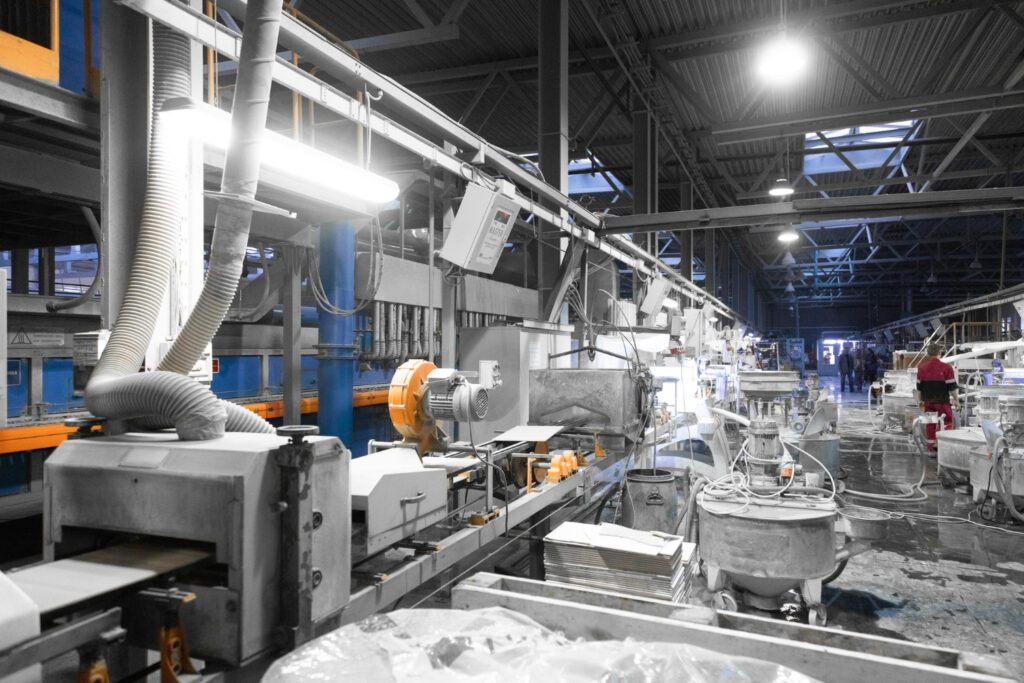
The global supply chain for sodium citrate is well-developed. Knowing who produces what – and from where – helps you make faster, smarter sourcing decisions.
China is the dominant producer by volume. Major manufacturers are concentrated in Shandong, Jiangsu, and Anhui provinces, with companies like RZBC Group and Weifang Ensign Industry producing at serious scale. Pricing is competitive, especially at container load volumes. The trade-offs are real though: longer lead times, language barriers in technical conversations, and additional steps required for Western regulatory compliance. Working through a platform like the best chemical manufacturing and distribution supplier network removes most of that friction.
India is growing fast as a sourcing option, particularly for pharmaceutical and food grade product. Indian manufacturers tend to be more flexible on MOQs than Chinese counterparts and are often easier to work with on documentation for regulated markets. Pricing sits between Asian and European sources – not the cheapest, but often the right balance of cost and compliance accessibility.
Europe (particularly Germany, Belgium, and the Netherlands) offers the easiest compliance pathway for buyers selling into EU markets. Domestic sourcing eliminates import complexity and speeds up regulatory documentation. Pricing is higher – sometimes significantly – but for EU-facing businesses, the documentation savings often justify it.
United States domestic distributors carry food grade and pharmaceutical grade sodium citrate for buyers who need short lead times and want to avoid import logistics entirely. Again, pricing is notably higher per kg than Asian sources.
For a wholesale sodium citrate supplier relationship, it’s sensible to maintain options across at least two regions. Supply constraints happen. Prices shift. Having a secondary sourcing option isn’t overcautious procurement – it’s standard practice for any buyer running regular production volumes.
Mistakes That Consistently Slow Down the Sourcing Process
These aren’t hypothetical. They come up repeatedly in chemical procurement, especially for buyers sourcing internationally for the first time.
Ordering without confirming the specific form. Dihydrate versus anhydrous, powder versus granular – these aren’t interchangeable in many formulations. Your product spec sheet should dictate which form you order. If you’re searching “where to buy sodium citrate” and ordering whatever comes up first, there’s a real chance you’ll receive the right compound in the wrong physical form.
Skipping the sample stage to save time. This one is painful in retrospect. A team rushes a procurement decision, skips the sample validation step, and ends up with 500 kg of product that doesn’t meet the purity spec. A sample takes a week. A rejected batch takes much longer to resolve. The time math doesn’t work in favor of skipping it.
Looking only at unit price. This is probably the most common mistake. Your real cost is landed cost: unit price plus freight, customs duties, testing fees, and storage. A supplier quoting $0.25/kg less than the competition can easily be the more expensive option once the full cost picture is visible. Run the landed cost calculation every time, without exception.
Not locking in pricing before confirming production. Sodium citrate pricing fluctuates with citric acid feedstock costs. If you confirm a large order verbally or via email without a written price lock, you’re exposed to a revised invoice. It happens. Ask for a written quote with a validity window before moving to confirmation.
Working with unverified intermediaries presenting as manufacturers. The easiest way to avoid this is to ask for facility certification documents – not just product certificates. A real food grade sodium citrate manufacturer can provide ISO and GMP certification tied to a specific production facility. A broker typically can’t.
Frequently Asked Questions
What is the difference between a sodium citrate supplier and a sodium citrate manufacturer?
A manufacturer produces sodium citrate directly, controlling synthesis, purification, and packaging. A supplier is typically a distributor or trading company that sources from manufacturers and resells. Some companies operate as a hybrid – they have direct relationships with manufacturers and handle distribution, giving buyers access to manufacturer-level documentation with the logistical support of a distributor. Elchemy operates this way.
What is the typical sodium citrate price per kg for bulk orders?
Food grade sodium citrate in bulk quantities of 1 MT or more generally runs between $1.20 and $2.00 per kg from Asian manufacturers. European and US-based sources are higher. Pharmaceutical grade (USP/BP) typically falls in the $2.80 to $5.50/kg range at volume. Always clarify whether pricing is ex-works, FOB, or CIF – that distinction significantly affects your actual cost.
Where can I buy sodium citrate online for commercial or industrial use?
Several B2B companies and direct supplier sites carry food grade and industrial sodium citrate. For buyers who want verified documentation, consistent quality, and competitive bulk pricing without going through a long RFQ process, companies like Elchemy are worth exploring. You can browse specs, request samples, and get pricing information in one place rather than managing multiple supplier conversations in parallel.
Is food grade sodium citrate safe to use in pharmaceutical applications?
No. Food grade and pharmaceutical grade carry different purity requirements and testing protocols. USP or BP-grade product is required for pharmaceutical formulations. Using food grade sodium citrate in a drug product is a compliance violation in most regulated markets, and your batch documentation won’t hold up to regulatory review. Don’t try to bridge this gap – the grades exist for a reason.
What certifications should I require from a sodium citrate supplier?
At minimum: ISO 9001 for quality management, a batch-level Certificate of Analysis, and a current Safety Data Sheet. For food applications, you also want E331 compliance (or the equivalent in your target market), plus Halal and Kosher if your product requires it. For pharmaceutical use, add GMP certification tied to the specific manufacturing facility and USP or BP compliance documentation.
What minimum order quantity should I expect from a sodium citrate supplier?
Distributors typically offer 25 to 500 kg minimums, which works for smaller buyers and sample-scale procurement. Direct manufacturers usually start at 1 to 5 MT, with better pricing at full container loads of 20 to 25 MT. If you need competitive pricing but can’t commit to large minimum quantities, working through a sourcing platform that aggregates multiple suppliers is often the most practical approach.
Conclusion
Sourcing sodium citrate isn’t inherently complicated. But it does reward the buyers who slow down on a few key decisions: confirming the right grade before comparing prices, calculating landed cost instead of unit cost, validating suppliers before committing to volume, and understanding whether a manufacturer or distributor relationship fits their actual procurement needs.
The global supply is there. The options are wide. The question is finding a setup where pricing, documentation, and reliability come together in one sourcing relationship instead of spreading across five vendors you’re constantly chasing.
Confirm your required grade (food, pharmaceutical, technical) before starting any supplier conversation – it determines every downstream requirement.
The landed cost is what you actually pay. Ex-works pricing looks good until you add freight, duties, and handling.
Always validate with samples and batch CoA documentation before placing bulk orders, regardless of how reputable a supplier appears.For businesses ready to source sodium citrate at scale – with transparent pricing, verified documentation, and global logistics support – Elchemy connects buyers to a vetted network of manufacturers across key supply regions. Start your sourcing process at Elchemy.