

At a Glance
- EPA banned most industrial and commercial uses of methylene chloride effective July 8, 2024
- Most industrial and commercial uses must stop by April 28, 2026
- At least 88 workers have died from acute methylene chloride exposure since 1980
- No single drop-in replacement exists; the right substitute depends on your application
- Main methylene chloride alternatives: dibasic esters, NMP, benzyl alcohol, aqueous cleaners, ethyl acetate
- Some uses are exempt, including EV battery separator production, polycarbonate manufacturing, and lab use
- Waiting on the switch is a supply chain risk, not just a compliance one
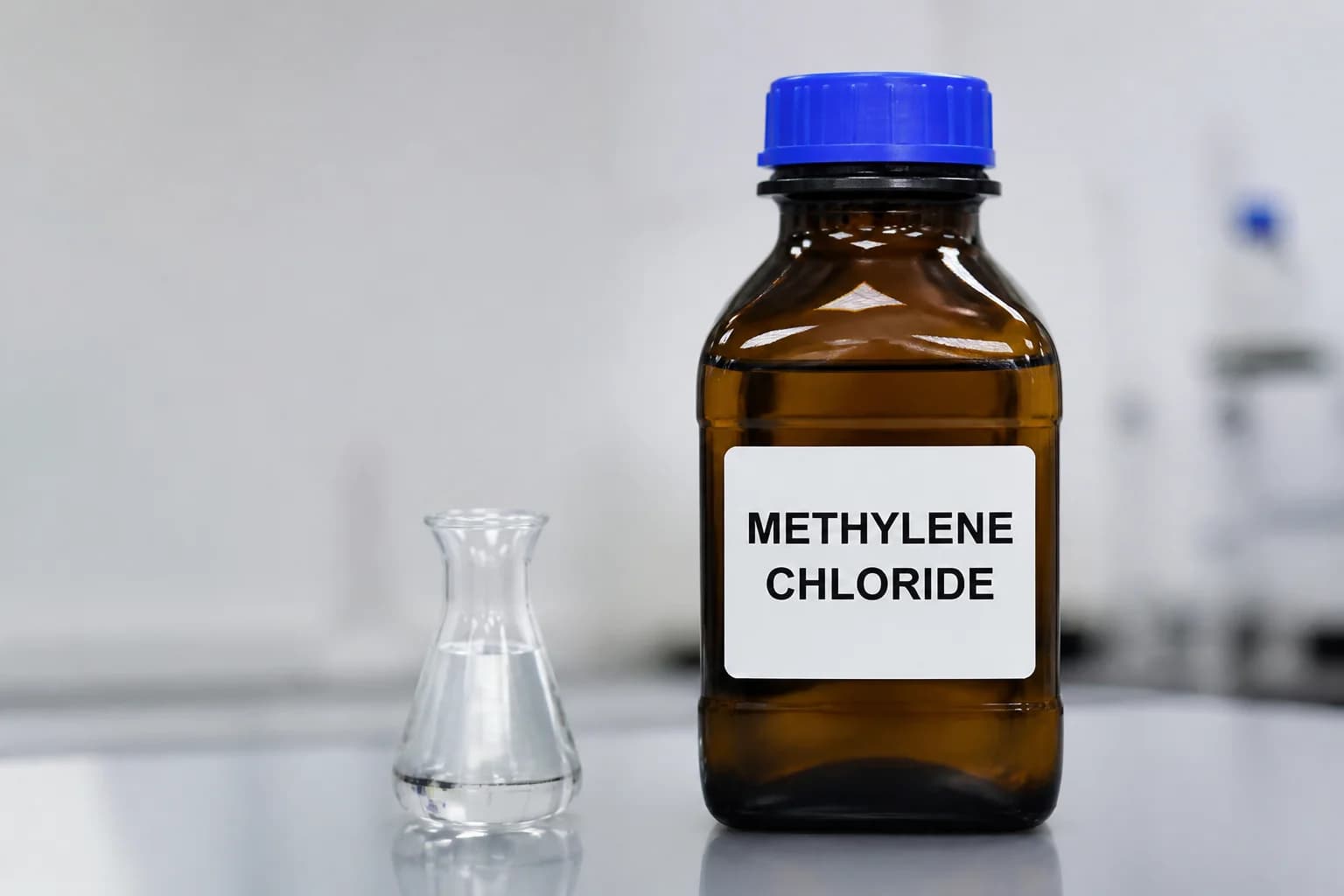
Methylene chloride, also known as dichloromethane or DCM, has been one of the most widely used industrial solvents in America for the better part of a century. Fast acting, powerful, and effective on nearly everything from multilayer coatings to pharmaceutical extractions. Factories built entire processes around it.
In April 2024, the EPA finalized prohibitions under the Toxic Substances Control Act banning methylene chloride from all consumer uses and most industrial and commercial applications, citing serious cancer risks, neurotoxicity, and dozens of documented worker deaths. The new EPA workplace exposure limit is 2 ppm as an 8-hour time-weighted average, compared to OSHA’s previous limit of 25 ppm, which means even facilities that still qualify for continued use are operating under far tighter conditions. For the vast majority of US manufacturers, finding a reliable methylene chloride substitute is now a legal deadline, not a choice.
Why Methylene Chloride Got Banned
The short answer: it was killing people. Methylene chloride is acutely lethal, a neurotoxicant, and a carcinogen, and EPA’s 2020 risk evaluation found it presented unreasonable risk across 52 of 53 conditions of use studied. Workers in bathtub refinishing, paint stripping, and industrial degreasing were most exposed, often in poorly ventilated spaces.
One of the most dangerous aspects is that DCM metabolizes in the body into carbon monoxide. So workers can essentially suffer carbon monoxide poisoning without any CO source present, and often without warning since the odor threshold is well above safe exposure levels.
The phase out for most industrial and commercial uses, including uses in printing, was vApril 28, 2026.
The Industries Hit Hardest by This Ban
The ban does not land equally across sectors. Some industries built entire production workflows around DCM and are now facing the most pressure to restructure.
- Automotive refinishing – Paint stripping and surface prep relied heavily on DCM-based removers for speed on multilayer coatings
- Aerospace – Component cleaning and adhesive work in aircraft maintenance were two of the heaviest use areas
- Furniture refinishing – One of the last categories to get an extended deadline precisely because alternatives underperform on wood finishes
- Pharmaceuticals – DCM was a preferred extraction and purification solvent because of its selectivity and easy removal
- Printed circuit board manufacturing – Used in cleaning and photoresist stripping at scale
- Food processing – Decaf coffee and tea extraction used DCM commercially for decades
Which Uses Are Still Allowed?
Before switching everything, it helps to know what still qualifies for use under EPA’s exemptions:
- Production of HFC-32 refrigerant (important for HVAC manufacturers)
- EV battery separator manufacturing
- Use as a laboratory chemical (with extended compliance timelines for non-federal labs)
- Plastic and rubber manufacturing including polycarbonate production
- Solvent welding
- Commercial paint and coating removers for furniture refinishing and commercial adhesives for aircraft have an extended deadline until May 8, 2029, but strict workplace controls apply
If your use does not fall into one of these categories, the switch is mandatory before April 2026.
Methylene Chloride Alternatives by Application
There is no single substitute that works for everything. DCM’s unique chemistry, small molecular size and strong solvency, is genuinely hard to replicate. But workable alternatives exist for every major use case.
Paint Stripping and Coating Removal
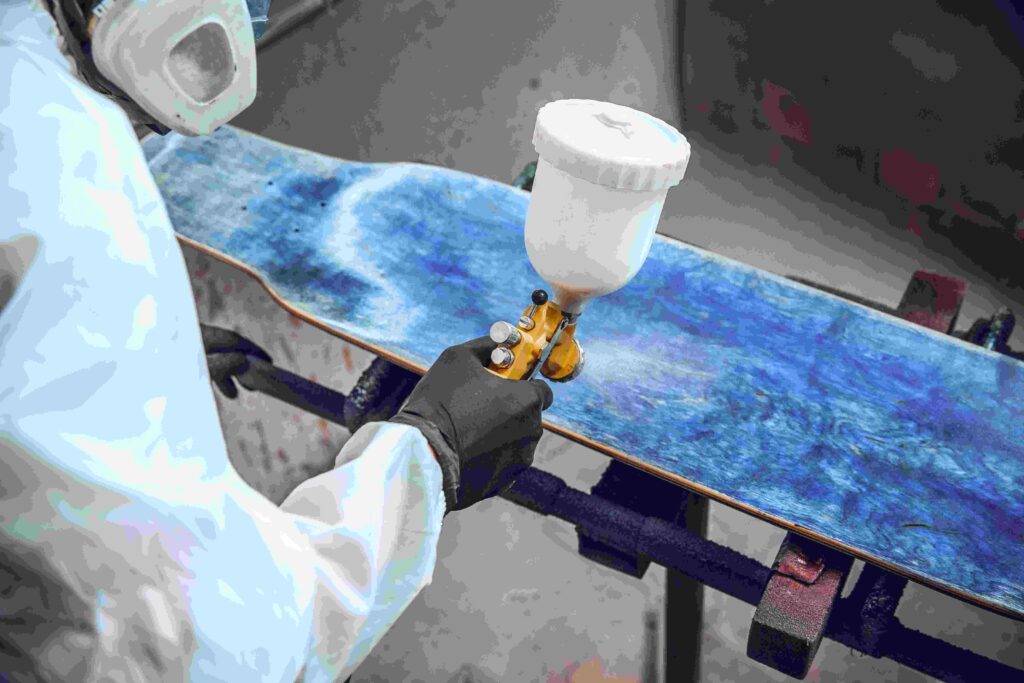
This is where the performance gap is most obvious. Methylene chloride paint removers removed all layers in five minutes in controlled testing, while over four hours later only 12 of 22 alternative removers had removed all layers of oil-based alkyd paint. That gap is real and manufacturers planning process timelines need to account for it.
Current commercial options:
- Dibasic esters (DBE) such as dimethyl adipate, dimethyl glutarate, and dimethyl succinate. Biodegradable, low volatility, no Prop 65 warnings. Work time is longer, typically 6 to 12 hours for multilayer coatings
- NMP (N-methyl-2-pyrrolidone) – Faster than DBE, often used in combination with benzyl alcohol. NMP carries a California Prop 65 warning for reproductive harm, so it comes with its own regulatory baggage
- Benzyl alcohol – Often blended with DBE or NMP. Lower hazard profile, slower action
- Soy-based and bio-based strippers using methyl soyate. Good for light to medium coatings, not reliable on thick industrial systems
Alternative paint removers that don’t contain methylene chloride work much less effectively for multilayer applications, taking 6 to 12 hours where DCM would work in 20 minutes or less. So the chemistry works, just not at the same speed.
Metal Cleaning and Degreasing
More options here, and some come with equivalent cleaning performance.
Aqueous cleaning processes use water and water-based detergents and are available as either immersion baths or spray systems. Vacuum vapor degreasers can also replace methylene chloride by using modified alcohols or hydrocarbon solvents inside a sealed chamber.
| Alternative | Key Advantage | Best For |
| Aqueous cleaners | No hazardous vapors, cost-effective | General metal parts, machining residues |
| Vacuum vapor degreasers | Near-zero worker exposure, high cleanliness | Precision parts, aerospace, electronics |
| Hydrofluoroether (HFE) solvents | Low toxicity, low GWP | Medical devices, circuit boards |
| Modified alcohol blends | Drop-in compatible, lower cost | General industrial degreasing |
One real-world data point: Schick manufacturing eliminated TCE and methylene chloride by installing aqueous wash boxes on production lines and an alcohol-based vapor degreaser, achieving an estimated cost reduction of $250,000 a year from reduced energy, materials, and hazardous waste disposal costs. The savings are not just theoretical.
Pharmaceutical and Food Processing Extraction
Dichloromethane has been widely used as a process solvent in pharmaceutical manufacturing and film coatings, and as an extraction solvent in food processing. Decaf coffee and tea extraction is probably the most consumer-facing use.
Leading replacements in this space:
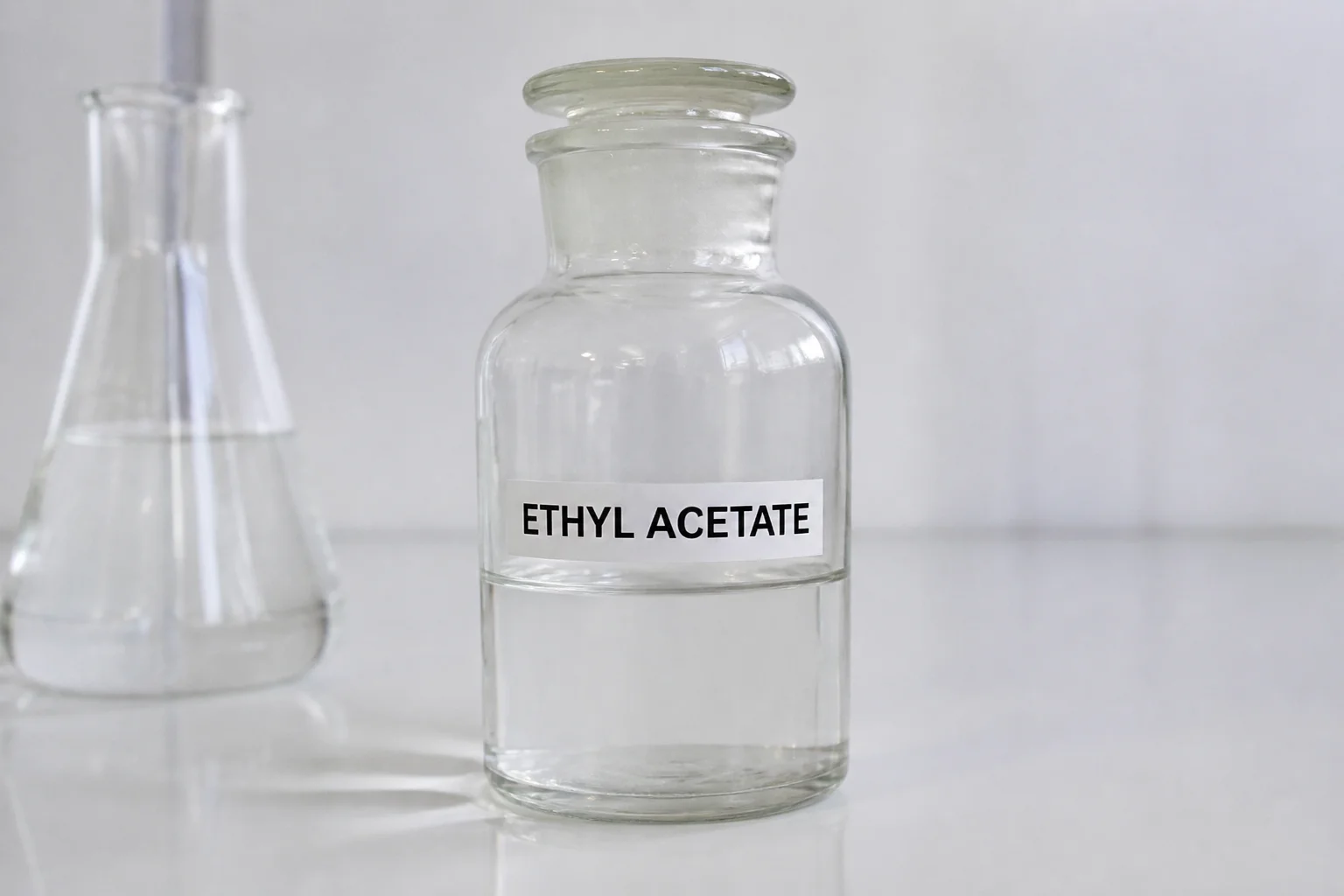
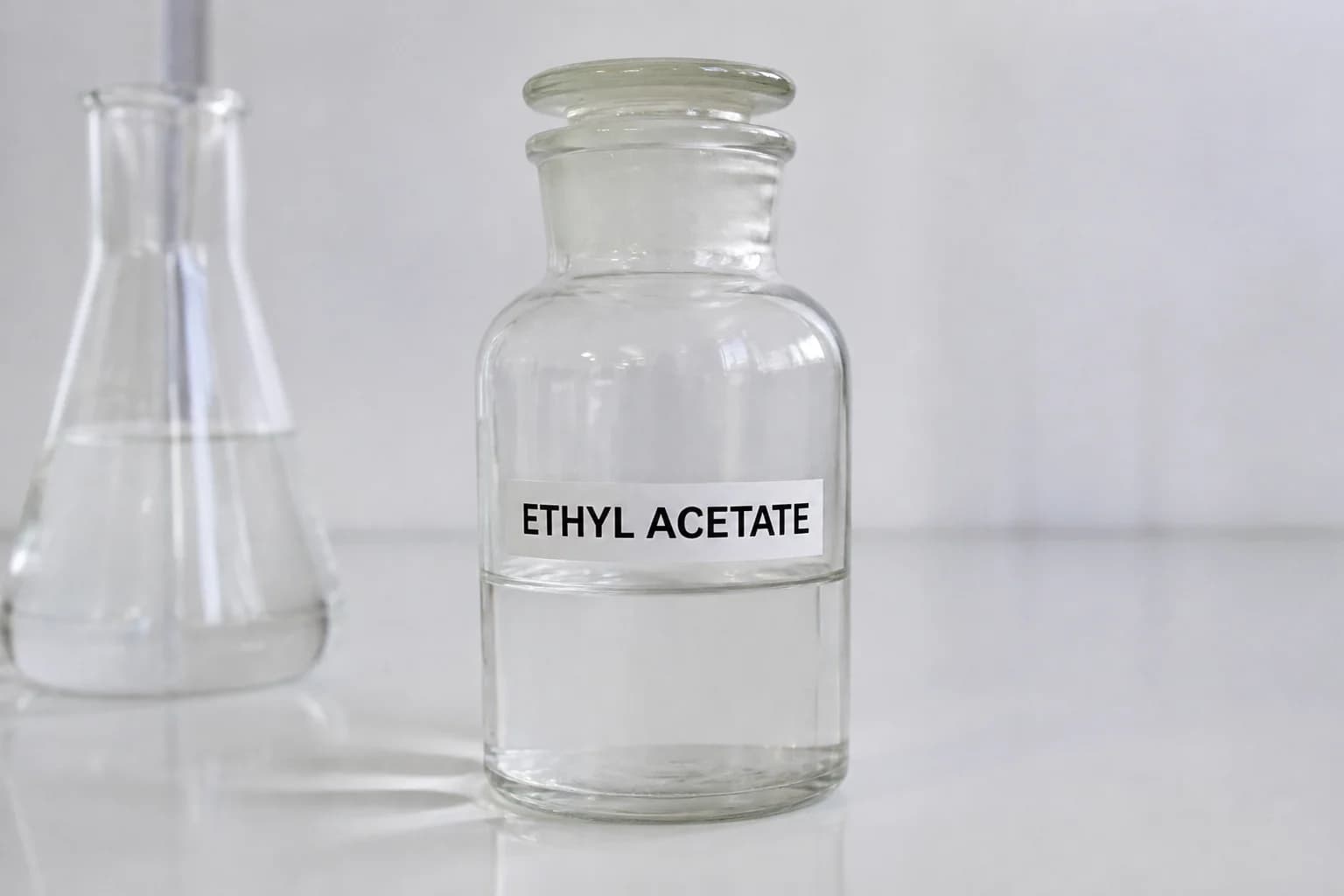
- Ethyl acetate – Widely accepted by FDA for pharmaceutical use, low residue, well-established safety profile. The go-to replacement in most API manufacturing
- Supercritical CO2 (SCFE) – No solvent residue at all, particularly strong for botanical and herbal extraction. Higher equipment cost upfront
- Isopropyl alcohol (IPA) – Common, affordable, works well for general pharma processing
- Acetone – Good solvency and fast evaporation, suitable for resin and polymer work
Adhesives and Sealants
This transition is slightly more manageable. Solvent-based methylene chloride-free adhesives perform closest to DCM-based systems in terms of bond strength and tack. Water-based contact adhesives and hot melt systems are increasingly common in wood, foam, and laminate bonding where no solvents at all is the goal.
A Quick Comparison of the Main Substitutes
| Substitute | VOC Level | Performance vs DCM | Regulatory Risk | Cost |
| Dibasic esters | Low | Moderate, slow | Low | Low-moderate |
| NMP | Medium | High, faster | Prop 65 concerns | Moderate |
| Benzyl alcohol | Low | Moderate | Low | Moderate |
| Ethyl acetate | Medium | Good for pharma | Low | Low |
| Aqueous cleaners | Near zero | Application dependent | Very low | Low |
| HFE solvents | Very low | High for precision | Very low | High |
Watch Out for NMP as a One-for-One Swap
This comes up a lot. NMP is effective and faster than most alternatives, which makes it tempting as a quick replacement. EPA is also conducting ongoing risk evaluations of other solvents including NMP, and California already lists it as a reproductive toxin under Prop 65. Switching to NMP today may mean switching again in a few years. It is worth factoring that into your reformulation decisions rather than treating it as a permanent fix.
Practical Steps to Make the Switch
The transition does not have to be chaotic, but it does need to start now. Supplies of methylene chloride are already tightening as manufacturers stop producing it.
- Audit every DCM use in your facility and map it to the relevant compliance deadline
- Run side-by-side pilots with two or three alternatives before full switchover
- Factor in process time changes – if a substitute takes 8 hours instead of 20 minutes, that affects your whole production timeline
- Update your SDS and downstream notifications – EPA requires these under the final rule
- Check state rules – California, Minnesota, and Washington have additional requirements beyond EPA
- Talk to suppliers early – Ethyl acetate, HFE solvents, and specialty dibasic ester blends can have stretched lead times when demand spikes
What Good Documentation Looks Like During the Transition?
One thing manufacturers often underestimate is the paperwork side of this switch. EPA’s final rule has specific recordkeeping requirements for facilities that continue using DCM under an exemption, and switching to alternatives brings its own documentation needs.
For facilities transitioning away from DCM, you need to maintain:
- Safety Data Sheets for every new solvent introduced, updated to current GHS format
- Validation records showing the alternative achieves required process outcomes
- Worker exposure monitoring records if the new solvent has its own occupational exposure limits
- Waste disposal documentation, since some alternatives like NMP have their own disposal classifications
- Supplier qualification records confirming purity and specification compliance of incoming materials
Wrapping Up
For manufacturers who need reliable, documented sourcing for ethyl acetate, dibasic esters, NMP, or other compliant methylene chloride alternatives, Elchemy’s platform connects US buyers with verified global suppliers with full certificates of analysis and supply chain visibility built in.