

At a Glance
- Sodium tripolyphosphate (STPP) is a white powder made by heating sodium phosphate salts at 450-550°C
- About 2 million tonnes produced annually worldwide, mostly for detergent manufacturing
- Works as a “builder” in detergents by softening hard water and improving cleaning by 47%
- Used in food as E451 additive to retain moisture in seafood, meat, and processed cheese
- Causes eutrophication when released into water, leading to harmful algal blooms
- Many countries have banned or restricted STPP in consumer detergents since the 1970s
- Alternatives include zeolites, citrates, and polycarboxylates with lower environmental impact
- Generally safe for humans but causes eye irritation and requires proper handling
Pick up any laundry detergent box from your local store and check the ingredients. Chances are you’ll find sodium tripolyphosphate listed—or you won’t, which tells its own story. This chemical compound revolutionized the cleaning industry back in 1948, making detergents work so much better that households quickly switched from soap to synthetic detergents. But what is sodium tripolyphosphate exactly, and why has it become so controversial despite being incredibly effective?
STPP, as chemists call it for short, sits at the center of an ongoing debate between performance and environmental protection. It makes detergents clean better, helps seafood stay fresh longer, and keeps industrial water systems running smoothly. Yet the same properties that make it useful also create problems when it reaches lakes and rivers. Understanding this trade-off helps explain why some countries still allow STPP while others have banned it completely.
What Is Sodium Tripolyphosphate – The Basics
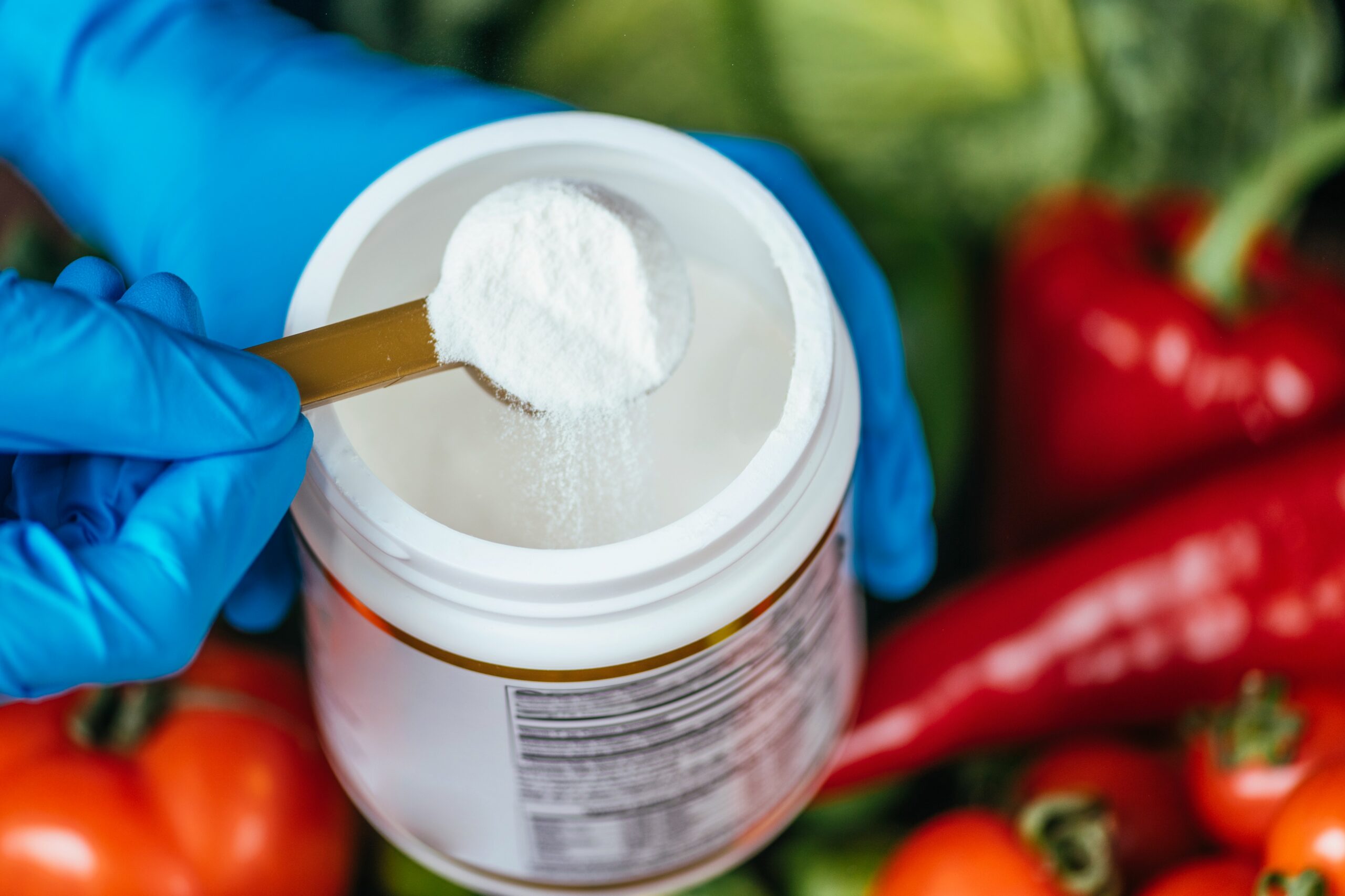
Sodium tripolyphosphate is an inorganic compound with the chemical formula Na₅P₃O₁₀. Don’t let that scary formula intimidate you—it’s basically the sodium salt of triphosphoric acid. The compound appears as a white crystalline powder or granules, has no smell, and dissolves easily in water. You might also see it called sodium triphosphate, pentasodium triphosphate, or STPP on ingredient labels.
Making STPP requires heating two simpler sodium phosphate compounds together at very high temperatures. Manufacturers mix monosodium phosphate (NaH₂PO₄) with disodium phosphate (Na₂HPO₄) in specific ratios, then heat this mixture to 450-550°C in a rotary kiln or fluidized bed reactor. The heat drives off water and fuses the phosphates together into the tripolyphosphate structure. The process is energy-intensive, which is one reason why people are looking for greener alternatives.
The resulting compound exists in two crystalline forms called Phase I and Phase II, which differ slightly in how fast they dissolve in water and how densely they pack. It also comes in anhydrous form (no water molecules attached) or as hexahydrate (with six water molecules per molecule of STPP). For industrial uses, the anhydrous form is more common because it’s more concentrated and easier to store.
Key chemical properties that make STPP useful:
- Highly soluble in water (1000 g/L at 25°C)
- Creates alkaline solutions with pH around 9.5-10
- Binds strongly to metal ions like calcium and magnesium
- Stable at room temperature but slowly hydrolyzes over time
- Works across wide temperature ranges
- Non-toxic at normal exposure levels but irritating to eyes
What makes STPP special is its ability to grab onto metal ions and hold them tight—a property called chelation. When STPP molecules encounter calcium or magnesium ions in hard water, they wrap around these ions and prevent them from interfering with cleaning or causing scale buildup. This one property explains most of STPP’s industrial applications.
Sodium Tripolyphosphate Uses Across Industries
The versatility of STPP means it shows up in surprisingly different products—from the detergent under your kitchen sink to the frozen shrimp in your freezer. Each industry exploits specific properties that STPP provides, making it hard to find single alternatives that work as well across all applications.
| Industry | Main Products | STPP Concentration | Primary Function | Detergents | Laundry powders, dishwashing liquids | 15-30% | Water softening, stain removal | | Food Processing | Frozen seafood, processed meats, cheese | 0.1-0.5% | Moisture retention, texture | | Water Treatment | Scale inhibitors, boiler compounds | 2-10% | Preventing mineral deposits | | Ceramics | Clay slips, glazes | 0.05-0.2% | Deflocculation, viscosity control | | Metal Treatment | Rust prevention, cleaning | 5-15% | Corrosion inhibition, degreasing | | Textiles | Dyeing aids, fabric treatment | 1-5% | pH buffering, dye dispersal |
Detergents and Cleaning Products
Detergents consume over 90% of all STPP produced globally—that’s how important it is for cleaning. When Procter & Gamble discovered that adding STPP could increase detergent effectiveness by 47% in hard water, it changed the entire laundry industry practically overnight. Hard water contains calcium and magnesium ions that react with soap and surfactants to form sticky soap scum. STPP prevents this by grabbing those metal ions before they can cause problems.
Besides water softening, STPP does several other jobs in detergent formulations. It helps suspend dirt particles so they don’t settle back onto clothes during washing. It provides alkalinity that helps break down grease and protein stains. It prevents soils from re-depositing on fabrics, keeping whites white and colors bright. It even helps the detergent powder maintain its free-flowing texture during storage by forming stable hydrates that don’t absorb excess moisture.
Dishwashing detergents, especially automatic dishwasher products, rely even more heavily on STPP. The compound prevents hard water spots on glasses and keeps dishes sparkling. It works at the high temperatures inside dishwashers without breaking down, maintaining effectiveness throughout the wash cycle. Testing shows phosphate-containing dishwasher detergents clean significantly better than phosphate-free versions, which is why some countries still allow STPP in dishwasher products even after banning it from laundry detergents.
Industrial cleaners use STPP concentrations of 5-15% for heavy-duty degreasing and equipment cleaning. Factories, automotive shops, and commercial kitchens depend on these phosphate-based cleaners to handle tough jobs that ordinary detergents can’t touch.
Food Preservation and Processing
You’ve probably eaten STPP without knowing it. The compound appears in frozen seafood, processed meats, and dairy products as food additive E451. In the food industry, STPP serves as a moisture-retaining agent and texture improver rather than a cleaner.
Frozen shrimp is the classic STPP application. Before freezing, manufacturers soak shrimp in dilute STPP solution (typically 0.5% concentration). The STPP interacts with muscle proteins, helping them hold onto water better. This prevents the moisture loss and mushy texture that normally happens during freezing and thawing. The treatment makes shrimp appear plumper and more appealing while actually improving texture. However, some manufacturers overuse STPP to artificially increase weight, which has led to regulations limiting how much can be used.
Processed meats and poultry products use STPP to maintain juiciness and improve texture. Ham, sausages, and chicken nuggets often contain small amounts of STPP that prevent moisture loss during cooking. The compound also helps emulsify fats, preventing that greasy separation that can happen in processed meat products.
Processed cheese relies on STPP to create smooth, uniform texture. The phosphates allow cheese proteins to blend properly with added ingredients, creating that characteristic smooth melt of American cheese and cheese spreads. Without phosphates, processed cheese would be grainy and wouldn’t melt evenly.
The FDA classifies STPP as “Generally Recognized as Safe” (GRAS) with no specific quantity limits. However, the EU restricts STPP to 5000 mg/kg in frozen shrimp, and Canada limits it to 0.5% calculated as sodium phosphate. These regulations balance STPP’s functional benefits against concerns about excessive consumption, particularly for people with kidney problems who need to limit phosphorus intake.
Water Treatment and Industrial Applications
Industrial water systems face constant problems with scale—mineral deposits that clog pipes, reduce heat transfer efficiency, and damage equipment. STPP prevents scale formation by chelating the calcium and magnesium ions that would otherwise precipitate as calcium carbonate or magnesium silicate. Power plants, manufacturing facilities, and commercial buildings use STPP-based scale inhibitors to keep cooling towers, boilers, and water pipes operating efficiently.
The ceramics industry uses STPP as a deflocculant in clay slips. Adding just 0.05-0.2% STPP dramatically reduces the viscosity of ceramic slurries, allowing them to flow easily for casting and shaping. This happens because STPP molecules attach to clay particle surfaces, creating negative charges that make particles repel each other instead of clumping together.
Textile manufacturers add STPP during dyeing processes to improve dye penetration and color uniformity. The compound buffers pH, disperses dyes evenly, and prevents hard water ions from dulling colors. Oil drilling operations use STPP in drilling muds to control viscosity and prevent clay swelling.
Benefits That Made STPP Popular
Despite environmental concerns, STPP remains widely used because it works exceptionally well and costs less than most alternatives. The compound delivers multiple functions in a single ingredient, simplifying formulations and reducing manufacturing costs.
Why manufacturers keep choosing STPP:
- Superior chelating power: Binds 280 mg of calcium per gram of STPP, more than alternatives
- Multi-functional: Softens water, disperses solids, buffers pH, and stabilizes formulations simultaneously
- Cost-effective: Cheaper than most alternative builders and chelating agents
- Proven performance: Decades of use provide extensive safety and effectiveness data
- Processing benefits: Helps create free-flowing detergent powders through stable hydrate formation
- Temperature stability: Works effectively from near freezing to boiling temperatures
- Excellent solubility: Dissolves quickly and completely in cold or hot water
- Synergistic effects: Improves performance of surfactants and other detergent components
When Procter & Gamble tested STPP in laundry detergents, they found it allowed reducing surfactant levels by 23% while still improving cleaning performance by 47%. This combination of better results with less active ingredient made STPP incredibly attractive economically. A detergent formulated with 18% STPP and 10% layered sodium silicate can achieve bulk density of 720 g/L compared to 450 g/L without STPP, reducing transportation costs by $38 per ton of product.
Environmental Impact and Concerns

Here’s where STPP’s story gets complicated. The same properties that make it useful for cleaning and food processing create serious environmental problems when it reaches natural water bodies. This tension between performance and environmental protection has driven regulations for over 50 years.
Main environmental concerns:
- Causes eutrophication in lakes, rivers, and coastal waters
- Not removed by conventional wastewater treatment plants
- Contributes to harmful algal blooms that deplete oxygen
- Disrupts aquatic ecosystems and kills fish populations
- Accumulates in sediments affecting benthic organisms
- Combines with agricultural runoff to worsen nutrient pollution
Eutrophication Problem
Eutrophication is the environmental issue that’s caused all the trouble for STPP. The term means “over-nutrition” of water bodies. When excess phosphorus enters lakes and rivers, it acts like fertilizer for algae and aquatic plants. These organisms grow explosively, creating dense blooms that turn water green and murky.
The problems start when these algal blooms die. Bacteria decomposing the dead algae consume vast amounts of dissolved oxygen from the water. Fish and other aquatic animals suffocate in these low-oxygen conditions. Some algae species also produce toxins that poison water supplies and kill wildlife. Swimming in bloom-affected water can cause rashes, respiratory problems, and illness in people.
Scientists recognized this connection between detergent phosphates and eutrophication back in the 1960s. Lakes like Erie in North America became seriously polluted, with massive algal blooms making beaches unusable and fisheries collapsing. Studies showed that household detergents contributed significant phosphorus loads—in some areas, detergents accounted for 50-70% of phosphorus entering wastewater treatment plants.
The environmental problem occurs because STPP is highly water-soluble and standard wastewater treatment doesn’t remove it effectively. The compound eventually hydrolyzes into orthophosphate, which is the form of phosphorus that plants and algae can actually use. Even small amounts of phosphorus can trigger algal growth in phosphorus-limited water bodies.
A 2014 case study of Vermont’s Lake Champlain showed that while phosphate bans reduced household contribution to 5% of total phosphorus, overall levels didn’t decline because agricultural runoff and stormwater contributed similar or larger amounts. This complexity makes regulating detergent phosphates controversial—some argue it’s effective, others say it makes little difference when other phosphorus sources remain uncontrolled.
Regulations and Bans
Countries worldwide have responded to eutrophication concerns by restricting or banning STPP in consumer detergents. The timeline and approach vary significantly by region, reflecting different environmental conditions and political priorities.
The United States started early, with states like Indiana and Florida restricting detergent phosphates in the early 1970s. By 1994, the industry agreed to a voluntary nationwide ban on phosphates in laundry detergents. However, dishwasher detergents could still contain phosphates until several states enacted stricter bans in the late 2000s. As of now, 17 US states have partial or full bans on phosphates in dish detergents.
The European Union took a comprehensive approach, implementing EU-wide restrictions on phosphates in laundry detergents starting in 2013, followed by dishwasher detergent limits in 2017. These regulations don’t completely ban phosphates but limit them to very low levels—0.5 grams of phosphorus per standard wash dose.
Many developing countries still allow unrestricted STPP use because they lack advanced wastewater treatment infrastructure and prioritize affordable cleaning products. African and Asian markets represent growing demand for STPP-based detergents as living standards rise and more households gain access to washing machines.
The regulations sparked controversy between industry and environmentalists. A New York Times report found that phosphate-free dishwasher detergents performed significantly worse than those containing phosphates, leaving residue and failing to remove tough stains. This performance gap has narrowed as manufacturers developed better phosphate-free formulations, but some users still prefer phosphate-containing products where they remain legal.
Also Read: Cheapest Countries to Import Bulk Chemicals From
Alternatives and the Future
The push to reduce or eliminate STPP has driven development of alternative builders and chelating agents. Some work almost as well as STPP, while others sacrifice some performance for lower environmental impact.
| Alternative | Advantages | Disadvantages | Environmental Impact | |—|—|—| | Zeolites (Zeolite A) | Good water softening, insoluble | Leaves residue on fabrics, causes sludge | Better than phosphates, some concerns | | Sodium Citrate | Biodegradable, renewable source | Weaker chelating, more expensive | Low impact, readily biodegradable | | Polycarboxylates | Effective dispersant, low use levels | Higher cost, complex chemistry | Moderate impact, synthetic | | Layered Silicates | Good builder, multi-functional | Must combine with other builders | Low impact, natural mineral | | GLDA/MGDA | Biodegradable chelants, effective | Very expensive, limited supply | Low impact, bio-based options available |
Zeolite A became the most popular STPP replacement in laundry detergents. This synthetic aluminosilicate mineral exchanges sodium ions for calcium ions, effectively softening water without dissolving. However, zeolites don’t disperse soils as well as STPP, so formulations need additional dispersants. They also leave white residue on dark fabrics if used at high levels, and the insoluble zeolite particles create more sludge in wastewater treatment.
Sodium citrate works well for certain applications, particularly liquid detergents where zeolite’s insolubility creates problems. Being derived from citric acid (originally from citrus fruits, now mostly fermented from sugar), citrate appeals to green formulations. However, it’s 3-4 times more expensive than STPP on an equivalent basis, and much larger quantities are needed to match STPP’s performance.
Modern detergent formulations often combine multiple builders—zeolite A with polycarboxylates and citrates—to replicate the multi-functional benefits STPP provided alone. This complexity increases formulation costs and manufacturing challenges. Some manufacturers argue that the environmental benefit isn’t worth the economic and performance costs, while others believe sustainability justifies the trade-offs.
The future likely involves continued evolution away from STPP in consumer products while industrial and food applications maintain usage where alternatives don’t work as well. Research into bio-based phosphorus recovery from wastewater could potentially allow phosphate use with closed-loop recycling, though this remains experimental.
Conclusion
Sodium tripolyphosphate exemplifies the challenges of balancing human needs against environmental protection. As a chemical, it’s remarkably effective—softening water, improving cleaning, preserving food, and preventing industrial scale at low cost. These benefits explain why it became so widely adopted and why industries resist giving it up despite environmental concerns.
The eutrophication problem is real and serious, though the effectiveness of detergent phosphate bans remains debated when other phosphorus sources contribute equally or more. Countries with advanced wastewater treatment can remove phosphorus through tertiary treatment, reducing the need for ingredient bans. Those without such infrastructure face choosing between affordable, effective cleaning products and water quality protection.
What is sodium tripolyphosphate ultimately comes down to a versatile chemical that revolutionized several industries but whose success created unintended environmental consequences. The ongoing transition to alternatives demonstrates how environmental awareness can drive innovation, even when the alternatives cost more and work differently. Whether you support continued STPP use or prefer phosphate-free products, understanding the full picture helps make informed choices.
For manufacturers requiring sodium tripolyphosphate, alternative builders, or other industrial chemicals with complete technical and regulatory documentation, Elchemy’s technology-driven platform connects buyers with verified suppliers across global markets. Founded by IIT Bombay engineer Hardik Seth and IIT Delhi engineer Shobhit Jain, Elchemy streamlines chemical sourcing with transparent pricing, quality specifications including E451 food-grade certifications where needed, and reliable supply chains supporting everything from detergent manufacturing to food processing and water treatment applications.